
What To Do When Your Rental Home Goes Into Foreclosure
Learn how to protect your rights, your money, and your housing options when the place you rent is caught up in a foreclosure.
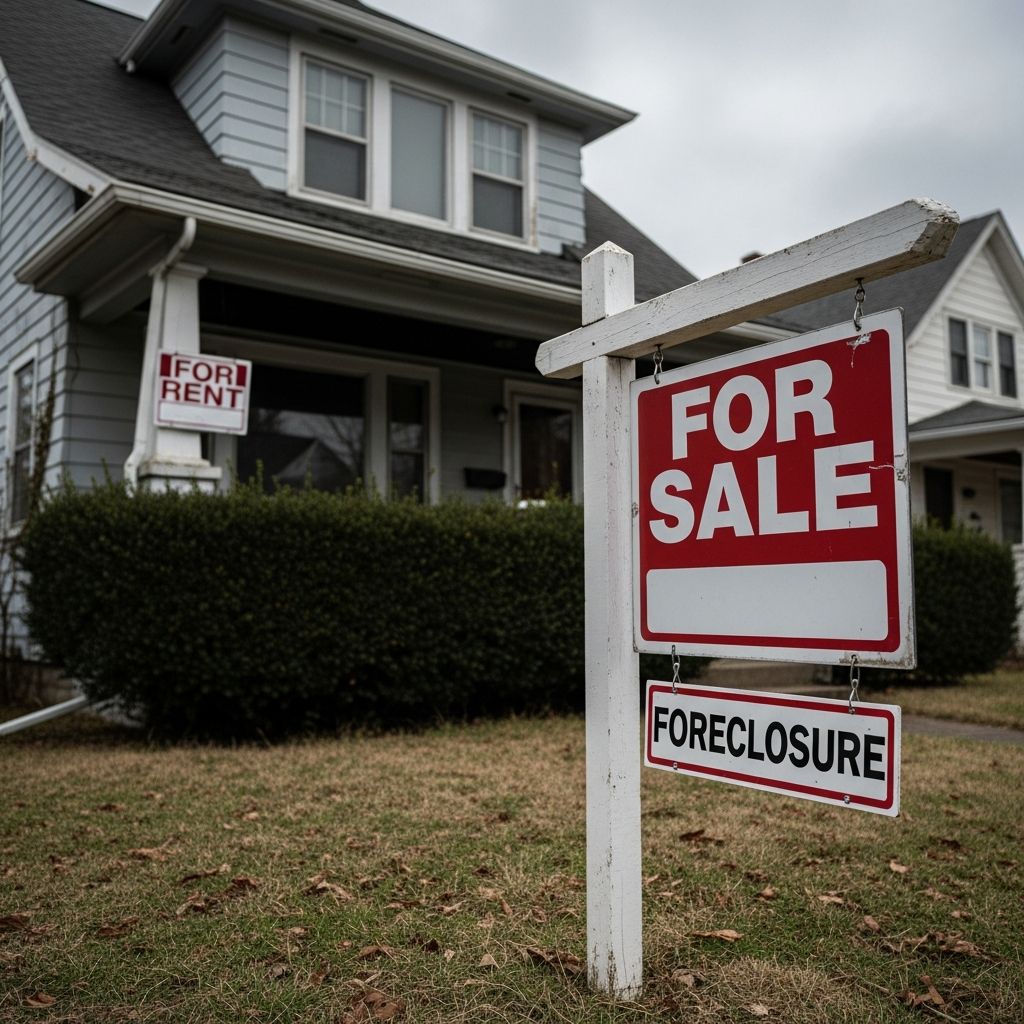
Learning that the house or apartment you rent is in foreclosure can be unsettling. You may worry about being forced out quickly, losing your belongings, or not knowing who to pay rent to. The good news is that federal law and many state laws give renters important protections when their landlord loses the property to foreclosure.
This guide explains, in plain language, what typically happens when a rental property goes into foreclosure, what protections you may have, and practical steps to take so you can stay housed and protect your money.
Understanding Foreclosure When You’re a Tenant
Foreclosure is the legal process a lender uses to take ownership of a property when the owner stops making mortgage payments. As a tenant, you are not responsible for your landlord’s mortgage, but foreclosure can still affect your housing situation.
In a foreclosure involving a rental property:
- The landlord is the property owner who fell behind on the mortgage.
- The lender (often a bank) starts a legal process to take the property.
- A new owner may take title after the foreclosure sale—this could be the bank or someone who buys at auction.
Until the ownership legally changes hands, your lease or rental agreement usually remains in force, and your rights as a tenant continue under state and local law.
Key Federal Protections for Renters in Foreclosure
At the federal level, the Protecting Tenants at Foreclosure Act (PTFA) provides a baseline of protections for most renters when a property is foreclosed.
| Situation | Minimum Protection Under PTFA |
|---|---|
| Bona fide tenant with a written lease that has time left | New owner must honor the lease or give at least 90 days’ notice if they plan to move in themselves. |
| Month-to-month or at-will tenant | At least 90 days’ written notice before you can be required to move out. |
| Local law more protective than PTFA | You keep the benefit of any stronger state or local rights (for example, rent control or just-cause eviction rules).[10] |
To be a “bona fide tenant” under PTFA, in general:
- Your lease or rental agreement was the result of an arm’s-length transaction (not a sham deal).
- You pay rent at or close to fair market value (or under a government subsidy program).
- You are not the borrower (the foreclosed owner) or their spouse or child.
First Steps When You Learn About Foreclosure
Once you hear that your building or house is in foreclosure—whether from your landlord, a notice on the door, or court papers—take organized, calm steps rather than panicking.
1. Confirm What Is Actually Happening
Try to determine:
- Whether a foreclosure case has been filed or a sale has already occurred.
- Who currently owns the property (your landlord, the bank, or a new buyer).
- Whether any eviction action has started against you.
You may be able to check local court records or property records online, or call the court clerk. Legal aid organizations and tenant clinics can often help interpret documents.
2. Keep Paying Your Rent (But to the Right Party)
In most cases, you must continue to pay rent while the foreclosure is in progress. Failing to pay can weaken your protections and may give the owner grounds to evict you for nonpayment, independent of foreclosure.
- Before the foreclosure sale: The original landlord usually remains the legal owner and is still your landlord. You generally continue paying rent under your lease.
- After a court appoints a receiver: In some states, a court may appoint a receiver to collect rent and manage the property during foreclosure. If this happens, you should receive written proof explaining how and to whom to pay rent.
- After the foreclosure sale: Once a new owner takes title, rent—if owed—would be paid to that new owner. Many tenants do not owe rent during the minimum 90-day post-foreclosure period in practice, but rules vary by state and lease terms, so get legal advice before holding back rent.
If you are unsure who owns the building or who is entitled to rent, consider setting the money aside in a separate account until you receive clear, written instructions or legal guidance. Never ignore rent altogether without advice from a qualified housing attorney or legal aid office.
3. Gather and Organize Your Documents
Collect and safely store:
- Your lease or month-to-month rental agreement (if written).
- Receipts or proof of rent payments (bank statements, money order stubs, online confirmation emails).
- Security deposit records or move-in inspection checklists.
- Any letters, notices, or court documents about the foreclosure or eviction.
These documents can be critical in proving that you are a bona fide tenant with rights under federal law and possibly additional protections under state and local laws.[10]
Your Rights During the Foreclosure Process
Foreclosure typically unfolds in stages. Your rights can differ depending on whether the case is pending, the sale has occurred, or an eviction has been filed.
While Foreclosure Is Pending
Until the foreclosure sale is complete and title changes hands, these general rules often apply:
- Your lease remains in effect and you must follow its terms, including paying rent.
- The current owner (your landlord) usually must still maintain the property—for example, keeping utilities on in common areas and making essential repairs.
- You generally cannot be evicted solely because a foreclosure case has started; normal state eviction procedures and timelines still apply.
If the landlord stops making repairs or disappears, local housing code enforcement or tenant advocacy groups may help you push for maintenance or explore legal options for rent reductions or repairs.
After the Foreclosure Sale and Transfer of Title
Once a foreclosure sale occurs and someone—often the lender or a third-party purchaser—receives a deed, your landlord changes. However, your status as a tenant does not disappear automatically. Under PTFA and many state laws:
- You are entitled to written notice from the new owner before you can be required to move.
- Most tenants get at least 90 days’ written notice to vacate.
- If you have a valid, current lease that extends beyond those 90 days and the new owner does not plan to move in, the new owner generally must honor your lease until it ends.
- If the new owner plans to live in the unit as a primary residence, they may terminate the lease, but they still must give at least 90 days’ notice before you have to leave.
How State and Local Laws Can Give Extra Protection
Federal law sets a floor, not a ceiling. Many states and cities provide stronger protections for tenants in foreclosed properties.
- Rent control and rent-stabilization rules may allow you to stay indefinitely, even after foreclosure, as long as you follow local regulations and pay the regulated rent.
- Just-cause eviction laws limit when a landlord can evict a tenant—for example, only for nonpayment of rent, serious lease violations, or legitimate owner move-in. A simple change in ownership due to foreclosure may not be a valid “cause” on its own.[10]
- Some states require special notices to tenants at multiple points in the foreclosure process, with clear language explaining your rights and deadlines.
Because protections vary widely, always check your own state and local rules. Legal aid offices, state housing agencies, or city tenant offices are usually the most reliable sources.
Special Considerations for Subsidized and Regulated Housing
If you live in government-subsidized or regulated housing, you may have additional protections that survive foreclosure.
- Section 8 Housing Choice Vouchers: Tenants using vouchers are typically protected so long as they follow their lease and program rules. A change in ownership alone is usually not considered “good cause” to evict you, though there are exceptions.
- Project-based subsidized housing or HUD-insured properties: Federal regulations often require new owners to honor housing assistance contracts and leases, subject to specific program rules.
- Rent-controlled or rent-stabilized units: In jurisdictions with these systems, your tenancy generally continues with the new owner, who steps into the role of landlord and must follow all applicable rent regulations.
Protecting Your Security Deposit and Other Money
Foreclosure can complicate questions about your security deposit or prepaid rent.
- In many states, the new owner is supposed to take over responsibility for security deposits that were properly held by the prior landlord.
- If the deposit is not transferred, you may have a claim against the former landlord, the new owner, or both, depending on state law.
- Keep careful records of what you paid, when, and how, including any move-in condition reports.
When you eventually move out, follow your state’s rules about written notice, cleaning, and providing a forwarding address to improve your chances of a prompt and full deposit return, or to strengthen your case if you need to sue.
Practical Tips to Stay Safe and Informed
In addition to knowing the law, several practical strategies can make a big difference in how stressful the process is for you.
- Do not ignore mail or court papers. Even if letters look confusing or are addressed to “occupant,” open them and keep them. Missing a court date could lead to a default eviction judgment.
- Communicate in writing. If the new owner or their agent asks you to move or change where you pay rent, request everything in writing and keep copies.
- Beware of scams. Some dishonest actors target tenants in foreclosure with fake “cash-for-keys” offers, bogus legal advice, or demands for rent when they are not the lawful owner. Verify identities through public records or legal aid.
- Start a backup housing plan early. Even with protections, you may eventually need to move. Begin exploring alternative housing options and saving for moving costs as soon as you can.
When to Seek Legal or Housing Help
Because foreclosure law and tenant protections are complex and vary by location, it is wise to seek help in certain situations, including when:
- You receive an eviction notice or court summons.
- The new owner demands that you leave in less than 90 days or immediately.
- You have a long-term lease, and the new owner insists it is no longer valid.
- Your landlord disappears, stops maintaining essential services, or refuses to accept rent.
- There is a dispute about your security deposit or prepaid rent.
Sources of help may include:
- Legal aid or legal services organizations that focus on housing.
- Your state or local housing agency or consumer protection department.
- Tenant unions, renters’ rights clinics, and community housing nonprofits.
Frequently Asked Questions (FAQs)
Q1: Can I be told to move out with only a few days’ notice after foreclosure?
In most cases, no. Under federal law, bona fide tenants are generally entitled to at least 90 days’ written notice after a foreclosure before they can be required to move out. Some state or local laws give even longer notice or additional protections.
Q2: Does foreclosure automatically cancel my lease?
Not usually. Under the Protecting Tenants at Foreclosure Act, a valid lease often continues in place after foreclosure, and the new owner steps into the role of landlord. The main exception is when the new owner plans to live in the property; in that case, they can end the lease but still must give at least 90 days’ notice.
Q3: Should I keep paying rent after I find out about foreclosure?
In general, yes. During the foreclosure process, tenants are usually still obligated to pay rent under their lease, and nonpayment can lead to eviction independent of foreclosure. If you are uncertain who to pay, seek legal advice and consider setting the funds aside until ownership is clear.
Q4: What if I live in subsidized housing or use a Section 8 voucher?
Tenants in subsidized housing or using vouchers often have additional protections. Typically, a change in ownership due to foreclosure alone is not sufficient reason to terminate your tenancy, as long as you comply with your lease and program rules. Contact your housing authority or legal aid office right away if you receive notices.
Q5: Where can I find reliable information about my state’s rules?
Check your state or local housing agency, attorney general’s consumer protection division, or legal aid organizations. Many provide free online guides explaining tenant rights in foreclosure and can connect you with legal help if you are facing eviction.
References
- Tenants Rights in Foreclosed Properties — New York State Department of Financial Services. 2022-06-10. https://www.dfs.ny.gov/consumers/help_for_homeowners/tenants_rights_foreclosure
- Tenants in Foreclosed Properties: What You Need to Know — Long Island Housing Services. 2016-02-01. https://www.lifairhousing.org/wp-content/uploads/2016/02/LIHS-Tenant-rights-in-foreclosed-properties.pdf
- Tenants and Foreclosure — National Housing Law Project. 2020-01-15. https://www.nhlp.org/initiatives/foreclosure-and-tenants/
- Renters in Foreclosure Toolkit — National Low Income Housing Coalition. 2020-05-01. https://nlihc.org/renters-foreclosure-toolkit
- Rights of Renters in Foreclosure — Nolo Press. 2023-03-01. https://www.nolo.com/legal-encyclopedia/renters-foreclosure-what-are-their-30064.html
- Tenant Rights When Your Landlord Has Been Foreclosed On — Legal Aid Society of Greater Cincinnati. 2018-07-01. https://www.lascinti.org/wp-content/uploads/Tenant-Rights-Foreclosure.pdf
- What should I do if the house or apartment I’m renting goes into foreclosure? — Consumer Financial Protection Bureau. 2021-04-01. https://www.consumerfinance.gov/ask-cfpb/what-should-i-do-if-the-house-or-apartment-im-renting-goes-into-foreclosure-en-1545/
Similar Articles








Read full bio of Sneha Tete




