
Using a Credit Freeze to Block Identity Thieves
Learn how a free credit freeze helps block new-account fraud, when to use it, and how to manage it without derailing your financial plans.
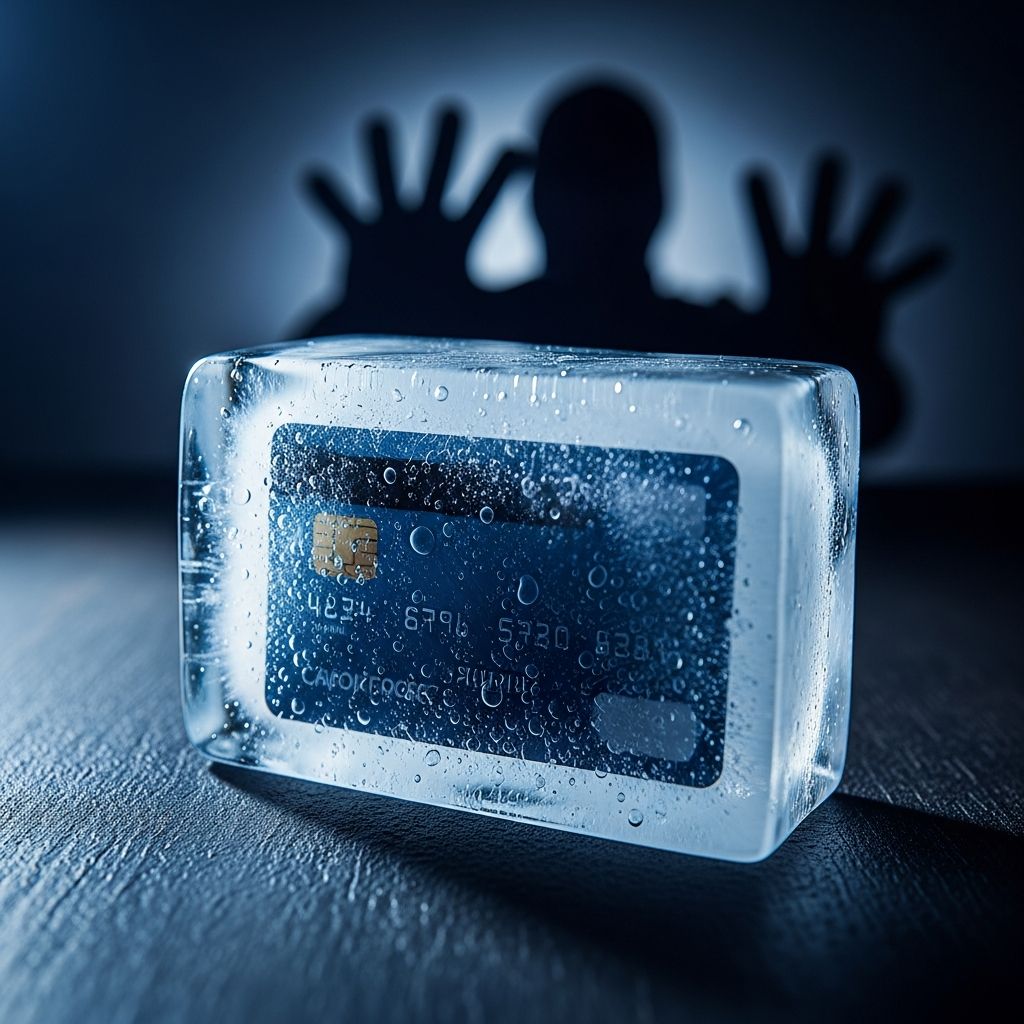
A credit freeze 6 also called a security freeze 6 is one of the strongest tools you have to make it harder for identity thieves to open new credit accounts in your name. When used correctly, it can block many forms of new-account fraud without affecting your credit score or your existing credit cards.
This guide explains in clear language what a credit freeze is, how it works, what it can and cannot do, and the practical steps to put one in place and manage it over time.
Credit Freeze Basics: What It Is and Why It Matters
A credit freeze is a free service from each of the three nationwide credit bureaus 6 Equifax, Experian, and TransUnion 6 that limits access to your credit reports. When your reports are frozen, most lenders and new creditors cannot pull them, which usually means they will decline applications for new credit in your name.
- Goal: Make it far harder for criminals to open new credit lines, loans, or credit cards with stolen personal information.
- Cost: Federal law requires that placing and lifting a freeze be free nationwide.
- Impact on score: A freeze does not affect your credit score.
- Duration: It remains in place until you remove or temporarily lift it; it does not expire automatically in most states.
How a Credit Freeze Protects You
Most new credit accounts require a creditor to review at least one of your credit reports. When a freeze is in place:
- The lender attempts to access your report.
- The freeze blocks that access (unless you have lifted it for that specific creditor or time period).
- Without a usable report, many lenders will refuse to open the new account.
As a result, a freeze can be particularly effective against new-account identity theft 6 situations where someone uses stolen Social Security numbers or other personal data to open credit cards, loans, or retail accounts in your name.
Key Benefits of a Credit Freeze
- Prevents many forms of new credit fraud: It blocks most lenders from opening new accounts without your knowledge, even if a thief has sensitive details like your SSN.
- Proactive protection: You do not need to wait until you are a victim; you can place a freeze at any time as a preventive measure.
- No impact on existing accounts: You can keep using your current credit cards, mortgage, car loan, or bank accounts as usual.
- No damage to your credit score: The status of your credit files (frozen or not) is not part of your credit scoring formula.
Freeze vs. Fraud Alert vs. Credit Lock
Credit freezes are often confused with fraud alerts and credit locks. They all relate to your credit files but work differently.
| Tool | How It Works | Cost | Best For |
|---|---|---|---|
| Credit Freeze (Security Freeze) | Blocks most creditors from accessing your credit report unless you lift the freeze. | Free, by law. | Strongest barrier to new-account fraud, especially after data breaches. |
| Fraud Alert | Lets creditors see your report but tells them to take extra steps to verify your identity before opening new credit. | Free. | If you suspect you are at risk but still expect to apply for credit frequently. |
| Credit Lock | App-based or online on/off control of credit access, offered by bureaus as a service; similar effect to a freeze. | Often part of paid packages or subscriptions. | People who want mobile control and extra features (like alerts) through a single interface. |
What a Credit Freeze Does Not Do
Despite being powerful, a credit freeze is not a universal shield. There are important limits you need to understand.
- It does not stop misuse of existing accounts. Thieves can still try to use your current credit cards or bank accounts; a freeze mainly addresses new credit lines, not existing ones.
- It does not block all types of identity fraud. Criminals could still attempt tax refund fraud, benefits fraud, or misuse of your driver’s license or medical information, which do not always require a credit check.
- Some entities can still access your report. Your existing creditors, collection agencies working on their behalf, and certain government agencies may still have limited access even with a freeze in place.
Because of these limits, experts recommend pairing a credit freeze with broader identity protection steps: monitoring bank and card statements, checking credit reports regularly, and securing online accounts with strong authentication.
When You Should Consider a Credit Freeze
Placing a freeze is a personal decision, but several situations strongly favor doing it.
- After a data breach: If a company, school, health provider, or agency notifies you that your Social Security number or financial records were exposed, a freeze is a logical response.
- If you spot suspicious activity: Unexpected credit inquiries, new accounts you do not recognize, or collection calls about debts that are not yours suggest someone might be misusing your information.
- If you rarely apply for new credit: People who are not planning major credit applications (like mortgages or car loans) typically experience little inconvenience from a freeze but gain added protection.
- For children and other dependents: Freezes can help protect minors’ credit files from synthetic identity fraud, where criminals use children’s Social Security numbers to build new, fake identities.
Step-by-Step: How to Place a Credit Freeze
To fully protect yourself, you must place a freeze with all three major credit bureaus. Freezing only one report leaves openings for lenders who pull data from another bureau.
- Gather your information.
Have these details ready:- Full legal name (including middle initial and suffix, if any)
- Social Security number
- Date of birth
- Current address and previous addresses (typically last two years)
- Copy of government-issued ID (if requested)
- Contact each bureau separately.
The U.S. government’s consumer portal explains that you must request a freeze individually from Equifax, Experian, and TransUnion via their official websites, phone numbers, or mail. - Verify your identity.
Be prepared to answer security questions about your accounts or previous addresses and to enter one-time codes. This step is designed to keep impostors from placing or lifting a freeze on your behalf. - Record your PIN or login details.
Some bureaus issue a PIN; others rely on an online account login. Store these securely 6you will need them to lift or remove your freeze later. - Confirm the freeze is active.
You should receive written or electronic confirmation from each bureau that your freeze is in place.
Temporarily Lifting or Removing a Freeze
There will be times when you want lenders to access your credit 6such as when applying for a mortgage, auto loan, new credit card, apartment lease, or sometimes even a new cell phone plan.
Options for Lifting a Freeze
- Lifting for a specific creditor: You can authorize access for a particular lender by name, which keeps your reports blocked for everyone else.
- Lifting for a set time period: You can thaw your credit for a few days or weeks (for example, to shop for a car loan), after which the freeze resumes automatically.
- Removing the freeze entirely: If you no longer wish to maintain it, you can remove the freeze. You can always place a new one later, still for free.
Using the login or PIN you received, you can usually manage freezes online quickly. Under federal rules, bureaus must lift a freeze within a short time after receiving your request, often within an hour if done online or by phone.
Credit Freezes and Your Daily Financial Life
Many people worry that a credit freeze will create constant hassle. In practice, once you understand how it works, day-to-day impact is limited.
- Normal purchases: Buying groceries, paying bills, or using your existing credit cards are not affected.
- Automatic payments: Pre-authorized payments on cards or bank accounts continue as usual.
- Soft inquiries: You can still check your own credit, and some background checks or pre-screened offers may continue, depending on bureau policies.
The main time you will notice the freeze is when you actively seek new credit. With a little planning 6such as temporarily lifting the freeze before applying 6you can balance protection with convenience.
Additional Steps to Reduce Identity Theft Risk
A credit freeze is a strong line of defense, but experts emphasize that it should be part of a broader strategy, not your only safeguard.
- Monitor your accounts frequently. Review bank and credit card statements for unfamiliar transactions and report suspicious charges immediately.
- Check your credit reports. You can obtain free credit reports and look for unknown accounts, incorrect addresses, or unexplained inquiries.
- Use strong security on online accounts. Turn on multi-factor authentication (2FA) where available, especially for financial, email, and cloud-storage accounts.
- Guard sensitive numbers. Avoid carrying your Social Security card, store tax and medical documents securely, and limit how often you share these numbers.
- Act quickly if you suspect identity theft. If you believe your information has been misused, consider placing a fraud alert in addition to your freeze, filing identity theft reports, and contacting impacted institutions.
Frequently Asked Questions About Credit Freezes
Does a credit freeze hurt my credit score?
No. A freeze changes who can access your credit report; it does not alter the information used to calculate your score and therefore does not damage your credit rating.
Can I still use my existing credit cards with a freeze?
Yes. A freeze only affects new applications for credit. You can still use your current credit cards and loans, and your existing creditors will still be able to review your report for account management and risk monitoring.
Do I have to pay to place or lift a security freeze?
No. Federal law requires that placing, lifting, and removing a freeze be free for all consumers at all three nationwide credit bureaus.
Is a fraud alert enough, or do I also need a freeze?
A fraud alert signals to creditors that they should verify your identity more carefully before opening new accounts, but it still allows access to your report. A freeze is more restrictive and generally provides stronger protection against new-account fraud. Many people at higher risk choose to use both at different times.
Will a credit freeze stop all identity theft?
No. It is extremely useful against new credit accounts opened in your name, but it will not prevent misuse of existing cards, certain government benefit fraud, or some types of criminal impersonation. That is why monitoring and strong account security are still essential.
Can I place a credit freeze for my child?
In many cases, yes. Parents and legal guardians can request credit files and freezes for minors to help guard against synthetic identity theft 6when criminals build fake identities using a child’s Social Security number. Requirements vary somewhat by bureau, so carefully follow each one’s instructions.
How often can I lift and replace a freeze?
There is no set limit. You can lift and replace your freeze as often as necessary, such as when shopping for a car or applying for a mortgage. Because the process is free, the main consideration is planning ahead so applications are not delayed.
References
- How to place or lift a security freeze on your credit report — USAGov. 2024-02-15. https://www.usa.gov/credit-freeze
- Preventing Identity Theft — CalPERS (State of California). 2023-10-05. https://www.calpers.ca.gov/education-center/using-mycalpers/cybersecurity-best-practices/preventing-identity-theft
- Why a Credit Freeze Alone Won’t Stop Identity Theft — Consumer Reports. 2023-08-10. https://www.consumerreports.org/electronics/identity-theft/why-credit-freeze-alone-wont-stop-identity-theft-a1061834203/
- How to Freeze Your Credit—and Why It Matters — Charles Schwab. 2023-09-20. https://www.schwab.com/learn/story/how-to-freeze-credit-score
- 8 Facts About Security Freezes — Equifax. 2022-11-30. https://www.equifax.com/personal/education/identity-theft/articles/-/learn/8-facts-about-credit-freezes/
Similar Articles








Read full bio of Sneha Tete




