
Understanding Your Economic Impact Payment Debit Card
Learn how Economic Impact Payment debit cards work, how to use them safely, and how to avoid scams targeting your stimulus funds.
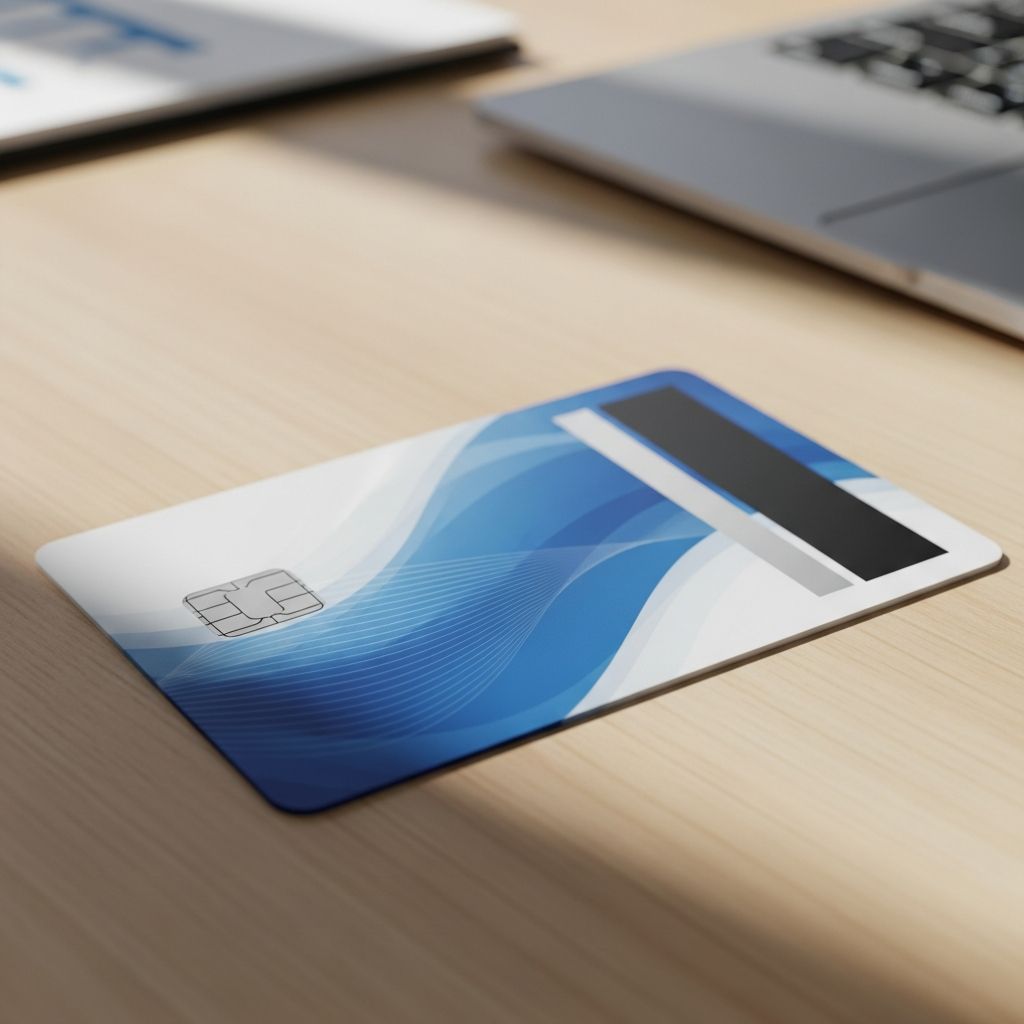
Many people received their Economic Impact Payments (EIPs), commonly known as stimulus payments, on a special prepaid debit card instead of by paper check or direct deposit. These cards are an official way the U.S. government delivers relief funds and can be used much like a regular debit card, with important protections and rules you should understand.
What Is an Economic Impact Payment Debit Card?
An Economic Impact Payment (EIP) debit card is a reloadable, prepaid debit card loaded with your federal stimulus payment. It was issued as part of the U.S. Treasury’s debit card program to speed up delivery of funds to people for whom the IRS did not have direct deposit information.
- The card is funded by the federal government with your EIP amount.
- It is issued under the U.S. Debit Card program, managed for the Treasury Department by a financial agent bank.
- It works on a major payment network (such as Visa or Mastercard), so you can use it anywhere that network is accepted, subject to the card terms.
- The money is not a loan; you do not need to repay it and there is no interest.
The card functions like a standard prepaid debit card, but you cannot add your own money to it; it only holds your stimulus funds.
How and Why You Might Receive an EIP Debit Card
Not everyone received a debit card—many people got their payments by direct deposit or check instead. The decision to send a card rather than a check was made by the Treasury Department’s Bureau of the Fiscal Service, not by individual taxpayers.
| Payment Method | Who Typically Received It | Key Characteristics |
|---|---|---|
| Direct deposit | People whose bank account info was on file with the IRS | Fastest option; funds appear directly in your bank account. |
| Paper check | Some people without direct deposit info | Check mailed to your address of record; must be deposited or cashed. |
| EIP debit card | Others without direct deposit info, selected by Fiscal Service | Prepaid card sent by mail, can be used at ATMs, stores, and online. |
If the IRS did not have your routing and account numbers for direct deposit, you could receive your EIP either by paper check or by prepaid debit card in the mail.
Recognizing a Legitimate EIP Debit Card
One challenge for many households was simply identifying that the plain-looking mail they received was actually their stimulus money and not junk mail. Certain details can help you verify that a card is genuine.
What the Envelope Looks Like
- The card typically arrives in a plain or generic-looking envelope.
- The return address or sender name may reference “Money Network Cardholder Services” or a similar program administrator.
- Inside you should find a card mailer, activation instructions, and disclosures about fees and usage.
What the Card Looks Like
- The front of the card carries a major payment network logo such as Visa or Debit Mastercard, depending on the phase of the program.
- The back of the card lists the issuing bank (for example, MetaBank, N.A., now called Pathward, or a successor bank under Treasury’s contract).
- Cardholder name, expiration date, and a customer service phone number appear on the card or in the materials.
If you receive a card and are unsure whether it is authentic, do not use any phone numbers or links in text messages or emails about the card. Instead, independently look up the official EIP card website or Treasury information, or contact the IRS through verified contact channels.
How to Activate Your EIP Debit Card Safely
Before you can use the card, you must activate it. The activation process is similar to that for other prepaid or debit cards but pay close attention to avoid scams.
Steps to Activate
- Follow the printed instructions that come in the envelope with your card.
- You will typically need to call a toll-free number or visit an official activation website listed in the mailer.
- During activation, you may be asked for personal details such as your name, address, and Social Security number to verify your identity.
- You will be prompted to create a Personal Identification Number (PIN) for ATM and point-of-sale transactions.
After activation, you can immediately use the card to access your funds, check your balance, or move money to a bank account, subject to the program’s rules.
Security Tips During Activation
- Only use the phone number or web address printed in the card mailer or from official government sources.
- Do not share your full card number, PIN, or Social Security number in response to unsolicited calls, texts, or emails.
- If someone contacts you claiming to be from the government and pressures you to act quickly or pay a fee to activate your card, it is a scam.
Ways to Use Your Economic Impact Payment Card
Once activated, your EIP debit card gives you several options for using the funds. You can spend directly from the card, withdraw cash, or move the money into your own bank account.
Purchases and Everyday Spending
- Use the card anywhere its network (e.g., Visa or Mastercard) is accepted—online, in stores, or by phone.
- Choose “debit” and enter your PIN when prompted, or sign for the purchase if allowed by the merchant.
- You can often get cash back at checkout at many grocery or retail stores when making a purchase and selecting debit with PIN, subject to store limits.
ATM Withdrawals and Cash Access
- Withdraw cash at in-network ATMs (such as AllPoint or MoneyPass-branded machines), which may allow fee-free transactions according to program terms.
- Use the official card website or mobile app to locate surcharge-free ATMs near you.
- Be aware of daily withdrawal limits; if you need a large amount of cash, you may need multiple withdrawals.
Transferring Funds to Your Bank Account
- You can typically move money from your EIP card to a personal bank account using online or phone tools associated with the card.
- Program rules have allowed transfers to bank accounts without a fee in many cases, which can be useful if you prefer to manage money through your regular bank.
- Once transferred to your bank, the money is like any other deposit and can be used for bill pay, checks, or savings.
Important Usage Limits
- You cannot spend more than the balance loaded on the card. If a purchase exceeds your available funds, the transaction may be declined or only partially approved.
- You cannot reload additional personal funds onto most EIP cards—they are primarily for disbursing government payments, not long-term banking.
Fees, Expiration, and Consumer Protections
The EIP debit card program was designed to keep core functions low-cost or free for cardholders, while still following standard prepaid card rules.
Fee Considerations
- Checking your balance online, via app, or by phone is generally free.
- Transfers to your personal bank account have been offered without a fee under program terms.
- Using in-network ATMs may be free, while out-of-network withdrawals or balance inquiries can trigger surcharges or additional fees.
- Some replacement or expedited replacement cards may involve a fee, depending on program rules.
Expiration and Access to Funds
- The physical card has an expiration date printed on it, but your right to the funds does not automatically disappear when the card expires.
- If you still have money on an expired card, you can typically request a replacement card or a check for the remaining balance by contacting customer service.
Consumer Protections and Insurance
- Once activated, EIP card funds are generally eligible for FDIC insurance up to applicable limits, when requirements are met.
- The card includes protections against unauthorized transactions, errors, and fraud when you report problems promptly, similar to other prepaid and debit cards.
- If your card is lost or stolen, you can report it to get a replacement and limit your losses.
Protecting Yourself from Scams and Fraud
Fraudsters took advantage of stimulus payments by posing as government agencies or card issuers. Recognizing the red flags can help you avoid losing your funds.
How Scammers Operate
- They may call, text, or email, pretending to be from the IRS, Treasury, or the card issuer.
- They might claim you must “pay a fee,” “verify your identity,” or “confirm your card” by giving your card number, PIN, or Social Security number.
- They may send fake websites or links that look official but are designed to steal your information.
Red Flags to Watch For
- Anyone who asks you to provide your PIN, full card number, or security code by phone, email, or text.
- Demands that you pay a fee to activate your card or release your stimulus money.
- Messages claiming the government will “take back” your payment if you do not act immediately.
How to Respond Safely
- Hang up on unsolicited calls about your EIP card and do not respond to suspicious texts or emails.
- Use only official contact information from the printed card materials, the IRS, the Treasury Department, or the Consumer Financial Protection Bureau (CFPB).
- If you think you have been targeted, report the incident to federal authorities such as the FTC or IRS and contact your card issuer immediately to protect your account.
Common Problems and How to Solve Them
Some cardholders have faced issues such as accidentally discarding the card, forgetting the PIN, or needing a replacement card. Most of these situations can be resolved by working with the card issuer.
Lost, Stolen, or Thrown-Away Cards
- If you misplace your card, contact the issuer’s customer service right away using the number listed on the program’s official website.
- Report the card as lost or stolen so it can be deactivated and replaced, helping to prevent unauthorized use.
- Be prepared to verify your identity and possibly pay a replacement fee, depending on program rules.
Transaction or Balance Issues
- If a transaction is declined unexpectedly, check your balance via the app, website, or phone system.
- Review your transaction history to confirm all charges; if you see something incorrect, dispute it promptly with the issuer.
- Keep receipts or screenshots of important transactions in case you need to document a dispute.
When to Contact the IRS Instead
- If you believe the amount on the card is wrong based on your eligibility, that may be an IRS issue rather than a card issue.
- Use official IRS tools and contact information to check your payment status and eligibility.
Best Practices for Managing Your EIP Funds
Whether your stimulus payment is a much-needed cushion for expenses or a chance to catch up on bills, managing the card wisely can help it go further.
- Create a basic spending plan: List essential expenses such as housing, utilities, food, and medicine first.
- Consider transferring to your main bank: If you regularly bank at a credit union or bank, moving funds there can make it easier to track bills and savings.
- Avoid unnecessary fees: Use in-network ATMs and free balance checks, and know when fees apply.
- Keep your information private: Treat the card like cash combined with personal data; store it securely.
- Monitor regularly: Check your balance and transaction history often to catch any problems early.
Frequently Asked Questions (FAQs)
Q: Why did I get a debit card instead of a paper check?
A: The Treasury Department’s Bureau of the Fiscal Service decides whether to send eligible people a check or a prepaid debit card when direct deposit is not available. This approach was used to speed up distribution and reduce costs for some recipients.
Q: Do I have to pay back the money on the EIP card?
A: No. Economic Impact Payments are a form of federal relief, not a loan. You do not need to repay them and they do not accrue interest.
Q: Will using the EIP card affect my credit score?
A: No. The EIP card is a prepaid card that is not linked to a credit account. Using it does not build credit, and it does not show up on your credit report.
Q: What if my card expires and I still have money on it?
A: The physical card has an expiration date, but you can contact the issuer to request a replacement card or a refund (such as a check) for any remaining balance. Your right to the funds continues even after the card expires, subject to program terms.
Q: Can I choose to receive future federal payments on a similar debit card?
A: For Economic Impact Payments, individuals could not opt in or out of receiving a debit card; those decisions were made by the Treasury’s Bureau of the Fiscal Service. Other federal programs may offer separate debit card options, but they operate under their own rules.
References
- Treasury Is Delivering Millions of Economic Impact Payments by Prepaid Debit Card — U.S. Department of the Treasury. 2020-05-18. https://home.treasury.gov/news/press-releases/sm1229
- What to Know About the Economic Impact Payment Debit Cards — Federal Trade Commission. 2020-05-27. https://consumer.ftc.gov/consumer-alerts/2020/05/what-know-about-economic-impact-payment-debit-cards
- How to Use Your Economic Impact Payment Prepaid Debit Card — Consumer Financial Protection Bureau. 2020-05-27 (updated). https://www.consumerfinance.gov/about-us/blog/economic-impact-payment-prepaid-card/
- Money Network Economic Impact Payments – EIP Card FAQs — EIPCard.com (U.S. Debit Card Program). 2025-07-21 (updated). https://www.eipcard.com/faq/
- Some Economic Impact Payments Are Coming as Prepaid Debit Cards in Plain Envelopes — Taxpayer Advocate Service, IRS. 2020-05-26. https://www.taxpayeradvocate.irs.gov/news/tax-tips/taxtips-some-economic-impact-payments-are-coming-as-prepaid-debit-cards-in-plain-envelopes/2020/05/
- Economic Impact Payment (EIP) Cards — Access Bank (summary of U.S. Debit Card program). 2020. https://www.accessbank.com/assets/files/xnLBtTzS
Similar Articles








Read full bio of medha deb




