
Tax Documentation Requirements in Bankruptcy Proceedings
Understanding mandatory tax document submission and filing obligations during bankruptcy.
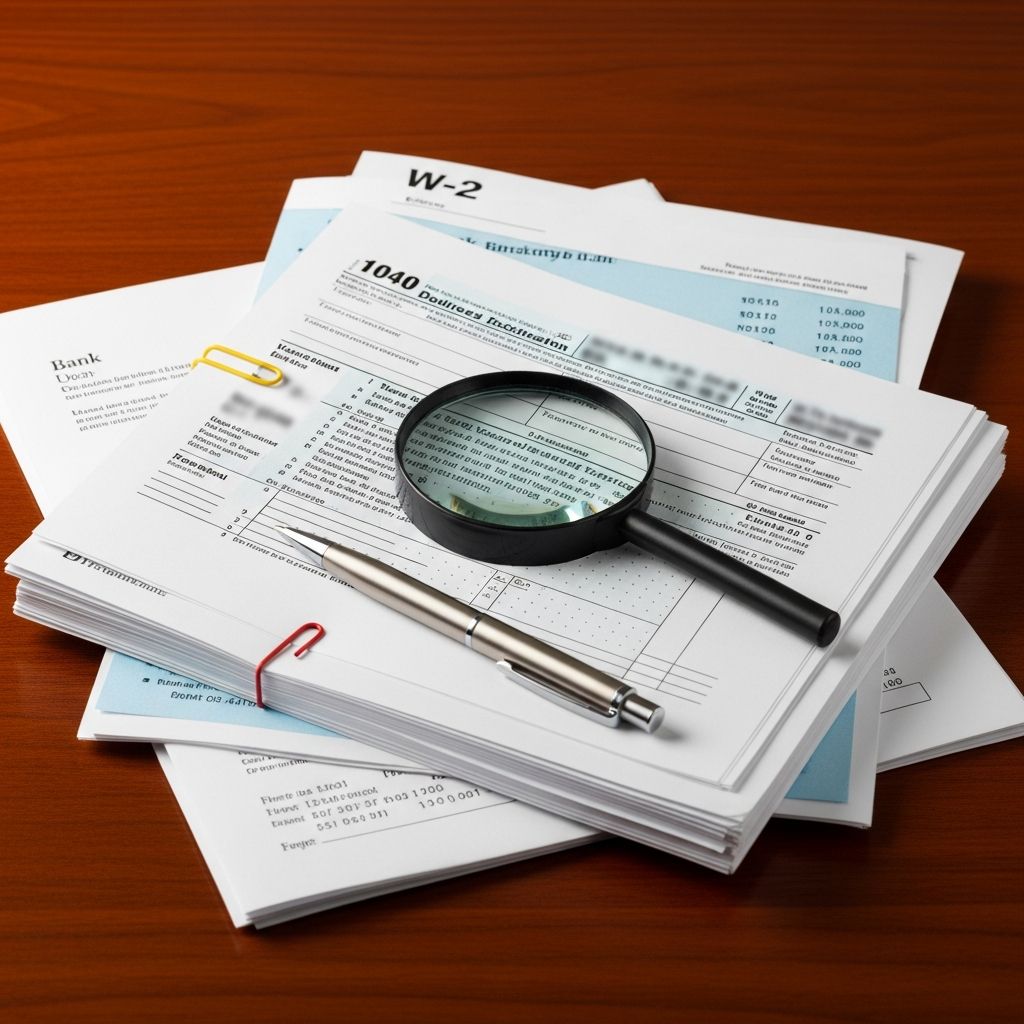
Understanding Tax Documentation in the Bankruptcy Process
When you file for bankruptcy protection, your financial obligations extend beyond simply stopping creditor calls and restructuring debt. The bankruptcy system requires comprehensive disclosure of your financial situation, which includes mandatory tax documentation. These requirements serve multiple purposes: they allow the appointed trustee to assess your financial standing, verify income sources, evaluate potential assets for distribution to creditors, and ensure compliance with federal tax obligations. Understanding what documents you must provide and when you must provide them is essential to maintaining good standing in your bankruptcy case and avoiding potential dismissal or conversion of your filing.
The Dual Tax Filing Requirement in Bankruptcy
One of the most misunderstood aspects of bankruptcy taxation involves the requirement to file two separate tax returns during the bankruptcy period. This applies to most debtors regardless of whether you file under Chapter 7 or Chapter 11 protection. The first return is your individual income tax return, which you file as you normally would with the Internal Revenue Service. The second is a fiduciary tax return for the bankruptcy estate itself, filed on Form 1041. This distinction exists because bankruptcy law treats the estate created by your filing as a separate taxable entity distinct from your personal tax obligations.
For Chapter 7 debtors, the trustee appointed to your case assumes responsibility for filing the Form 1041 on behalf of the bankruptcy estate. You maintain your obligation to file your personal Form 1040 return in the standard manner. This separation ensures that any income generated by the bankruptcy estate during the proceeding is properly reported and any taxes owed are satisfied from estate assets before distribution to creditors.
Chapter 11 debtors operating under the reorganization process typically remain in control of their assets and often serve as their own trustee. In these situations, the debtor who acts as trustee must file both the personal 1040 return and the estate Form 1041. Failure to file both returns can result in serious consequences, including dismissal of the bankruptcy case or conversion to a Chapter 7 liquidation.
Pre-Meeting Documentation Requirements
Federal bankruptcy rules establish specific timelines and document requirements that apply before your first official proceeding. The most critical deadline involves submission of materials before the Section 341 meeting of creditors, also called the creditors’ meeting or 341 hearing. This mandatory meeting typically occurs 21 to 40 days after you file your bankruptcy petition.
At least seven days before this meeting, you must provide the trustee with copies of specific tax-related documents. These required materials, often referred to as “521 documents” in reference to the applicable bankruptcy code section, form the foundation of the trustee’s initial financial review of your case.
Core Tax Documents Required Before the Meeting
- A complete copy of your most recent federal income tax return, including all attachments, schedules, and supporting documentation
- A tax transcript of that return obtained directly from the IRS, which provides an official verification of the return information
- A written statement from you confirming that these documents either do not exist or are not in your possession, if applicable
The requirement applies to the most recent tax year that ended before you filed your bankruptcy petition and for which you actually filed a return. For example, if you filed for bankruptcy in March 2025, you would need to provide your 2024 tax return and transcript, as that would be the most recent completed tax year.
Extended Financial Documentation Beyond Tax Returns
While tax returns represent the primary documentation requirement, bankruptcy trustees typically request additional financial records to gain a complete picture of your financial situation. These supplementary documents help the trustee verify the information you disclosed in your bankruptcy petition and schedules.
Most trustees request at least six months of recent bank statements covering multiple depository accounts, including checking, savings, money market, and investment accounts. This documentation helps verify current income levels and identify any financial transfers or unusual transactions that occurred before filing. Recent paycheck stubs, typically covering the past two months, serve as contemporaneous proof of current income sources.
For Chapter 13 reorganization cases, trustees often request four years of prior tax returns rather than just the most recent year. This extended history allows the trustee to analyze income trends over time and determine an appropriate repayment plan amount. Chapter 7 liquidation cases typically require two to three years of returns for similar analytical purposes.
Additional Documents Trustees Commonly Request
- Monthly mortgage or rental payment statements showing current balances and account status
- Recent statements from all investment accounts, retirement accounts, and brokerage accounts
- Proof of property valuations and, in some cases, photographs documenting asset condition
- Vehicle registration documents and proof of current liability insurance
- Marital settlement agreements or divorce decrees if applicable to your financial situation
- Documentation of claimed monthly expenses if required under specific bankruptcy code provisions
- Evidence of all debt obligations and current payment arrangements
Creditor Access to Your Tax Documentation
Your bankruptcy filing creates an automatic stay that temporarily halts most creditor collection activities, but creditors retain certain rights to information about your financial condition. Within the bankruptcy process, creditors can request copies of the tax documentation you provide to the trustee.
However, this creditor right comes with important restrictions. Creditors must request these documents at least fourteen days before the first date set for the Section 341 meeting of creditors. Upon receiving such a request, you have seven days before the meeting to provide the creditor with the same tax documents and financial materials that you provide to the trustee. This timeline ensures creditors receive information while still giving you adequate notice of their request.
Consequences of Non-Compliance with Documentation Requirements
The bankruptcy system takes documentation requirements seriously because trustee oversight depends on accurate financial information. Failure to provide required tax documents and other financial materials can trigger serious consequences for your case.
The Bankruptcy Code explicitly requires that you file an individual tax return or request an extension. If you fail to do either, the bankruptcy court has authority to convert your case from one chapter to another or to dismiss your case entirely. Case dismissal is particularly problematic because it terminates the automatic stay protecting you from creditor collection actions, leaving you vulnerable to lawsuits, wage garnishment, and other collection efforts.
Beyond formal dismissal or conversion, failure to provide documentation demonstrates a lack of transparency and cooperation with the trustee. Many trustees exercise discretion in determining case priorities, and debtors who provide complete documentation promptly often receive favorable treatment, including earlier scheduling of their Section 341 meeting. Conversely, those who fail to comply or provide incomplete information may face delays, additional trustee inquiries, or heightened scrutiny of their financial disclosures.
Verification and Accuracy Requirements
The documents you provide must be verified or contain an unsworn declaration attesting to their accuracy. This verification requirement applies particularly to written statements you provide indicating that documents do not exist or are not in your possession. By including such verification, you attest under penalty of perjury that your statements regarding document availability are truthful and complete.
The trustee will compare the information contained in your tax returns and supporting financial documents against the disclosures you made in your bankruptcy petition and schedules. Any significant discrepancies between what you reported in your petition and what appears in your tax documentation can raise red flags, potentially triggering additional inquiries or investigation by the trustee.
The Trustee’s Role in Estate Tax Filing
Beyond receiving and reviewing your personal tax documentation, the bankruptcy trustee assumes specific responsibilities regarding tax filing for the bankruptcy estate. For Chapter 7 cases, the trustee must file Form 1041 for any bankruptcy estate income. For Chapter 11 cases where the debtor acts as trustee, the debtor must ensure both individual and estate returns are filed.
The trustee’s filing of the Form 1041 establishes the bankruptcy estate as a separate taxpayer for federal income tax purposes. Any income generated during the bankruptcy proceeding—from employment, investments, property sales, or other sources—must be reported on the estate return. Tax liability incurred by the estate is paid from estate assets before any remaining funds are distributed to creditors according to the bankruptcy plan or Chapter 7 distribution rules.
Timeline Comparison: Different Bankruptcy Chapters
| Bankruptcy Chapter | Debtor Filing Responsibility | Trustee Filing Responsibility | Tax Returns Required |
|---|---|---|---|
| Chapter 7 Liquidation | File personal Form 1040 normally | File Form 1041 for bankruptcy estate | Personal return required; 2-3 years typically requested |
| Chapter 11 Reorganization | File both personal 1040 and estate 1041 | May be debtor in possession | Personal return required; previous year returns requested |
| Chapter 13 Reorganization | File personal Form 1040 normally | May file estate 1041 if applicable | Personal return required; 4 years typically requested |
Practical Considerations for Document Submission
Working with a bankruptcy attorney can streamline the documentation process. Many bankruptcy lawyers provide all necessary documentation to verify your petition as part of their standard practice. Attorneys often collect documents from clients well in advance of the filing date, allowing them to identify missing materials and request them from clients before the petition is filed. This proactive approach prevents last-minute scrambling and delays.
Early submission of complete documentation reflects positively on your case and demonstrates transparency and cooperation with the trustee. Some trustees, recognizing this cooperation, will schedule cases higher on their meeting calendars, potentially allowing you to move through the bankruptcy process more quickly. In contrast, debtors who fail to provide documents or provide incomplete submissions may face repeated requests for information and case delays.
When gathering documents, maintain organized records and ensure that all copies are legible and complete. Missing pages from tax returns or incomplete financial statements can require resubmission, causing unnecessary delays. If obtaining originals is impossible, obtain official transcripts from relevant institutions—the IRS for tax returns, banks for account statements, and lenders for loan documentation.
Ongoing Tax Obligations During Bankruptcy
The bankruptcy filing does not relieve you of ongoing federal or state tax obligations. You must continue filing required tax returns during the bankruptcy proceedings, just as you would outside of bankruptcy. Your personal income tax return filing obligation continues annually regardless of whether your case involves a liquidation or reorganization plan.
State tax authorities maintain similar requirements. In jurisdictions with state income taxes, you must file state returns in accordance with applicable state law. The bankruptcy trustee may also have obligations regarding state tax filings for the bankruptcy estate, depending on state law and the nature of estate income.
Frequently Asked Questions
Q: What if I cannot locate my previous year’s tax return?
A: If you cannot locate your original return, you can request a tax transcript from the IRS, which serves as an official record of your filing. You may also provide a written statement under penalty of perjury stating that the return is not in your possession. The IRS can typically provide transcripts within 5-10 business days.
Q: Can the trustee request tax returns beyond the most recent year?
A: Yes. While the bankruptcy rules require submission of only the most recent return, trustees routinely request additional years of tax returns. Chapter 7 trustees typically request 2-3 years, while Chapter 13 trustees commonly request 4 years to analyze income trends for establishing repayment plans.
Q: What happens if I file for bankruptcy mid-year?
A: You must still file a personal tax return for the year in which you filed bankruptcy. The trustee must also file a Form 1041 for the bankruptcy estate covering the period from filing through year-end, reporting any estate income earned during that period.
Q: Do I need to provide documents if I’m self-employed or own a business?
A: Yes. Self-employed individuals must provide personal tax returns, business tax returns (Schedule C or corporate returns), and documentation of business income and expenses. Business entities remain subject to tax filing requirements even during bankruptcy proceedings.
Q: What if I disagree with the trustee’s assessment of my finances based on the documents provided?
A: You have the right to dispute the trustee’s findings or request clarification. Your bankruptcy attorney can address discrepancies and provide additional documentation if the trustee’s assessment appears inaccurate based on your actual financial circumstances.
References
- Federal Rules of Bankruptcy Procedure, Rule 4002: Debtor’s Duties — United States Courts. 2024. https://www.law.cornell.edu/rules/frbp/rule_4002
- Filing Taxes After Filing for Bankruptcy — TurboTax. 2024. https://turbotax.intuit.com/tax-tips/debt/filing-taxes-after-filing-for-bankruptcy/
- Frequently Asked Questions (FAQs) For Trustees — U.S. Department of Justice, Executive Office for United States Trustees. 2006. https://www.justice.gov/ust/frequently-asked-questions-faqs-trustees
- IRS Tips for Bankruptcy Trustees — Internal Revenue Service. 2024. https://www.irs.gov/businesses/small-businesses-self-employed/irs-tips-for-bankruptcy-trustees
- After You File for Bankruptcy: Tax Return Filing Requirements — California Franchise Tax Board. 2024. https://www.ftb.ca.gov/pay/if-you-cant-pay/bankruptcy/after-you-file-for-bankruptcy.html
- Documents Needed For The Meeting of Creditors — The Bankruptcy Site. 2024. https://www.thebankruptcysite.org/documents-bring-your-meeting-creditors.html
- Instructions for Form 56: Notice Concerning Fiduciary Relationship — Internal Revenue Service. 2024. https://www.irs.gov/instructions/i56
Similar Articles








Read full bio of Sneha Tete




