
Student Loan Default: Risks and Recovery Paths
Understand the severe impacts of defaulting on student loans and discover practical steps to regain financial stability and avoid long-term damage.
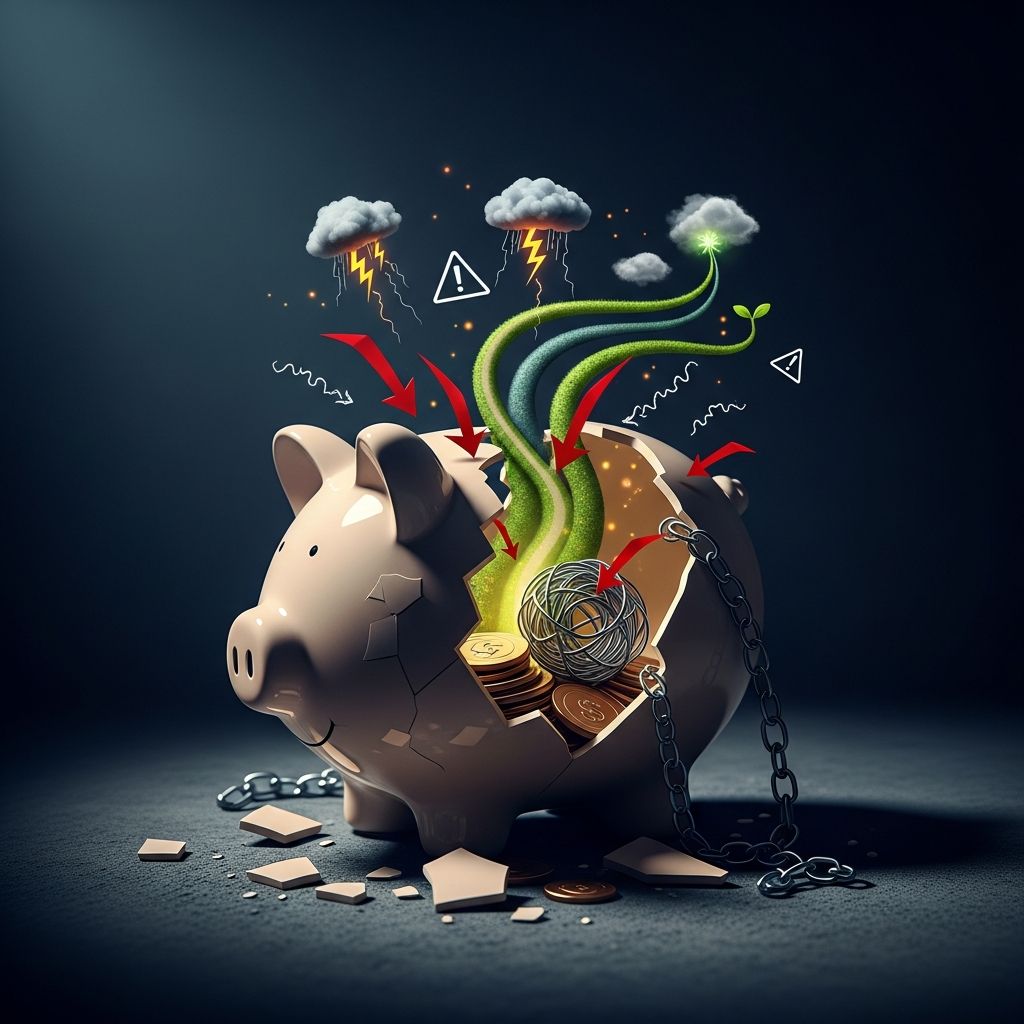
Defaulting on federal student loans can unleash a cascade of financial penalties that disrupt lives for years. Unlike many debts, these loans carry unique enforcement powers, allowing the government to pursue repayment without court approval. This article breaks down the timeline to default, immediate repercussions, long-term fallout, and actionable recovery strategies to help borrowers navigate this crisis.
Defining Delinquency and the Path to Default
Federal student loans enter delinquency the first day after a missed payment. Servicers must follow “due diligence” protocols, attempting repeated contact to encourage repayment. For most loans, default occurs after 270 days (about nine months) of non-payment, though some programs extend this to 360 days.
During delinquency, interest accrues, and late fees add up. Borrowers receive notices outlining options like income-driven plans or deferment. Ignoring these escalates to default, where the full balance plus interest becomes immediately due—a process called acceleration.
- Delinquency starts: Day 1 post-due date.
- Reporting to credit bureaus: After 90 days, damaging scores by 50-90 points on average.
- Default threshold: 270-360 days without payment or approved pause.
Immediate Financial Penalties of Default
Once in default, borrowers face aggressive collection tactics. Loans may transfer to agencies, incurring costs up to 25% of principal and interest. The entire balance accelerates, demanding instant full repayment.
| Penalty Type | Description | Potential Impact |
|---|---|---|
| Collection Fees | Up to 25% of balance added by agencies or Department of Education. | Increases debt by thousands; interest continues accruing. |
| Acceleration | Full loan plus interest due immediately. | No partial payments accepted without resolution. |
| Lawyer/Court Costs | Borrower liable if sued for repayment. | Additional hundreds or thousands in fees. |
These fees compound quickly, turning a manageable debt into an overwhelming burden. Collection agencies pursue aggressively, often adding their own charges.
Credit Damage: A Seven-Year Shadow
Default reports to all major credit bureaus, marking one of the worst notations alongside foreclosures. It remains for up to seven years from resolution, severely limiting access to credit.
Credit scores plummet, with research showing 50-90 point drops pre-default, worsening during collections. This affects not just loans but everyday needs:
- Higher interest on mortgages, auto loans, or cards.
- Denials for rentals, utilities, or insurance due to checks.
- Difficulty securing employment requiring credit reviews.
Recovery is gradual; scores improve post-resolution but linger, hiking costs for years.
Involuntary Collection Methods: No Escape
Federal authority enables collections without lawsuits. Wage garnishment seizes up to 15% of disposable income automatically. Treasury offsets intercept tax refunds, Social Security, or other federal payments.
Before offsets, borrowers get notice, but garnishment skips court orders. These hit family security hard, claiming child tax credits or retirement funds.
Key Fact: Garnishment and offsets persist until resolution, even alongside voluntary payments.
Loss of Benefits and Opportunities
Default blocks federal aid eligibility, deferments, forbearances, and income-driven plans. Returning to school? No more aid until six on-time payments or full repayment.
Professional repercussions include license suspension for doctors, teachers, or drivers in some states. Military or federal workers risk clearances and promotions. Transcripts withholdings block career verification.
Private Loans: Similar but Harsher Stings
While federal loans dominate discussions, private defaults add lawsuits and potential bankruptcy discharge (rare for federal). Credit damage mirrors federal, but collections vary by lender—often swifter lawsuits without garnishment powers.
Preventing Default: Proactive Steps
Avoid the cliff by acting early. Contact servicers for:
- Income-Driven Repayment (IDR): Caps payments at 10-20% of discretionary income; forgiveness after 20-25 years.
- Deferment/Forbearance: Pauses payments for hardship or enrollment.
- Public Service Loan Forgiveness (PSLF): Erases balance after 120 qualifying payments.
Check StudentAid.gov for tools; servicers must explore options before default.
Recovery Roadmap: Rehabilitation and Consolidation
Default isn’t permanent. Primary fixes:
Loan Rehabilitation
Make nine affordable, on-time payments (based on income) to exit default. Benefits: Removes default from credit, restores aid eligibility, stops collections.
- Contact servicer for plan.
- Average payment: 15% of disposable income.
- One-time $50 payment option for some.
Loan Consolidation
Combine defaults into a new Direct Consolidation Loan after six on-time payments (or agreed amount). Retains some collection holds until full rehab.
| Method | Payments Needed | Credit Impact | Collections Stop? |
|---|---|---|---|
| Rehabilitation | 9 affordable | Default removed | Yes |
| Consolidation | 6 on-time | Default noted as “paid” | Partial |
Discharge Options for Extreme Cases
Rare relief via total/permanent disability, death, or school misconduct/closure. Bankruptcy discharges federal loans minimally; prove “undue hardship.”
Real-World Impacts: Stories and Stats
Millions grapple yearly; defaults trap families in poverty cycles via offsets seizing tax credits. Pew notes credit drops hinder homeownership aid. Proactive rehab succeeds for many, restoring stability.
Frequently Asked Questions
How long before federal student loans default?
Typically 270 days (9 months) without payment or approved pause.
Can they garnish wages without a court order?
Yes, up to 15% of disposable income for federal loans.
Does default affect professional licenses?
Yes, in some states for occupations like teaching or driving.
How to remove default from my credit report?
Rehabilitate with nine payments or consolidate after six.
Can I get more federal aid after default?
Not until rehab, consolidation, or six on-time payments.
What if I’m on Social Security?
Offsets can withhold up to 15% without consent.
Default demands swift action. Use official tools at StudentAid.gov to explore relief and rebuild.
References
- Consequences of default — Des Moines University. Accessed 2026. https://www.dmu.edu/financial-aid/entrance-interview/consequences-of-default/
- Default on Student Loans — FinAid.org. Accessed 2026. https://finaid.org/loans/default/
- Student Loan Default Has Serious Financial Consequences — Pew Research Center. 2020-04-01. https://www.pew.org/en/research-and-analysis/fact-sheets/2020/04/student-loan-default-has-serious-financial-consequences
- What happens if I default on a federal student loan? — Consumer Financial Protection Bureau. Accessed 2026. https://www.consumerfinance.gov/ask-cfpb/what-happens-if-i-default-on-a-federal-student-loan-en-663/
- Consequences of Default and Actions to Take — University of Colorado Colorado Springs. Accessed 2026. https://finaid.uccs.edu/types-of-aid/educational-loans/default15
- Student Loan Default and Collections: FAQs — Federal Student Aid. Accessed 2026. https://studentaid.gov/articles/default/
- Student Loan Delinquency and Default — Federal Student Aid. Accessed 2026. https://studentaid.gov/manage-loans/default
Similar Articles








Read full bio of medha deb




