
Spotting Mail Fraud Before It Costs You Money
Learn the major warning signs of fraudulent mail and how to protect your money, identity, and peace of mind from postal scammers.
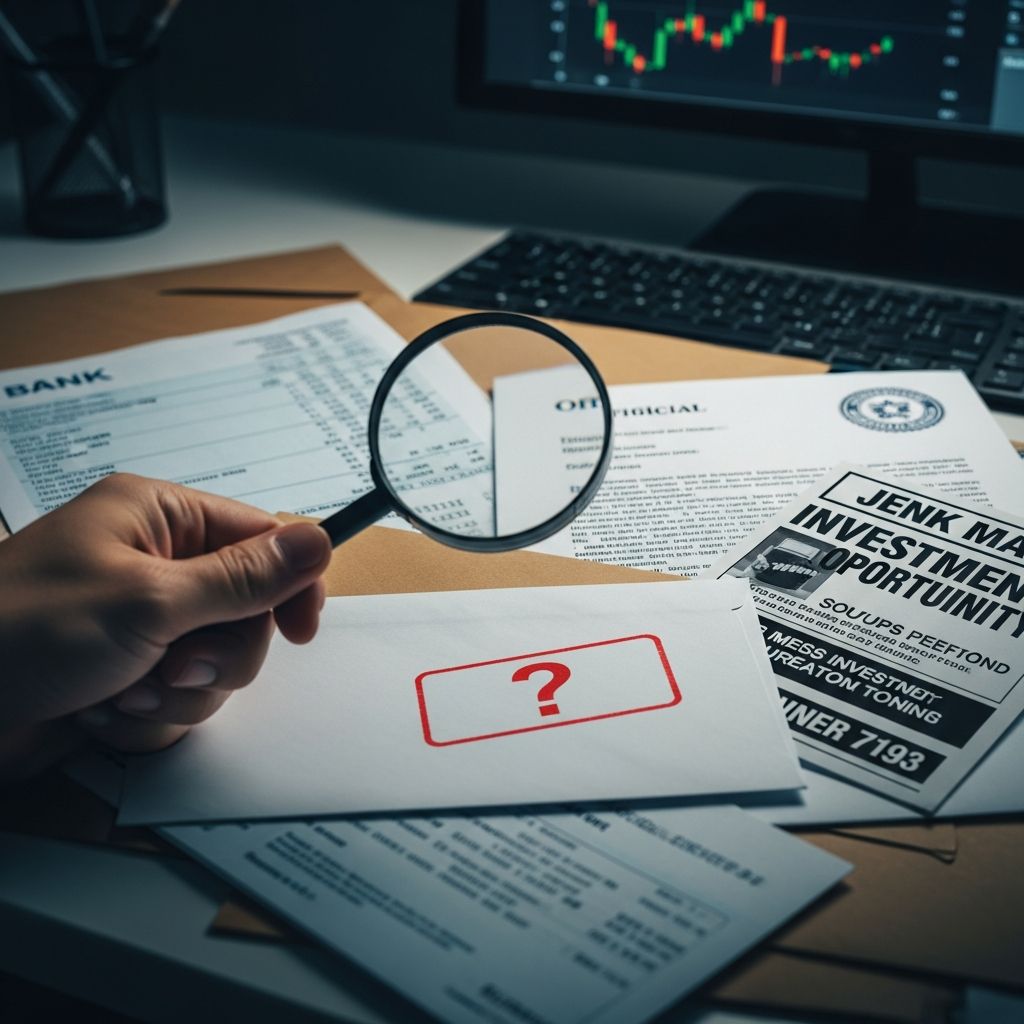
Mail remains a powerful way for scammers to reach people at home. A single convincing letter can trick someone into sending cash, sharing bank details, or giving up sensitive personal information. Recognizing the warning signs of mail fraud early can help you avoid losing money, protect your identity, and support enforcement against scammers.
What Is Mail Fraud?
Mail fraud generally refers to any scheme to deceive people that uses a postal system, such as the U.S. Mail, to send or receive communications, money, or valuables.1 In the United States, federal law prohibits using the mail in any plan to obtain money or property through false or fraudulent representations.1
Scammers often rely on letters because:
- Printed mail can look official and trustworthy.
- Some people are more likely to respond to a physical letter than an email.
- Older adults or people without regular internet access may be especially vulnerable.
Typical Mail Fraud Red Flags
While scam tactics change over time, many fraudulent letters share common warning signs. If you see one or more of these, slow down and verify the offer or message using a trusted source.
1. Requests for Money or Sensitive Information Upfront
A core red flag is any letter that tells you to pay now or share private details in order to receive something later.
- Demands for upfront payments to claim a prize, inheritance, or loan offer.
- Instructions to send cash, gift cards, wire transfers, or cryptocurrency.
- Requests for Social Security numbers, full bank account details, or credit card numbers.
Legitimate sweepstakes, lotteries, government agencies, and most reputable businesses do not require payment or highly sensitive information just to claim basic benefits or prizes.23
2. “Too Good to Be True” Offers
Scam letters frequently promise rewards that are far out of proportion to anything you have done:
- Huge cash prizes from contests you do not remember entering.
- Luxury vacations or cars for a small “processing” or “shipping” fee.
- Guaranteed investment returns with no risk.
These offers play on excitement and greed. If the deal sounds unrealistically generous, treat it with strong suspicion.
3. High-Pressure Language and Urgent Deadlines
Scammers know that thoughtful people are less likely to fall for fraud. To stop you from thinking clearly, they use urgency and threats.34
- “You must respond within 24 hours or lose this opportunity.”
- “Final notice” or “Last chance” stamped across the top.
- Warnings that your account, benefits, or services will be closed unless you act immediately.
Legitimate organizations may send reminders, but they rarely combine extreme pressure, vague threats, and demands for sensitive information in one letter.
4. Vague Sender Information or Fake Official Appearance
Many fraudulent letters try to look official without clearly identifying who is behind them.
- No clear company name or registration details.
- Return address that does not match the claimed organization.
- Logos or seals designed to resemble government agencies or large banks, but with altered names.
Visual design alone is not proof of legitimacy. Scammers often copy styles, seals, and formatting from real institutions to appear authentic.5
5. Personal Appeals from Strangers
Another common fraud pattern uses emotional stories from individuals you do not know, such as:
- Letters asking for donations for medical emergencies without verifiable details.
- Appeals from supposed relatives you have never met, asking for immediate financial help.
- Messages from self-described psychics, healers, or spiritual figures promising to change your fortune if you pay a fee.
Legitimate charities and support requests typically provide clear contact information and ways to verify their status through independent sources.
Common Types of Risky Mail
Fraudsters use many storylines in their letters. Below is a comparison of some frequent patterns you might see.
| Type of Letter | Typical Promise | What the Scammer Wants | Key Warning Signs |
|---|---|---|---|
| Prize or Sweepstakes Notice | You have won cash, a car, or a vacation | Upfront fees or bank details to “process” your winnings | Fees to claim a prize, unfamiliar contest, vague sponsor |
| Charity or Personal Appeal | Your donation will help someone in urgent need | Donations, often requested as cash or gift cards | No clear charity registration, no way to verify the story |
| Psychic or Spiritual Offer | Special powers will bring money, love, or health | Payment for predictions, rituals, or “protection” | Guaranteed outcomes, repeated pressure to pay more |
| Government or Legal Threat | You owe money or face penalties or arrest | Immediate payment, often using unusual methods | Demands for gift cards, wire transfers, or secrecy |
| Financial or Investment Offer | High returns with low or no risk | Deposits or personal financial information | Guaranteed profits, pressure to act, no prospectus |
How to Review Suspicious Mail Safely
If a letter raises any doubts, follow a cautious process before taking action.
Step 1: Pause and Read Carefully
Do not let urgency or excitement override your judgment.
- Read the entire letter slowly, including fine print.
- Look for contradictions, vague wording, or unclear conditions.
- Keep an eye out for spelling errors, poor grammar, or awkward phrasing, which can be signs of scams.4
Step 2: Check the Sender Independently
Never rely solely on the phone numbers, websites, or email addresses listed in the letter.
- Search for the organization through a trusted search engine.
- Use official contact details listed on a government or company homepage, not those printed in the letter.
- Look for alerts or warnings about similar schemes from agencies such as the United States Postal Inspection Service (USPIS) or the Federal Trade Commission (FTC).35
Step 3: Discuss with Someone You Trust
Talking through the letter with another person can reveal problems you did not notice.
- Show the letter to a trusted family member, friend, or advisor.
- Ask whether they have seen similar mailings or know of related scams.
- Be especially cautious if the letter urges you to keep the offer secret.
Step 4: Research the Offer or Organization
Before sending money or personal details, do basic due diligence.
- Search the company or offer name along with terms like “complaint,” “scam,” or “fraud.”
- Check with consumer protection resources such as state attorneys general, the Better Business Bureau, or federal agencies when applicable.5
- Confirm whether a lottery or sweepstakes is real by visiting the official website directly.
Protecting Yourself and Others from Mail Fraud
Beyond spotting suspicious letters, you can take proactive measures to reduce your exposure and help others stay safe.
Limit the Information You Share
The less data scammers can access, the harder it is for them to target you effectively.
- Avoid entering sweepstakes or contests that ask for extensive personal information.
- Do not complete reply forms that request full Social Security numbers or full bank account details unless you are certain of the recipient.
- Shred documents that contain financial or identifying information before discarding them.
Control Unwanted Marketing Mail
Reducing the volume of unsolicited mail can make it easier to notice truly dangerous items.
- Consider opting out of certain marketing lists where available.
- Contact organizations you trust directly to ask how they use and share your mailing information.
- Be cautious when filling out warranty cards, surveys, and contest entries that might sell your contact details.
Help Older Relatives and Neighbors
Older adults may receive large volumes of promotional mail and can be heavily targeted by fraudsters.
- Offer to review unusual or high-risk mail with them regularly.
- Explain common fraud signs and encourage them to ask questions before sending money.
- Watch for changes in their spending, mail volume, or communication that could indicate exploitation.
How to Report Suspected Mail Fraud
Reporting suspicious mail helps investigators track patterns and shut down scams. In the United States, several agencies have roles in this process.
Contact the U.S. Postal Inspection Service
The U.S. Postal Inspection Service is the law enforcement arm of the Postal Service, responsible for investigating mail fraud and related crimes.56
- Preserve the letter, including the envelope and any inserts.
- Do not write on the materials, as they may be used as evidence.
- Report suspected mail fraud through the Postal Inspection Service’s website or by using contact details published by USPS.56
Notify the Federal Trade Commission
The Federal Trade Commission (FTC) collects reports on scams of all kinds, including those delivered by mail, phone, email, or text.3
- Submit a complaint using the FTC’s online reporting tools.
- Share as much detail as you can about the sender, the offer, and any money lost.
- Encourage others who received similar letters to file reports as well.
Alert Local and State Authorities When Appropriate
Some mail fraud schemes may overlap with state consumer protection or charity laws.
- Contact your state attorney general’s office if you believe a charity or business is operating deceptively.
- Inform local law enforcement if you feel threatened or if large sums have already been lost.
- Keep copies of all documents you provide, if safe to do so.
Realistic Scenarios to Watch For
The stories below illustrate how everyday letters can conceal fraudulent schemes.
Scenario A: The Surprise Sweepstakes
You receive a letter announcing that you have won a large cash prize in an international sweepstakes. The letter asks you to send a modest “processing fee” and your bank routing number so funds can be deposited.
Why this is risky:
- Legitimate sweepstakes do not require winners to pay money in order to receive their prizes.3
- The combination of fees and financial details suggests a plan to steal funds.
- The sweepstakes name does not appear on any official or reputable site.
Scenario B: The Charity with No History
A mailer describes a natural disaster and urges you to donate immediately to a relief fund using cash or gift cards, but provides limited details about the organization.
Why this is risky:
- Reputable charities usually provide registration numbers, websites, and multiple contact methods.
- Gift cards and cash are difficult to trace and easy to misuse.
- Online searches reveal no independent information about the charity’s activities.
Scenario C: The Threatening Government Lookalike
You receive a letter stamped with an official-looking emblem that claims you owe overdue fees to a government agency. It warns that failure to pay immediately will result in legal action, and instructs you to call a phone number printed at the bottom.
Why this is risky:
- The phone number does not match any contact details listed on the official government website.
- The letter demands payment methods that real agencies do not use, such as gift cards.
- Language is overly aggressive and vague about what law you supposedly violated.
Frequently Asked Questions (FAQs)
Q: Is every suspicious letter considered mail fraud?
Not necessarily. Some mail may be misleading, poorly designed, or aggressive marketing without crossing the legal line into fraud. However, if a letter involves clear misrepresentation and uses the mail as part of a scheme to obtain money or property, it may qualify as mail fraud under federal law.15
Q: Should I call the phone number listed in a questionable letter?
Do not rely on contact details printed in a suspicious mailing. Instead, look up the organization or agency independently using a trusted source, such as an official .gov or company website, and call those official numbers.
Q: What if I already sent money or information?
If you have paid or shared sensitive data, act quickly. Contact your bank or credit card issuer to report potential fraud, consider placing alerts or freezes with credit bureaus if identity theft is possible, and report the incident to the U.S. Postal Inspection Service and the FTC so it can be documented and investigated.35
Q: How can I help someone who is regularly targeted by scam mail?
Offer to help them screen their mail, explain common fraud tactics, and encourage them to check with you or another trusted person before responding to offers. If you suspect financial exploitation of an older adult, local adult protective services or similar agencies may be able to provide guidance.
Q: Is it safe to throw suspicious mail in the trash?
If the letter contains personal information, it is safer to shred it first. If you plan to report it to authorities, keep the letter and envelope intact until you receive instructions from investigators.
References
- Mail Fraud — United States Postal Inspection Service. 2024-03-01. https://www.uspis.gov/tips-prevention/mail-fraud
- Mail Fraud — United States Postal Service (USPS) FAQ. 2023-11-15. https://faq.usps.com/s/article/Mail-Fraud
- How To Recognize and Avoid Phishing Scams — Federal Trade Commission (FTC). 2023-09-01. https://consumer.ftc.gov/articles/how-recognize-avoid-phishing-scams
- Protect yourself from phishing — Microsoft Support. 2024-05-10. https://support.microsoft.com/en-us/windows/protect-yourself-from-phishing-0c7ea947-ba98-3bd9-7184-430e1f860a44
- Mail Fraud – Definition & Prevention Tips — United States Postal Inspection Service. 2024-02-20. https://www.uspis.gov/tips-prevention/mail-fraud
Similar Articles








Read full bio of medha deb




