
Settling Car Accidents Without Insurance Coverage
Navigate the complexities of resolving car crash claims when insurance is absent, balancing risks and rewards effectively.
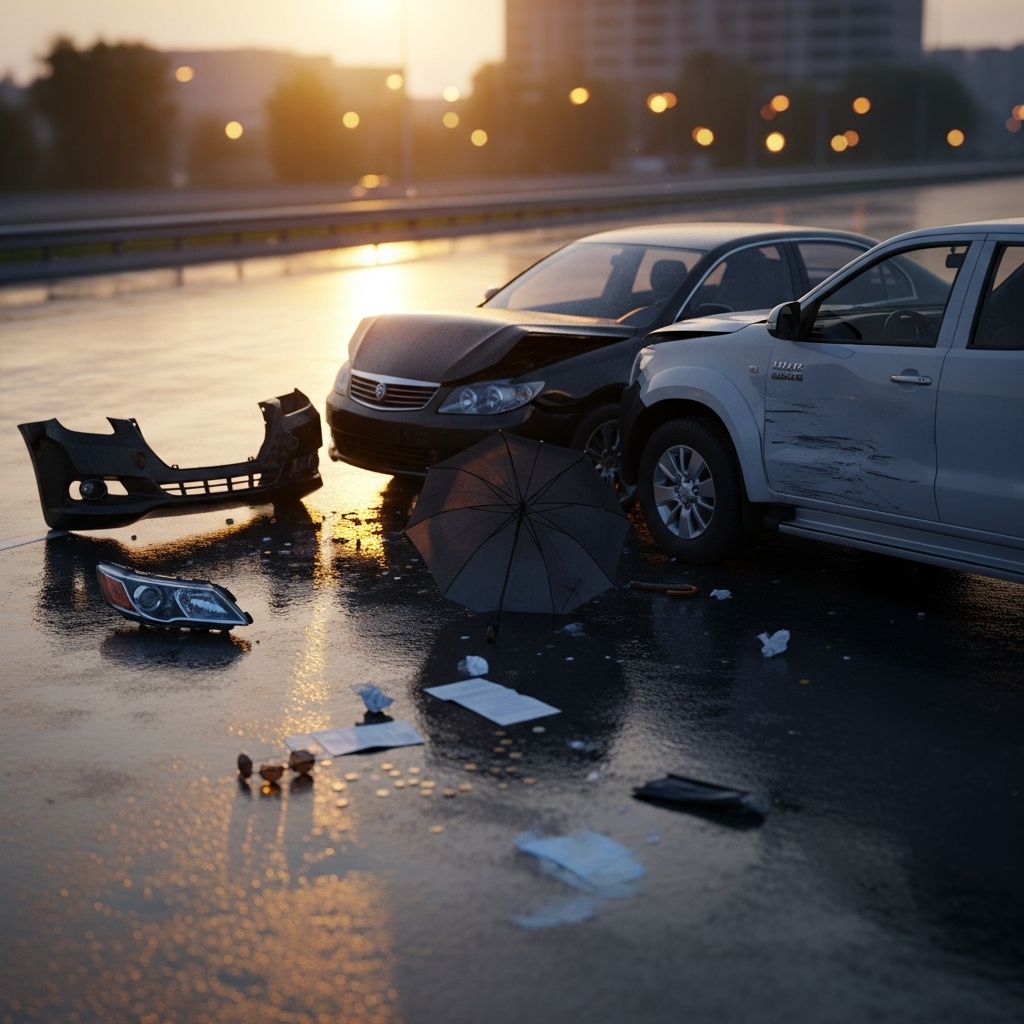
Resolving a vehicle collision without active insurance policies demands careful planning and awareness of potential pitfalls. Drivers often face this scenario in minor incidents where both parties prefer avoiding insurer involvement to prevent premium hikes. This guide outlines essential strategies, documentation needs, negotiation tactics, and state-specific rules to achieve equitable outcomes while minimizing future liabilities.
Understanding Uninsured Accident Scenarios
Car accidents involving no insurance occur frequently, especially in low-impact crashes like parking lot bumps or fender-benders. In these cases, parties may opt for direct agreements to cover repairs or minor medical costs. However, without insurance, personal assets become vulnerable if disputes escalate to lawsuits. State minimum coverage laws vary; for instance, many require liability insurance, making driving uninsured illegal and subject to fines or license suspension.
Key factors influencing feasibility include damage extent, injury presence, and fault determination. Minor property damage settlements succeed more often than those with bodily harm, where ongoing medical needs complicate final tallies. Always prioritize safety by moving vehicles safely and checking for injuries before discussing resolutions.
Immediate Post-Accident Actions
Right after impact, secure the scene to prevent further hazards. Exchange essential details: names, phone numbers, vehicle info, and license plates. Avoid admitting fault verbally, as statements can be used against you later.
- Photograph vehicle damage, road conditions, and positions from multiple angles.
- Obtain witness contacts if available.
- Call police if damage exceeds state thresholds (often $500-$1,000) or injuries occur, ensuring an official report.
A police report provides neutral documentation of events, fault indicators, and participant details, proving invaluable in disputes. Even if not mandatory, it protects against he-said-she-said scenarios.
Evaluating Damage and Costs
Thoroughly assess all losses before negotiating. Property damage includes vehicle repairs, towing, and rentals. Bodily injuries encompass medical visits, therapies, prescriptions, and lost income.
| Damage Type | Examples | Estimation Tips |
|---|---|---|
| Vehicle Repairs | Dents, scratches, mechanical fixes | Get 2-3 shop quotes for accurate pricing |
| Medical Expenses | ER visits, chiropractic care, meds | Track bills and future needs projections |
| Other Losses | Lost wages, pain/discomfort | Document work absences, calculate daily rates |
Multiple repair estimates prevent overpayment disputes and reveal hidden issues like frame damage. For injuries, seek professional evaluations to quantify non-economic damages like suffering.
Negotiation Strategies for Direct Settlements
Once damages are quantified, propose a fair amount backed by evidence. Present repair quotes and bills clearly. Draft a written agreement specifying payment terms, release of claims, and signatures from all parties. Notarization adds enforceability.
Use traceable payments like checks or bank transfers over cash to maintain records. Sample agreement elements:
- Incident date, location, and description.
- Fault admission if applicable.
- Total settlement figure and payment schedule.
- Mutual release waiving future claims.
If the other party resists, consider small claims court for amounts under jurisdictional limits (typically $5,000-$10,000). Judges favor well-documented cases.
Pros and Cons of Bypassing Insurance
Opting out of insurance claims offers advantages but carries risks. Weigh these carefully:
| Benefits | Risks |
|---|---|
| Avoids premium increases | Future injuries uncovered |
| Quicker resolutions | No professional liability protection |
| Choice of repair shops | Lawsuit exposure for at-fault party |
| Simpler paperwork | Enforcement challenges |
Benefits shine in no-injury, low-damage cases. Risks amplify with at-fault status or severe impacts, potentially leading to unpaid judgments. Policyholders should review contracts, as many mandate reporting accidents regardless.
Legal Implications and State Variations
Driving uninsured violates laws in nearly all states, with penalties including fines up to $1,000+, jail time, and SR-22 requirements. Settlements don’t erase these if discovered. No-fault states complicate claims, prioritizing personal injury protection over fault.
In at-fault systems, the responsible driver pays directly. Uninsured victims may tap personal funds or sue, but collection proves difficult without assets. Consult state DMV sites for reporting rules; some mandate owner reports within 10 days.
Role of Legal Professionals
Self-representation suits minor cases, but attorneys excel in complexities. They draft ironclad agreements, negotiate firmly, and litigate if needed. Contingency fees (33-40% of recovery) align incentives without upfront costs.
Signs warranting a lawyer: disputed fault, serious injuries, uncooperative parties, or high damages. Free consultations assess viability.
When Insurance Becomes Necessary
Despite no-insurance preferences, involve carriers if injuries emerge later or damages exceed $2,000. Uninsured motorist coverage (if you have it) protects against hit-and-runs or insolvent drivers. Filing claims under deductibles often nets zero payout but builds records.
Insurance handles investigations, subrogation, and defenses, reducing personal exposure. Delaying reports risks policy denial.
Common Pitfalls to Avoid
- Undervaluing claims by ignoring future costs.
- Verbal-only deals lacking proof.
- Releasing claims prematurely before full recovery.
- Ignoring liens from medical providers.
- Failing to preserve evidence like photos and receipts.
Patience yields better results; rushed settlements regret later.
Frequently Asked Questions
Is settling privately after a car accident legal?
Yes, no federal or state law mandates insurance notification for minor accidents, though policies may require it. Risks remain if disputes arise.
What if injuries appear days later?
Direct settlements bind parties; future claims become impossible. Seek medical checks immediately and avoid signing until stable.
Can I sue if the other driver refuses to pay?
Absolutely, via small claims for modest amounts or civil court for larger. Strong evidence ensures success.
Does no police report invalidate settlements?
No, but it weakens enforceability. Reports provide official fault and details.
Should I get a lawyer for small damages?
Not always; handle under $5,000 yourself with documentation. Escalate for complexities.
Protecting Yourself Long-Term
Maintain minimum liability coverage to avoid personal liability. Build emergency funds for deductibles. Regularly review policies for uninsured motorist add-ons. Defensive driving courses reduce accident odds.
For victims of uninsured at-fault drivers, explore state funds compensating innocents. Document diligently always; proof wins cases.
References
- Steps in the Colorado Car Accident Claims Process — Cannon Law. 2023. https://www.cannonlaw.com/steps-in-the-colorado-car-accident-claims-process/
- How to settle a car accident without insurance — Insurance.com. 2024-01-15. https://www.insurance.com/auto-insurance/claims/handling-an-accident-on-your-own.html
- How to Settle a Car Accident Claim Without a Lawyer — Mighty. 2024. https://www.mighty.com/blog/how-to-settle-a-car-accident-claim-without-a-lawyer
- How to File Personal Injury Claim Without a Lawyer? — Kitchel Law. 2023-05-20. https://www.kitchellaw.com/faqs/how-to-file-personal-injury-claim-without-a-lawyer/
- How Does the Car Accident Settlement Process Work? — David Gordon Law. 2024. https://www.davidgordonlaw.com/blog/how-does-the-car-accident-settlement-process-work/
Similar Articles








Read full bio of Sneha Tete




