
Collateral and Discharge: Managing Secured Obligations in Chapter 7
Navigate secured debt options in Chapter 7 bankruptcy: reaffirmation, redemption, and surrender strategies.
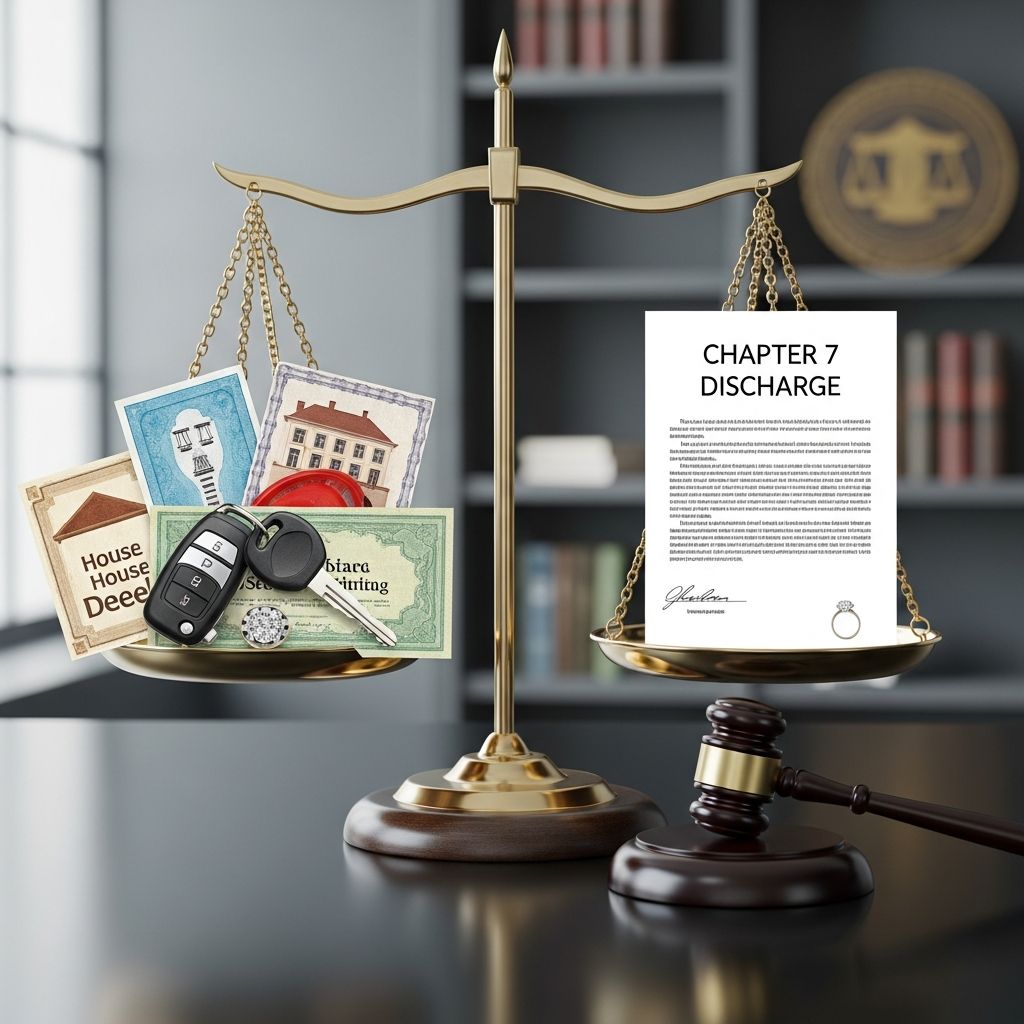
Understanding the Dual Nature of Secured Obligations
When you borrow money through a secured loan, you enter into an agreement that has two distinct legal components working in tandem. First is your personal liability, which represents your legal obligation to repay the borrowed funds. Second is the security interest held by the lender, also known as a lien, which grants the creditor the right to claim and sell specific property if you fail to meet your payment obligations.
This distinction becomes critically important when you file for Chapter 7 bankruptcy. Many debtors mistakenly believe that filing bankruptcy eliminates all aspects of a secured debt, but the reality is more nuanced. While the bankruptcy discharge eliminates your personal liability to repay the debt, it does not automatically eliminate the creditor’s security interest in the collateral property. Understanding this separation is fundamental to making informed decisions about which assets you can keep and which you may lose.
Common examples of secured debts include mortgages on residential properties, auto loans, boat financing, and any other loans where the lender holds a legal claim to tangible property as security. The property serving as collateral can range from real estate to personal possessions, and the creditor’s right to recover this property remains largely unaffected by your bankruptcy filing.
How Chapter 7 Bankruptcy Affects Your Secured Liabilities
Chapter 7 bankruptcy operates as a liquidation proceeding, meaning the bankruptcy trustee administers your estate, converts nonexempt assets into cash, and distributes the proceeds to creditors according to established priority rules. For secured debts specifically, the discharge you receive eliminates your personal obligation to repay the debt amount, preventing creditors from suing you to collect the money.
However, this discharge does not prevent the creditor from recovering their collateral. If you own a vehicle financed through a car loan and you cannot or choose not to continue making payments, the lender can repossess the vehicle even after your bankruptcy case concludes, provided you have not made alternative arrangements with the creditor. The same principle applies to mortgages: if you do not reaffirm your mortgage agreement or make other arrangements, the lender retains the right to foreclose on your home after bankruptcy, regardless of the discharge you received.
In situations where the property has declined in value and you owe more than it is worth, the discharge provides a valuable benefit. For example, if your home is worth $200,000 but you owe $250,000 on the mortgage, the creditor cannot pursue a deficiency judgment against you for the $50,000 difference after the home is sold in foreclosure. This protection is one of the most significant advantages of Chapter 7 bankruptcy for homeowners underwater on their mortgages.
The Statement of Intention: Declaring Your Plans for Collateral
As part of your Chapter 7 bankruptcy petition, you must file a document called the Statement of Intention with the court. This statement requires you to explicitly declare how you intend to handle each piece of secured property you own. You must communicate your plans to both the bankruptcy court and the relevant creditors, leaving no ambiguity about your intentions.
The court takes this filing seriously, and creditors rely on this statement to understand whether they should expect continued payments or whether they should prepare to repossess their collateral. Failing to file this statement or misrepresenting your intentions can result in complications later in the process.
Three Primary Pathways for Handling Secured Property
When you file Chapter 7 bankruptcy and own secured property, you essentially have three distinct options for handling that asset, each with different consequences and requirements.
Option One: Surrendering the Collateral
Surrendering collateral is often the simplest approach if you no longer want or cannot afford to keep the property. When you surrender an asset, you essentially return it to the creditor, and the debt is discharged through your bankruptcy. This option requires no ongoing payments and eliminates your liability for any deficiency that may result when the creditor sells the property at auction.
The surrender process works the same regardless of whether you are current on your payments or significantly behind. You do not need the creditor’s permission to surrender; once you file your Statement of Intention indicating surrender, the creditor will typically arrange to take possession of the asset. After the creditor sells the property, they cannot pursue you for any outstanding balance due to the bankruptcy discharge you received.
This pathway is particularly attractive for debtors who face financial hardship and cannot realistically continue making payments. A person financing a truck they cannot afford to maintain can simply return the vehicle to the lender, and the remaining loan balance becomes part of the discharged debt.
Option Two: Redeeming the Property
Redemption is a specialized option that allows you to purchase your collateral outright by paying the creditor a lump sum equal to the property’s current fair market value, not the total loan balance. This option can be advantageous when the property is worth significantly less than what you owe.
However, redemption comes with strict eligibility requirements. The property must meet specific criteria:
- The property must be used for personal or household purposes (not business property in a personal bankruptcy case)
- The property must be personal property, meaning anything other than real estate
- The property must be tangible, meaning you can physically see and touch it (investments, intellectual property, stocks, and bonds do not qualify)
- The property must have little or no value to the bankruptcy estate (it must meet exemption criteria or be deemed valueless by the trustee)
The significant disadvantage of redemption is that you must pay the lump sum in full, upfront. For someone already struggling financially enough to file bankruptcy, producing a large cash payment in a single transaction is often impractical. Additionally, once you redeem property, you own it free and clear, and the creditor has no further claim to it even if you later encounter financial difficulties.
Option Three: Reaffirming Your Debt Obligation
Reaffirmation is by far the most commonly chosen option for debtors who want to keep their secured property. When you reaffirm a secured debt, you sign a formal reaffirmation agreement with the creditor acknowledging that despite filing bankruptcy, you intend to remain legally obligated for the debt and will continue making payments under the original loan terms.
Importantly, reaffirming a debt essentially creates a new legal obligation. The original debt was discharged in your bankruptcy, but by signing the reaffirmation agreement, you voluntarily reinstate your liability for that debt. This means that if you later cannot maintain payments and must surrender the property, the creditor can pursue you for any deficiency between what they receive from selling the asset and what you still owe on the loan.
To reaffirm a secured debt, you must meet critical prerequisites. You must be current on all payments at the time you request reaffirmation. If you have missed payments before filing bankruptcy, you cannot reaffirm that debt; instead, you must either redeem or surrender the collateral. Additionally, the property must be exempt or the trustee must deem it of little value to the bankruptcy estate. If the trustee determines the property has significant nonexempt value, they will take possession, sell it, and distribute the proceeds to your creditors, leaving you unable to keep the asset regardless of your reaffirmation wishes.
Many attorneys recommend extreme caution before reaffirming any debt, particularly secured debts on vehicles. The reaffirmation binds you to a new obligation that could have long-term financial consequences if your situation deteriorates further.
Special Considerations for Real Estate
Mortgages present unique considerations in Chapter 7 bankruptcy that differ from other secured debts. Unlike personal property secured debts, you are not required to reaffirm your mortgage to keep your home. Many bankruptcy attorneys specifically recommend against reaffirming mortgages, as doing so could expose you to deficiency liability in certain circumstances.
By simply resuming payments without reaffirming, you can maintain your home ownership while keeping the creditor’s rights limited by the discharge. However, if you fall behind on mortgage payments after bankruptcy, the lender retains the right to foreclose. The key advantage is that if the home sells for less than what you owe, the lender cannot pursue you for the difference due to the bankruptcy discharge, provided you did not reaffirm the mortgage.
The Trustee’s Role in Nonexempt Secured Property
When you file Chapter 7 bankruptcy, the trustee appointed to your case has the authority to take possession of any nonexempt property you own. If secured property falls into the nonexempt category, the trustee will sell it and use the proceeds to pay your creditors. When property secures a debt, the creditor with the security interest is paid first from the sale proceeds, and any remaining balance goes to your unsecured creditors.
For example, if you own a vehicle worth $9,000 but owe $5,000 on the car loan, the trustee sells the car and pays the lender their $5,000 first, then distributes the remaining $4,000 to your unsecured creditors like credit card companies. Understanding this priority system helps explain why the trustee takes such an interest in determining which property is exempt and which is fair game.
Critical Decisions Before Reaffirming
The decision to reaffirm a secured debt should never be made lightly. You must honestly assess whether you can afford to maintain payments on that asset for the remainder of the loan term. Consider the following factors:
- Current financial stability: Do you have stable income sufficient to make all required payments going forward?
- Asset necessity: Is this asset essential for maintaining employment or household functioning?
- Future hardship risk: What is the likelihood you might face another financial crisis before this loan is paid off?
- Asset depreciation: Is this property depreciating faster than your loan principal is being paid down, creating potential negative equity?
- Interest rate and terms: Are you comfortable with the interest rate and payment obligation under the original loan terms?
The consequences of reaffirming and then defaulting are severe. Unlike the protection of bankruptcy discharge, you cannot discharge a reaffirmed debt in another bankruptcy filing for a specified period, making this a binding long-term commitment.
When Secured Debt Becomes Unavoidable
Sometimes debtors cannot reaffirm because they do not meet the requirements, and they cannot redeem because they lack the funds. In these situations, surrendering the collateral becomes the only viable path forward. Surrendering eliminates both your personal liability and your connection to that asset, allowing you to move forward without the ongoing financial burden or the threat of deficiency judgments.
Frequently Asked Questions
Q: Can I keep my car if I file Chapter 7 bankruptcy?
A: You can keep your car by reaffirming the debt (signing a new agreement to remain liable) and continuing payments, by redeeming it at fair market value, or by making informal payment arrangements with the lender. However, you must declare your intention in your Statement of Intention, and you must be current on payments to reaffirm.
Q: Will the bank pursue me for a deficiency if I surrender my car in Chapter 7?
A: If you surrender without reaffirming, the deficiency is part of your discharged debt and the creditor cannot pursue you. However, if you reaffirm and later surrender, the creditor can pursue you for the deficiency because you reinstated your liability by reaffirming.
Q: Do I have to give up my house in Chapter 7 bankruptcy?
A: You do not automatically lose your house. You can continue living in your home by maintaining payments without reaffirming the mortgage, provided the home is exempt or has little equity, and you can afford the payments.
Q: What happens if I cannot afford to reaffirm my secured debt?
A: If you cannot afford reaffirmation payments, you have two options: redeem the property by paying its fair market value in a lump sum, or surrender the property. Attempting to keep property without reaffirming or making formal arrangements with the creditor can result in repossession.
Q: Can I redeem my house in Chapter 7 bankruptcy?
A: No. Redemption is only available for personal property (tangible items you can touch), not real estate. Your only options for your home are to continue making payments, reaffirm the mortgage, or allow foreclosure.
Q: Does bankruptcy eliminate the lien on my property?
A: No. The bankruptcy discharge eliminates your personal liability to pay the debt, but it does not eliminate the creditor’s lien on the property. The creditor retains the right to repossess or foreclose if you do not maintain the debt in some fashion.
References
- What Happens to Secured Debts in Chapter 7 Bankruptcy? — Morgan Lawyers. Accessed January 17, 2026. https://morganlawyers.com/happens-secured-debt-file-chapter-7-bankruptcy/
- Managing Secured Debts in Bankruptcy — Attorney Brooks. Accessed January 17, 2026. https://attorneybrooks.com/blog/what-debts-can-and-cannot-be-discharged-in-chapter-7-bankruptcy/
- Secured vs Unsecured Debt in Chapter 7 Bankruptcy — The Bankruptcy Site. Accessed January 17, 2026. https://www.thebankruptcysite.org/resources/bankruptcy/debt-relief/secured-vs-unsecured-debt-chapter-7-bankruptcy
- Chapter 7 – Bankruptcy Basics — United States Courts. Accessed January 17, 2026. https://www.uscourts.gov/court-programs/bankruptcy/bankruptcy-basics/chapter-7-bankruptcy-basics
- What Happens With Secured Debts in a Chapter 7? — Mayor Bankruptcy. Accessed January 17, 2026. https://www.mayorbankruptcy.com/bankruptcy/chapter-7/what-happens-with-secured-debts-in-a-chapter-7/
Similar Articles








Read full bio of medha deb




