
Safe Storage for Your Last Will and Testament
Discover secure, accessible ways to store your will, protecting your legacy from loss, damage, or disputes.
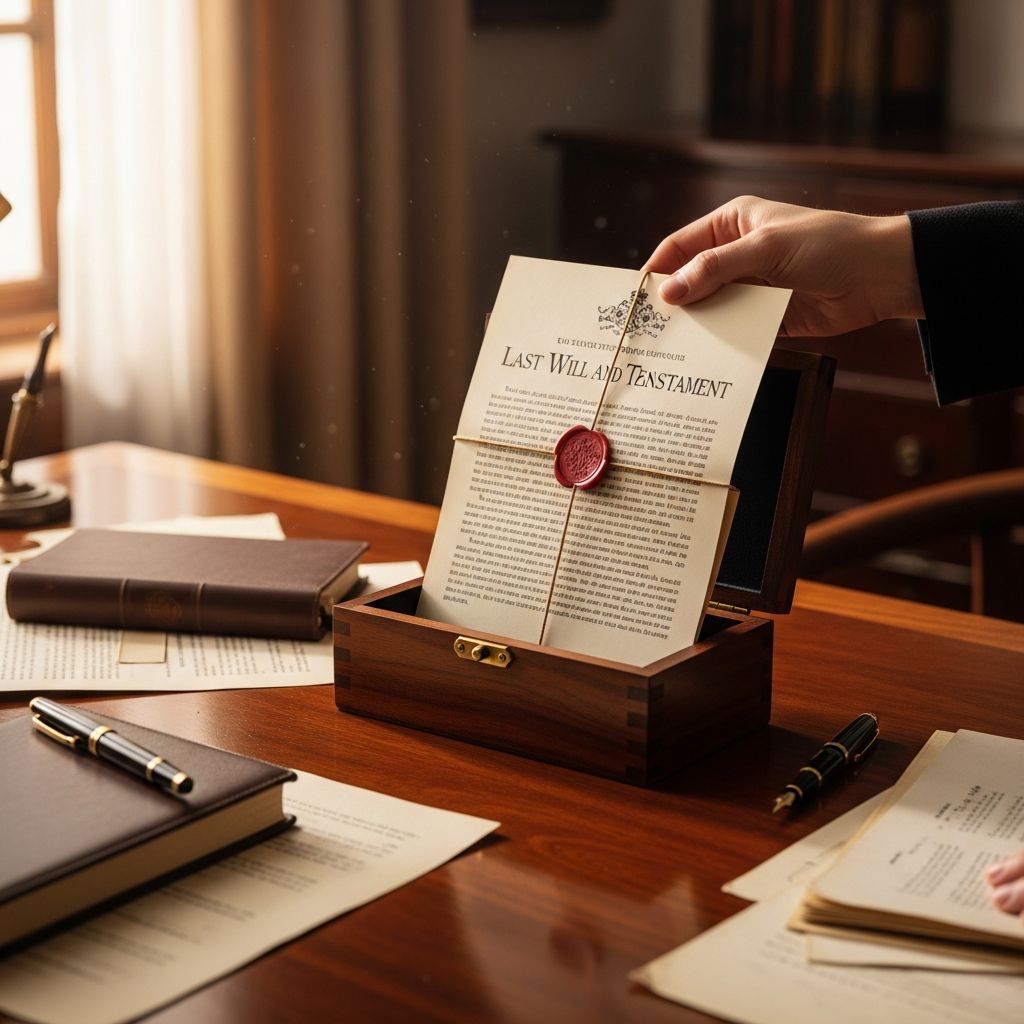
Your last will and testament is the cornerstone of your estate plan, outlining how your assets should be distributed after your passing. Proper storage ensures this critical document remains intact and readily available, preventing delays in probate or challenges from heirs. This guide explores optimal storage methods, weighing security against accessibility while highlighting common pitfalls.
The Critical Role of Secure Will Storage
Storing your will correctly protects it from fire, water, theft, or loss, all of which could invalidate your wishes or force courts to treat your estate as intestate. In many jurisdictions, probate courts require the original signed will to initiate proceedings; copies often suffice only as backups. Beyond the will, secure related documents like powers of attorney, trusts, and beneficiary forms to maintain comprehensive estate control.
Neglecting storage can lead to family disputes, legal battles, or administrative hurdles. For instance, if heirs cannot locate the original, they may face prolonged searches or court interventions, escalating costs and stress. Proactive storage planning provides peace of mind and streamlines the process for your executor.
Top Recommended Storage Options
Several proven methods exist for safeguarding your will. Each offers unique advantages in protection and retrieval, tailored to different needs.
Fireproof and Waterproof Home Safes
A dedicated home safe rated for fire and water resistance is among the most practical choices for many individuals. These units, available in various sizes, accommodate legal documents while deterring theft through sturdy construction and locking mechanisms. Place the safe in a discreet yet memorable location, such as a closet or basement, avoiding obvious spots like bedroom nightstands.
- Pros: Immediate access for you and trusted family; no third-party fees; full control over security.
- Cons: Vulnerable to home disasters if not properly rated; requires sharing access details with executor.
Share the safe’s location, combination, or key with your named executor via a secure memo or digital note. Regularly update contents when revising your will to prevent outdated versions from causing confusion.
Professional Storage with Your Attorney
Entrusting your original will to the attorney who drafted it offers professional-grade security. Law firms maintain climate-controlled, locked facilities designed for sensitive documents, often with redundant copies. This option ensures legal expertise is immediately available during probate.
| Storage Method | Security Level | Accessibility | Cost |
|---|---|---|---|
| Home Safe | High (if rated) | Immediate | One-time purchase |
| Attorney Office | Very High | With notice | Storage fees possible |
| Safe Deposit Box | High | Restricted post-death | Annual rental |
| Probate Court | Moderate | Public record | Filing fees |
Safe Deposit Boxes at Financial Institutions
Banks provide robust safe deposit boxes in fortified vaults, protecting against most physical threats. However, access post-death often requires court orders, delaying probate in some states. Check your bank’s policy: some allow executors immediate entry with proof of authority, while others seal the box until legal clearance.
Avoid sole reliance on safe deposit boxes for wills due to these restrictions. Use them for copies or supporting documents like deeds and titles.
Filing with the Probate Court
Some courts permit pre-death filing of wills, storing them in official registries until needed. This makes the document publicly accessible upon your passing but may expose private details prematurely. Ideal for those prioritizing legal certainty over privacy, though updates require refiling.
Digital Storage: A Smart Backup Strategy
While originals must remain physical in most places, encrypted digital scans serve as vital backups. Use reputable cloud services with multi-factor authentication, avoiding local hard drives prone to failure or theft. Platforms like secure estate planning apps allow timestamped, verifiable copies.
Digital Storage Best Practices
- Scan high-resolution color images of signed originals, including all pages and signatures.
- Employ end-to-end encryption and share access only with fiduciaries.
- Combine with physical storage; never discard hard copies.
- Update digital files concurrently with will revisions.
Note limitations: Courts in states like Michigan and Illinois typically demand originals, rendering digital versions supplementary.
Common Mistakes to Avoid in Will Storage
Certain practices undermine even the best intentions. Steer clear of unsecured locations like desk drawers or file cabinets, which offer no protection from disasters. Similarly, overly secretive hiding spots defeat accessibility if no one knows where to look.
Refrain from attaching staples, clips, or notes to originals, as they can create impressions suggesting tampering. Do not store solely in out-of-state safe deposit boxes, complicating local probate. Finally, inform your executor of storage details without broadcasting to all heirs, preserving privacy.
State-Specific Considerations for Will Storage
Laws vary by jurisdiction, influencing ideal methods. For example, Michigan probate mandates originals and restricts safe deposit access without court approval. Illinois courts reject digital wills outright. Consult local statutes or an attorney to align storage with regional requirements.
- Michigan: Prioritize originals; attorney storage recommended.
- Illinois: Physical originals essential; digital for reference only.
- General U.S.: Balance federal portability with state probate rules.
Organizing and Maintaining Your Documents
Beyond the will, compile a ‘vital documents’ packet including financial accounts, insurance policies, and healthcare directives. Use labeled folders in your safe or provide a master list to fiduciaries.
Schedule annual reviews: Update storage upon life changes like births, marriages, or asset shifts. Test access protocols by simulating retrieval with trusted advisors.
Frequently Asked Questions (FAQs)
What is the safest place to keep my original will?
A fireproof home safe or your attorney’s office balances security and access best for most people.
Can I store my will digitally?
Yes, as a backup with encryption, but retain the physical original for court validity.
Is a safe deposit box recommended for wills?
It’s secure but may delay access post-death; use for copies instead.
Should I tell my family where my will is stored?
Inform only your executor to avoid disputes; provide clear instructions.
What if my will is lost or destroyed?
Your attorney-held copy or digital backup can help, but probate may default to intestacy laws.
Steps to Implement Secure Storage Today
1. Assess risks: Evaluate home vulnerabilities and family dynamics.
2. Select method: Choose based on accessibility needs.
3. Prepare redundancies: Store copies strategically.
4. Document access: Create a ‘where to find’ guide.
5. Review regularly: Update with life changes.
By implementing these strategies, you fortify your estate plan against uncertainties, ensuring your legacy endures as intended.
References
- Estate Plans and Wills: Storage Tips and Access Guidelines — TN Elder Law. 2023. https://www.tn-elderlaw.com/post/estate-plans-and-wills-storage-tips-and-access-guidelines
- How to Store Estate Planning Documents Safely — Legacy Counsel. 2024. https://legacy-counsel.com/blog/how-to-store-estate-planning-documents-safely/
- The Good, the Bad, and The Ugly: 5 Options for Storing Your Will — Leave A Legacy NC. 2017-02-23. https://www.leavealegacync.com/2017/02/23/the-good-the-bad-and-the-ugly-5-options-for-storing-your-will
- Safely Storing Your Estate Planning Documents — FWLLS. 2024. https://fwlls.com/document-storage/
- How To Keep Your Will Safe — Policygenius. 2024. https://www.policygenius.com/wills/storing-your-will/
- Where to Safely Store Your Estate Documents — Farm Bureau Financial Services. 2023. https://www.fbfs.com/learning-center/storing-estate-documents
- How to Safely Store Your Will — Nolo. 2024. https://www.nolo.com/legal-encyclopedia/how-to-keep-your-will-safe.html
Similar Articles








Read full bio of Sneha Tete




