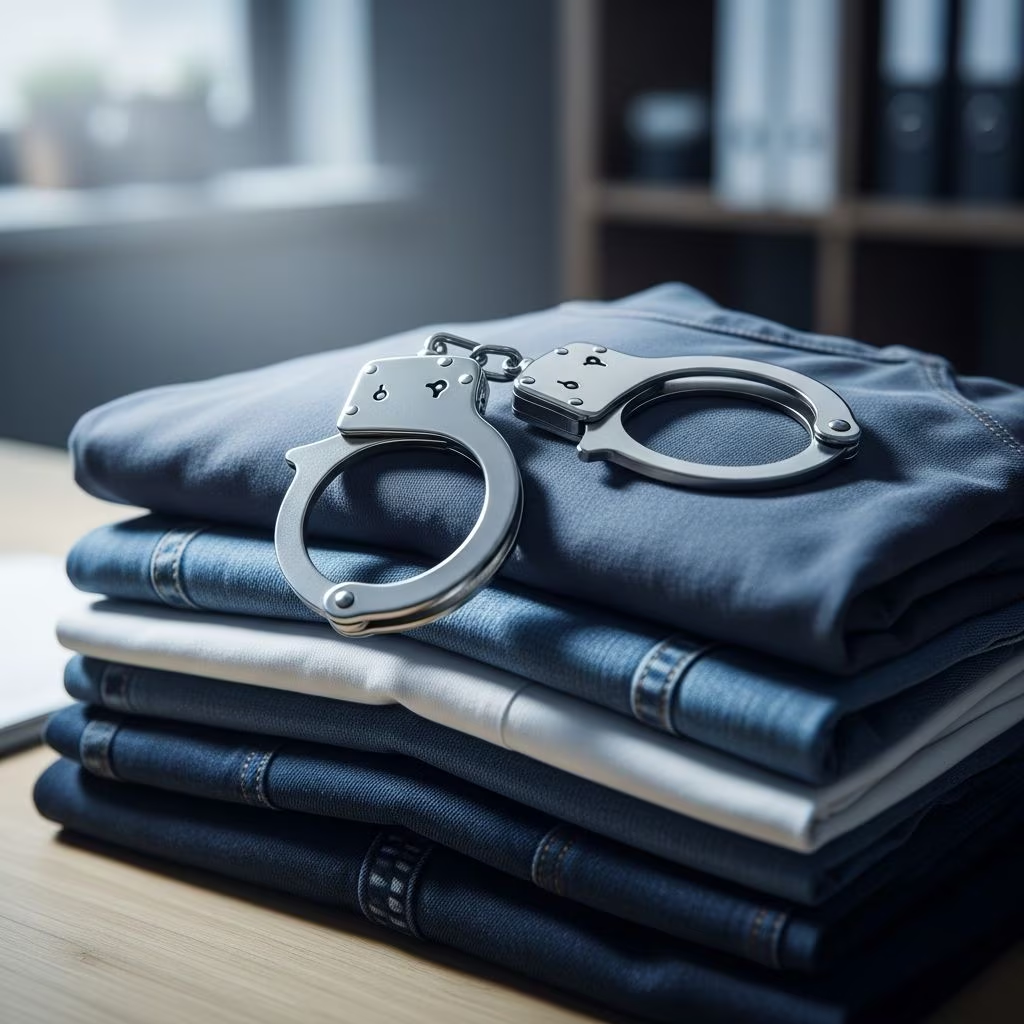
Returning merchandise after use, often called wardrobing, blurs the line between smart shopping and criminal fraud, potentially leading to arrests depending on intent and state laws.
Understanding Refund Exploitation in Retail
Refund exploitation occurs when consumers purchase goods with the premeditated plan to utilize them briefly before seeking refunds, treating stores as unwitting rental services. This practice, prevalent in apparel and electronics sectors, inflicts substantial financial harm on businesses. In 2023, U.S. retailers faced $743 billion in total returns, with fraud accounting for $101 billion in losses, according to industry reports.
Unlike accidental returns, intentional refund abuse involves deception, such as concealing signs of wear to mimic new condition. Common scenarios include buying formal attire for events, wearing it once, and returning it tag-attached to evade detection. This not only depletes inventory but renders items unsellable at full value, as fewer than half of returned goods restock profitably.
Common Forms of Return-Based Deception
- Wardrobing: Purchasing wearable items like dresses or suits for single-use events, then returning them as unused. This targets high-end fashion where one-time appeal drives purchases.
- Shoplifted Goods Returns: Criminals steal products and attempt refunds without receipts, exploiting lenient policies. This merges theft with fraud, often leading to felony charges.
- Receipt Fabrication: Using counterfeit receipts or those from prior buys to exchange worn or stolen merchandise for cash or credit.
- Serial Returning: Habitual offenders who repeatedly buy and return across stores, amassing credits or cash equivalents.
These tactics thrive amid generous return windows, but they erode trust and inflate prices for honest shoppers.
The Financial Toll on Retail Operations
Retailers bear immense costs from refund fraud. Beyond direct refunds, expenses include processing, restocking, and disposal of tainted goods. Wardrobed clothing, showing invisible wear like deodorant marks or stretched fabrics, often gets discarded or deeply discounted, amplifying losses.
| Fraud Type | Annual Industry Loss Estimate | Primary Impact |
|---|---|---|
| Wardrobing | $12.6 billion | Apparel unsellability |
| Total Return Fraud | $101 billion (2023) | Processing & disposal |
| Shoplift Returns | Varies by region | Receipt verification failures |
Data highlights the scale: merchants lose profitability as fraud escalates, prompting stricter measures.
Legal Boundaries: When Returns Turn Criminal
While not all misused returns qualify as crimes, crossing into theft hinges on intent to deprive retailers permanently. In California, return fraud mirroring shoplifting falls under Penal Code §484(a) as petty theft if goods value under $950, requiring proof of deceptive intent. Higher values escalate to grand theft, with penalties including fines, probation, or jail.
Federal oversight via the FTC addresses deceptive sales of used items as unfair practices, indirectly supporting retailer defenses. Banks and card networks reject wardrobing claims, viewing them as policy violations rather than valid disputes. However, repeated or egregious acts can trigger prosecutions, as seen in organized fraud rings exchanging no-receipt goods for gift cards.
California Civil Code §1723 mandates clear return policy postings; violations allow 30-day refunds with proof, but intentional abuse voids this protection.
State Variations in Prosecuting Refund Crimes
Laws differ by jurisdiction. California’s tiered theft statutes classify most return fraud as misdemeanors unless exceeding thresholds. Other states treat serial wardrobing as organized retail crime, imposing bans or civil penalties alongside criminal ones. Prosecutors must demonstrate:
- Knowledge of policy ineligibility.
- Intentional concealment of use.
- Gain at retailer’s expense.
Mistakes, like honest pricing errors kept unknowingly, rarely lead to charges unless retained post-discovery.
Retailer Countermeasures Against Abuse
Businesses combat fraud through policy refinements and tech. Key strategies include:
- Strict Guidelines: Mandate unworn items with tags, original packaging, and receipts within 14-30 days.
- Inspection Protocols: Train staff to detect wear, odors, or alterations via UV lights or fabric checks.
- Customer Tracking: Blacklist frequent returners, limiting future purchases or refunds.
- Tech Solutions: AI analytics flag suspicious patterns; RFID tags verify authenticity.
- Partial Refunds: Offer store credit over cash for high-risk categories like formalwear.
Clear, visible policies deter opportunists, balancing customer satisfaction with loss prevention.
Consumer Perspectives: Legitimate vs. Risky Returns
Shoppers enjoy statutory protections for faulty goods, but pushing boundaries invites scrutiny. Genuine issues—like sizing mismatches without wear—remain refundable. To stay safe:
- Retain receipts and tags.
- Return promptly within policy limits.
- Avoid use beyond trying on.
- Document communications with stores.
Perceived ‘victimless’ acts like wardrobing contribute to policy tightening, affecting all consumers.
Real-World Examples and Case Insights
High-profile cases illustrate risks. Midwest fraud rings exploited no-receipt exchanges for gift cards, leading to arrests under theft statutes. Individual wardrobers face bans or civil suits, while extreme repeaters encounter felony indictments. In one scenario, a consumer wearing rented-like outfits repeatedly triggered investigations after pattern recognition software alerted management.
These underscore that while isolated incidents may slide, patterns invite legal action.
Frequently Asked Questions
Can returning a worn dress for a wedding get you arrested?
Possibly, if intent to defraud is proven; it’s often charged as petty theft in states like California when policies are violated.
Is wardrobing considered theft by law?
Yes, when involving deception to obtain refunds for used goods, akin to shoplifting under theft codes.
What if I return shoplifted items by mistake?
Intent matters; shoplifted returns constitute fraud, risking misdemeanor or felony charges regardless of ‘mistake’ claims.
Do stores discard all returned clothes?
No, unused items restock; worn or damaged ones from fraud like wardrobing are often discarded or liquidated at loss.
How can retailers legally stop refund fraud?
Via clear policies, inspections, blacklists, and tech monitoring, while complying with state disclosure laws.
Navigating Returns Ethically in Modern Retail
As e-commerce booms, refund policies evolve to curb abuse without alienating customers. Consumers benefit from transparency, while retailers deploy data-driven defenses. Awareness of these dynamics prevents unintended legal entanglements, fostering fair commerce.
References
- Wardrobing: How to Stop Buyers From Using & Returning Your Goods — Chargebacks911. 2023. https://chargebacks911.com/wardrobing/
- What is Return Fraud? — Forter. 2023. https://www.forter.com/blog/what-is-return-fraud/
- The “Return Fraud” Scheme — Sevens Legal. 2023. https://www.sevenslegal.com/criminal-attorney/return-fraud-scheme/249/
- Wardrobing: How Shoppers Are Committing Return Fraud — Sizebay. 2023. https://sizebay.com/en/blog/wardrobing/
- Refund Policies — State of California Department of Justice. 2023-10-01. https://oag.ca.gov/consumers/general/refunds
- Can You Be Charged with Theft for a Mistaken Return or Pricing Error? — Perlman Cohen. 2023. https://perlmancohen.com/los-angeles-theft-crimes-lawyer/can-you-be-charged-with-theft-for-a-mistaken-return-or-pricing-error/
- Penalty Offenses Concerning the Sale of Used and/or Rebuilt Merchandise — Federal Trade Commission. 2023. https://www.ftc.gov/enforcement/penalty-offenses/used-rebuilt