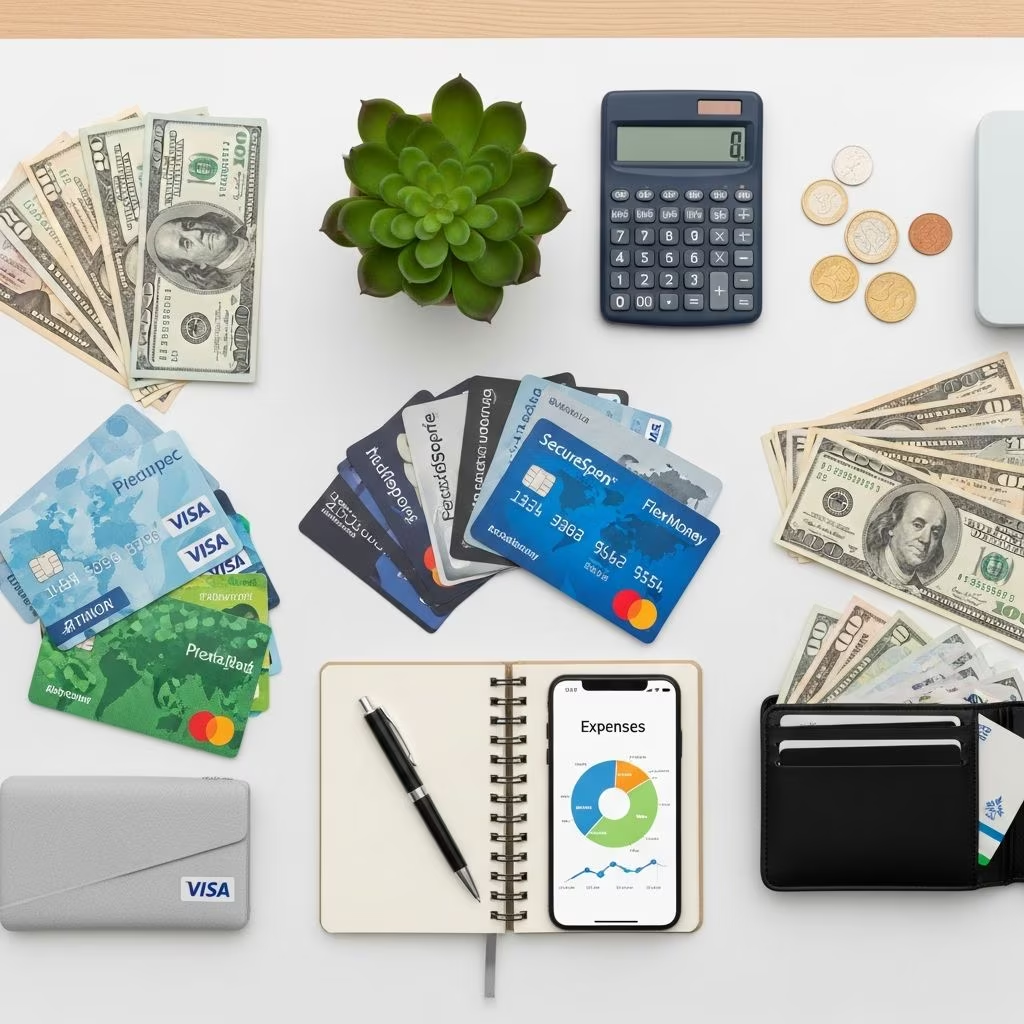
Prepaid cards have become a common way to pay bills, shop online, and manage money without using cash, a traditional bank account, or a credit card. They can be useful tools, but they also come with rules, limits, and fees that you need to understand before you rely on one.
This guide explains how prepaid cards work, who they are best for, how to compare your options, and how to keep fees low and your money safe.
What Is a Prepaid Card?
A prepaid card is a payment card that you load with money before you can spend. Each time you make a purchase, withdraw cash, or pay a bill, the amount is taken from the balance you already put on the card, not from a bank account or a line of credit.
- No line of credit: You are not borrowing; you can only spend what you load.
- Not a bank account: Many prepaid cards are issued by banks but are separate from checking or savings accounts.
- Network-branded: Most run on major payment networks (such as Visa, Mastercard, or similar), so you can use them wherever those brands are accepted, subject to card terms.
Because you preload funds, prepaid cards can help you avoid overdraft and interest charges that can come with debit or credit cards.
Prepaid Cards vs. Debit and Credit Cards
Prepaid cards are often confused with debit and credit cards because they look and work similarly at checkout. The major difference is where the money comes from and what risks and protections apply.
| Feature | Prepaid Card | Debit Card | Credit Card |
|---|---|---|---|
| Source of funds | Money you load in advance | Money in your checking account | Money you borrow up to a limit |
| Overdraft risk | Generally no overdraft; spending is capped at balance | Possible overdraft and overdraft fees, depending on bank and settings | No overdraft, but you can run up a balance and pay interest |
| Credit building | Does not usually build credit history | Does not build credit | Can build or damage credit depending on use |
| Account ownership | Card account only; may or may not be tied to a bank account | Requires a bank account | Requires approval for a credit account |
| Typical fees | Activation, monthly, ATM, reload, inactivity, and others | ATM, overdraft, sometimes monthly account fees | Interest, annual fees, late fees, cash-advance fees |
Common Types of Prepaid Cards
Prepaid cards come in several forms. Understanding the differences can help you choose the right one for your situation.
Reloadable Everyday Prepaid Cards
These cards are designed to be used like an ongoing spending account.
- Can be reloaded multiple times by direct deposit, cash, transfers, or mobile apps.
- Often used to receive paychecks or government benefits.
- May allow bill payments, ATM withdrawals, and mobile banking features.
Government and Payroll Prepaid Cards
Employers and government agencies sometimes use prepaid cards to distribute income and benefits.
- Payroll cards: Employers load wages directly to the card on payday, instead of a paper check or direct deposit to a bank account.
- Government benefit cards: Used for unemployment, tax refunds, or other benefit programs, depending on the agency.
- These cards can be convenient for people without traditional bank accounts, but they also may have specific fee structures you should review carefully.
Gift and Single-Use Prepaid Cards
Gift cards are prepaid cards loaded with a fixed amount.
- Often not reloadable; when the balance reaches zero, the card usually stops working.
- May be restricted to one store or brand, or may be usable anywhere a payment network is accepted.
- Typically not intended for ongoing money management.
Virtual and Digital-Only Prepaid Cards
Some prepaid cards exist only in digital form for safer online transactions.
- Issued with a card number, expiration date, and security code, but no physical plastic.
- Useful for online shopping or subscriptions when you do not want to share your main card details.
- Often come with spending limits and short validity periods to reduce fraud risk.
How Prepaid Cards Work in Practice
While each card program has its own rules, most prepaid cards follow the same basic steps.
1. Getting and Activating a Card
- You can buy a card at a retailer, through a website, or from a bank or card issuer.
- You may need to register the card with your name, address, and other information to unlock all features, such as higher load limits or online purchases.
- Some cards require you to choose a PIN for ATM access and certain transactions.
2. Adding Money (Loading Funds)
Most reloadable prepaid cards offer several ways to add funds.
- Direct deposit: Have your employer or benefits provider send payments directly to your card.
- Cash reload: Add cash through participating stores or partners; this may trigger a reload fee.
- Bank transfer: Move money from a bank account, if allowed by the card program.
- Mobile transfer: Add money from apps or digital wallets, depending on compatibility.
3. Spending and Withdrawing
- Use the card in-store, online, or by phone wherever the payment network is accepted, subject to your card’s limitations.
- Withdraw cash at ATMs that accept your card’s network (fees may apply).
- Some cards support bill pay, person-to-person transfers, or checks linked to the card account.
4. Checking Your Balance and Activity
Because you cannot spend more than your balance, tracking your available funds is essential.
- Check balances via mobile app, website, text, ATM, or phone, depending on the provider.
- Many programs provide transaction histories, helping you monitor spending and spot unauthorized activity quickly.
Benefits of Using a Prepaid Card
For certain consumers, prepaid cards can be a practical tool for everyday finances.
- Budget control: You can only spend what you load, which makes overspending and overdrafts far less likely.
- No credit check: Many prepaid programs are available regardless of credit history, which can help people who cannot qualify for traditional credit cards.
- Alternative to cash: Easier for online shopping, travel, and recurring payments than physical cash.
- Helps the unbanked: Prepaid cards can provide basic payment services to people who do not have a bank account, supporting broader financial inclusion.
- Security features: Cards often include PINs, chip technology, and fraud monitoring, reducing the risk of loss compared with carrying large amounts of cash.
Drawbacks and Risks to Watch For
Despite their advantages, prepaid cards are not free of costs or risks. Reading the card’s terms and conditions before you sign up is critical.
- Fees can add up: Programs may charge for activation, monthly maintenance, ATM use, balance inquiries, customer service, reloads, or inactivity, which can reduce your available funds.
- Limited banking features: Prepaid cards usually do not offer interest on balances or full-service banking functions.
- No automatic credit building: Most prepaid card activity is not reported to credit bureaus, so using one will not generally improve your credit score.
- Program risk: If a card provider has operational or compliance problems, customers can be affected; regulators have stressed the need for strong risk controls on prepaid programs.
- Possible limits: Daily or monthly limits on loads, withdrawals, or purchases may restrict how you can use the card.
Fees You Should Understand Before Choosing a Card
Comparing fees across cards can save you significant money over time. Card issuers are expected to disclose key fees in clear, comparable summaries.
- Activation fee: A one-time charge when you first buy or register the card.
- Monthly or maintenance fee: An ongoing fee for keeping the account open, sometimes waived if you receive regular direct deposits or meet other conditions.
- ATM withdrawal fee: A fee each time you take out cash at certain ATMs; some programs offer fee-free networks.
- Cash reload fee: A charge for adding cash at a retail location or partner.
- Balance inquiry or customer service fees: Charges when you check your balance or call customer support, depending on the channel used.
- Inactivity fee: A monthly fee that may apply if you do not use the card for a set period.
- Foreign transaction fee: Extra cost when you make purchases or withdrawals in another currency or country.
Look for a card whose fees match how you plan to use it. For example, if you expect frequent ATM withdrawals, a program with a large fee-free ATM network may be more economical.
Protections and Security for Prepaid Card Users
Consumer protections for prepaid cards have strengthened in recent years. In many cases, reloadable prepaid cards benefit from error resolution and limited-liability protections against unauthorized transfers, when certain conditions are met.
- Limited liability: If your registered card is lost or stolen and you report it promptly, you may be responsible only for limited losses due to fraud, depending on the program and applicable regulations.
- Dispute rights: You can usually dispute unauthorized transactions or certain errors within a specified time period, and the provider must investigate.
- Fraud monitoring: Many providers use systems to detect unusual activity and may contact you or temporarily block transactions.
- Program risk controls: Regulators have issued guidance to banks emphasizing the need to manage the operational, compliance, and money-laundering risks associated with prepaid access programs.
To benefit from available protections, it is important to register your card, keep your contact information up to date, and report problems as soon as you notice them.
How to Choose a Prepaid Card
Before signing up, think about how you plan to use the card, then compare options based on fees, features, and protections.
- Clarify your main use: Everyday spending, receiving wages, managing a teen’s allowance, online shopping, or travel each may call for different features.
- Compare fee schedules: Look at activation, monthly, ATM, reload, and other fees, using the card’s fee summary as a reference.
- Check load and withdrawal limits: Make sure the card can handle the amounts you expect to receive and spend.
- Look for free or low-cost access to cash: A wide fee-free ATM network or cash-back options at retailers can reduce costs.
- Review protections and policies: Confirm what happens if the card is lost, how to dispute transactions, and how long investigations may take.
- Consider digital tools: Mobile apps, alerts, and budgeting features can make it easier to track your money and avoid surprises.
Smart Habits for Using a Prepaid Card
Once you choose a card, using it carefully can help you get the benefits while avoiding many common problems.
- Keep track of your balance: Check frequently to avoid rejected transactions and to spot any unfamiliar charges quickly.
- Minimize fee-triggering activities: Use fee-free ATMs where possible, consolidate cash withdrawals, and avoid unnecessary balance inquiries at ATMs that charge fees.
- Use alerts: Enable text or app alerts for low balances, large purchases, and failed transactions when available.
- Protect your card and PIN: Do not write your PIN on the card or share it, and be cautious when entering it in public places.
- Update your contact details: Ensure your phone number and email are current so the provider can reach you about suspicious activity.
- Hold onto receipts or digital records: Keeping a record of major transactions can help if you need to dispute a charge later.
Who Might Benefit Most from a Prepaid Card?
Prepaid cards are not ideal for everyone, but they can be especially useful in certain situations.
- People without bank accounts: Prepaid cards can act as a basic financial tool for those who cannot or do not want to open checking accounts, helping them pay bills and shop electronically.
- Individuals recovering from financial difficulties: Because most cards do not allow overdrafts or debt, they can provide a fresh start with fewer surprises.
- Parents and guardians: A prepaid card can offer a controlled way to give teens spending money while monitoring use and setting limits.
- Budget-focused users: People who want a strict spending cap may find prepaid cards useful as a day-to-day budgeting tool.
- Online shoppers concerned about security: Using a dedicated prepaid card can reduce exposure of primary bank or credit card details when shopping online.
Frequently Asked Questions (FAQs)
Q: Can a prepaid card help me build or repair my credit?
A: In most cases, no. Standard prepaid cards do not report your payment activity to credit bureaus, so using one will not usually improve your credit score. If you want to build credit, consider tools specifically designed for that purpose, such as secured credit cards or credit-builder loans.
Q: Are prepaid cards safe to use online?
A: When used carefully, prepaid cards can be a relatively safe option for online purchases. Many cards offer fraud monitoring and limited-liability protections, particularly if the card is registered and you report unauthorized activity quickly. Using a prepaid card dedicated to online shopping can also limit the amount at risk.
Q: What happens if my prepaid card is lost or stolen?
A: You should contact the card issuer immediately using the phone number on the card materials or website. If the card is registered and you report the loss promptly, you may be able to recover some or all of the remaining balance, depending on the card’s terms and applicable regulations.
Q: Can my prepaid card go into a negative balance?
A: Prepaid cards are generally designed to stop transactions when there is not enough money on the card, which helps avoid overdraft fees. However, certain situations—such as delayed posting of tips or offline transactions—can sometimes lead to a small negative balance, which you would need to repay according to the card’s policies.
Q: Is my prepaid card money insured like a bank account?
A: Some prepaid card programs place customer funds in accounts that are eligible for federal deposit insurance if certain conditions are met, but this is not automatic for all cards. Check your card’s materials to see whether your funds are held at an insured bank and whether they are eligible for deposit insurance coverage in your name or on a pass-through basis.
References
- What Is a Prepaid Debit Card and How Does It Work? — NerdWallet. 2024-02-05. https://www.nerdwallet.com/banking/learn/how-do-prepaid-debit-cards-work
- What Is a Prepaid Card and How Does It Work? — Capital One. 2023-06-15. https://www.capitalone.com/learn-grow/money-management/how-do-prepaid-debit-cards-work/
- Prepaid Cards: Ensuring Financial Inclusion in the Age of Digital Payments — Corpay. 2023-09-21. https://www.corpay.com/resources/blog/prepaid-cards-financial-inclusion
- Prepaid Cards: Meaning, Types & Benefits — Walcy. 2023-11-03. https://walcybank.com/prepaid-cards-meaning-types-benefits/
- What Is A Prepaid Card and How Does It Work? — RiteCheck. 2024-01-10. https://www.ritecheck.com/what-is-a-prepaid-card-and-how-does-it-work/
- Interagency Guidance to Prepaid Cards — Financial Crimes Enforcement Network (FinCEN). 2011-06-28. https://www.fincen.gov/system/files/2021-04/Interagency%20Guidance%20to%20Prepaid%20Cards%20508C.pdf
- Prepaid Access Programs — Office of the Comptroller of the Currency (OCC). 2011-06-28. https://www.occ.gov/news-issuances/bulletins/2011/bulletin-2011-27.html