
Navigating Probate Real Estate Transactions
Comprehensive guide to purchasing and disposing of properties entangled in probate proceedings, with legal insights and practical steps.
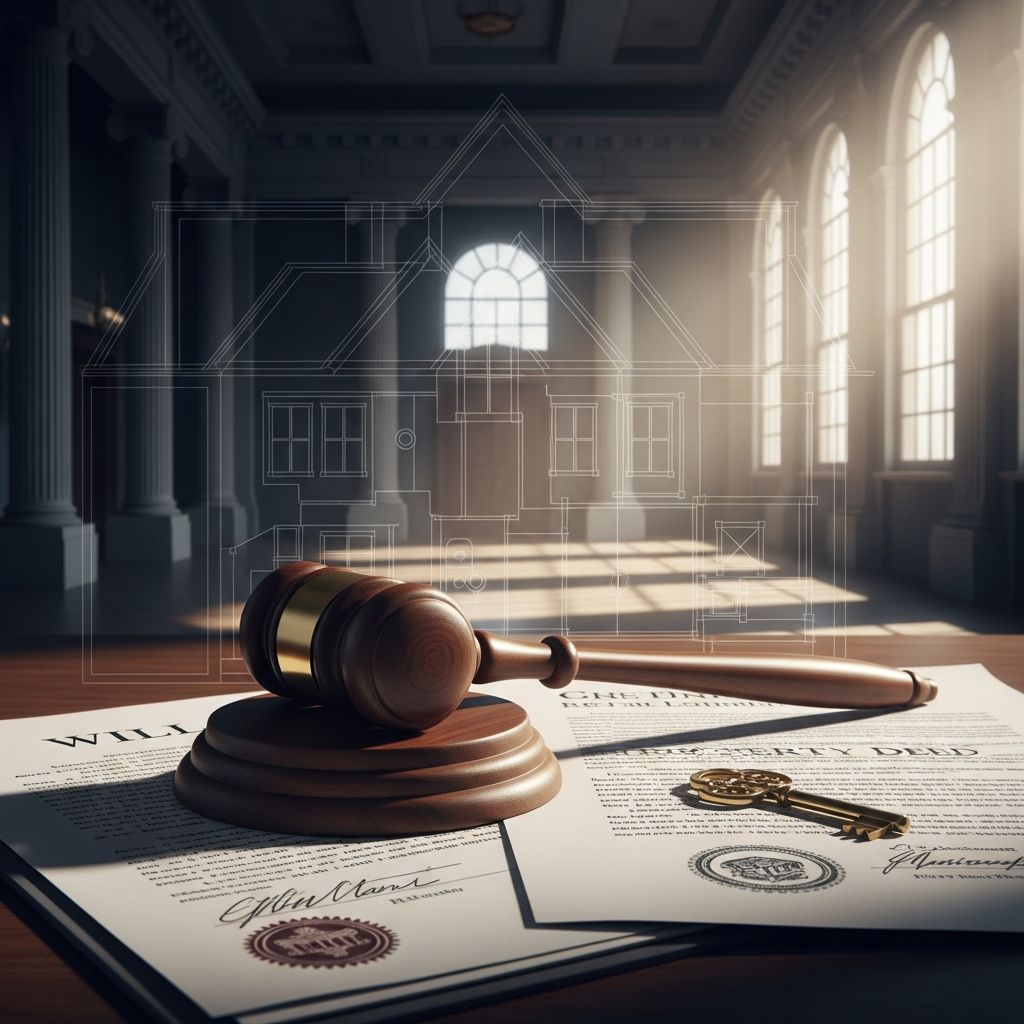
Probate real estate involves properties owned by deceased individuals that must pass through court-supervised estate administration before transfer. This process ensures debts are settled and assets distributed lawfully, often presenting unique opportunities and challenges for buyers and sellers.
Understanding the Fundamentals of Probate and Real Property
Probate is a court-overseen procedure to validate a will, appoint an estate representative, and manage asset distribution. Real property enters probate if solely titled in the decedent’s name, lacking beneficiary designations or joint ownership with survivorship rights. Unlike jointly held assets that bypass probate, these properties require judicial approval for sale or transfer.
Estates without wills follow intestacy laws, where courts appoint administrators to distribute assets to heirs. Properties as tenants-in-common also qualify as probate assets, with each owner’s share subject to the process upon death.
Key Players in Probate Property Deals
Several roles facilitate transactions involving probate real estate:
- Executor: Named in the will to manage the estate, including listing and selling property.
- Administrator: Court-appointed for intestate estates to handle similar duties.
- Probate Court: Oversees sales when no representative acts, ensuring fair proceedings.
- Personal Representative: Umbrella term for executor or administrator, responsible for inventory, debt payment, and distribution.
These individuals must obtain court authorization before any sale, protecting heirs and creditors.
Complete Roadmap to the Probate Administration Journey
Initiating probate involves filing a petition, death certificate, and will (if extant) with the probate court. Courts appoint representatives promptly, often within weeks. The process unfolds in phases:
- Asset Inventory: Comprehensive listing and valuation of estate holdings, including real estate appraisals.
- Creditor Notification: Public notice allows claims; debts paid from liquid assets first.
- Tax Clearance: Resolution of estate taxes before final distribution.
- Distribution or Sale: Assets transferred to heirs or sold if needed to settle obligations.
Timelines vary: simple estates resolve in months, complex ones span years due to disputes or appraisals.
Strategies for Acquiring Probate Properties
Probate sales attract buyers seeking bargains, as estates often price competitively to expedite closure. Essential steps include:
- Verifying court approval via public records or listings noting ‘probate sale.’
- Conducting thorough inspections, as properties may suffer neglect.
- Reviewing estate documents for liens or disputes.
- Bidding at court-confirmed auctions or negotiating with representatives.
| Pros of Buying Probate Property | Cons of Buying Probate Property |
|---|---|
| Potential for below-market prices | Extended closing timelines |
| Court oversight ensures transparency | Risk of hidden defects or liens |
| Often sold ‘as-is’ | Possible heir objections delaying sale |
Buyers should budget for repairs and secure title insurance to mitigate risks.
Protocols for Disposing of Estate-Held Real Estate
Executors or administrators sell probate property to pay debts when cash is insufficient. Procedures mandate:
- Court Petition: Filing for sale authorization, detailing property value and purpose.
- Appraisal: Independent valuation to confirm fair market price.
- Marketing: Listing through agents experienced in probate, with court-monitored offers.
- Confirmation Hearing: Judge approves highest bid or negotiated price, ensuring heir benefits.
Sales post-inheritance by heirs fall outside probate, allowing standard transactions.
Potential Hurdles and Mitigation Tactics
Probate deals face delays from disputes, incomplete paperwork, or creditor claims. Common issues:
- Heir Conflicts: Beneficiaries contesting sales; resolved via mediation or court.
- Title Defects: Liens discovered late; cleared before closing.
- Market Fluctuations: Property value changes during prolonged probate.
Engage probate attorneys early to navigate filings and objections efficiently.
State Variations in Probate Regulations
While core principles align nationally, states differ: some require bond postings, others expedite small estates. For instance, certain jurisdictions mandate remote hearings for appointments. Always consult local probate codes for venue-specific rules.
Protective Measures to Bypass Probate
Forward-thinking owners use living trusts, joint tenancy, or payable-on-death deeds to transfer real estate outside probate. These tools ensure swift, private handovers, avoiding court delays.
Frequently Asked Questions
What triggers a property to enter probate?
Sole ownership without survivorship or beneficiary clauses mandates probate.
How long do probate sales typically take?
Four months minimum, extendable to years for complications.
Can buyers back out of a probate deal?
Yes, subject to court rules, but deposits may be forfeited.
Is probate property always cheaper?
Often discounted, but condition and competition vary outcomes.
Who pays closing costs in probate sales?
Typically from estate proceeds, benefiting heirs.
Final Guidance for Probate Real Estate Engagement
Success in probate transactions demands diligence, legal counsel, and patience. Buyers gain value opportunities; sellers achieve orderly debt resolution. Prioritize due diligence for seamless outcomes.
References
- Probate Administration & the Legal Process — Justia. 2026. https://www.justia.com/probate/probate-administration/
- What Is Probate Property? Definition & Examples — Trust & Will. 2026. https://trustandwill.com/learn/probate-property
- What Does It Mean When a House is in Probate? — Heiligman & Mogul. 2026. https://heiligmanandmogul.com/blog/what-does-it-mean-when-a-house-is-in-probate/
- What is Probate? — Oregon State Bar. 2026. https://www.osbar.org/public/legalinfo/1117_probate.htm
- Understanding Which Assets are Subject to Probate — Plunkett Cooney. 2026. https://www.plunkettcooney.com/tax-law-estate-plans-probate-business-succession/understanding-assets-subject-to-probate
- What is Probate Property? — Fafinski Mark & Johnson, P.A. 2026. https://www.fmjlaw.com/what-is-probate-property/
- Probate — Legal Information Institute, Cornell Law School. 2026-01. https://www.law.cornell.edu/wex/probate
Similar Articles








Read full bio of medha deb




