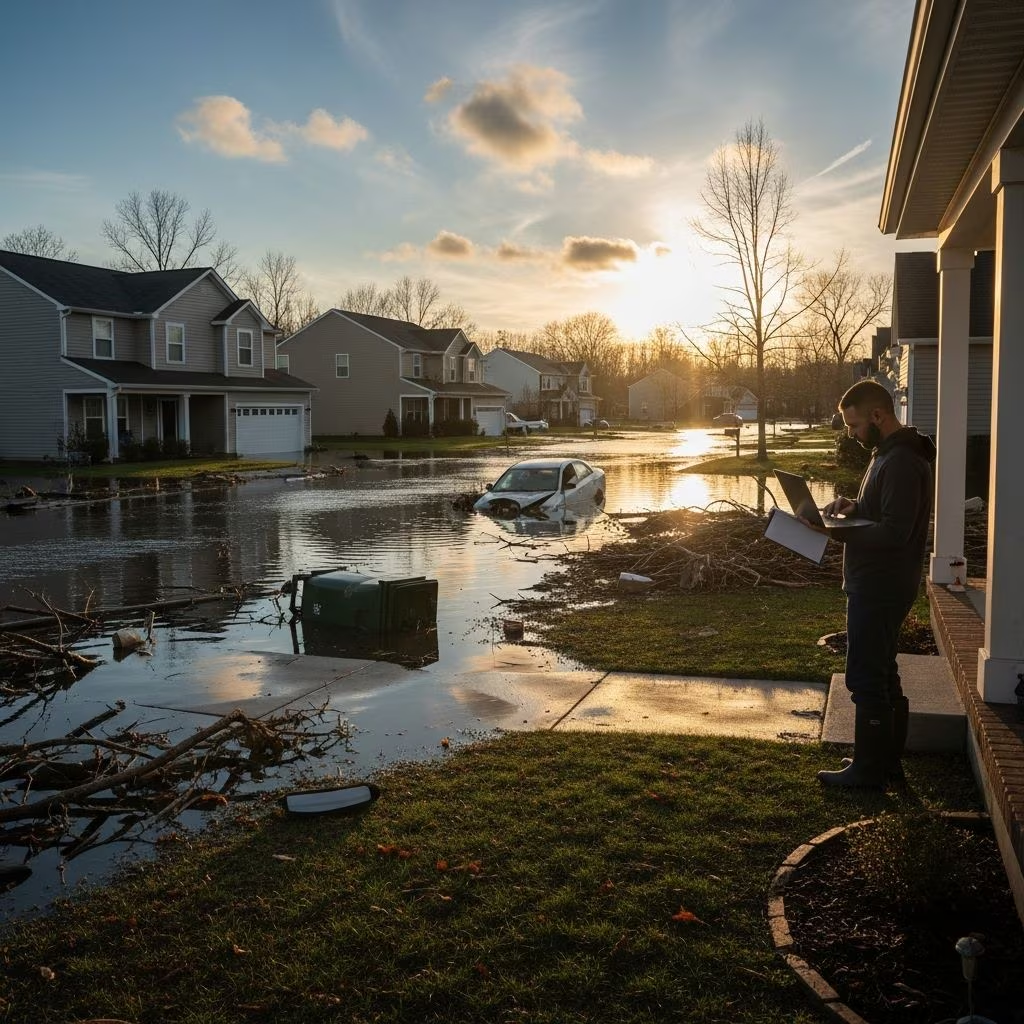
Recovering from a natural disaster requires swift action on multiple fronts, with insurance claims forming the backbone of financial restoration. Homeowners must prioritize safety, thorough documentation, and timely communication with insurers to secure fair compensation for property damage, personal belongings, and living expenses.
Immediate Safety and Initial Precautions
The top priority after any catastrophe like a hurricane, flood, or wildfire is personal safety. Evacuate if instructed by authorities and avoid returning to the property until officials declare it safe. Once access is permitted, protect the site from further harm by tarping roofs, boarding windows, or pumping out water—actions often covered under policy terms to prevent escalation of damage.
Review your insurance policy ahead of time if possible, noting coverage for perils such as windstorm, fire, or water intrusion. Standard homeowners policies typically exclude floods and earthquakes, requiring separate endorsements or policies from programs like the National Flood Insurance Program.
Comprehensive Damage Documentation
Thorough records are the foundation of a successful claim. Capture high-resolution photos and videos of all affected areas from multiple angles, including structural elements like roofs, walls, and foundations, as well as interiors and exteriors. Document water levels, cracks, uprooted trees, and displaced items before any cleanup.
- Compile an inventory list of damaged or destroyed personal property, detailing item descriptions, approximate purchase dates, values, and receipts if available.
- Note pre-existing conditions to distinguish new damage.
- Track all mitigation expenses with receipts for tarps, pumps, or temporary lodging.
This evidence substantiates your loss and counters potential disputes during adjustment.
Reporting the Loss Promptly
Contact your insurer within 24-48 hours, or as soon as feasible, providing your policy number, disaster details, and initial documentation. Request a claim number, assigned adjuster contact, and expected timelines. Most policies mandate prompt notification, often within one year of the loss date.
Insurers must acknowledge claims quickly: in California, within 15 days of notice, with forms and assistance provided. Federal guidelines via NAIC emphasize clear communication and status updates.
Understanding the Adjuster’s Role and Inspection
An adjuster—either company-employed or independent—will inspect the property, review your inventory, and estimate repair or replacement costs. Cooperate fully but observe the process: accompany them, point out all damages, and request a copy of their report.
| Adjuster Type | Description | Key Considerations |
|---|---|---|
| Company Adjuster | Works directly for insurer | May prioritize cost control; document interactions |
| Independent Adjuster | Hired externally | Registered in states like California post-disaster |
| Public Adjuster | Hired by you | Fees from settlement (10-15%); advocates for policyholder |
Prepare for actual cash value (ACV) payouts initially, depreciating for age, with potential recoverable depreciation for replacement cost value (RCV) policies upon repair proof.
Policy Coverages: What’s Included and Excluded
Key coverages include dwelling (structure), other structures (garages, fences), personal property (furniture, clothing), and loss of use/additional living expenses (ALE) for habitable alternatives. ALE often caps at 12-24 months or policy limits.
Exclusions demand attention: floods require NFIP or private flood insurance; earth movement typically needs separate coverage. Fire following disaster is usually covered under standard perils.
- Dwelling Coverage: Rebuilds home to code.
- Personal Property: Often 50-70% of dwelling limit; special limits on jewelry, electronics.
- ALE: Hotel, meals, storage until repairs complete or 12 months.
Handling Payments and Interim Funds
Expect an advance payment for urgent needs, followed by ACV settlement. For RCV, submit contractor bids and receipts within 12 months for depreciation recovery. Insurers may issue two-party checks requiring contractor endorsement.
Maintain meticulous records: log all calls (dates, names, summaries), expenses, and correspondence. This trail proves compliance and supports appeals.
Evaluating and Negotiating Settlements
Scrutinize the settlement offer against your documentation and estimates from licensed contractors. If undervalued, negotiate politely with facts: supplemental claims for overlooked damage are common.
Decline quick settlements if more damage emerges; policies allow reopenings. Compare offers using a simple framework:
| Element | Your Estimate | Insurer Offer | Discrepancy |
|---|---|---|---|
| Roof Repair | $25,000 | $18,000 | $7,000 |
| Contents | $15,000 | $10,000 | $5,000 |
| ALE | $8,000 | $6,000 | $2,000 |
Resolving Disputes: Appeals and Escalation
If denied or underpaid, request a written explanation citing policy language and facts. Invoke appraisal clauses for independent valuations—each party hires an appraiser, with umpires resolving differences.
Contact your state insurance department for mediation; NAIC guides outline consumer protections. Complex cases warrant public adjusters or attorneys specializing in bad faith claims. Arbitration or litigation follows if unresolved, though appraisal precedes suits in many policies.
Common Challenges and Prevention Strategies
Post-disaster surges overwhelm insurers, delaying responses. Patience and persistence—weekly follow-ups—yield results. Beware lowball offers amid chaos; independent estimates counter bias.
- Challenge: Delayed inspections → Provide virtual tours or drone footage.
- Challenge: Depreciation disputes → Gather pre-loss photos proving condition.
- Challenge: ALE denials → Document uninhabitability with inspector reports.
Proactive Preparations for Future Disasters
Annual policy audits ensure adequate limits matching rebuilding costs. Add endorsements for floods, sewers, or service line coverage. Store digital policy copies, inventories, and contacts offsite or in cloud storage.
Participate in community resilience programs; understand federal aid like FEMA’s interplay with insurance—SBA loans supplement but don’t replace claims.
Frequently Asked Questions
What is the deadline to file a claim?
Typically one year from the loss date, but notify immediately.
Can I hire my own contractor for estimates?
Yes; insurers must consider them reasonably.
What if my home is uninhabitable?
ALE covers reasonable temporary housing up to policy limits, often 12 months.
Should I accept the first check?
It’s often an advance; inspect for additional damage before finalizing.
When to hire a public adjuster?
For large losses (>$50K) or disputes; they work on contingency.
Does insurance cover temporary repairs?
Yes, if reasonable to prevent further loss.
References
- Settling insurance claims after a disaster — Insurance Information Institute (III). 2023. https://www.iii.org/article/settling-insurance-claims-after-a-disaster
- Guide for Adjusting Property Claims in California After a Major Disaster — California Department of Insurance. 2025. https://www.insurance.ca.gov/0200-industry/0050-renew-license/0200-requirements/upload/2025GuideAdjstPropClaimsinCA-After-a-Major-Disaster.pdf
- Post-Disaster Claims Guide — National Association of Insurance Commissioners (NAIC). 2023. https://content.naic.org/sites/default/files/publication-post-disaster-claims-guide.pdf