
Michigan Foreclosure Guide: 6-Month Redemption And Recovery
Comprehensive overview of Michigan's foreclosure processes, timelines, homeowner rights, and strategies to avoid losing your home.
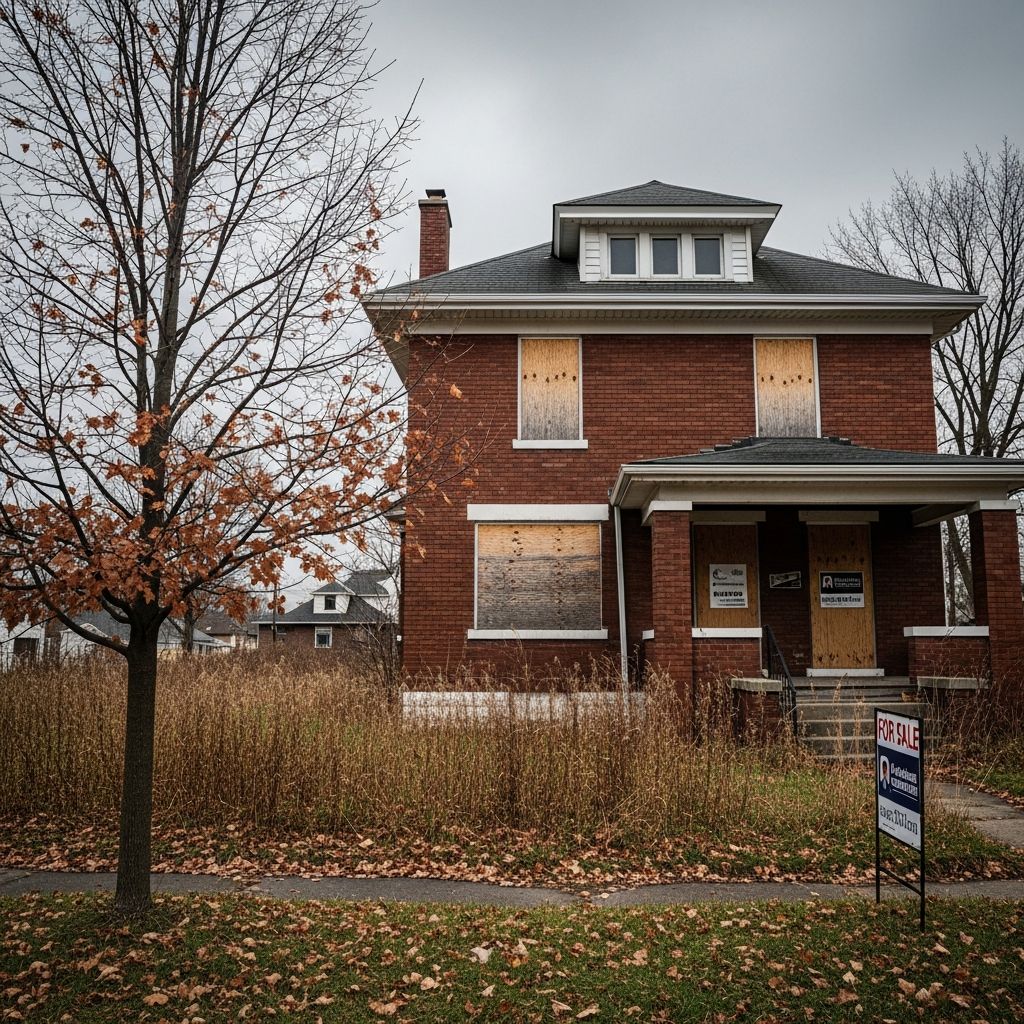
Michigan primarily uses non-judicial foreclosure methods, allowing lenders to sell properties through public sheriff sales after missed payments, with homeowners retaining a six-month redemption period post-sale to reclaim their homes.
Understanding Foreclosure Triggers in Michigan
Foreclosure begins when mortgage payments are delinquent. Payments are due on the first of the month and considered late starting the second day, triggering late fees and required lender contact to discuss loss mitigation like loan modification or forbearance. Lenders cannot initiate foreclosure until the loan is over 120 days past due, or if there’s a due-on-sale clause violation or second mortgage action.
Homeowners facing hardship should immediately contact approved housing counselors for free assistance, as early intervention can prevent escalation to sale scheduling.
Non-Judicial Foreclosure: The Dominant Process
Unlike judicial foreclosures requiring court involvement—which are rare in Michigan—most cases proceed via foreclosure by advertisement. Lenders publish a Notice of Sale weekly for four consecutive weeks in a county newspaper of general circulation and post it on the property at least 15 days after the first publication.
The public auction occurs between 9:00 AM and 4:00 PM on the specified date, conducted by the sheriff or trustee, open to the highest bidder. Until the sheriff’s sale, homeowners can submit loss mitigation applications to halt proceedings.
Key Timeline Milestones
- Day 2-36: Delinquency starts; lender must attempt live contact for resolution options.
- Day 121: Foreclosure process launches if unresolved; sale scheduled and notices published.
- Sheriff’s Sale: Property sold; redemption period begins, listed on the sheriff’s deed.
Redemption Period: Homeowner’s Second Chance
Post-sale, Michigan law grants a six-month redemption period (12 months for agricultural properties over three acres or if debt at sale was less than two-thirds of original loan). This allows homeowners to live in the property without payments, but they must maintain it, keep utilities on, and hold insurance while permitting buyer inspections.
To redeem, pay the sale bid amount plus 1% monthly interest and allowable fees. Abandonment shortens this to 30 days; refused inspections or imminent damage can lead to immediate eviction, extinguishing redemption rights unless repairs are made pre-hearing.
| Property Type | Standard Redemption | Extended Redemption |
|---|---|---|
| Residential/Standard | 6 months | N/A |
| Agricultural (>3 acres) | N/A | 12 months |
| Debt < 2/3 original | N/A | 12 months |
Property Tax Foreclosures: A Separate Challenge
Distinct from mortgage issues, tax foreclosures arise from unpaid property taxes. Counties follow strict timelines: judgments entered early in the year, with final payment deadlines by late March (e.g., March 31 at 5:00 PM, no postmarks). Post-foreclosure, clear title vests in the county by April 1, but former owners or interest holders can claim sale proceeds.
- Pre-Foreclosure: Pay taxes by judgment deadline to redeem.
- Post-Sale Claims: File Notice of Intention by July 1; motions for proceeds between February-May next year; hearings June-December.
- Forfeiture Fees: $15 pre-forfeiture, $235 title search/recording post-March 1, with interest rising to 1.5% monthly.
Recent U.S. Supreme Court scrutiny highlights risks: Michigan’s system of retaining surplus from tax sales over fair market value may violate Takings or Excessive Fines Clauses, especially with disputed debts like Principal Residence Exemption revocations.
Homeowner Defenses and Loss Mitigation Strategies
Explore options before sale: refinancing, short sales, or deed-in-lieu. National CFPB rules mandate lender reviews of workout packages, including financial docs for modifications. HUD-certified counselors help navigate scams and local resources.
Recent legislation like SB0527 proposes virtual public sales to modernize processes. Michigan Legal Help notes most foreclosures are non-court, urging early action to cure defaults.
Impact on Credit and Long-Term Recovery
Foreclosure severely damages credit, lingering 7 years, but redemption or prevention mitigates this. Post-redemption, credit rebuilds faster via secured cards and on-time payments. Tax foreclosures add liens, complicating recovery.
Frequently Asked Questions
What starts the foreclosure clock in Michigan?
Mortgage delinquency on day 2 after the 1st; lenders must contact you and wait 120 days before notices.
How long do I have to redeem my home after sale?
Typically 6 months, extendable to 12 for certain properties; pay bid plus interest/fees.
Can I stay in my home during redemption?
Yes, but maintain property, utilities, insurance, and allow inspections.
What’s different about tax foreclosures?
Judicial process with March deadlines; counties take title April 1, surplus claims possible later.
Where to get free help?
MSHDA-approved agencies, HUD counselors, Michigan Legal Help.
Preventing Foreclosure: Actionable Steps
- Contact lender immediately upon missing payment.
- Gather workout package: paystubs, tax returns, hardship letter.
- Consult free counselor via MSHDA or HUD lists.
- Explore sales or modifications pre-sale.
- Monitor for scams promising stops without legit aid.
Foreclosure rates have declined, but economic shifts keep it relevant; proactive steps preserve equity and stability.
References
- Home Foreclosure — State of Michigan. Accessed 2026. https://www.michigan.gov/reinventretirement/reinventing/crisis-management/home-foreclosure
- Stages of Foreclosure — State of Michigan. Accessed 2026. https://www.michigan.gov/mshda/pathway-to-housing/stages-of-foreclosure
- Property Tax Foreclosure Timeline — Grand Traverse County, MI. Accessed 2026. https://www.gtcountymi.gov/2434/Property-Tax-Foreclosure-Timeline
- U.S. Supreme Court to Weigh In on Tax Foreclosures — Weltman. Accessed 2026. https://www.weltman.com/publication-us-supreme-court-to-weigh-in-on-tax-foreclosures
- Mortgage Foreclosure Basics – Jan 15, 2026 — Michigan State University Extension. 2026-01-15. https://www.canr.msu.edu/events/mortgage-foreclosure-basics-jan-15-2026
- Bill Text: MI SB0527 | 2025-2026 — LegiScan. Accessed 2026. https://legiscan.com/MI/text/SB0527/id/3267516
- Foreclosure and Eviction for Homeowners — Michigan Legal Help. Accessed 2026. https://michiganlegalhelp.org/resources/housing/foreclosure-and-eviction-homeowners
Similar Articles








Read full bio of medha deb




