
Understanding the Meijer Store Credit Card from Citibank
A practical, consumer-first look at how the Meijer store credit card works, what it costs, and when it may or may not make sense for you.
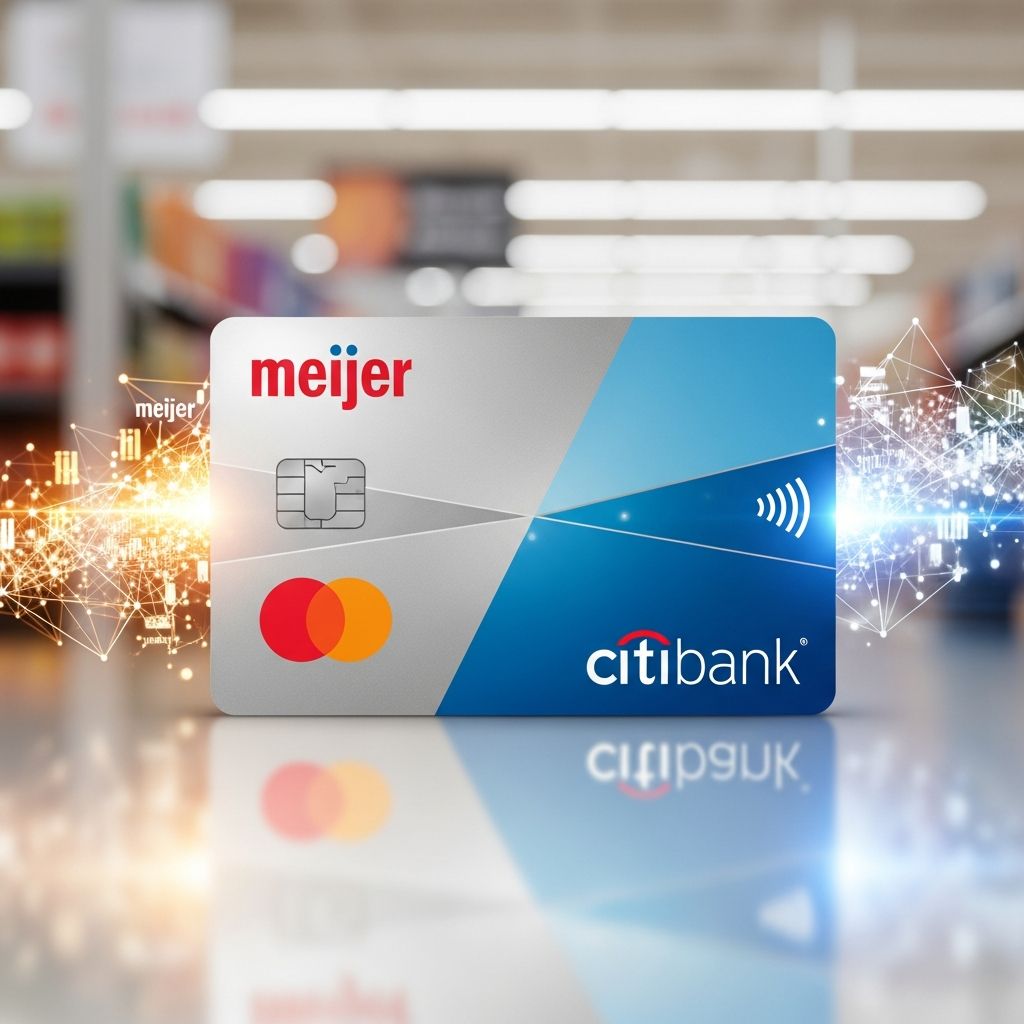
The Meijer credit card issued by Citibank is a retail store card that can help frequent Meijer shoppers earn discounts, but it can also be expensive if you carry a balance or pay late. This guide explains, in plain language, how this type of card typically works, what to watch out for, and how to decide whether it fits your budget and credit goals.
1. What Is the Meijer Credit Card?
The Meijer credit card is a branded card offered in partnership between Meijer and Citibank. It is designed mainly for use at Meijer stores, fuel centers, and the Meijer website, with rewards tied to Meijer spending rather than general everyday purchases.
In many ways, it works like other private-label or co-branded retail credit cards:
- Issued by a bank (Citibank), not by the store itself.
- Used to borrow money for purchases, with interest charged on unpaid balances.
- Subject to federal credit card rules, including disclosure requirements for interest and fees.
Because it is a store-focused product, most of its benefits are concentrated around Meijer purchases rather than broader travel or cash-back categories.
2. Typical Features of a Meijer Store Card
Exact terms can change over time and may vary by offer, but Meijer store cards often share several common features. Always confirm details in the current card agreement before applying or using the card.
2.1 Everyday Rewards and Discounts
Store cards generally offer rewards that encourage you to shop more at the sponsoring retailer, such as:
- Cents-per-gallon savings at affiliated fuel stations when you pay with the card.
- Percentage discounts on eligible in-store or online purchases during promotions.
- Special coupons or bonus offers sent to cardholders by mail or email.
These rewards can save you money only if the card’s interest and fees do not outweigh the discount you receive.
2.2 Introductory and Promotional Offers
Like many retail cards, promotions may include:
- Sign-up savings on your first purchase after opening the account.
- Limited-time discount events for cardholders only.
- Special financing offers on large purchases, which may be deferred-interest offers rather than true 0% APR.
Deferred-interest plans can be risky: if you do not pay the full promotional balance by the deadline, you can be charged interest retroactively from the purchase date.
2.3 Store-Only vs. Co-Branded Versions
Some retail partnerships offer:
- A store-only card usable just at Meijer and affiliated locations.
- A co-branded major-network card (for example, Mastercard) usable anywhere that network is accepted.
The co-branded version can be more flexible but may come with different interest rates, fees, or rewards structures than a store-only card.
3. Costs: Interest, Fees, and Penalties
Before applying for any credit card, the Consumer Financial Protection Bureau (CFPB) recommends reviewing the interest rate, fees, and key terms disclosed in the card agreement. Here are the main cost areas to look for in a Meijer card offer.
3.1 Interest Rate (APR)
Store cards often carry higher annual percentage rates (APRs) than many general-purpose credit cards, especially for borrowers with fair or limited credit.
Key points about APR:
- APR applies to purchase balances that you do not pay in full by the due date.
- There may be different APRs for purchases, cash advances (if allowed), and special financing offers.
- Carrying a balance month-to-month can quickly erode the value of any rewards or discounts you earn.
Paying your statement balance in full each month is the most effective way to avoid interest charges.
3.2 Standard Fees
Common credit card fees you may encounter include:
- Late payment fee if your payment posts after the due date.
- Returned payment fee if your bank rejects a payment.
- Cash advance fee if the card allows and you take out cash.
- Foreign transaction fee on purchases made in a non-U.S. currency, if applicable.
Fee amounts and thresholds must be disclosed in your card’s pricing information, often called the “Schumer box,” which summarizes key costs.
3.3 Penalty Consequences
Late or missed payments can trigger several consequences beyond a one-time fee:
- Increased interest costs because your balance remains higher for longer.
- Potential negative marks on your credit report if you are more than 30 days late.
- Possible account restrictions or closure if you repeatedly pay late or stop paying.
Consistent on-time payments are one of the most important factors in maintaining a strong credit history.
4. Effects on Your Credit Profile
Opening and using the Meijer card affects your credit, just as with any other credit card. The major U.S. credit bureaus collect data on new accounts, balances, payment history, and utilization to calculate scores.
4.1 When You Apply
- The issuer will typically run a hard inquiry on your credit report, which can temporarily lower your credit score by a few points.
- New accounts lower the average age of your credit, another modest factor in many scoring models.
4.2 Ongoing Use
After approval, several behaviors can help or hurt your credit over time:
- Payment history: On-time payments help your score; late payments can significantly damage it.
- Credit utilization: Using a high percentage of your available limit can lower scores, even if you pay on time.
- Account longevity: Keeping a low-fee card in good standing over many years can support your overall credit profile.
4.3 Store Card Limits
Retail cards often come with lower credit limits than general-purpose cards, which can make it easier to accidentally use most of the available credit with a few large trips. Keeping your balance as low as possible relative to your limit is generally better for your credit utilization ratio.
5. Advantages and Drawbacks at a Glance
The table below summarizes common pros and cons of store-branded cards like the Meijer credit card. Exact features vary, so always compare the current offer with your own spending habits.
| Potential Advantage | What It Means for You | Potential Trade-Off |
|---|---|---|
| Targeted rewards at Meijer | Extra savings on groceries, fuel, or household items you already buy. | Limited value if you rarely shop at Meijer. |
| Access to cardholder-only promotions | Exclusive discounts, special sale days, and coupons. | May encourage you to spend more than planned. |
| Easier approval standards | Retail cards sometimes approve applicants with fair or limited credit. | Higher APRs often compensate for this added risk. |
| Opportunity to build credit | On-time payments reported to credit bureaus can help improve your profile. | Missed or late payments can harm your credit score. |
| Convenient fuel and in-store payment | One card to use across the Meijer ecosystem, sometimes with at-the-pump discounts. | Concentrates risk and spending in a single retailer-specific product. |
6. How to Evaluate Whether the Meijer Card Fits You
Before you apply, compare the Meijer card’s costs and benefits to your actual habits and budget. Regulators and consumer advocates emphasize aligning credit card choices with your ability to repay and your long-term financial goals.
6.1 Questions to Ask Yourself
- How often do I shop at Meijer? If you only shop there occasionally, a general-purpose cash-back card may provide broader value.
- Will I always pay in full? If you tend to carry balances, a card with a lower interest rate may be more important than store-specific rewards.
- Can I meet the minimum payment reliably? Consider your monthly cash flow, income stability, and existing debts.
- Do I already have multiple cards? Adding another card increases the complexity of managing payments and due dates.
6.2 Comparing Alternatives
When deciding, consider at least one or two other options:
- A no-annual-fee cash-back card with rewards on groceries or gas.
- A low-interest card if you are working to pay down existing balances.
- A secured credit card if you are rebuilding credit and want tighter control over spending limits.
Independent finance sites and comparison tools can help you weigh features and pricing across cards, but it is important to rely on sources that disclose how they make money and follow strict editorial standards.
7. Smart Use Strategies If You Open the Card
If you decide the Meijer card fits your needs, using it thoughtfully can help you capture value while limiting risk.
7.1 Set Clear Spending Rules
- Use the card only for planned Meijer purchases you would make anyway.
- Avoid using the card for non-essential items simply to earn rewards.
- Consider turning off card-based stored payment in apps or websites if it tempts impulse buys.
7.2 Pay on Time and in Full
- Schedule automatic payments for at least the statement balance if your income is stable.
- Set up payment reminders through your bank or calendar if you do not use autopay.
- Pay more than the minimum whenever possible to limit interest and shorten repayment time.
Paying in full each month prevents interest from accruing on purchases in most standard credit card agreements.
7.3 Monitor Statements and Account Activity
- Review each monthly statement for unauthorized or incorrect charges.
- Track promotional balances to avoid missing the payoff deadline on special financing offers.
- Watch your credit utilization and aim to keep your reported balance well below your credit limit.
7.4 Protect Your Card Information
Card issuers and payment networks are required to follow strict security standards to protect card data, but consumers also play a role in reducing risk.
- Do not share your card number or security code through email or text.
- Avoid writing card numbers on paper or storing them insecurely, as this can expose you to theft.[10]
- Enable alerts (email, text, or app notifications) for transactions and changes to your account profile.
8. Frequently Asked Questions About the Meijer Credit Card
Q1: Is the Meijer credit card a good first card for building credit?
For some borrowers with limited credit history, a retail card may be easier to obtain than a premium rewards card. However, its relatively high interest rate means it is important to charge only what you can pay off in full and to follow best practices for repayment. If you want more flexibility or lower costs, compare it to secured cards and entry-level cash-back cards as alternatives.
Q2: Does applying for the Meijer card hurt my credit score?
When you apply, Citibank will typically perform a hard inquiry on your credit report. This can cause a small, temporary drop in your credit score. Over time, responsible use—on-time payments and low balances relative to your limit—can help offset this impact and may improve your overall credit profile.
Q3: What happens if I miss a payment?
If your payment is late, you may be charged a late fee and will continue to accrue interest on the unpaid portion of your balance. If the payment becomes more than 30 days past due, the issuer may report the delinquency to credit bureaus, which can significantly lower your credit score. Repeated missed payments can eventually lead to collection activity or account closure.
Q4: Are the rewards taxable income?
Most credit card rewards that are earned by making purchases—such as discounts, statement credits, or cash back tied to spending—are treated as a rebate or discount rather than taxable income under U.S. tax rules in typical situations. However, certain bonus offers or promotions not linked to actual spending could have different tax treatment. If you are unsure, consult IRS guidance or a tax professional.
Q5: How do I find the most current terms for the Meijer card?
Card issuers are required by federal regulations to provide up-to-date agreements and pricing information, including APRs and fees, either online or upon request. To confirm the latest terms, review the application disclosures on the official Meijer or Citibank website and read the full card agreement before you accept or use the card.
References
- Editorial Guidelines — CardRates.com. 2023-10-02. https://www.cardrates.com/editorial-guidelines/
- 7 best practices for a foolproof corporate credit card policy — Ramp. 2023-06-27. https://ramp.com/blog/7-best-practices-for-a-foolproof-corporate-credit-card-policy
- Editorial Guidelines — CreditCards.com. 2022-09-15. https://www.creditcards.com/editorial-guidelines/
- Regulation Z, 12 CFR 1026.58 – Internet posting of credit card agreements — Consumer Financial Protection Bureau. 2023-01-01. https://www.consumerfinance.gov/rules-policy/regulations/1026/58/
- Guide to Securely Storing Credit Card Information — LawPay. 2023-04-20. https://www.lawpay.com/about/blog/storing-credit-card-information/
- Why You Should Never Write Down Credit Card Information — IntelliPay. 2022-08-09. https://intellipay.com/why-you-should-never-write-down-credit-card-information/
Similar Articles








Read full bio of Sneha Tete




