Postal mail is still one of the most trusted ways to send and receive information and payments. That trust makes it an attractive target for scammers who use letters, postcards, and packages to trick people into sending money or sharing sensitive information they can exploit later. To protect yourself, it helps to know how these schemes work, what warning signs to look for, and what to do if you think you are being targeted.
What Is Mail Fraud?
Mail fraud is any scheme that uses the postal system to obtain money or personal information under false pretenses. In the United States, fraud involving the U.S. Mail is a federal crime, and the U.S. Postal Inspection Service is the primary law enforcement agency responsible for investigating it.
Mail fraud schemes often involve:
- False promises of prizes, investments, or windfalls
- Fake bills, invoices, or debt collection notices
- Impersonation of government agencies or legitimate companies
- Requests to send money, checks, gift cards, or financial details
Why Criminals Still Love Using Postal Mail
Scammers continue to rely on postal mail because it carries an air of legitimacy and permanence. Many people assume that anything delivered by the Postal Service has been screened or approved, which is not the case. Unlike unwanted phone calls, which can be blocked, or email spam, which often goes to a separate folder, physical mail shows up directly in your mailbox, increasing the chance you will pay attention to it.
Common reasons scammers use the mail include:
- Credibility: Official-looking envelopes and logos make scams appear legitimate.
- Reach: Bulk mailers can cheaply send thousands of letters at once.
- Anonymity: Fake return addresses and shell companies can hide the real sender.
- Combination with other tactics: Mail is often combined with phone calls, texts, emails, or fake websites to make a scam more convincing.
Major Types of Mail-Based Scams
Although scam letters can take many forms, most fall into a few broad patterns. Learning these patterns makes it much easier to recognize fraud before you lose money.
1. Prize, Lottery, and Sweepstakes Schemes
One of the most common forms of mail fraud involves notices claiming you have won a prize, lottery, or sweepstakes. The letter might look like it comes from a well-known company or an overseas lottery.
Typical features include:
- Bold statements that you are a “winner” or have been “specially selected”
- Instructions to pay “fees,” “taxes,” or “processing charges” to claim the prize
- Requirements to respond quickly or lose the opportunity
- Requests for bank account or credit card details to process your winnings
In reality, the scammer either disappears with your money or uses your account data to commit further fraud.
2. Imposter and Government-Lookalike Letters
Imposter scams occur when criminals pretend to be from a government agency, financial institution, or utility company. The letters may use official seals, similar fonts, or language designed to mimic real notices.
Common impersonated entities include:
- Tax authorities demanding payment or personal data
- Regulators or inspectors claiming you owe penalties or fees
- Banks or credit unions asking you to “verify” account information
- Insurance or benefits programs claiming documentation is missing
These letters try to create urgency or fear so you will act without double-checking their authenticity.
3. Fake Bills and Phony Invoices
Some schemes send what look like routine bills, renewals, or subscription notices. They may target both individuals and small businesses. Because the amounts are often modest and the documents appear routine, recipients may pay without asking questions.
Warning signs include:
- Invoices from companies you do not recognize
- Bills for services or publications you never ordered
- Fine print indicating the letter is a “solicitation” rather than an actual bill
- Payment instructions that only accept wire transfers or money orders
4. Phony Financial and Investment Offers
Mail is frequently used to promote fraudulent investments or financial opportunities. Examples include fake certificates of deposit, high-yield investments, and offers to help manage retirement funds with guaranteed returns far above market rates.
These scams often involve:
- Unrealistic promises of risk-free, high returns
- Pressure to invest quickly before a “limited-time” opportunity disappears
- Requests to send funds to offshore accounts or unfamiliar intermediaries
- Documents with impressive charts, testimonials, or bogus expert endorsements
5. Work-From-Home and Reshipping Scams
Some letters market easy work-from-home jobs, such as processing payments, forwarding packages, or “mystery shopping.” Many of these are fronts for money laundering or handling stolen goods, often involving fake checks or reshipped merchandise.
Red flags include:
- Promises of high pay for very little effort
- Instructions to deposit checks and wire back part of the money
- Requests to repackage and reship items that arrived at your home
- Demands for an upfront fee for training, materials, or certification
6. Mail Theft and Check Fraud
Not all mail-related fraud starts with a deceptive letter. Criminals also steal legitimate mail to obtain checks, credit cards, or personal data. Stolen checks can be altered, duplicated, or used to drain your account.
Thieves may:
- Break into mailboxes or steal from collection boxes
- Target outgoing mail that visibly contains checks or financial documents
- Use your bank and address details to create counterfeit checks
Common Warning Signs of a Mail Scam
Most fraudulent mail shares certain characteristics. When you see any of the warning signs below, slow down and verify before responding.
| Red Flag | Why It Matters |
|---|---|
| Pressure to act immediately | Scammers try to prevent you from checking with others or verifying details. |
| Requests for upfront payment to receive a prize or service | Legitimate prizes do not require you to pay fees or taxes in advance. |
| Demands for personal or financial information | Bank details, Social Security numbers, and login data can be used for identity theft. |
| Too-good-to-be-true offers | Guaranteed high returns or huge prizes with no risk are classic scam markers. |
| Unfamiliar sender or vague contact information | Scammers often provide only P.O. boxes, prepaid phones, or fake websites. |
How to Verify Questionable Mail
Instead of responding directly to a suspicious letter, take a few steps to check whether it is real.
- Use trusted contact information: Look up the organization’s phone number or website independently rather than relying on what appears in the letter.
- Contact the organization directly: Call or write using official channels and ask whether they actually sent the letter.
- Check with your bank or card issuer: If the letter claims to be from a financial institution, call the number on the back of your card or on your statement.
- Search for complaints: Many scams use the same names and wording. Consumer protection agencies often post alerts about active schemes.
Smart Habits to Reduce Your Risk
You cannot stop all suspicious mail from arriving, but you can make it harder for criminals to misuse your information or steal your money.
Protect Your Mailbox
- Collect mail promptly and avoid leaving it overnight in unsecured boxes.
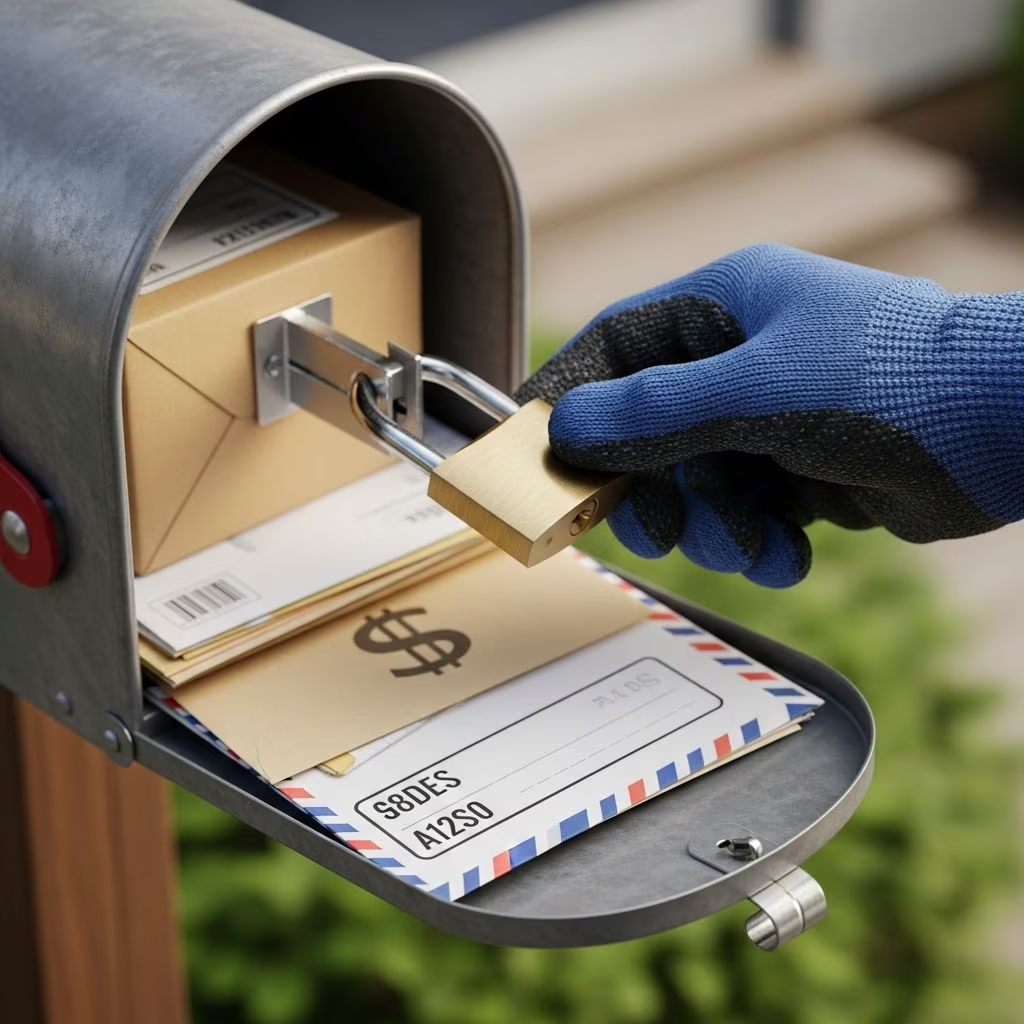
- Use a locked mailbox or a secure receptacle where possible.
- Place outgoing mail in official postal collection boxes shortly before pickup or bring it to the post office.
- Consider electronic billing and payments to reduce the number of checks you send.
Guard Your Personal Information
- Do not share your Social Security number, bank account, or credit card details in response to unsolicited letters.
- Shred documents that contain sensitive data before discarding them.
- Review bank and credit card statements regularly for unfamiliar transactions.
- Use strong, unique passwords for financial accounts and enable multi-factor authentication where available.
Think Twice About Unsolicited Offers
- Be skeptical of any out-of-the-blue offer promising large sums of money, high returns, or guaranteed approval.
- Discuss major financial decisions with a trusted friend, family member, or professional advisor.
- Ignore pressure to keep an offer secret or act without talking to others.
What to Do If You Suspect Mail Fraud
If you think a letter or package is part of a scam, or if you have already responded and now believe you were tricked, quick action can limit the damage.
Step 1: Stop All Contact and Payments
- Do not mail additional payments, checks, or gift cards.
- Stop calling phone numbers or visiting websites listed in the suspicious letter.
- Break off any ongoing communication with the sender or associated telemarketers.
Step 2: Protect Your Financial Accounts
- Contact your bank or credit card issuer immediately if you shared account information or sent a payment.
- Ask about placing holds, monitoring for suspicious activity, or closing and reopening affected accounts.
- Consider placing fraud alerts or credit freezes with the major credit reporting agencies if you believe your identity is at risk.
Step 3: Report the Scam
Reporting helps law enforcement identify patterns and may prevent others from becoming victims.
- U.S. Postal Inspection Service: File a complaint if the scheme used the U.S. Mail or Postal Service-related services.
- Consumer protection agencies: Agencies such as the Federal Trade Commission publish guidance and accept reports on many types of fraud.
- State and local authorities: Your state attorney general or local consumer protection office may also investigate mail scams.
Helping Older Adults and Neighbors Stay Safe
Scammers often target older adults, people living alone, and those who may be more trusting of official-looking mail. Families and communities can help by sharing information and staying involved.
- Offer to review suspicious letters or bills with older relatives or neighbors.
- Encourage open conversations about offers that sound too good to be true.
- Help them contact banks, card issuers, or law enforcement if something appears fraudulent.
- Share reputable educational materials from government consumer protection agencies.
Frequently Asked Questions (FAQs)
Q: How can I quickly tell if a prize letter is a scam?
A: Treat any letter as a scam if it says you have to pay a fee, send money, or provide financial details before you can receive a prize. Legitimate sweepstakes do not charge winners upfront or ask for bank or card numbers to release winnings.
Q: Is every piece of unsolicited mail dangerous?
A: Not all unsolicited mail is fraudulent—legitimate businesses also use direct mail. The danger is responding without verifying. Before acting on an unsolicited offer, confirm the sender’s identity using contact information obtained from independent sources, not from the letter itself.
Q: What should I do if a letter looks like it is from a government agency?
A: Do not use any phone numbers, email addresses, or website links printed in the letter. Instead, visit the agency’s official website or use a known phone number to ask if the notice is genuine. Government agencies warn that scammers frequently impersonate them and pressure people for money or personal data.
Q: Can someone steal my identity just from mail in my mailbox?
A: Stolen mail can provide enough information—such as your name, address, account numbers, or statements—to help criminals commit identity theft or check fraud. Protect yourself by securing your mailbox, picking up mail promptly, and shredding sensitive documents when you no longer need them.
Q: Where can I find reliable information about current mail scams?
A: Official sources such as the U.S. Postal Inspection Service, federal financial regulators, and consumer protection agencies publish alerts and guidance on emerging fraud trends. Check these sites regularly if you want up-to-date information.
References
- The most common mail scams — California Department of Financial Protection and Innovation. 2023-03-15. https://dfpi.ca.gov/news/insights/the-most-common-mail-scams/
- U.S. Postal Inspection Service Guide to Preventing Mail Fraud — U.S. Postal Inspection Service. 2019-01-01. https://about.usps.com/publications/pub300a.pdf
- What are some common types of scams? — Consumer Financial Protection Bureau. 2023-07-24. https://www.consumerfinance.gov/ask-cfpb/what-are-some-common-types-of-scams-en-2092/
- Brushing Scam — U.S. Postal Inspection Service. 2022-09-12. https://www.uspis.gov/news/scam-article/brushing-scam
- The Latest Scams You Need to Be Aware of in 2025 — Experian. 2025-01-10. https://www.experian.com/blogs/ask-experian/the-latest-scams-you-need-to-aware-of/
- Fraud Alerts — U.S. Department of the Treasury, Office of Inspector General. 2024-06-01. https://oig.treasury.gov/fraud-alerts
- Recognize tax scams and fraud — Internal Revenue Service. 2024-02-07. https://www.irs.gov/help/tax-scams/recognize-tax-scams-and-fraud
- Pass It On: Consumer Protection Information — Federal Trade Commission. 2022-05-18. https://consumer.ftc.gov/features/pass-it