
Getting Your Money Back After Unauthorized Bank Transactions
Learn how to respond quickly, limit your losses, and work with your bank to recover money after unauthorized withdrawals or charges.
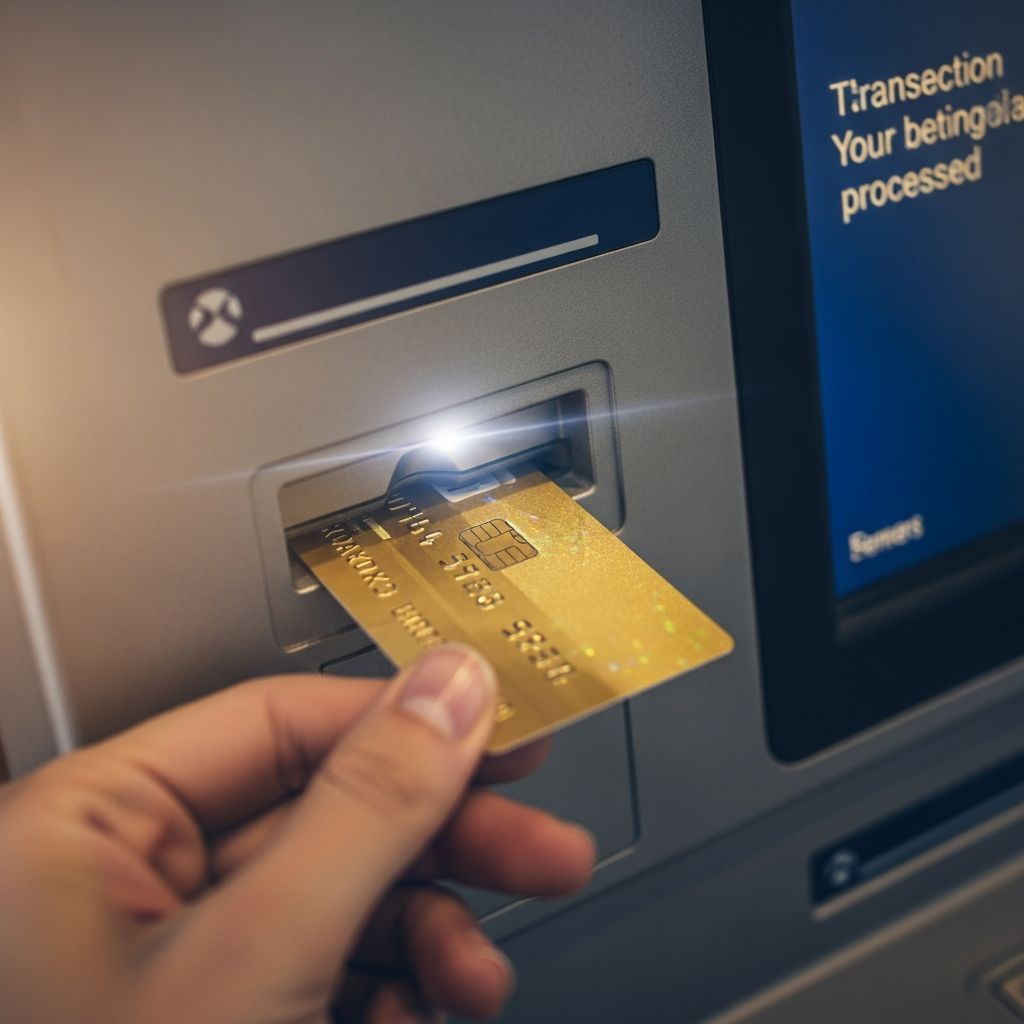
Finding a withdrawal or purchase you do not recognize in your bank account can be alarming. Acting quickly is crucial to limit your losses and protect your rights. This guide explains how unauthorized transactions are handled, what deadlines apply, and what to expect from your bank’s investigation, based on U.S. consumer protection rules for electronic fund transfers.
Understanding Unauthorized Transactions and Account Errors
Not every confusing entry on your statement is fraud, but you should treat anything you do not recognize as urgent until you confirm what happened. In general, an unauthorized transaction is an electronic transfer from your account that you did not initiate and did not give someone permission to make.
- Electronic fund transfers (EFTs) generally include ATM withdrawals, debit card purchases, many online payments, and automatic debits from your checking or savings account.
- Errors can include payments posted for the wrong amount, transactions you never made, or transfers to the wrong account.
- Authorized but regretted payments (for example, when you voluntarily paid a scammer) are usually treated differently from truly unauthorized transfers.
Federal law, including the Electronic Fund Transfer Act and Regulation E, sets rules for consumer liability and bank responsibilities when errors or unauthorized electronic transfers occur.
First Steps When You Spot Suspicious Activity
As soon as you see money missing or a suspicious debit, your priority is to stop any further losses and start the dispute clock. Prompt action often determines how much you can be held responsible for.
Immediate Actions to Take
- Review your recent activity carefully. Confirm whether the transaction could be a delayed charge, a subscription renewal, or a merchant using a different billing name.
- Contact your bank or credit union right away. Use the number on the back of your debit card or on your statement; report that you believe an unauthorized transaction or error has occurred.
- Request your card or account be secured. Ask the bank to block your card, change your card number, or close and reopen the account if necessary to prevent further withdrawals.
- Document everything. Write down the date and time you called, who you spoke with, and what they said they would do.
Verbal notice (by phone or in-person) usually starts the bank’s investigation deadlines, but the bank may require you to follow up in writing to qualify for certain protections or temporary credits.
Your Liability Depends on How Fast You Report
The law generally limits how much of an unauthorized electronic transfer you must cover yourself, but the limits change based on how quickly you notify your bank after discovering a problem.
| Situation | When You Report | Maximum Potential Liability |
|---|---|---|
| Debit card lost or stolen and used without permission | Within 2 business days after you learn of the loss or theft | No more than $50 in unauthorized transfers from that card. |
| Debit card lost or stolen and used without permission | After 2 business days, but within 60 days after the statement showing the first unauthorized transfer is sent | Up to $500 in unauthorized transfers. |
| Debit card lost or stolen and used without permission | More than 60 days after the statement showing the first unauthorized transfer is sent | You may have to cover all unauthorized transfers that occur after the 60-day period and before you notify the bank, if the bank can show the losses would not have happened had you reported in time. |
| No loss or theft of card, but unauthorized electronic transfer from your account | Within 60 days after the statement is sent | Generally no liability for transfers you did not authorize, beyond what is allowed by law and your account agreement. |
| No loss or theft of card, but unauthorized electronic transfer from your account | More than 60 days after the statement is sent | You may be responsible for additional unauthorized transfers after day 60 until you notify the bank, if the bank shows it could have prevented them. |
In unusual situations, such as long hospital stays or extended travel that prevent timely notice, the time limits must be reasonably extended.
How to Notify Your Bank Effectively
Clear, prompt notice is the foundation of your protection. The law allows you to provide notice in several ways, but putting it in writing gives you stronger proof if there is a dispute later.
What to Tell Your Bank
When you contact your bank or credit union:
- State that you are reporting a possible error or unauthorized electronic fund transfer.
- Provide your name and account number.
- Describe the transaction you are disputing: date, amount, and merchant or ATM.
- Explain why you believe it is wrong or unauthorized (for example, you did not make or authorize the transfer).
- Request that the bank investigate and correct the error.
The bank may ask you to sign a written statement or provide additional documentation. If they request written confirmation, you typically must send it within 10 business days for certain protections, such as temporary credits, to apply.
Written Dispute Template (Sample Structure)
You may structure your written notice like this:
- Subject line: Dispute of Unauthorized Electronic Fund Transfer
- Opening: State that you are writing to dispute a transaction and believe an error has occurred.
- Details: Include date, amount, merchant, and why you believe it is unauthorized or incorrect.
- Request: Ask the bank to investigate and provide written findings.
- Signature: Sign and date the letter, and keep a copy.
What Happens During the Bank’s Investigation
Once you give notice, the bank or credit union must follow timelines and procedures for investigating your claim. These deadlines are set in federal regulations and can differ slightly depending on when the account was opened or where and how the transaction occurred.
General Investigation Timeframes
- The bank typically has 10 business days after you notify it to investigate an alleged error and decide whether one occurred.
- If your account has been open for less than 30 days, the bank may have up to 20 business days to make an initial decision.
- If more time is needed, the bank generally must give you a temporary credit for the disputed amount (minus up to $50) while it continues investigating.
- The bank usually must fully resolve the dispute within 45 days, or up to 90 days in certain cases, such as foreign transactions, point-of-sale debit card purchases, or issues arising shortly after account opening.
After the bank concludes its investigation, it must correct any error within one business day and notify you of the results within three business days.
Temporary Credits and When They May Not Apply
If the bank cannot complete its investigation within the initial 10 or 20 business days, it must generally post a provisional (temporary) credit to your account for the disputed amount, potentially minus up to $50.
However, a bank is not always obligated to provide a temporary credit. For example:
- If the bank asks you to provide written confirmation and you do not send it within the required timeframe, it may decline to issue a temporary credit while it continues investigating.
- If the bank reasonably concludes early that the transaction was authorized, it may decide an error did not occur.
If the bank ultimately decides the transaction was authorized, it can reverse the temporary credit but must provide written notice before removing funds from your account.
Special Situations: Lost Card vs. Card in Your Possession
Your obligations and the bank’s analysis can differ depending on whether your physical debit card, PIN, or account credentials were lost or stolen.
If Your Debit Card Is Lost or Stolen
If you discover your card is missing or believe it has been stolen:
- Report the loss immediately—ideally before any unauthorized transactions occur.
- When reported within two business days after discovery, your maximum exposure for unauthorized transactions with that card is generally $50.
- If you wait more than two business days but still report within 60 days of the statement showing the first unauthorized charge, your liability can rise to as much as $500.
- Waiting more than 60 days after the statement can severely increase your potential losses for later unauthorized transfers.
If Your Card Is Still in Your Possession
Sometimes there is no lost card, but your account information has been compromised, or an error has occurred.
- Report any unauthorized withdrawals or debits on your statement as soon as you spot them.
- You must typically notify your bank within 60 days after the statement listing the unauthorized transfer is sent to you to retain full protections against further losses.
- After 60 days, you may be required to cover additional unauthorized transactions that occur until you notify the bank, if the bank shows those could have been prevented.
When the Bank Says the Transaction Was Authorized
Sometimes, after reviewing records, signatures, or device data, a bank concludes that the transaction was authorized. In that case, it must notify you in writing and explain its findings before removing any temporary credits.
If you disagree with the decision:
- Ask for documentation. You have the right to request the information the bank relied on when reaching its decision.
- Use any appeal process available. Many financial institutions offer a formal appeal or escalation process within a set time after you receive the decision.
- Consider filing complaints. You may submit complaints to federal regulators such as the Consumer Financial Protection Bureau or the Federal Trade Commission, or to the bank’s primary regulator.
- Seek legal advice if needed. For significant losses or complex disputes, a consumer law attorney can help you assess next steps.
Preventing Future Unauthorized Transactions
While no method is foolproof, careful account monitoring and basic security habits reduce the likelihood and impact of unauthorized transfers.
- Check statements and online activity regularly. Review transactions at least monthly, and more often if possible, so you can catch problems before deadlines expire.
- Set up alerts. Many banks let you receive text or email alerts for large purchases, ATM withdrawals, or online transfers.
- Protect your cards and PINs. Do not share your card, PIN, or online banking password, and shield your PIN at ATMs and checkout terminals.
- Be cautious online. Use secure networks for banking, keep devices updated, and avoid clicking suspicious links or responding to unexpected requests for login information.
- Watch automatic payments and subscriptions. Keep a list of authorized recurring debits so unfamiliar company names stand out on your statement.
Frequently Asked Questions (FAQs)
1. What counts as an unauthorized transaction?
An unauthorized transaction is an electronic transfer from your bank account that you did not make yourself and did not give anyone clear permission to perform. This includes ATM withdrawals, debit card purchases, and automatic debits initiated without your authorization.
2. How quickly should I report a suspicious charge?
You should report it as soon as you notice it. To keep your liability as low as possible, report a lost or stolen debit card within two business days of discovering the loss, and report any unauthorized transfer appearing on your statement within 60 days of when the statement was sent.
3. Will the bank always give me my money back right away?
Not always. The bank generally has up to 10 business days (or 20 days for newer accounts) to investigate. If it needs more time, it usually must provide a temporary credit for the disputed amount, minus up to $50, while it continues the investigation. Some conditions apply—for example, you may need to return a written dispute form.
4. What if I paid a scammer voluntarily?
If you authorized the transfer yourself, even if you were deceived, it may not be considered an unauthorized transaction under electronic transfer rules. You should still contact your bank and explain what happened; you may be able to pursue a reversal or chargeback in some circumstances, but protections are often more limited than for true unauthorized use.
5. Can I get help from government agencies?
Yes. You can file complaints about how your bank handled an unauthorized transaction with federal agencies such as the Consumer Financial Protection Bureau or the Federal Trade Commission, which collect complaints and may help facilitate responses from financial institutions.
References
- How do I get my money back after I discover an unauthorized transaction or money missing from my bank account? — Consumer Financial Protection Bureau. 2023-05-26. https://www.consumerfinance.gov/ask-cfpb/how-do-i-get-my-money-back-after-i-discover-an-unauthorized-transaction-or-money-missing-from-my-bank-account-en-1017/
- What To Do if You Were Scammed — Federal Trade Commission. 2023-10-19. https://consumer.ftc.gov/articles/what-do-if-you-were-scammed
- How Do Banks Investigate Unauthorized Transactions? — Signature Bank of Georgia. 2022-08-10. https://www.signaturebankga.com/how-do-banks-investigate-unauthorized-transactions/
- Understanding the Claims Process — Wells Fargo. 2024-01-05. https://www.wellsfargo.com/debit-card/claims/
- Do banks refund scammed money? How to get your money back after a scam — Norton LifeLock. 2024-04-02. https://lifelock.norton.com/learn/fraud/do-banks-refund-scammed-money
- My bank refuses to refund fraudulent charges on my card: What can I do? — Bankrate. 2023-07-13. https://www.bankrate.com/credit-cards/advice/bank-refuses-fraudulent-charge-refund/
- What is a chargeback? Understanding the basics — Fraud.com. 2023-03-22. https://www.fraud.com/post/what-is-a-chargeback
Similar Articles








Read full bio of medha deb




