
Florida Consumer Collection Practices Act Guide
Empowering Florida residents with knowledge of FCCPA protections against abusive debt collection tactics and enforcement rights.
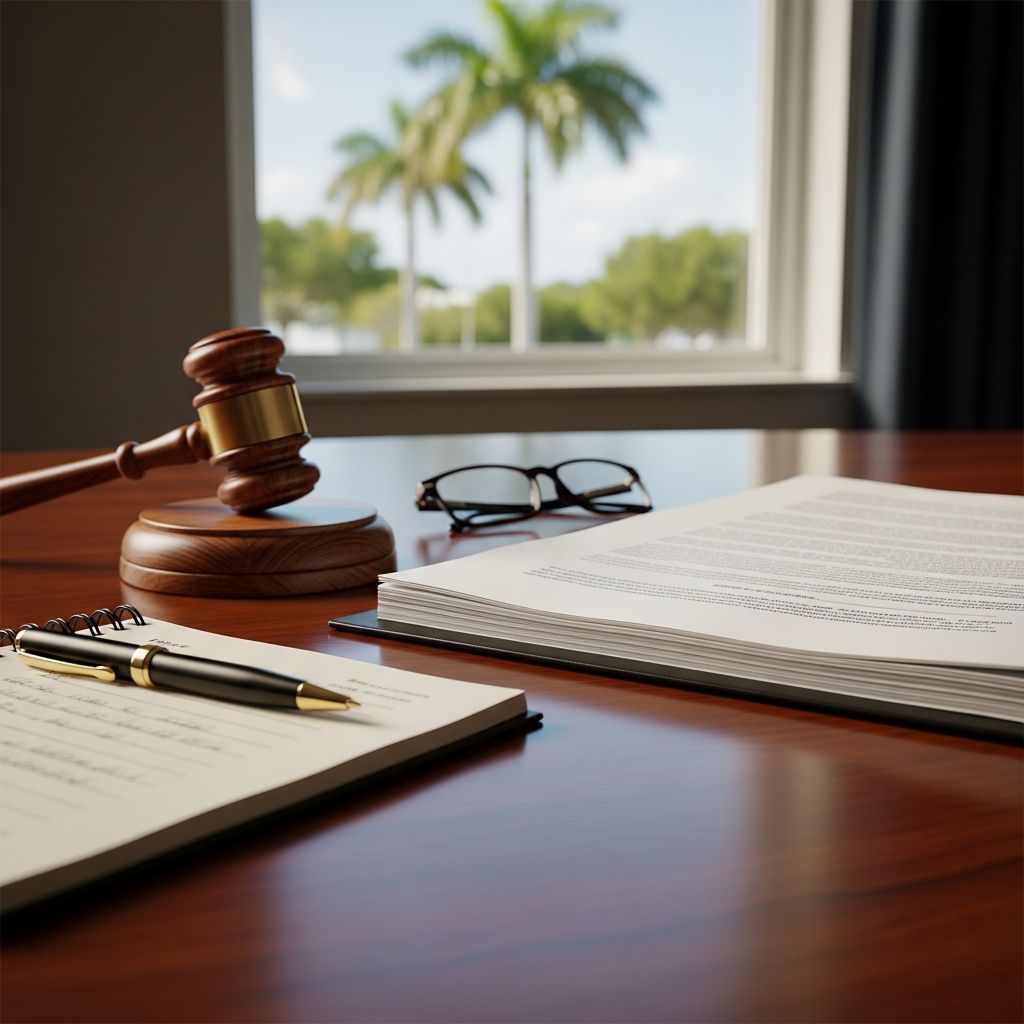
Florida’s Consumer Collection Practices Act (FCCPA), codified in Florida Statutes Sections 559.55 through 559.785, establishes robust safeguards for individuals facing debt collection efforts. Designed to curb abusive, deceptive, and unfair tactics, this state law applies broadly to both original creditors and third-party agencies, offering stronger protections than its federal counterpart in many scenarios.
Core Purpose and Scope of the FCCPA
The FCCPA aims to shield natural persons from predatory debt recovery methods, prioritizing consumer interests in its interpretations. Courts must construe its provisions favorably toward debtors, giving significant weight to Federal Trade Commission guidelines on the federal Fair Debt Collection Practices Act (FDCPA). Unlike the FDCPA, which targets only third-party collectors, the FCCPA encompasses any entity attempting to collect consumer debts, including lenders servicing their own loans.
A consumer debt under the Act includes any obligation arising from transactions for personal, family, or household needs, such as medical bills, credit cards, or utility payments—whether disputed or reduced to judgment. This wide net ensures everyday Floridians receive protection without loopholes for self-collecting creditors.
Who Must Follow FCCPA Rules?
Any person or business collecting consumer debts in Florida falls under FCCPA jurisdiction. This includes registered Consumer Collection Agencies (CCAs), which must obtain licensing from the Office of Financial Regulation to pursue debts on behalf of others. CCAs can handle some commercial debts but derive less than half their revenue from them to maintain focus on consumer protections.
- Original creditors collecting their own debts.
- Third-party collection agencies and assignees.
- Attorneys or affiliates involved in debt enforcement.
Businesses ignoring these rules risk severe penalties, as the Act incentivizes compliance through private lawsuits and statutory awards.
Prohibited Debt Collection Tactics Under the FCCPA
Section 559.72 lists 19 specific bans on collection conduct, targeting harassment, falsehoods, and overreach. Collectors cannot impersonate officials, employ threats, or mislead debtors—violations often lead to swift litigation.
| Prohibited Action | Statutory Reference | Example Violation |
|---|---|---|
| Impersonating law enforcement or government | §559.72(1) | Pretending to be a police officer to intimidate payment |
| Using or threatening violence | §559.72(2) | Physical threats or property damage warnings |
| Obscene, profane, or abusive language | §559.72(3) | Profanity-laced calls or insults |
| False threats of legal action | §559.72(4) | Promising arrest without basis |
| Contacting third parties abusively | §559.72(5) | Disclosing debt to employer without consent |
Additional restrictions cover repeated calls at unreasonable hours (before 8 a.m. or after 9 p.m.), publishing debtor lists, or accepting post-dated checks with premature deposits. Collectors must also avoid simulating legal documents or claiming nonexistent rights.
How FCCPA Builds on Federal Protections
The Act explicitly defers to FDCPA interpretations where helpful but mandates the more debtor-friendly rule in conflicts. For instance, FDCPA’s ‘mini-Miranda’ notice—disclosing collection intent in communications—mirrors FCCPA expectations, yet state law applies to a broader actor pool. Federal rules prohibit similar abuses like deception or harassment, but FCCPA’s lack of class action caps exposes violators to potentially unlimited liability.
When debts are assigned, collectors must notify debtors within 30 days, and pursuing known illegitimate claims is forbidden.
Enforcement Mechanisms and Debtor Remedies
Violations trigger private rights of action in the county of the collector’s residence, business, or violation site. Successful plaintiffs recover:
- Actual damages (e.g., emotional distress, lost wages).
- Statutory damages up to $1,000 per action.
- Punitive damages for egregious conduct.
- Injunctions to halt collections.
- Court costs and attorney fees.
Class actions amplify risks: up to $1,000 per named plaintiff, plus aggregate awards to the lesser of $500,000 or 1% of net worth (capped at $1,000 per member). Note: Statutory damages are per lawsuit, not per violation, tempering but not eliminating exposure.
Time Limits for Filing Claims
Debtors have two years from each violation to sue, providing ample opportunity to document and act. This clock starts per incident, allowing multiple claims from ongoing harassment.
Registration and Oversight for Collectors
CCAs require state registration, authorizing consumer debt pursuits while limiting commercial activity. The Office of Financial Regulation enforces licensing, ensuring only compliant entities operate. Unregistered collection invites FCCPA scrutiny and potential invalidation of efforts.
Practical Steps for Consumers Facing Collections
- Document everything: Log calls, letters, and contacts with dates, times, and details.
- Request validation: Demand written proof of debt ownership and amount.
- Cease communication: Send certified mail demanding no further contact except legal notices.
- Report violations: File with Florida’s Office of Financial Regulation or Attorney General.
- Consult counsel: Many attorneys take FCCPA cases on contingency due to fee-shifting.
These steps empower debtors, turning harassment into leverage for resolution or litigation.
Compliance Checklist for Debt Collectors and Creditors
To avoid pitfalls, businesses should train staff rigorously:
- Verify debt legitimacy before pursuit.
- Use compliant scripts and notices.
- Respect time/communication bans.
- Maintain accurate records for defenses.
- Monitor for FDCPA/FCCPA alignment.
Proactive audits reduce lawsuit risks, as defense costs often exceed settlements for technical slips.
Frequently Asked Questions (FAQs)
Does the FCCPA apply to my credit card company collecting its own debt?
Yes, unlike the FDCPA, FCCPA covers original creditors directly engaging in collections.
What if a collector calls my workplace?
Prohibited without consent; this violates third-party contact rules and supports a claim.
Can I sue for emotional distress under FCCPA?
Absolutely—actual damages include mental anguish proven by evidence.
Is there a license required for debt collectors in Florida?
Consumer Collection Agencies must register with the state.
How much can I get in a class action?
Up to $1,000 per member, with aggregate limits based on defendant net worth.
Navigating Modern Challenges in Debt Collection
Digital tools amplify risks: robocalls, emails, and texts must comply, with electronic harassment equally actionable. Post-COVID debt surges heightened scrutiny, as courts uphold FCCPA amid rising consumer disputes. Businesses adapting with ethical tech stay ahead, while violators face injunctions alongside damages.
For debtors, awareness translates to power—knowing rights deters overreach. Creditors benefit from compliance, preserving reputations and avoiding fee burdens that make even minor wins pyrrhic.
This framework, blending state innovation with federal baselines, positions Florida as a leader in consumer safeguards, ensuring fair play in debt resolution.
References
- Florida’s Consumer Collection Practices Act (FCCPA): Understanding the FCCPA — Jimerson Birr. 2019. https://www.acc.com/floridas-consumer-collection-practices-act-fccpa-understanding-fccpa
- Consumer Collection Agencies — Florida Office of Financial Regulation. Accessed 2026. https://flofr.gov/divisions-offices/division-of-consumer-finance/consumer-collection-agencies
- Overview of the Florida Consumer Collection Practice Act — RT Law. Accessed 2026. https://www.rtlaw.com/overview-of-the-florida-consumer-collection-practice-act/
- Florida Consumer Collection Practices Act Compliance — Jimerson Birr. Accessed 2026. https://www.jimersonfirm.com/services/florida-consumer-collection-practices-act-defense/florida-consumer-collection-practices-act-compliance/
- What You Should Know About the Federal Fair Debt Collection Practices Act — The Florida Bar Journal. Accessed 2026. https://www.floridabar.org/the-florida-bar-journal/what-you-should-know-about-the-federal-fair-debt-collection-practices-act/
- Fair Debt Collection Practices Act Text — Federal Trade Commission. Accessed 2026. https://www.ftc.gov/legal-library/browse/rules/fair-debt-collection-practices-act-text
- Florida Statutes §559.72 — The 2025 Florida Statutes (Online Sunshine). 2025. https://www.leg.state.fl.us/statutes/index.cfm?App_mode=Display_Statute&URL=0500-0599%2F0559%2FSections%2F0559.72.html
Similar Articles








Read full bio of medha deb




