
Essential Credit Card Answers for Everyday Consumers
Clear, practical guidance to help you choose, use, and manage credit cards confidently while protecting your rights and your money.
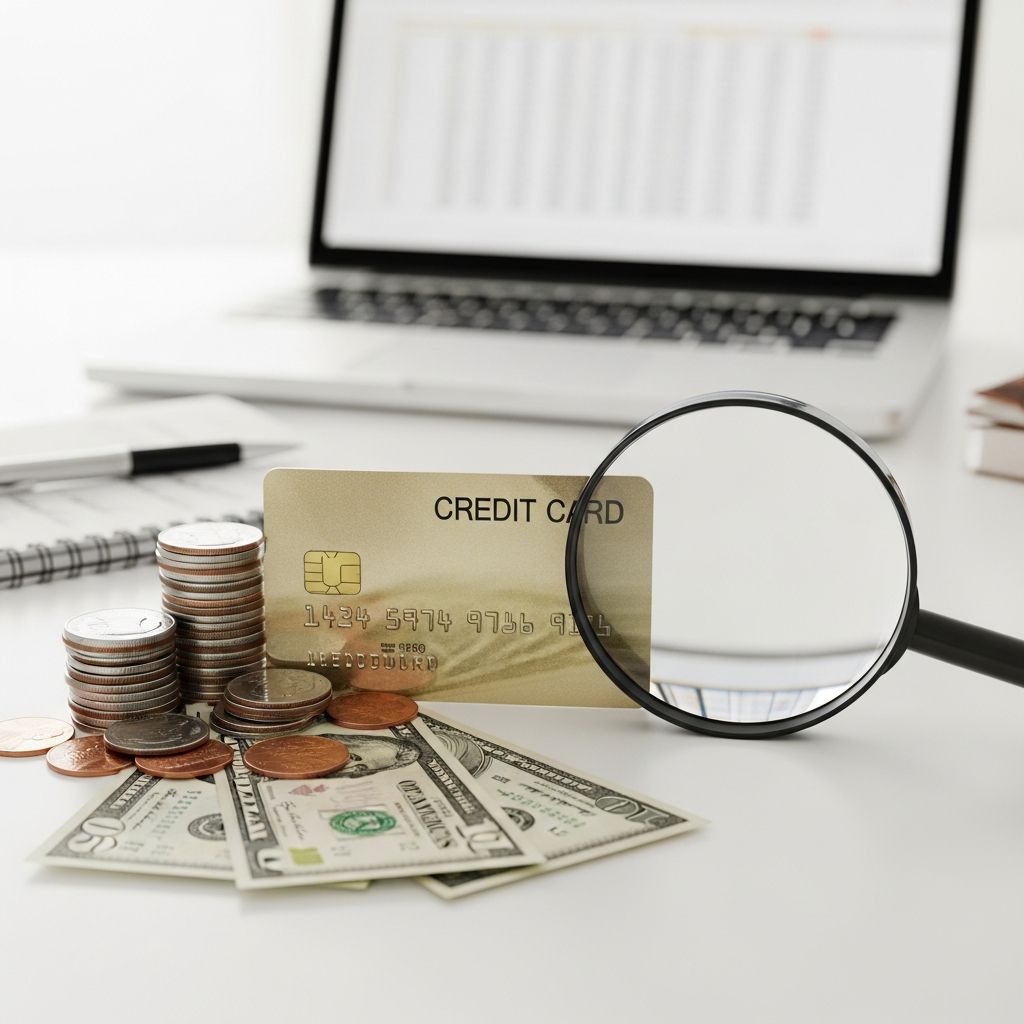
Credit cards can be powerful tools for managing everyday expenses, building credit history, and accessing short-term borrowing. Used carelessly, though, they can become one of the most expensive forms of debt. This guide explains how credit cards work, how to compare offers, what to watch out for in the fine print, and which rights protect you as a cardholder.
1. How Credit Cards Work in Plain Language
A credit card is a revolving line of credit issued by a bank or credit union. You can borrow up to your credit limit, repay, and then borrow again.
- Purchases: When you pay with a card, the issuer pays the merchant and you owe the issuer.
- Statement cycle: Each month, you receive a bill listing your balance, minimum payment, due date, and interest rates.
- Grace period: If you pay the full statement balance by the due date, you generally avoid interest on new purchases.
- Revolving balance: If you pay less than the full balance, the remainder carries over and accrues interest until paid off.
Credit cards differ from debit cards because you are borrowing money instead of spending your own funds immediately. They also differ from installment loans (like auto loans or personal loans) because there is no fixed payoff schedule and your balance and payment can change from month to month.
Key Terms You Will See on Credit Card Disclosures
| Term | What It Means | Why It Matters |
|---|---|---|
| APR (Annual Percentage Rate) | The yearly cost of borrowing, expressed as a percentage. | Determines how expensive it is to carry a balance. |
| Variable APR | Rate that can change based on an index, such as the prime rate. | Your interest cost can rise when market rates rise. |
| Credit limit | Maximum amount you are allowed to borrow on the card. | Going over the limit can trigger declined transactions or fees. |
| Minimum payment | The smallest amount you must pay by the due date. | Paying only this keeps the account current but can prolong debt. |
| Penalty APR | Higher interest rate that can apply after serious late payments. | Missed payments can make future borrowing far more expensive. |
2. Comparing Credit Card Offers the Smart Way
Before you apply for a credit card, review the legally required cost and feature disclosures. U.S. law requires a standardized table, often called the Schumer box, that lists key rates and fees so you can compare cards easily.
Core Factors to Evaluate
- Interest rates:
- Purchase APR, balance transfer APR, and cash advance APR may all be different.
- Introductory 0% APR offers eventually end; note when and what the ongoing rate will be.
- Fees:
- Annual fee.
- Balance transfer fee (often a percentage of each transfer).
- Cash advance fee.
- Foreign transaction fee, if you use the card abroad or in foreign currency.
- Late payment and returned payment fees.
- Rewards and benefits:
- Cash back, points, or miles on purchases.
- Intro bonuses that require a certain amount of spending in a time window.
- Additional benefits like purchase protection, extended warranty, or travel insurance (varies by issuer and network).
- Credit requirements: Some cards are aimed at people with established credit, others at beginners or those rebuilding credit.
Match the card to your goal:
- Paying down debt: Prioritize low or 0% intro APR balance transfer offers and low ongoing interest rates.
- Everyday spending and rewards: Focus on rewards structure and whether there is an annual fee that is worth paying.
- Building or rebuilding credit: Consider secured or starter cards with lower limits and fewer perks but more flexible approval criteria.
3. Understanding and Managing Credit Card Costs
Most credit card costs fall into two broad categories: interest and fees. You have considerable control over both if you understand how they are triggered and how to avoid them.
How Interest Charges Are Calculated
When you carry a balance, issuers typically calculate a daily interest charge using the daily periodic rate (APR divided by 365) multiplied by your average daily balance. This means:
- Carrying even moderate balances at high APRs can become costly over time.
- Paying down your balance earlier in the billing cycle can reduce your average daily balance and therefore your interest cost.
- Cash advances usually begin accruing interest immediately and at a higher APR, often without a grace period.
Common Fees and How to Avoid Them
- Late payment fees: Charged when you pay after the due date. Paying at least the minimum on time each month prevents these fees and protects your credit report.
- Over-the-limit fees: Some issuers may allow transactions above your limit only if you opt in to this service; doing so can lead to additional fees and is usually not necessary.
- Balance transfer fees: A percentage of each transferred balance, commonly 3–5%. Factor this into any decision to move debt between cards.
- Foreign transaction fees: Often around 3% of each purchase in another currency. If you travel frequently, a card with no foreign transaction fees can save money.
Strategies to Keep Costs Down
- Set up automatic payments for at least the minimum, ideally for the full statement balance.
- Avoid cash advances unless it is a true emergency and you understand the cost.
- Use balance transfer offers with a clear payoff plan before the intro period ends.
- Limit the number of open accounts if annual fees outweigh benefits.
4. Building and Protecting Your Credit with Cards
Credit cards can help you build a strong credit history when used responsibly. Payment history and utilization (how much of your available credit you use) are major components of credit scoring models.
Using a Card to Build Credit
- Pay on time, every time: Even one payment more than 30 days late can hurt your credit reports and scores.
- Keep balances low: Many experts suggest keeping utilization well below 30% of your total limit, and lower is generally better.
- Start small: If new to credit, one simple, low-fee card is usually enough to begin building history.
- Consider secured cards: If you have no credit or damaged credit, a secured card backed by a refundable deposit can help you rebuild when on-time payments are reported to the credit bureaus.
Monitoring Your Accounts and Credit Reports
- Review your monthly statement for unfamiliar transactions and billing errors.
- Use text or email alerts for due dates, large purchases, or unusual activity.
- Check your credit reports regularly to confirm that accounts and payment history are accurate.
5. Your Key Legal Rights as a Cardholder
Several federal laws govern how credit cards are marketed, issued, and managed in the United States. These laws give you specific protections and rights as a consumer.
Truth in Lending and Clear Disclosures
The Truth in Lending Act (TILA) requires credit card issuers to clearly disclose important terms like APRs, fees, and payment information so consumers can compare offers. The account-opening disclosure and the monthly statement are key documents protected by these rules.
Protections for Account Management and Penalty Fees
The Credit Card Accountability Responsibility and Disclosure (CARD) Act strengthened protections related to rate changes, fees, and billing practices.
- Issuers generally must give advance notice before significantly increasing your rate on new transactions.
- Penalty fees, such as late fees, must be reasonable and proportional to the violation.
- Statements must be mailed or delivered at least 21 days before the due date.
- Payments above the minimum generally must be applied first to higher-interest balances in many cases, helping you pay down costlier debt faster.
Disputing Billing Errors and Fraud
Under the Fair Credit Billing Act (FCBA), you have the right to dispute certain billing errors and withhold payment on the disputed amount while the creditor investigates.
- You can challenge charges for goods or services you did not accept or that were not delivered as agreed.
- To preserve all rights, you generally must send a written dispute to the address for billing inquiries within a specific time window (typically 60 days from when the statement with the error was sent).
For unauthorized charges, federal law limits your liability, and many issuers go further by offering zero-liability policies for fraudulent transactions, provided you report them promptly.
6. Handling Problems with Your Credit Card Company
Disagreements with a card issuer can involve billing errors, interest charges you do not recognize, incorrect fees, or problems closing an account. How you respond can affect both your finances and your credit record.
Steps to Resolve a Problem
- Start with the issuer: Call the customer service number on the back of your card to ask questions or request corrections. Take notes on dates, names, and what was said.
- Follow up in writing: For formal billing disputes, send a letter to the billing inquiries address provided on your statement, describing the error and including copies of supporting documents.
- Monitor outcomes: The issuer must investigate and respond within timelines specified by law for billing disputes.
- Escalate if necessary: If you cannot resolve the issue, you may submit a complaint to a financial regulator or consumer protection agency, which can forward your complaint to the company and seek a response.
7. Safe and Responsible Use in Daily Life
Beyond the technical and legal details, good day-to-day habits make the biggest difference in how well credit cards serve you.
Practical Habits for Responsible Use
- Use your card primarily for purchases you can afford to repay quickly.
- Track your spending throughout the month, not just at statement time.
- Avoid using credit to cover chronic budget shortfalls; instead, review your expenses and income and adjust where possible.
- Consider keeping a low-interest card for emergencies and a rewards card for planned spending.
Protecting Yourself from Fraud and Misuse
- Never share your full card number, security code, or PIN with anyone who contacts you unexpectedly.
- Beware of phishing emails, texts, or calls that ask you to “verify” account details. Contact the number on the back of your card instead of using contact information from the message.
- Report lost or stolen cards immediately; your liability for unauthorized use is limited and may be zero if you act promptly.
- Use secure websites for online purchases and consider virtual card numbers when your issuer offers them.
Frequently Asked Questions (FAQs)
Q1: Do I have to carry a balance to build credit?
No. Having a card, using it occasionally, and paying the statement balance in full and on time is enough to build a positive payment history. Carrying a balance only adds interest cost and is not required for good credit scores.
Q2: What happens if I only pay the minimum?
Paying the minimum by the due date keeps your account in good standing but can significantly extend the time it takes to repay your debt and increase total interest paid. Statements must show an estimate of how long payoff will take if you pay only the minimum versus a larger amount.
Q3: Can my interest rate increase?
Yes, in some circumstances. For example, variable rates can rise when the underlying index increases, and a penalty APR may apply after serious late payments. However, laws limit how and when issuers can raise rates, and they generally must provide advance notice for increases on new transactions.
Q4: Will closing a credit card help my credit score?
Closing a card may reduce your total available credit and increase your utilization ratio, which can hurt your scores in the short term. It may make sense to close unused cards that charge annual fees, but keeping older, no-fee cards open can help maintain a longer credit history and more available credit.
Q5: What should I do if I cannot make my payment?
Contact your issuer as soon as possible to explain the situation. Ask about hardship programs, payment plans, or temporary relief options. Acting early may help you avoid some fees and protect your credit record better than ignoring the bill.
References
- Credit cards: Know your rights and protections — Consumer Financial Protection Bureau. 2023-06-15. https://www.consumerfinance.gov/consumer-tools/credit-cards/
- How credit cards work — Federal Reserve Board. 2022-09-01. https://www.federalreserve.gov/consumerinfo/creditcard.htm
- Choosing and using credit cards — Federal Trade Commission. 2023-04-18. https://www.consumer.ftc.gov/articles/choosing-and-using-credit-cards
- Credit cards and your credit report — Federal Trade Commission. 2022-11-03. https://www.consumer.ftc.gov/articles/credit-cards-and-your-credit
- Credit Card Act of 2009: What it does for consumers — Congressional Research Service. 2019-05-01. https://crsreports.congress.gov/product/pdf/R/R41125
Similar Articles








Read full bio of medha deb




