
Earnest Money Deposits: Boosting Real Estate Offers
Discover how earnest money strengthens your home buying offer, typical amounts, and key rules for protection in property transactions.
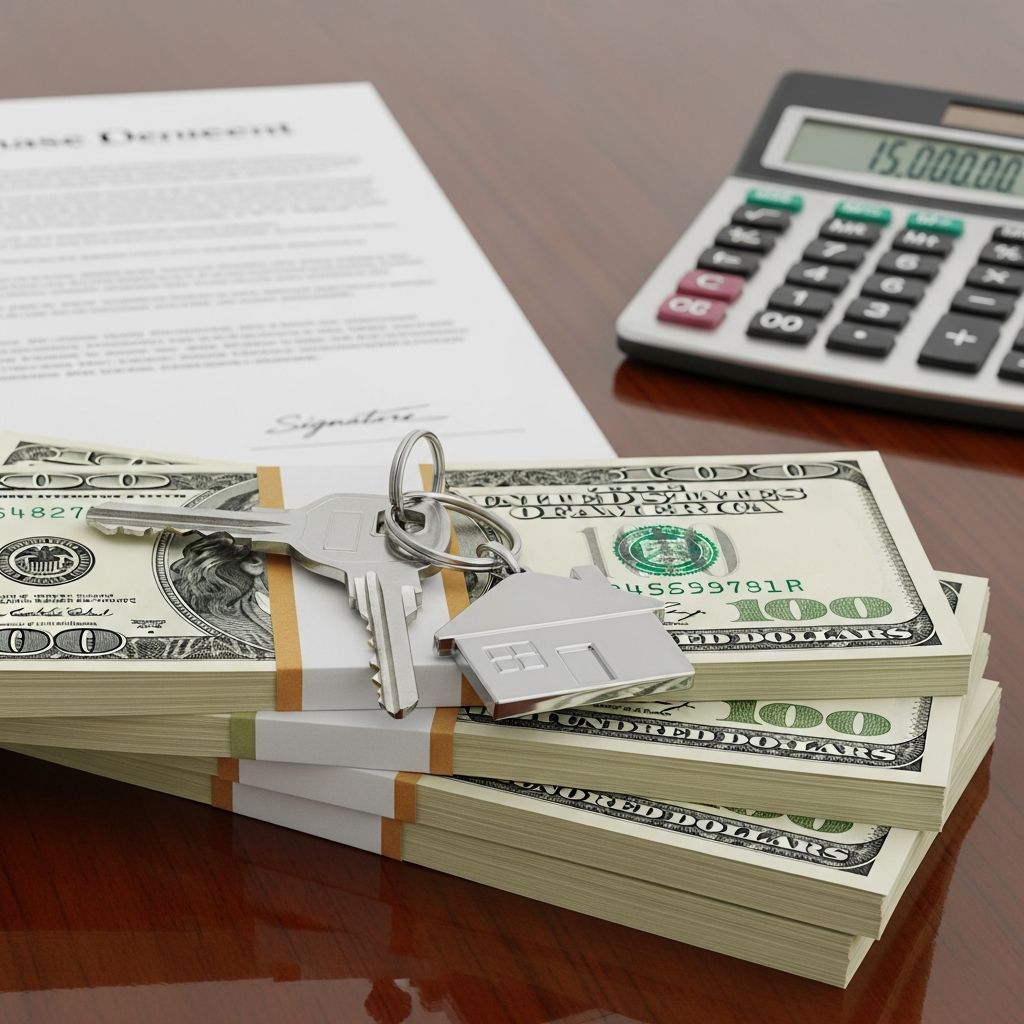
Earnest money serves as a crucial good faith deposit that homebuyers submit alongside their purchase offer to demonstrate serious intent to sellers. Typically ranging from 1% to 3% of the property’s price, this deposit is held in escrow until closing or deal termination, helping buyers stand out in competitive markets.
Defining Earnest Money in Property Transactions
An earnest money deposit, often abbreviated as EMD, represents an initial payment made by a prospective buyer when submitting an offer on a home. This sum assures the seller of the buyer’s commitment, prompting them to pause marketing efforts and prioritize the deal. Unlike a down payment, which applies directly to the purchase price at closing, earnest money acts as a temporary security measure.
The concept traces back to traditional contract law, where such payments confirm a party’s genuine interest in fulfilling an agreement. In modern real estate, it fosters trust between parties, especially in hot markets where multiple bids are common.
Why Earnest Money Strengthens Your Buying Position
Submitting a robust earnest money deposit differentiates your offer from others lacking financial backing. Sellers favor bids with higher deposits as they indicate the buyer’s financial readiness and reduce the risk of deal fallout. In regions like Silicon Valley, a 3% deposit is standard and often required within one business day of offer acceptance.
- Market Competitiveness: Larger deposits signal strength, particularly in bidding wars.
- Seller Confidence: Assures sellers the buyer won’t casually withdraw.
- Negotiation Leverage: Can offset a lower offer price.
For high-value or new construction properties, deposits may climb to 10% or fixed sums like $5,000–$10,000, reflecting elevated risks for sellers.
Standard Amounts and Regional Variations
Earnest money typically constitutes 1% to 10% of the home’s sale price, with 1%–3% prevailing in most U.S. markets. For a $400,000 property, this equates to $4,000 at 1% or $12,000 at 3%.
| Property Type | Typical Deposit Range | Example ($500K Home) |
|---|---|---|
| Standard Residential | 1%–3% | $5,000–$15,000 |
| Luxury/High-Value | 3%–10% or fixed high amount | $15,000–$50,000+ |
| New Construction | Up to 10% | $50,000 |
| Regional Fixed (e.g., some areas) | $5,000–$10,000 | $5,000–$10,000 |
Local customs dictate norms; consult a real estate professional for market-specific advice. State laws, such as California’s 3% cap on certain risks, also influence maximums.
Secure Handling: The Role of Escrow Accounts
Buyers deliver earnest money via certified check, personal check, or wire to a neutral third party—not directly to the seller. This includes escrow companies, title firms, real estate brokerages, or attorneys, as stipulated in the contract.
Funds enter a good faith escrow account, distinct from ongoing mortgage escrows for taxes and insurance. Some states mandate brokers hold deposits, ensuring impartial management. The holder releases funds only upon closing or per contingency terms.
Distinguishing Earnest Money from Down Payments
Many confuse earnest money with down payments, but they differ fundamentally:
- Earnest Money: Good faith deposit with offer; held in escrow; credited at closing or refunded.
- Down Payment: Larger sum due at closing; directly reduces loan principal; not refundable.
If the deal closes, earnest money offsets the down payment or closing costs per agreement.
Contingencies: Protecting Your Deposit
Purchase contracts outline contingencies allowing buyers to exit without forfeiting earnest money. Common ones include:
- Financing approval
- Satisfactory home inspection
- Appraisal matching offer price
- Sale of buyer’s current home
Failure of these lets buyers recover funds fully. Backing out otherwise risks forfeiture to the seller as compensation.
Scenarios Where Deposits Are Refunded or Forfeited
Refunds occur if the seller rejects the offer or contingencies fail. At successful closing, credits apply seamlessly.
Forfeiture happens when buyers breach without contingency protection, compensating sellers for lost time and opportunities. Disputes may require mediation or court, emphasizing clear contracts.
Practical Tips for Buyers on Earnest Money
- Assess local norms via your agent for competitive sizing.
- Secure contingencies fitting your situation.
- Use trusted third parties for deposits.
- Review contracts meticulously before signing.
- Prepare funds promptly post-acceptance.
In builder deals, expect potential construction use of funds.
Legal Frameworks Governing Deposits
U.S. laws vary by state. Cornell’s Legal Information Institute defines earnest payments as escrow-held security post-contract, refundable if conditions unmet. California limits buyer risk to 3%.
Federal guidelines are minimal; state real estate commissions oversee practices.
Frequently Asked Questions About Earnest Money
Is earnest money required for every home purchase?
No, it’s optional but standard and often expected by sellers for credibility.
How soon must earnest money be paid?
Often within one business day of offer acceptance, varying by market.
Can sellers keep earnest money if the deal falls through?
Only if buyer faults without contingency; otherwise, refunds apply.
What if multiple offers exist—does a bigger deposit win?
It can tip scales, showing stronger commitment.
Who chooses the escrow holder?
Contract specifies, typically neutral like title companies.
Strategic Use in Competitive Markets
In seller’s markets, amplify offers with elevated deposits. For instance, exceeding 3% on a $400,000 home ($12,000+) grabs attention. Balance with affordability to avoid overexposure.
Agents guide optimal levels; over-depositing risks unnecessary loss if contingencies trigger.
Earnest money remains pivotal in real estate, blending tradition with market dynamics to secure deals efficiently.
References
- Earnest Money in Real Estate: Refunds, Returns and Regulations — National Association of Realtors (NAR). 2023. https://www.nar.realtor/magazine/real-estate-news/sales-marketing/earnest-money-in-real-estate-refunds-returns-and-regulations
- What is Earnest Money and How Much Should You Expect to Pay? — PNC Bank. 2024-10-15. https://www.pnc.com/insights/personal-finance/borrow/what-is-earnest-money.html
- Understanding Earnest Money Deposit in Real Property Sales — CRES Insurance. 2023. https://www.cresinsurance.com/understanding-earnest-money-deposit-in-real-property-sales/
- Earnest payment — Wikipedia (for background; primary sources cited). N/A. https://en.wikipedia.org/wiki/Earnest_payment
- What is earnest money and how much is enough? — Rocket Mortgage. 2024. https://www.rocketmortgage.com/learn/earnest-money
- What is earnest money, and how much do you need? — Wells Fargo. 2024. https://www.wellsfargo.com/mortgage/learn/earnest-money/
- earnest payment — Legal Information Institute, Cornell Law School. 2021-06. https://www.law.cornell.edu/wex/earnest_payment
Similar Articles








Read full bio of medha deb




