
Dissolving an LLC Post-Bankruptcy: Essential Steps
Navigate the complexities of shutting down your LLC after bankruptcy with this comprehensive guide to legal, financial, and administrative steps.
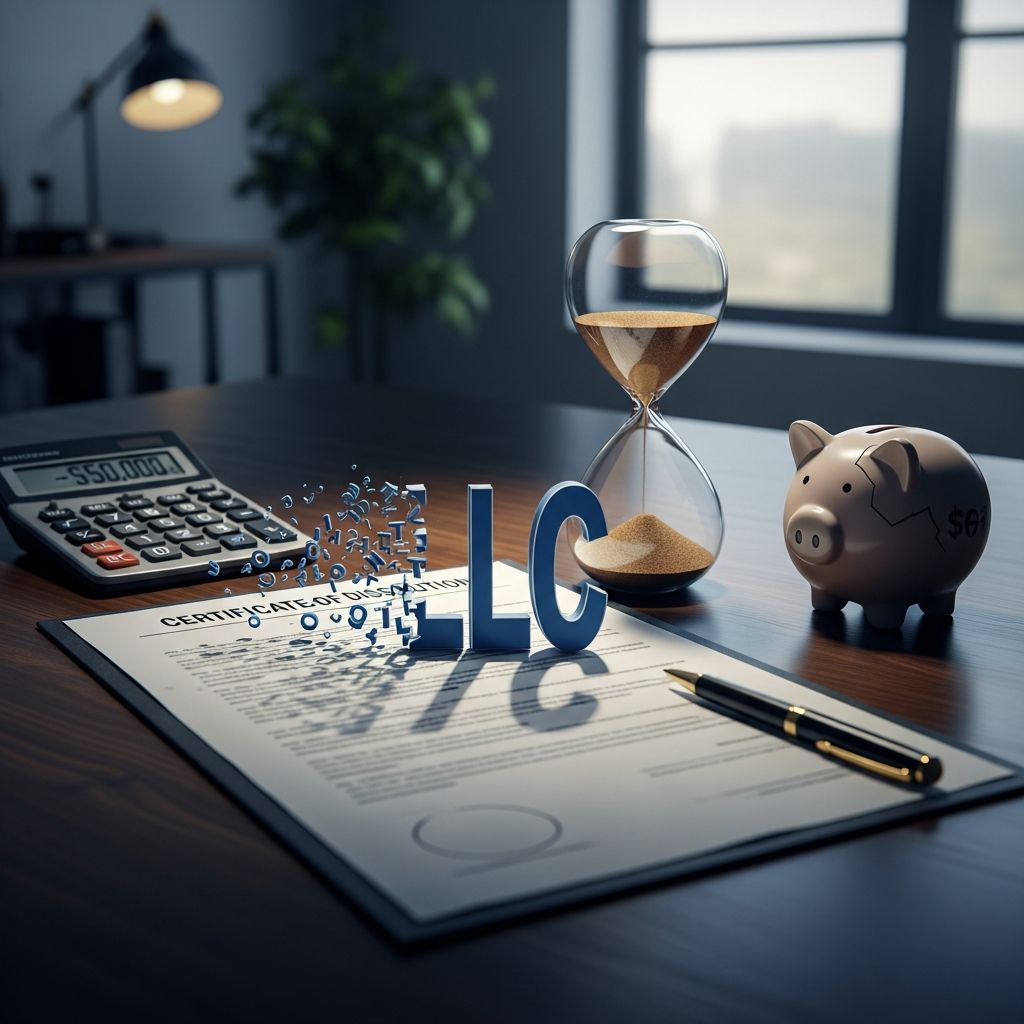
Shutting down a Limited Liability Company (LLC) after completing bankruptcy proceedings requires careful navigation of legal, financial, and administrative hurdles. Even though bankruptcy often liquidates assets and discharges debts, the LLC remains a registered entity with the state until formally dissolved. This process, known as winding up, protects owners from continued fees, taxes, and liabilities while notifying creditors of the final closure.
Understanding Bankruptcy’s Role in LLC Closure
Bankruptcy fundamentally alters an LLC’s trajectory but does not automatically end its legal existence. In Chapter 7 liquidation bankruptcy, a court-appointed trustee sells the LLC’s assets to pay creditors, effectively dismantling operations. Debts may be discharged for individual members if personally liable, but the entity persists on state records. Chapter 11 reorganization allows potential continuation, though many opt for dissolution post-restructuring if viability is lost.
Failure to dissolve leaves the LLC subject to annual reports, franchise taxes, and penalties. For instance, states mandate ongoing compliance until dissolution papers are filed. Personal guarantees on loans can expose members to further risk if not addressed, potentially requiring personal bankruptcy filings.
Key Reasons to Formally Dissolve After Bankruptcy
- Avoid Ongoing Obligations: States view undissolved LLCs as active, incurring fees and tax filings.
- Creditor Notification: Dissolution signals no further debt-incurring capacity.
- Asset and Debt Finality: Ensures all remnants are handled, preventing future claims.
- Clean Slate for Owners: Members can pursue new ventures without lingering ties.
Without dissolution, owners risk fines or involuntary dissolution by the state, complicating credit recovery.
Preparing for the Winding-Up Phase
The winding-up phase follows member approval and involves finalizing all business affairs. Review the LLC’s operating agreement for dissolution procedures; absent specifics, state law governs, often requiring unanimous member consent documented in a resolution.
| Step | Description | Potential Challenges Post-Bankruptcy |
|---|---|---|
| Member Approval | Vote and document decision per operating agreement or state statute. | Disputes among members if assets remain unevenly distributed. |
| Notify Stakeholders | Inform creditors, employees, and partners. | Bankruptcy trustee may have already handled major creditors. |
| Resolve Contracts | Terminate leases, vendor agreements. | Personal guarantees may trigger individual liability. |
Organize all records: financial statements, tax returns, and bankruptcy documents. This facilitates audits or clearances.
Handling Remaining Assets and Liabilities
Post-bankruptcy, few assets survive Chapter 7, but any remnants—like unsold equipment or inventory—must be liquidated. Proceeds prioritize secured debts, taxes, and remaining creditors. In personal bankruptcy scenarios where business assets weren’t liquidated, sell tangible items (e.g., fixtures) and apply funds to obligations.
Distribute leftovers to members only after liabilities. State laws dictate priority: creditors first, then taxes, followed by equity holders. Consult a bankruptcy attorney if co-signed loans persist, as they pierce the LLC veil.
State-Specific Dissolution Filings
Each state dictates dissolution via the Secretary of State. Obtain and file Articles of Dissolution, often with fees ranging $50–$200. Many require:
- Proof of member approval.
- Tax clearance certificate confirming no outstanding state taxes.
- Publication of notice in some jurisdictions.
For multi-state operations, file in each registration state. Example: Alabama mandates winding up including legal resolutions and asset distribution before filing.
Tax Compliance and IRS Notifications
Tax authorities demand final actions. File a final federal return (Form 1065 for multi-member LLCs or Schedule C for single-member), marking it ‘final’. Cancel the Employer Identification Number (EIN) via IRS letter, attaching the final return.
State taxes vary; secure clearance where required to affirm debts paid. Employees need final payroll, W-2s, and unemployment filings. Non-compliance risks personal penalties for responsible parties.
Notifying Agents, Licenses, and Vendors
Inform the registered agent of dissolution, especially if external. Surrender business licenses, permits, and registrations—contact issuing authorities for procedures.
Close vendor accounts, utility services, and bank accounts. Update any DBA filings. This prevents erroneous charges or identity misuse.
Potential Pitfalls and How to Avoid Them
- Incomplete Asset Sales: Leads to member disputes; appraise and auction transparently.
- Missing Tax Filings: Delays clearance; use accountants familiar with bankruptcy.
- State Variations: Research via Secretary of State sites; e.g., California requires creditor notice.
- Personal Liability: Audit guarantees; file personal bankruptcy if needed.
Engage professionals: attorneys for filings, CPAs for taxes. Costs outweigh fines or litigation.
Timeline for Complete Dissolution
| Phase | Duration | Key Actions |
|---|---|---|
| Preparation & Approval | 1–4 weeks | Member vote, record organization. |
| Asset Liquidation & Debts | 4–8 weeks | Sell assets, pay priorities. |
| Tax Clearance | 2–6 weeks | File finals, obtain certificates. |
| State Filings | 1–4 weeks | Submit Articles of Dissolution. |
| Final Notifications | 1–2 weeks | IRS EIN cancel, licenses surrender. |
Total: 2–6 months, varying by complexity and state efficiency.
Frequently Asked Questions
Can an LLC operate after Chapter 7 bankruptcy?
No, Chapter 7 mandates liquidation and closure, unlike Chapter 11 which allows reorganization.
Do I need a tax clearance for dissolution?
Many states require it; check your Secretary of State. Always file final returns regardless.
What if I personally guaranteed LLC debts?
Bankruptcy may discharge them if filed personally, but consult an attorney for exposure.
How do I cancel my LLC’s EIN?
Send IRS a letter with final return, stating closure date and reason.
Are there fees for dissolution?
Yes, typically $50–$500 per state, plus publication costs if needed.
Starting Fresh: Post-Dissolution Advice
With dissolution complete, members gain closure. Update personal credit reports, as business bankruptcy impacts vary. Future ventures should structure debts carefully to leverage LLC protections anew. Professional guidance ensures compliance throughout.
References
- Closing an LLC After Bankruptcy: What You Need to Know — Herman & Padgett. 2023. https://www.hermandpadgett.com/closing-an-llc-after-bankruptcy-what-you-need-to-know/
- What happens when an LLC declares bankruptcy? — Janus Law. 2024. https://janus.law/what-happens-when-an-llc-declares-bankruptcy/
- What Happens When an LLC Declares Bankruptcy and Next Steps — UpCounsel. 2024. https://www.upcounsel.com/llc-and-bankruptcy
- Closing an LLC After Bankruptcy: What You Need to Know — LegalZoom. 2024. https://www.legalzoom.com/articles/closing-an-llc-after-bankruptcy-what-you-need-to-know
- Close or sell your business — U.S. Small Business Administration (SBA). 2025-02-01. https://www.sba.gov/business-guide/manage-your-business/close-or-sell-your-business
- Closing a business — Internal Revenue Service (IRS). 2025. https://www.irs.gov/businesses/small-businesses-self-employed/closing-a-business
Similar Articles








Read full bio of medha deb




