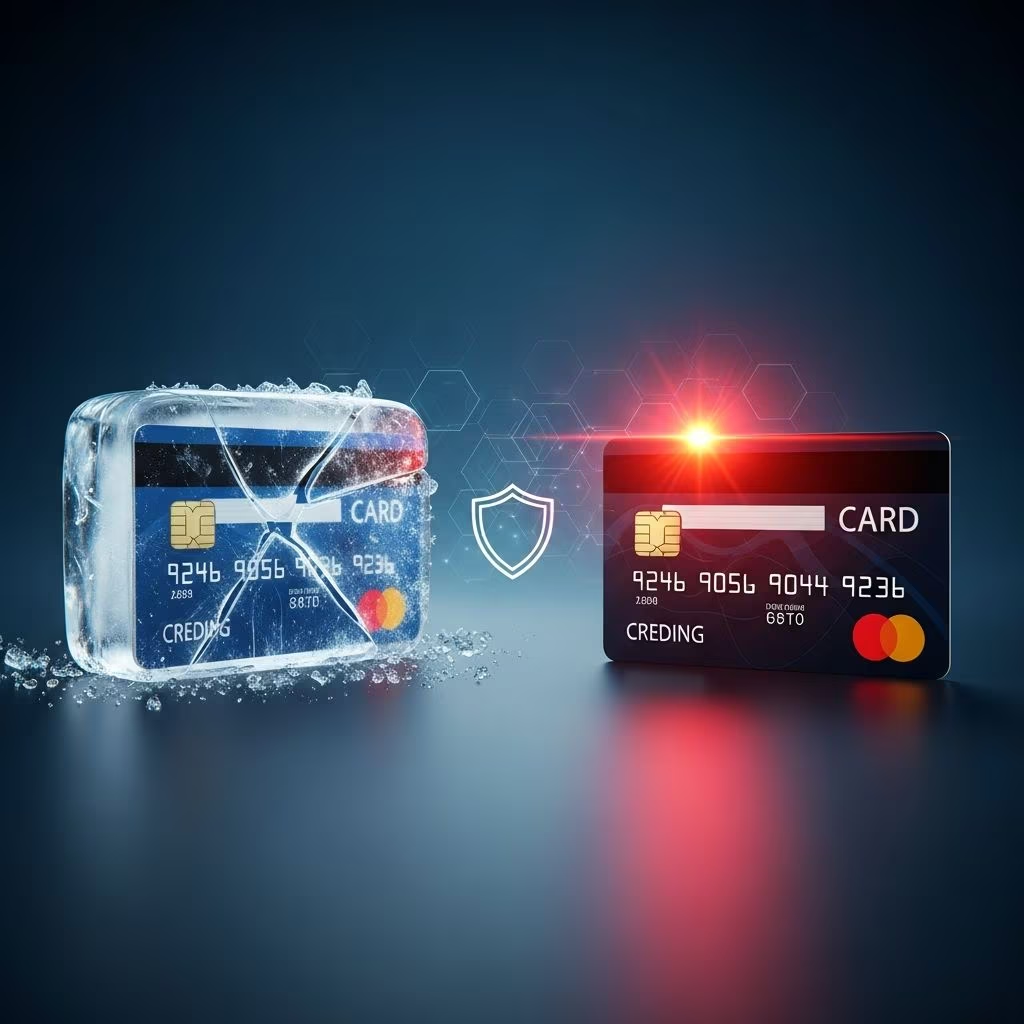
Identity theft can happen quickly and quietly, but your response does not have to be complicated. Two of the strongest tools available to consumers in the United States are the credit freeze and the fraud alert. Both are free, both are backed by federal law, and both can significantly reduce the risk that someone opens new credit in your name.
This guide explains how each tool works, when to use one or the other, and how to put them in place without harming your credit score.
Why Identity Theft Protection Matters
When someone steals your personal information — such as your Social Security number, date of birth, or account details — they may be able to open new credit cards, take out loans, or obtain services in your name.
New-account identity theft can lead to:
- Unexpected bills or collection notices
- Damage to your credit history and score
- Time-consuming disputes with lenders and credit bureaus
- Higher borrowing costs if your credit is harmed
Credit freezes and fraud alerts are designed to interrupt those attempts before accounts are opened.
Core Concepts: What These Tools Do (and Don’t Do)
Before choosing a strategy, it helps to understand the core purpose of each protection.
- Fraud alert: Tells lenders and other creditors to take extra steps to verify that it is really you before opening new credit in your name.
- Credit freeze (security freeze): Blocks most lenders from accessing your credit report at all, which usually stops them from opening new accounts in your name.
Important limitations:
- Neither tool prevents misuse of existing accounts, such as unauthorized charges on a current credit card.
- Neither tool removes fraudulent accounts that were already opened; you still need to dispute those items.
Side-by-Side Comparison: Fraud Alert vs. Credit Freeze
| Feature | Fraud Alert | Credit Freeze |
|---|---|---|
| What it does | Asks creditors to confirm your identity before approving new credit. | Restricts most access to your credit reports, blocking new accounts unless you lift the freeze. |
| Best for | People who still expect to apply for credit soon but want extra verification. | People who do not plan to apply for new credit in the near future, or confirmed identity theft victims. |
| How to set up | Contact one major credit bureau; it notifies the other two. | Contact each of the three major credit bureaus separately. |
| Cost | Free | Free under U.S. federal law |
| Duration | Typically one year for initial alerts; seven years for extended alerts for proven identity theft victims. | Lasts until you remove or temporarily lift it. |
| Impact on credit score | No impact on your credit scores. | No impact on your credit scores. |
Fraud Alerts Explained
A fraud alert is a note added to your credit files that signals you may be at risk of identity theft. When a lender checks your report, they are prompted to take additional steps to be sure they are dealing with the real you before opening or changing an account.
Types of Fraud Alerts
Federal law and industry practice recognize several types of alerts with different durations:
- Initial fraud alert
- Available to anyone who suspects they are at risk of fraud (for example, after a data breach).
- Lasts for one year unless you renew it.
- Active-duty alert
- Designed for deployed service members who may not be able to monitor credit activity closely.
- Lasts one year and can be renewed during deployment.
- Extended fraud alert
- Available to confirmed identity theft victims who provide a police report or other qualifying documentation.
- Stays on your file for seven years, unless you ask to have it removed earlier.
How Fraud Alerts Work in Practice
With an alert in place, lenders are expected to make a good-faith effort to confirm your identity. They might:
- Call a phone number you supplied
- Ask additional questions only you should be able to answer
- Request extra documents before approving an application
You can still apply for new credit, open accounts, or get utilities and cellphone service, but you may encounter extra verification steps or slightly longer processing times.
Advantages of a Fraud Alert
- Allows continued access to credit with added safeguards
- Simple to set up: contacting one bureau covers all three major bureaus (Equifax, Experian, and TransUnion).
- Free to place and renew
- Does not affect your ability to check your own credit reports or scores
Limitations of a Fraud Alert
- Credit applications may still go through if a lender does not follow best practices or cannot reach you quickly.
- Alerts expire and need renewal if you still feel at risk.
- They do not block access to your reports entirely; some misuse can still slip through.
Credit Freezes (Security Freezes) Explained
A credit freeze, also called a security freeze, is a stricter tool. When your credit files are frozen, most new lenders cannot obtain your credit report, which usually means they will not open new credit in your name.
How a Credit Freeze Works
Each major credit bureau maintains its own file on you. When you place a freeze, that bureau:
- Blocks most new creditors from pulling your report
- Prevents many types of new accounts from being opened
- Still allows access for existing creditors, some government agencies, and certain other permitted users (for example, for collection or review of existing accounts), as allowed by law
Under U.S. law, you must contact each bureau individually to freeze or unfreeze your file, typically online, by phone, or by mail.
Placing, Lifting, and Removing a Freeze
When you freeze your credit, you can later:
- Temporarily lift (thaw) the freeze for a specific period of time, such as a week or a month, while you apply for credit.
- Lift the freeze for a specific creditor if a lender provides you with a special access code or other details.
- Remove the freeze entirely if you no longer want that level of restriction.
Bureaus usually process online requests quickly, often within minutes, so you can schedule a thaw shortly before you apply for a loan or credit card.
Advantages of a Credit Freeze
- One of the strongest protections against new-account fraud because most lenders cannot see your file.
- Stays in place until you choose to remove it, giving long-term protection.
- Free to place and lift, including for children in many states.
- Does not affect your ability to use existing credit cards or loans.
Limitations of a Credit Freeze
- You must unlock your reports before applying for most new credit, which adds extra steps.
- Each bureau must be managed separately; freezing one does not automatically freeze the others.
- Like fraud alerts, freezes do not prevent unauthorized charges on existing accounts or other types of identity misuse (such as tax or medical identity theft).
Which Protection Is Right for You?
There is no one-size-fits-all answer. The right choice depends on your situation, risk level, and how soon you expect to apply for credit.
When a Fraud Alert May Be Better
Consider a fraud alert if:
- You believe your personal data may have been exposed (for example, in a data breach), but you still plan to apply for credit soon.
- You want lenders to double-check your identity but do not want the inconvenience of freezing and unfreezing.
- You are a deployed service member who needs protection but may still need new services or accounts.
When a Credit Freeze May Be Better
A credit freeze can be a strong choice if:
- You are a confirmed victim of identity theft and want the strongest barrier to new accounts.
- You do not expect to apply for credit, such as a mortgage, car loan, or new credit card, in the near future.
- You are protecting a child’s credit file or the credit of an older adult who is no longer opening new accounts.
Can You Use Both?
Yes. Some consumers choose to:
- Place a credit freeze for strong baseline protection.
- Use a fraud alert during periods when the freeze is lifted and they are actively applying for new credit.
Using both is not required, but it can offer a layered defense: the freeze limits access, while the alert adds scrutiny when access is allowed.
Common Myths and Misconceptions
“A Freeze or Alert Will Hurt My Credit Score”
Neither fraud alerts nor credit freezes affect your credit scores. They control access to your reports; they do not alter your underlying account information or payment history.
“I Can’t Use My Existing Credit If I Freeze My Reports”
You can still use your current credit cards, lines of credit, and loans normally with a freeze in place. The restriction mainly affects new applications.
“I Only Need These Tools if I See Fraud on My Accounts”
Fraud alerts and freezes are also preventive tools. You can use them if you think your data may be at higher risk, even before you see suspicious charges.
Extra Steps to Strengthen Your Protection
Fraud alerts and credit freezes are powerful, but no single tool can stop every kind of identity theft. Combine them with everyday safeguards:
- Review your credit reports from each bureau at least once a year and after major data breaches.
- Turn on account alerts with your banks, credit unions, and credit card issuers.
- Use strong, unique passwords and multi-factor authentication on financial accounts.
- Be cautious about sharing your Social Security number and other sensitive data.
- Respond quickly to unexpected bills, collection notices, or account-opening letters you do not recognize.
Frequently Asked Questions (FAQs)
Q: Does a credit freeze stop employers or landlords from checking my credit?
A: A freeze can block many types of access, including some employment or rental-related checks, unless you temporarily lift it. If you are job hunting or applying to rent, ask what type of credit check will be used and schedule a thaw if needed.
Q: How long does it take to place or lift a credit freeze?
A: Online and phone requests are often processed quickly, sometimes within minutes. Mail requests take longer because the bureau must receive and process your documentation. It is a good idea to plan a thaw a few days before a major credit application.
Q: If I put a fraud alert with one bureau, do I still need to contact the others?
A: For fraud alerts, contacting one of the three major bureaus is generally sufficient because that bureau notifies the others and the alert is added to all three files. This is different from a credit freeze, which must be set with each bureau separately.
Q: Can I get my credit reports while I have a fraud alert or freeze?
A: Yes. You still have the right to access your own credit reports. In some cases, placing an alert can even entitle you to an additional free report from each bureau.
Q: If I already monitor my credit, do I still need a freeze or alert?
A: Credit monitoring tools can help you spot problems after they occur. A fraud alert or freeze adds a preventive layer by making it harder for new accounts to be opened without your knowledge. Many consumers choose to use both.
References
- Fraud Alert, Security Freeze, and Credit Report Lock — Equifax. 2024-02-01. https://www.equifax.com/personal/education/identity-theft/articles/-/learn/fraud-alert-security-freeze-credit-lock/
- Fraud Alert vs. Credit Freeze: What’s the Difference? — Experian. 2023-08-10. https://www.experian.com/blogs/ask-experian/what-is-the-difference-between-a-credit-freeze-and-fraud-alert/
- Credit Freeze & Fraud Alerts — Washington State Office of the Attorney General. 2022-11-15. https://www.ag.state.wa.us/credit-freeze-fraud-alerts
- Credit Report Security Freezes — Minnesota Attorney General’s Office. 2021-06-30. https://www.ag.state.mn.us/Consumer/Publications/CreditFreezesFraudAlerts.asp
- What’s the Difference Between a Fraud Alert and a Credit Freeze? — Navy Federal Credit Union. 2023-05-05. https://www.navyfederal.org/makingcents/privacy-security/whats-the-difference-between-a-fraud-and-a-credit-freeze.html