
Spotting and Avoiding Credit Card Loss Protection Scams
Learn how fake “loss protection” plans target credit card users and how to shut scammers down before they steal your money.
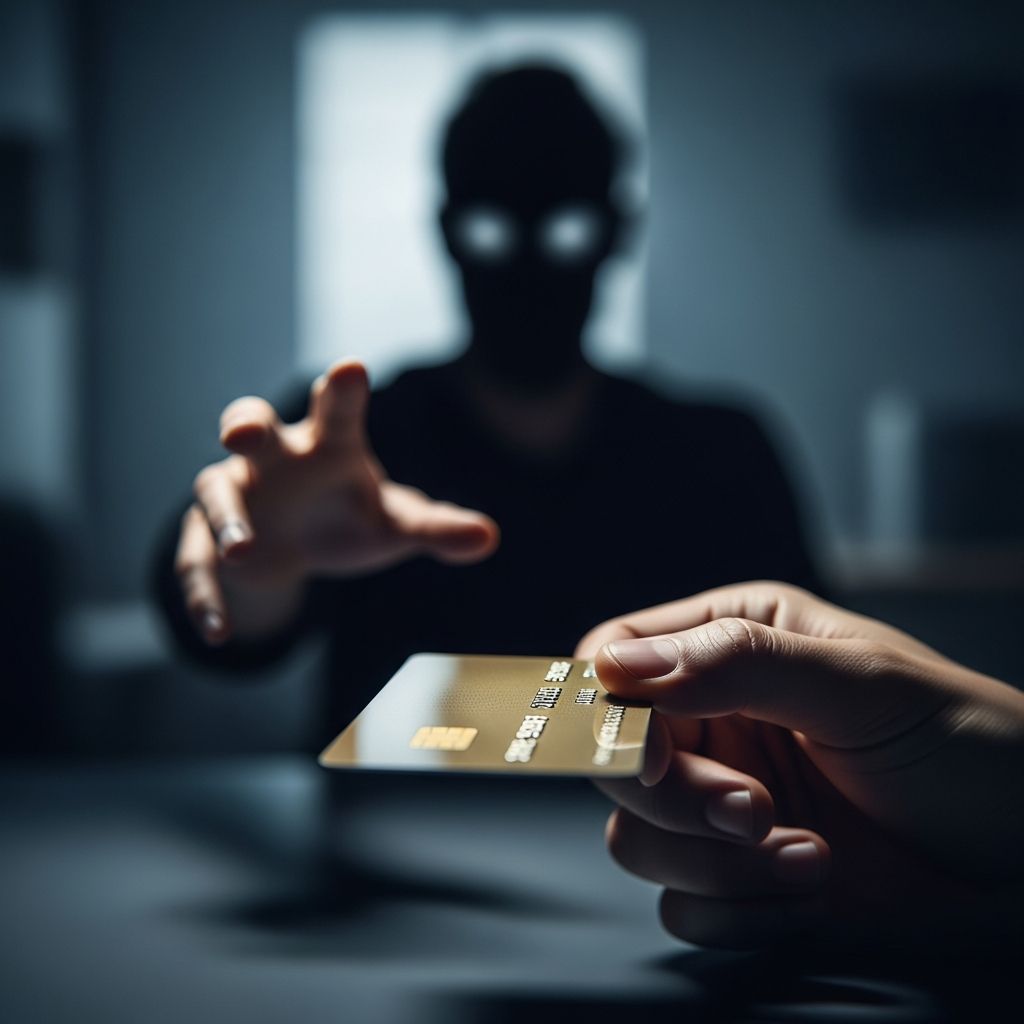
Scammers routinely call people claiming to offer special credit card “loss protection” services. These pitches often sound official and urgent, but in reality, they are designed to steal your money or personal information. Understanding how these schemes operate is one of the most effective ways to avoid becoming a victim.
This guide explains how credit card loss protection scams work, who scammers target, the red flags to watch for, and what to do if you receive one of these calls or have already paid a fraudster.
Why Scammers Pitch “Loss Protection” on the Phone
Phone calls remain one of the most common ways fraudsters reach consumers. According to the Federal Trade Commission (FTC), phone calls are consistently among the top reported contact methods in fraud complaints, with billions of robocalls placed annually in the United States. Criminals use “loss protection” as a hook because it sounds like a legitimate financial safety service and exploits common fears about identity theft and unauthorized charges.
By pretending to help you avoid future losses, scammers try to convince you to:
- Pay a large upfront fee for a worthless “protection” program
- Share your credit card number, bank account, or Social Security number
- Authorize recurring charges you did not agree to in writing
How Real Credit Card Protections Work
To recognize scams, it helps to know what real protections you already have. Under U.S. federal law and common industry practices, credit card holders generally have strong protections against unauthorized use.
| Type of Charge | Your Maximum Legal Responsibility* | Typical Card Issuer Policy |
|---|---|---|
| Unauthorized charges before you report your card lost or stolen | Up to $50 for a credit card (by law) | Most major issuers waive even the $50 and offer zero liability |
| Unauthorized charges after you report loss or theft | $0 if you report promptly | Issuer typically blocks card and issues a new one |
| Charges you did not authorize on your statement | Have the right to dispute under federal law | Investigation and removal if found to be fraudulent |
*Protections and obligations for debit cards differ, and losses can be higher if you delay reporting unauthorized use.
Because these protections are already built into credit cards and federal law, there is usually no legitimate need to buy expensive “loss protection” plans that promise to cover unauthorized charges. In many cases, the so-called service duplicates—or provides less than—what you already get at no added cost.
Typical Features of a Credit Card Loss Protection Scam
While each fraudster may adjust the script, many credit card loss protection scams share common elements. Recognizing these patterns makes it easier to end the call quickly.
1. Pretending to Be Linked to Your Bank or Card Network
Scammers often claim they are:
- From your bank or credit union
- Calling on behalf of a major card network (such as Visa or Mastercard)
- Representatives of a government agency overseeing banking or consumer protection
They might use the name of a real institution to sound credible, but they are not calling from that organization. Caller ID can be spoofed to display a bank’s name or a local number.
2. High-Pressure Warnings About “New Fraud Rules”
Many scripts rely on fear and urgency. Common tactics include:
- Claiming that banks will soon stop covering unauthorized charges
- Stating that your liability will dramatically increase unless you enroll right away
- Suggesting that identity thieves are actively targeting your account at this very moment
These claims contradict federal protections that require card issuers to limit liability for unauthorized use and investigate billing disputes. If the caller says you must act immediately or lose all protection, it is almost certainly fraudulent.
3. Promises of Huge “Coverage” for a Big Upfront Fee
To justify a large payment, scammers usually promote an impressive-sounding plan, such as:
- A guaranteed refund of all unauthorized charges
- Protection up to a very high dollar limit (for example, tens of thousands of dollars)
- Lifetime coverage for a one-time enrollment fee
In reality, legitimate protections under the law already cap your losses for unauthorized credit card use, and your card issuer generally provides these protections without extra fees.
4. Requests for Sensitive Payment or Identity Information
Once they have your attention, scammers try to collect information that lets them steal from you. They may ask for:
- Credit card number, expiration date, and security code
- Bank account and routing numbers
- Social Security number or other personal identifiers
- Mother’s maiden name, PINs, or one-time passcodes
They may say they need this data to “activate” your coverage, “verify” your account, or “confirm” your identity. Legitimate card issuers already have your card details on file and do not need you to disclose full account numbers over an unsolicited call.
Who Scammers Often Target
Credit card loss protection schemes can target anyone, but some groups are especially at risk.
- Older adults: FTC data show that older consumers frequently report higher dollar losses to certain fraud types, including phone scams, compared to some younger age groups.
- People with good credit: Scammers often buy or compile lists that identify likely credit card users, such as homeowners or individuals with strong credit histories.
- Non-native English speakers: Fraudsters sometimes use confusing language or legal-sounding terms to pressure people who may be less familiar with U.S. banking rules.
However, scammers are opportunistic: anyone with a phone and a credit card can be a target. Staying informed and cautious is more effective than assuming you are not on their radar.
Red Flags You Are Dealing with a Loss Protection Scam
Use this quick checklist during any unexpected call about your credit card:
- The caller contacted you out of the blue and claims your account is in danger.
- You are told your bank or card network is changing its policies and you will soon be fully liable for fraud.
- The caller insists you must act immediately to avoid losing protection.
- You are asked to pay a large fee upfront for “loss protection,” “security coverage,” or a similar program.
- You are pressured to provide your full credit card number, security code, or other sensitive data.
- The caller becomes aggressive, rude, or refuses to let you hang up or call back on a verified number.
If any of these signs appear, end the call. You do not need to explain or argue—simply hang up and, if you are concerned, call the number on the back of your card to check your account directly.
Safe Steps to Take if You Receive One of These Calls
If someone contacts you about “credit card loss protection,” follow these safety steps.
1. Refuse to Share Account or Identity Details
Never give out your:
- Complete credit card number
- Card verification value (CVV/CVC)
- Online banking password or PIN
- One-time passcodes sent by text or email
- Social Security number, except when you have initiated the contact with a verified number and know why it is needed
2. Do Not Pay for “Extra” Protection Without Independent Verification
If the caller claims to represent your bank or card network, hang up and:
- Call the number on your physical card or your bank statement.
- Log in to your online or mobile banking through bookmarked or manually typed web addresses, not through links sent by the caller.
- Ask your bank whether they are offering any paid “loss protection” products (in most cases, they are not).
3. Register Your Number and Use Call-Blocking Tools
You can reduce some unwanted calls by registering your phone number with the National Do Not Call Registry maintained by the FTC. While scammers may ignore the list, legitimate telemarketers are required to comply. Many phones and carriers now also offer call-blocking technologies to filter suspected spam calls.
4. Keep Monitoring Your Statements
Regardless of whether you have received suspicious calls, carefully review your credit card and bank statements each month. Look for:
- Charges you do not recognize
- Small “test” charges from unfamiliar merchants
- New recurring payments you did not authorize
Report any suspicious activity to your card issuer immediately. Prompt reporting helps limit your liability and makes it easier for your bank to investigate.
What to Do If You Already Paid a Loss Protection Scammer
If you suspect you have already paid a fraudulent company or shared sensitive information, act quickly. Fast action can sometimes stop or reduce your financial losses.
- Contact your credit card company or bank immediately. Ask them to reverse the charge or stop further payments, and request a new card if your account number was shared.
- Review recent account activity. Identify any additional unauthorized charges and dispute them according to your issuer’s procedures.
- Consider placing a fraud alert or credit freeze. The major credit reporting companies allow you to place fraud alerts and freezes to help guard against new accounts being opened in your name.
- Change your passwords. If you shared login credentials, update your passwords and enable multi-factor authentication where possible.
- Report the scam. Reporting helps enforcement agencies track patterns and take action against fraudulent operations.
Where and How to Report Credit Card Loss Protection Scams
Government agencies use consumer reports to identify repeat offenders and shut down illegal schemes. If you have experienced or spotted a suspected loss protection scam, you can:
- File a complaint with the Federal Trade Commission (FTC) through its centralized reporting tools.
- Notify your state attorney general’s office, which may bring actions under state consumer protection laws.
- Inform your credit card issuer and ask whether they can report the fraudulent solicitations internally.
When reporting, include as much detail as you can remember: date and time of the call, the phone number used, the name of the company (if given), the amount requested, and any payment method (such as credit card, gift cards, or wire transfer).
Practical Tips to Stay Safer from Financial Phone Scams
Although this guide focuses on credit card loss protection schemes, the same principles can help you avoid many other phone-based financial scams.
- Be skeptical of unsolicited offers. If you did not initiate the contact, be extra cautious when the caller asks for money or personal information.
- Take your time. Scammers rely on urgency. Any real financial institution will allow you time to review written information and call back using official contact numbers.
- Refuse odd payment methods. Requests for payment via gift cards, cryptocurrency, or wire transfer are strong indicators of fraud, as these methods are hard to reverse once completed.
- Educate family members. Talk with older relatives and friends about these scams so they know to hang up on unsolicited pressure calls.
- Use written confirmations. For any legitimate service you are considering, ask for written details, such as terms, fees, and cancellation policies, and read them carefully before agreeing.
Frequently Asked Questions (FAQs)
Q1: Do I need to buy extra protection to avoid paying for fraudulent credit card charges?
In most cases, no. Federal law significantly limits your responsibility for unauthorized credit card charges, and most major card issuers go further by offering zero-liability policies at no additional cost. Always check your card agreement or contact your bank directly for details.
Q2: The caller knew my name and part of my card number. Does that mean it is legitimate?
Not necessarily. Scammers can purchase or steal partial account data and personal details from breached or leaked databases. Having some real information does not prove the call is genuine. If you are unsure, hang up and call the number printed on your card.
Q3: What if the caller says they are from a government agency that regulates banks?
Government agencies in the United States do not sell loss protection plans or call to demand payment for financial protection services. A caller who pressures you to pay for such services while claiming to be from the government is almost certainly a scammer.
Q4: Can signing up for a credit monitoring or identity theft service ever be legitimate?
Yes, there are legitimate credit monitoring and identity theft protection services sold by reputable companies. However, these services are different from high-pressure, unsolicited “loss protection” calls. If you are interested, research providers independently, compare features and prices, and sign up through the company’s official website rather than accepting a surprise phone pitch.
Q5: I gave my card number to a caller but realized afterward it was a scam. What should I do right now?
Contact your card issuer immediately using the number on the back of your card or from your statement. Explain the situation, ask them to cancel the card and issue a new one, and review recent charges together. Then monitor your statements, consider a fraud alert with the credit reporting companies, and report the incident to the FTC or your national consumer protection authority.
References
- Consumer Protection Laws and Regulations – USA 2025 — ICLG / Debevoise & Plimpton LLP. 2025-04-09. https://iclg.com/practice-areas/consumer-protection-laws-and-regulations/usa
- Bureau of Consumer Protection: What We Do — Federal Trade Commission. 2024-10-01 (updated). https://www.ftc.gov/about-ftc/bureaus-offices/bureau-consumer-protection
- Consumer Protection — Federal Trade Commission. 2025-05-20 (updated). https://www.ftc.gov/consumer-protection
- Rules — Federal Trade Commission (overview of FTC rules including unfair or deceptive practices). 2024-11-15 (updated). https://www.ftc.gov/legal-library/browse/rules
- FTC Rule on Unfair or Deceptive Fees to Take Effect on May 12, 2025 — Federal Trade Commission. 2025-05-01. https://www.ftc.gov/news-events/news/press-releases/2025/05/ftc-rule-unfair-or-deceptive-fees-take-effect-may-12-2025
- Protecting Older Consumers 2024–2025: A Report of the Federal Trade Commission — Federal Trade Commission. 2024-10-03. https://www.ftc.gov/reports/protecting-older-consumers-2024-2025-report-federal-trade-commission
Similar Articles








Read full bio of medha deb




