
Core Estate Planning Documents: 4 Essentials To Secure A Legacy
Discover the foundational legal tools that safeguard your assets, health decisions, and legacy for future generations.
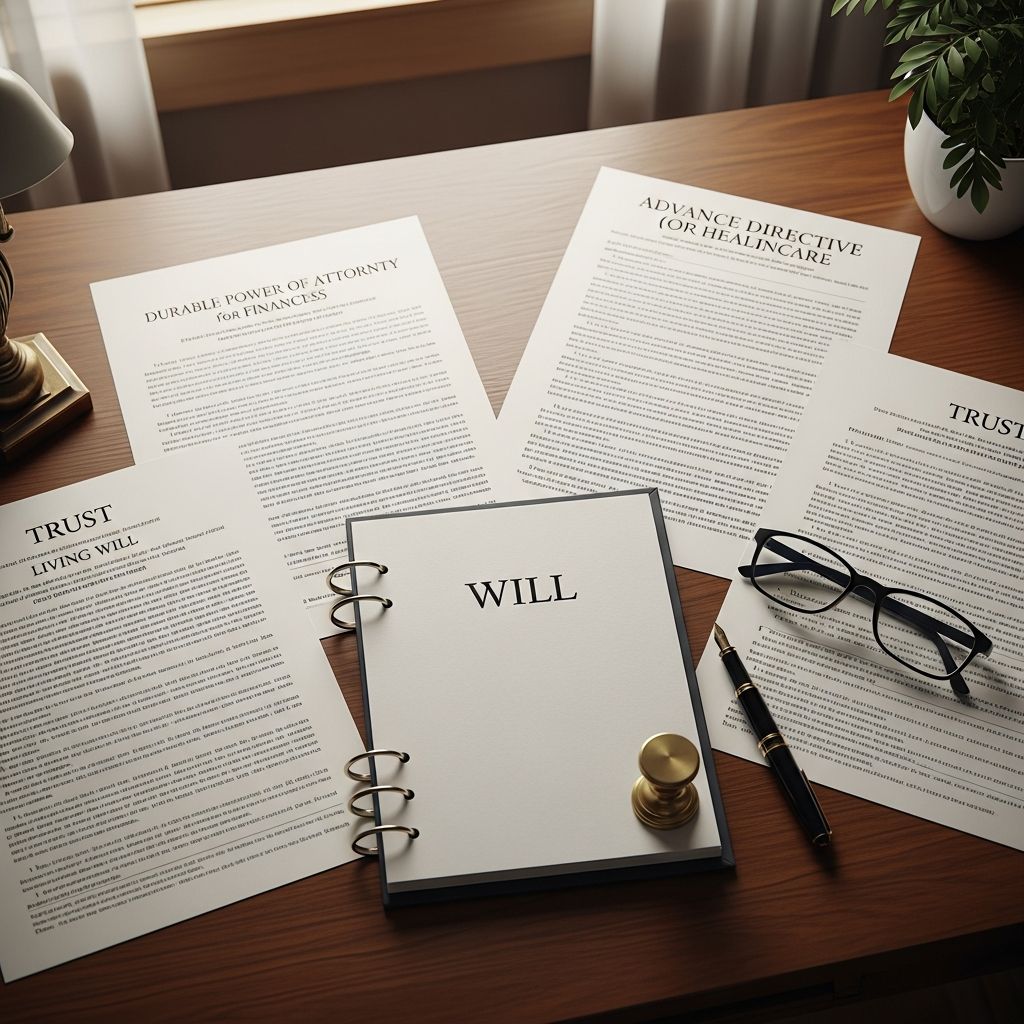
Planning for the inevitable aspects of life, such as incapacity or death, empowers individuals to control their financial and medical destinies. These documents form the backbone of any robust estate strategy, minimizing disputes, reducing costs, and honoring personal wishes. Without them, state laws dictate outcomes, often leading to prolonged probate processes and family conflicts.
Why Prioritize Estate Planning Now?
Every adult over 18 should consider estate planning, regardless of wealth level. Life’s unpredictability—accidents, illnesses, or sudden events—necessitates preparation. A well-crafted plan avoids court intervention, preserves privacy, and provides clear instructions for loved ones. For instance, probate can tie up assets for months or years, incurring fees up to 5-7% of estate value in some jurisdictions. Starting early allows customization as circumstances evolve, such as marriage, children, or business growth.
Key benefits include:
- Asset protection from unnecessary taxes and creditor claims.
- Appointment of trusted decision-makers during incapacity.
- Seamless transfer of wealth to heirs or charities.
- Reduced emotional burden on family during crises.
The Last Will and Testament: Directing Your Legacy
A
last will and testament
is the cornerstone document activated upon death. It specifies asset distribution, names an executor to manage the estate, and designates guardians for minor children or dependents. Without a will, intestacy laws determine heirs, potentially excluding stepchildren or partners.Crafting a will involves listing assets like real estate, bank accounts, investments, and personal items, then allocating them explicitly. For example, you might bequeath a family home to one child and investments to another. Executors handle debts, taxes, and final distributions, often without court supervision if uncontested.
| Element | Purpose | Example |
|---|---|---|
| Beneficiaries | Asset recipients | Spouse inherits 50%, children split remainder |
| Executor | Estate administrator | Trusted sibling or advisor |
| Guardian | Childcare provider | Relative for minors/pets |
Update your will after major life events. Professional assistance ensures validity, as requirements vary by state, typically needing two witnesses and a signature.
Durable Power of Attorney: Financial Control in Your Absence
A
durable power of attorney (POA)
grants an agent authority over financial matters if incapacity strikes, remaining effective post-incapacity unlike standard POAs. This agent—often a spouse or adult child—manages banking, property sales, bill payments, and investments.Specify powers narrowly, such as real estate transactions or government benefits, to prevent abuse. ‘Springing’ POAs activate only upon proven incapacity, verified by physicians. Revocable while competent, this document prevents court-appointed conservatorships, which are expensive and public.
Considerations for selection:
- Trustworthiness and financial acumen.
- Geographic proximity for hands-on tasks.
- Backup agents for contingencies.
State laws govern POAs; some require notarization or recording for real estate. Review periodically, especially if the agent relocates or relationships change.
Advance Healthcare Directive: Guiding Medical Choices
An
advance healthcare directive
combines a living will and healthcare POA, outlining treatment preferences and naming a proxy for decisions when you cannot communicate. The living will addresses end-of-life care, like ventilation or feeding tubes, while the proxy handles daily choices, from surgery consents to facility placements.This prevents family disagreements and unwanted interventions. For example, specify no heroic measures for terminal conditions but comfort care only. Forms are state-specific; many hospitals provide templates, but attorneys ensure compliance.
Discuss wishes openly with your proxy to align actions with values. Include mental health provisions if relevant. Unlike financial POAs, healthcare directives are HIPAA-compliant for medical access.
Revocable Living Trusts: Beyond the Basics
While not always essential, a
revocable living trust
holds assets during life and distributes them post-death, bypassing probate for efficiency. As grantor, you retain control, amending or revoking anytime. Upon incapacity, a successor trustee steps in seamlessly.Ideal for blended families, out-of-state property, or privacy concerns, trusts avoid public probate records. Fund by retitling assets—deeds, accounts—into the trust’s name. Pair with a ‘pour-over will’ to capture forgotten assets.
| Trust Type | Key Feature | Best For |
|———–|————-|———-|
| Revocable | Amendable, no tax change | Most individuals |
| Irrevocable | Asset protection, tax benefits | High-net-worth |
Supporting Documents for Comprehensive Protection
Beyond core four, compile:
- Beneficiary designations: Update on retirement accounts, insurance—override wills.
- Asset inventory: List accounts, deeds, passwords for executors.
- Letter of intent: Non-binding guidance on personal wishes, like funeral plans.
- Business succession: Agreements for owners ensuring continuity.
Digital tools aid organization, but secure originals safely.
Step-by-Step Guide to Creating Your Plan
- Inventory assets/liabilities and family needs.
- Choose agents, trustees, guardians.
- Consult an estate attorney for state-specific drafting.
- Sign/notarize with witnesses.
- Distribute copies; store originals securely.
- Review every 3-5 years or after changes.
Costs range $300-$3,000 depending on complexity; DIY forms risk invalidity.
Common Mistakes and How to Avoid Them
Avoid procrastination, outdated documents, or mismatched beneficiaries. Don’t assume verbal wishes suffice—only written legally bind. Families often overlook digital assets or pets; address explicitly. Seek professionals to navigate tax implications, like avoiding generation-skipping taxes.
Frequently Asked Questions
Who needs estate planning documents?
Everyone 18+, especially parents, property owners, or those with dependents. Even modest estates benefit from avoiding probate.
Can I create these without a lawyer?
Basic forms yes, via state templates, but attorneys prevent errors for complex situations.
How often should I update my documents?
After births, deaths, divorces, moves, or every 5 years.
What if I become incapacitated without a POA?
Court conservatorship applies, costly and slow.
Do trusts save on estate taxes?
Revocable don’t, but irrevocable can for large estates.
Safeguarding and Accessing Your Documents
Store digitally with encryption and physically in fireproof safes. Inform agents of locations. Services like estate apps facilitate sharing without originals. Regular audits ensure completeness.
Estate planning transcends paperwork—it’s legacy-building. Proactive steps grant peace, securing loved ones’ futures amid uncertainty.
References
- Estate planning guide: Essential documents & checklist — Thrivent. 2023-10-15. https://www.thrivent.com/insights/estate-planning/essential-estate-planning-documents
- The Three Basic Estate Planning Documents Everyone Should Have — Warren Averett. 2024-05-22. https://warrenaverett.com/insights/three-essential-estate-planning-documents-and-why-you-need-them-now/
- Estate Planning Essentials: 10 Crucial Documents — Planned Giving. 2024-02-10. https://www.plannedgiving.com/10-crucial-documents-for-organizing-your-affairs/
- Secure your legacy with these 4 essential estate documents — Comerica. 2023-11-08. https://www.comerica.com/insights/wealth-management/wealth-preservation/estate-planning-documents.html
- 10 Essential Estate Planning Documents Checklist — Peck Ritchey. 2024-01-19. https://www.peckritchey.com/community/estate-planning-documents/
- Estate Planning Checklist — FreeWill. 2024-06-05. https://www.freewill.com/learn/estate-planning-101
Similar Articles








Read full bio of Sneha Tete




