
Connecticut Property Tax Delinquency Risks
Unpaid property taxes in Connecticut can lead to liens, auctions, foreclosures, and home loss—know your rights and redemption options.
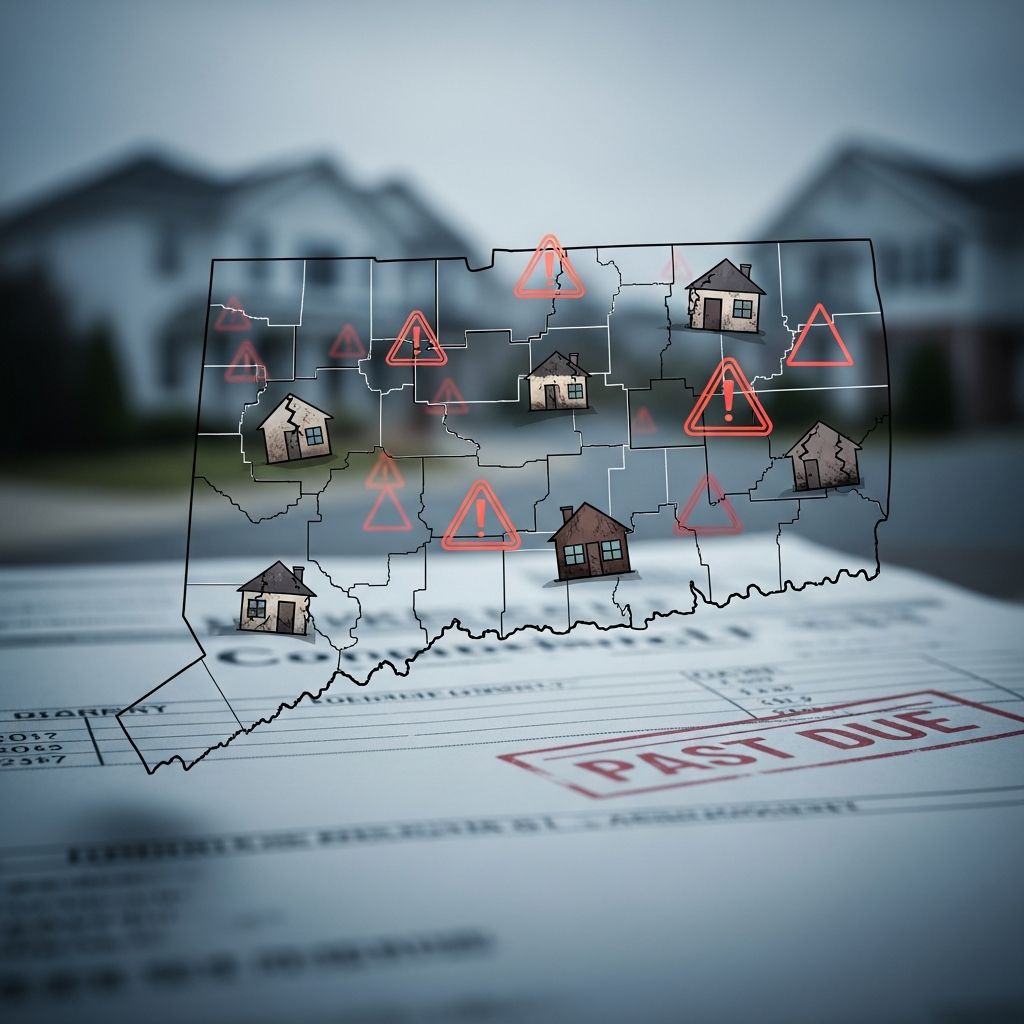
Property taxes fund essential community services across Connecticut, but failing to pay them triggers a series of escalating enforcement actions by local municipalities. Homeowners who neglect these obligations face mounting financial penalties, legal liens on their property, and ultimately the risk of losing their home through public auction or court-ordered foreclosure. This comprehensive guide outlines the step-by-step process, your legal rights, and strategies to avoid or resolve delinquency issues.
Why Property Taxes Matter in Connecticut
Real estate owners in Connecticut contribute property taxes that support critical public infrastructure, including education, emergency services, transportation, and recreational facilities. These taxes are calculated based on the assessed value of the property, determined by local assessors. Municipalities bill property taxes semiannually or quarterly, depending on the town, with specific deadlines typically falling on February 1 and July 1 for many areas.
Non-payment creates an automatic lien on the property, securing the debt with the real estate itself. This lien takes priority over most other claims, such as mortgages, making it a powerful tool for tax collectors. Understanding this hierarchy is crucial, as it explains why lenders monitor tax payments closely and why delinquency can jeopardize homeownership.
Initial Penalties and Interest Accumulation
Delinquency begins immediately after the due date. Connecticut law mandates interest at 1.5% per month, equating to 18% annually, applied retroactively from the original due date. Even partial months trigger this rate, with a minimum charge of $2 in many towns. For example, missing the February 1 deadline means interest starts accruing right away, compounding the debt rapidly.
- Interest Rate: 1.5% monthly (18% yearly), minimum $2.
- Application: Retroactive to due date on all delinquent real estate, personal property, and motor vehicle taxes.
- Additional Fees: Returned checks incur $20 penalties; liens add flat fees like $24.
Towns like East Hartford and Stamford emphasize that these charges deter non-payment while maximizing revenue collection. Ignoring bills leads to demand notices, which formally warn of further action if unpaid.
Tax Liens: The First Legal Step
If taxes remain unpaid, municipalities issue a demand notice under Connecticut General Statutes §12-155, followed by filing a tax lien on the property records. This typically occurs 30 days after the demand, by April 1 in some areas for real estate. The lien prevents property sales or transfers until cleared and is superior to mortgage liens.
For personal property or motor vehicles, liens may involve UCC-1 filings with the Secretary of State, visible publicly and blocking business licenses or vehicle registrations. In Norwich, annual liens are filed for each unpaid year at the city clerk’s office.
| Town Example | Lien Filing Trigger | Additional Impact |
|---|---|---|
| South Windsor | Delinquency over $100 | Demand notices and newspaper postings |
| East Hartford | 30 days post-notice | $24 penalty; superior to mortgages |
| Stonington | April 1 of billing year | Payments applied to oldest bill first |
These liens signal serious intent to collect, often preceding more aggressive measures like alias tax warrants under §12-162.
Escalation to Tax Sales and Auctions
When liens fail to prompt payment, tax collectors may proceed to a public auction, selling the property to the highest bidder to recover owed amounts. This process is governed by Conn. Gen. Stat. §12-157. The auction covers delinquent taxes, interest, and costs; if bids fall short, the municipality acquires the property.
Post-auction, a deed is prepared within two weeks and held unrecorded at the town clerk’s office for a six-month redemption period. Homeowners receive prior notice and can reclaim by paying the full redemption amount during this window. For abandoned properties—defined by permanent vacancy or local ordinances—the redemption shrinks to 60 days.
Redemption costs include:
- All delinquent taxes, interest, and penalties.
- Auction-related fees and costs.
- Amount paid by the buyer plus 12% interest from sale date.
This mechanism balances revenue recovery with homeowner protections.
Tax Foreclosure: The Courtroom Alternative
Instead of auctions, some collectors opt for judicial foreclosure under §§12-181 and 12-191. A lawsuit forecloses the tax lien, with the court setting a redemption deadline. Upon expiration, a final judgment transfers ownership.
Summary foreclosures apply to low-value properties (fair market value ≤ $100,000, not exceeding total liens) under §12-182, expediting the process. Towns like South Windsor issue alias warrants before foreclosure referrals. Corporation counsel handles these cases at the collector’s direction.
Post-foreclosure redemption mirrors tax sales: pay all amounts plus interest within the court-defined period.
Mortgage Lender Involvement and Escrow
Property tax liens’ priority threatens mortgage holders, prompting servicers to advance payments if not escrowed. Failure to reimburse triggers loan default, potential foreclosure, and mandatory escrow setup. Monthly payments then include 1/12th of annual taxes, safeguarding the lender’s interest.
Connecticut’s foreclosure process provides notice before sales, offering time to cure. Contacting your servicer early prevents dual threats from tax and mortgage delinquencies.
Strategies to Resolve Delinquency
Proactive steps can halt escalation:
- Payment Plans: Many towns, like Stamford, negotiate plans to current accounts reasonably.
- Early Contact: Respond to demands; ignore at peril.
- Certified Payments: Required post-delinquency in some cases.
- Redemption: Exercise rights within periods.
Legal aid or tax professionals can assist complex cases, especially foreclosures.
Common Scenarios and Town Variations
Procedures vary slightly by municipality but follow state statutes. Motor vehicle delinquencies block DMV registrations; personal property affects licenses. Always check local collector policies for nuances.
Frequently Asked Questions
What is the interest rate on late property taxes in Connecticut?
1.5% per month (18% per year) from the due date, with a $2 minimum.
How long do I have to redeem my property after a tax sale?
Six months standard; 60 days for abandoned properties.
Can my mortgage company foreclose if I miss property taxes?
Yes, after advancing payment, leading to default if unreimbursed.
What triggers a tax lien filing?
Typically after demand notices and 30 days, by April 1 in many towns.
Are payment plans available for delinquent taxes?
Yes, contact your local tax department to discuss options.
References
- What Happens If I Don’t Pay Property Taxes in Connecticut? — Nolo. 2025. https://www.nolo.com/legal-encyclopedia/what-happens-if-i-dont-pay-property-taxes-connecticut.html
- Delinquent Tax Collection Policy — Town of South Windsor, CT. Accessed 2026. https://www.southwindsor-ct.gov/collector-revenue/files/delinquent-tax-collection-policy-1
- Payments and Penalties — Town of East Hartford, CT. Accessed 2026. https://www.easthartfordct.gov/tax-collection/pages/payments-and-penalties
- What happens if my taxes become delinquent? — Town of Stonington, CT. Accessed 2026. https://www.stonington-ct.gov/tax-collector/faq/what-happens-if-my-taxes-become-delinquent
- Delinquent Taxes — City of Stamford, CT. Accessed 2026. https://www.stamfordct.gov/government/administration/tax-collection/delinquent-taxes
Similar Articles








Read full bio of Sneha Tete




