
Combating Wardrobing: Retail Strategies for Fraud Prevention
Discover effective strategies to fight wardrobing return fraud and safeguard your retail business from massive financial losses.
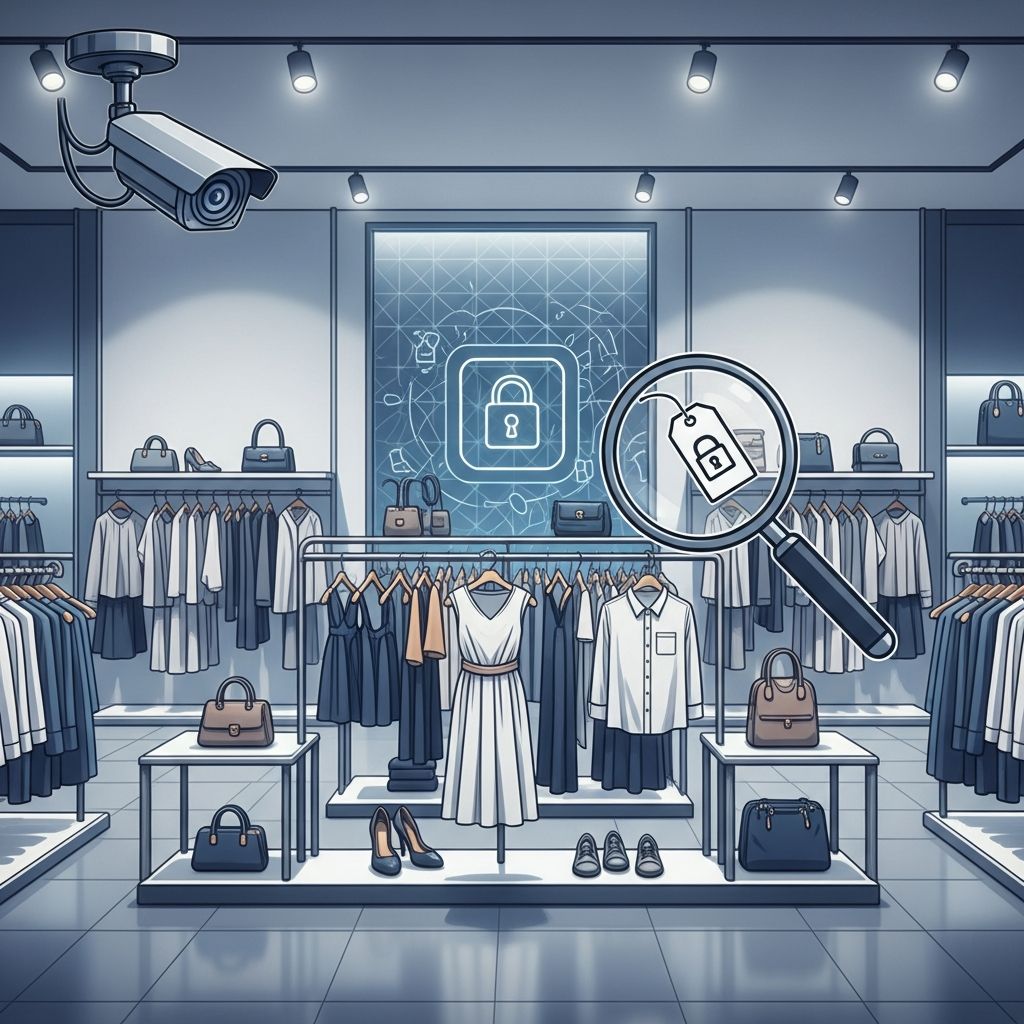
Wardrobing occurs when customers purchase clothing or accessories, use them for a short period such as a special event, and then return them for a full refund while claiming they are unused. This practice, a subset of return fraud, inflicts substantial financial harm on retailers, with industry estimates reaching billions in annual losses.
Understanding the Mechanics of Wardrobing Fraud
At its essence, wardrobing exploits generous return policies prevalent in retail, particularly for apparel and footwear. Shoppers select high-value items, remove or conceal tags temporarily, wear them once, and return them within the policy window, often laundering them to mask usage. This differs from genuine returns driven by dissatisfaction, as intent to reuse and refund is premeditated.
Common scenarios include buying prom dresses, wedding guest outfits, or even tools and electronics for one-off jobs. Online platforms exacerbate the issue due to shipping anonymity, allowing returns without face-to-face scrutiny. Data reveals that up to 40% of certain demographics admit to this behavior, underscoring its prevalence among everyday consumers rather than just professional fraudsters.
The Hidden Costs Wardrobing Imposes on Retailers
Beyond immediate refunds, wardrobing triggers a cascade of expenses. Returned items frequently cannot be resold at full price due to undetectable wear, odors, or hygiene concerns, leading to markdowns or disposal. Processing returns demands labor for inspection, restocking, and packaging, while inventory distortion hampers accurate forecasting and replenishment.
Industry-wide, return fraud including wardrobing accounted for over $100 billion in merchant losses in recent years, with specific apparel sector figures hitting $12.6 billion annually according to the National Retail Federation. These losses compel price hikes for honest customers, erode profit margins, and strain small businesses disproportionately. Environmentally, unsellable returns contribute to landfill waste, amplifying sustainability challenges in fashion retail.
| Cost Category | Impact Description | Estimated Annual Loss |
|---|---|---|
| Direct Refunds | Full purchase price returned | $12.6B (NRF est.) |
| Restocking Labor | Inspection and handling time | Billions in operational overhead |
| Discounted Resale | Items sold at 50-70% off | Less than 50% full-price recovery |
| Inventory Loss | Forecasting errors and stockouts | Indirect revenue decline |
Why Shoppers Turn to Wardrobing Practices
Motivations vary but often stem from one-time needs like events, social media boasts, or economic pressures. Some view it as harmless since the item returns to the store, ignoring processing realities. Buyer’s remorse or peer influence also plays a role, particularly among higher-income groups who perceive low personal risk.
- Event-specific usage: Weddings, interviews, or photoshoots.
- Social validation: Wearing luxury for online clout.
- Financial strain: Testing affordability before commitment.
- Policy leniency: Exploiting no-questions-asked refunds.
Addressing root causes requires educating consumers on ethical implications and policy boundaries without alienating legitimate buyers.
Proven Tactics to Deter Wardrobing in Brick-and-Mortar Stores
Physical retailers can implement layered defenses starting with policy refinement. Limit return windows to 14-30 days for apparel, mandate original packaging and tags, and exclude final-sale items. Staff training on spotting signs like laundry scents, makeup stains, or inconsistent sizing is crucial.
Introduce security measures such as RFID tags or anti-wardrobing sensors that detect removal or tampering, alerting at checkout. Offer store credit over cash refunds for high-risk categories, reducing incentive for fraud. Blacklisting serial abusers via customer profiles maintains fairness.
E-Commerce Innovations Against Online Wardrobing
Digital stores face amplified risks from drop-shipping returns. Counter this with tiered policies: full refunds for defects only, store credit for fit issues, and photo verification pre-return. AI-driven analytics flag suspicious patterns like frequent returns from single accounts or event-timed purchases.
Partner with third-party return services that inspect items en route, minimizing restocking burdens. Dynamic pricing or subscription models for rentals can shift paradigms away from ownership-based fraud.
Navigating the Legal Terrain of Return Fraud Battles
Wardrobing skirts illegality in most jurisdictions, classified as policy abuse rather than theft unless tags are permanently destroyed. Retailers rarely pursue prosecution due to proof burdens and PR risks, opting for refund denials. However, states like New York mandate clear policy disclosures, empowering stricter enforcement.
Civil recourse includes lawsuits for breach of contract, but cost-benefit favors prevention. Federal guidelines from the FTC emphasize transparent policies to protect consumers while allowing fraud deterrence. Balance is key: overly restrictive rules invite complaints to consumer agencies.
Case Studies: Retailers Winning the Wardrobing Fight
Major chains have slashed losses by 30-50% through hybrid approaches. One apparel giant adopted ink tags that stain upon removal, deterring 70% of attempts. Another e-tailer implemented return fees for non-defective apparel, boosting net retention by 15%.
Small businesses succeed with loyalty programs tying returns to accounts, exposing patterns early. A boutique jeweler shifted to appointment-only fittings with deposits, virtually eliminating one-wear returns.
Future-Proofing Your Business: Emerging Tech Solutions
Blockchain for provenance tracking ensures item histories are tamper-proof. Machine learning predicts fraud via purchase behaviors, auto-flagging risks. Sustainable initiatives like resale partnerships for returns turn liabilities into assets, appealing to eco-conscious shoppers.
Collaborative industry databases sharing fraudster profiles across retailers amplify deterrence without individual burdens.
Frequently Asked Questions
What exactly constitutes wardrobing?
Wardrobing involves buying usable items like clothes or gear, employing them briefly, then returning for refunds under false pretenses of non-use.
Is wardrobing considered a crime?
Typically not criminal, but it violates policies and may lead to civil penalties or bans; extreme cases could invoke fraud statutes.
How can small retailers detect wardrobing attempts?
Train staff to check for wear indicators, odors, and patterns; use tech tags and limit refunds to verified purchases.
Does tightening returns hurt legitimate customers?
Balanced policies maintain satisfaction; communicate clearly to build trust and focus restrictions on high-fraud items.
What role does technology play in prevention?
AI analytics, RFID, and inspection portals streamline detection, reducing manual effort by up to 80%.
Implementing a Comprehensive Anti-Wardrobing Framework
Success demands integration: audit current policies, benchmark against peers, pilot tech pilots, and monitor KPIs like return rates (target under 15% for apparel). Train teams quarterly and solicit feedback to refine. Ethical framing in communications fosters voluntary compliance.
For small businesses, start simple: signage, receipts with policy recaps, and software for tracking. Scale to advanced tools as volumes grow. Proactive stance preserves margins, sustains growth, and upholds industry integrity.
References
- Wardrobing: Security Dictionary, Terms & Definitions — Greip. 2023. https://greip.io/blog/dictionary/Wardrobing-206
- What is Wardrobing? Stop Refund Abuse — Chargebacks911. 2023. https://chargebacks911.com/wardrobing/
- Prevent Wardrobing Return Fraud: 5 Effective eCommerce Strategies — WeSupply Labs. 2023. https://wesupplylabs.com/prevent-wardrobing-return-fraud-5-effective-ecommerce-strategies/
- Preventing Wardrobing: Best Practices for Return Policies — Narvar. 2023. https://corp.narvar.com/blog/how-to-prevent-wardrobing
- Wardrobing: Definition & Effects — Retail Dogma. 2023. https://www.retaildogma.com/wardrobing/
Similar Articles








Read full bio of Sneha Tete




