
Challenging USCIS Green Card Denials for Suspected Marriage Fraud
Navigate the complex process of appealing USCIS denials based on alleged marriage fraud and reclaim your path to permanent residency.
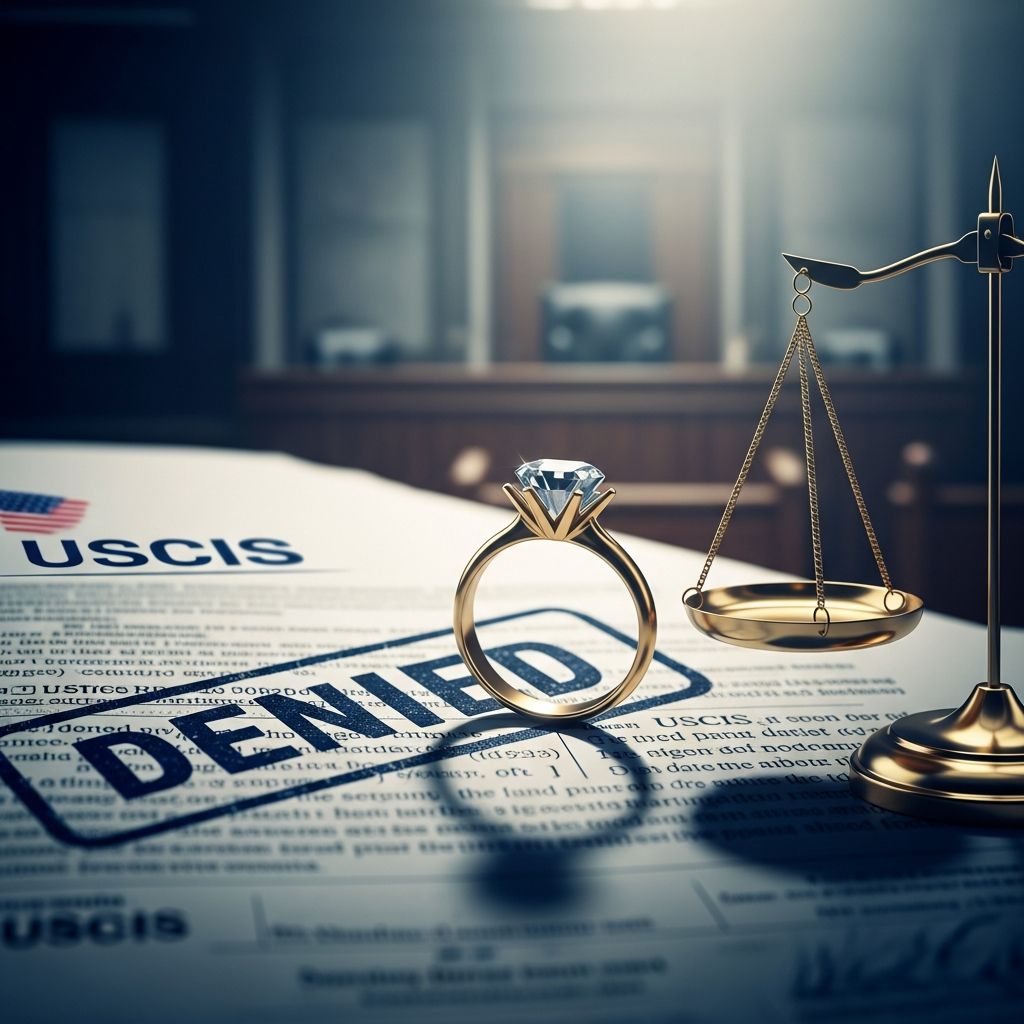
Denials of green card applications by U.S. Citizenship and Immigration Services (USCIS) based on allegations of marriage fraud can derail legitimate family reunification efforts. These decisions often stem from perceived insufficiencies in proving a genuine marital relationship, triggering lifelong bars under immigration law. Understanding the appeal mechanisms, evidence requirements, and alternative remedies is crucial for reversing such findings and securing lawful permanent residency.
Understanding Marriage Fraud Allegations in Immigration Context
USCIS scrutinizes marriage-based green card petitions rigorously to detect sham arrangements entered solely for immigration benefits. A sham marriage lacks intent to build a shared life, focusing instead on evading visa restrictions. Under Section 204(c) of the Immigration and Nationality Act (INA), a formal finding of marriage fraud permanently prohibits approval of future visa petitions, including family-based I-130s, employment-based I-140s, and VAWA self-petitions, irrespective of time elapsed or current relationship authenticity.
Common triggers include discrepancies in interview responses, absence of joint financial records, limited cohabitation evidence, or short relationship durations. Post-interview, USCIS may deploy Fraud Detection and National Security (FDNS) investigators for home visits, neighbor interviews, and record audits, intensifying scrutiny. Even prior fraud findings from old cases can block new legitimate petitions unless successfully challenged.
Initial Steps After Receiving a Denial Notice
Upon denial, meticulously review the Notice of Decision for appeal eligibility. It specifies if an appeal via Form I-290B is available, or if alternatives like motions apply. Deadlines are strict: typically 30 calendar days from the decision date, or 33 days if mailed. Missing these bars relief, with rare exceptions for extraordinary circumstances.
Petitioners—usually U.S. citizen or permanent resident spouses—hold appeal rights, not beneficiaries, except in self-petitions like VAWA cases. Gather all original documents, denial rationale, and new evidence immediately to build a compelling case.
The Appeal Process Using Form I-290B
Form I-290B, Notice of Appeal or Motion, initiates review of non-appealable decisions by the Administrative Appeals Office (AAO). File with fees, a detailed brief outlining errors, and supporting documents. The original USCIS field office conducts an initial field review; if errors are acknowledged, they may reverse without AAO escalation, expediting resolution.
AAO appeals involve de novo review, allowing new arguments and evidence. Outcomes include dismissal (upholding denial), sustainment (reversal and approval), or remand for further action. Processing averages six months but extends for complex matters.
| Appeal Stage | Key Actions | Timeline | Possible Outcomes |
|---|---|---|---|
| Initial Field Review | USCIS reexamines decision | Weeks | Reversal or forward to AAO |
| AAO Full Review | De novo analysis with briefs | 6+ months | Dismiss, Sustain, Remand |
| Filing Deadline | Form I-290B submission | 30/33 days | Late = Dismissal |
Gathering and Presenting Compelling Evidence
- Joint Financial Ties: Bank statements, shared credit cards, joint tax returns (Form 1040), and mortgage/lease agreements in both names demonstrate economic interdependence.
- Shared Living Proof: Utility bills, insurance policies, vehicle titles, and affidavits from landlords confirming cohabitation.
- Relationship History: Photos from various events, travel records, correspondence (emails, texts), and sworn statements from family/friends detailing relationship progression.
- Overcoming Prior Findings: For INA 204(c) bars, submit expert affidavits, psychological evaluations, or evidence disproving past fraud intent.
- Interview Preparation: Consistent narratives, document checklists, and mock sessions to counter grilling by officers.
Phone records showing regular communication, actual joint account usage, and long-term relationship history are pivotal. Avoid self-representation; experienced attorneys adeptly counter FDNS probes and jurisdictional biases.
Alternative Remedies: Motions and Refiling Options
When appeals are unavailable or fail, motions to reopen (new evidence) or reconsider (legal/factual errors) offer paths forward. These require Form I-290B, filed within 30 days for reconsideration or with justification for reopening delays.
Refiling a new I-130 after denial is viable if no permanent bar exists, bolstered by stronger evidence. In removal proceedings, challenge findings before an Immigration Judge, appealing to the Board of Immigration Appeals (BIA) within 30 days. BIA reviews legal/procedural issues, potentially affirming, reversing, or remanding. Federal district court litigation addresses due process violations.
Risks and Long-Term Consequences of Fraud Findings
A 204(c) determination imposes indelible barriers, nullifying even genuine subsequent marriages. Consular denials post-USCIS approval can invoke fraud independently. Ineligibility spans decades, demanding proactive defenses from filing inception.
Strategic choices hinge on case history, evidence availability, spouse cooperation, finances, and timelines. Attorneys with proven success in high-fraud jurisdictions guide optimal routes.
Role of Legal Counsel in Successful Challenges
Immigration attorneys specialize in preempting denials through meticulous preparation, interview defenses, and post-denial battles at USCIS, AAO, BIA, or courts. They navigate disadvantages of each option, maximizing success odds. Self-filers risk unprepared interviews and FDNS scrutiny.
Frequently Asked Questions
Can I appeal a green card denial if I’m not the petitioner?
Generally, no—only the petitioner (e.g., U.S. citizen spouse) can file Form I-290B, except in self-petitions like VAWA.
What if I miss the 30-day appeal deadline?
Late appeals are dismissed; consider a motion with extraordinary justification or refile if no permanent bar applies.
Does a prior marriage fraud finding block all future green cards?
Yes, under INA 204(c), it permanently bars marriage-based approvals unless overturned.
How long does an AAO appeal take?
Typically six months, longer for complex cases involving fraud allegations.
Can new evidence be submitted on appeal?
Yes, AAO conducts de novo review, accepting new arguments and documents.
Recent Developments in Marriage Fraud Case Law
From 2019-2021, BIA decisions clarified sham marriage definitions and 204(c) applications, emphasizing proof burdens and practitioner tips for rebuttals. Staying abreast of precedents strengthens appeals.
This comprehensive guide equips petitioners with tools to contest denials effectively. Consult qualified counsel promptly to tailor strategies to your circumstances.
References
- Reversing Marriage Fraud Findings — SGG Immigration. 2023. https://www.sggimmigration.com/practice-groups/family-removal/appeals-of-cis-immigration-judge-cbp-decisions/reversing-marriage-fraud-findings/
- Green Card Appeal Process 2025: What to Expect After a Denial — Chidolue Law. 2025. https://chidoluelaw.com/blog/green-card-appeal-process-2025-what-to-expect-after-a-denial/
- Practice Advisory: Sham Marriages and Marriage Fraud — Catholic Legal Immigration Network, Inc. (CLINIC). 2021. https://www.cliniclegal.org/resources/family-based-immigration-law/spousal-petitions/practice-advisory-sham-marriages-and
- How to Appeal Marriage Fraud Charge — Crispin Lozano Law. 2023. https://crispinlozanolaw.com/how-to-appeal-marriage-fraud-charge-3/
Similar Articles








Read full bio of Sneha Tete




