
CFPB v. TCF National Bank: Lessons on Overdraft Practices
How the CFPB’s action against TCF National Bank reshaped overdraft fee practices and strengthened consumer financial protections.
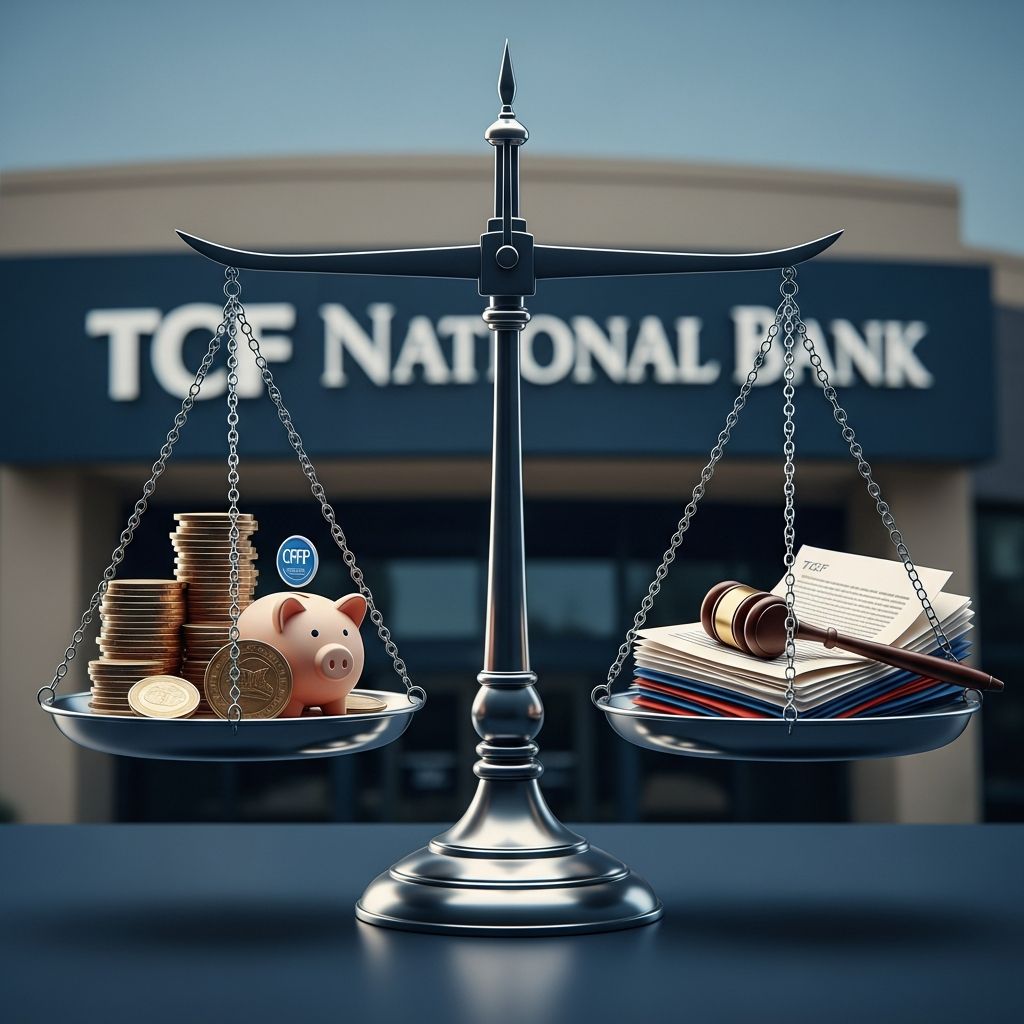
The enforcement action involving TCF National Bank is a key example of how the Consumer Financial Protection Bureau (CFPB) uses its authority to police abusive overdraft practices and ensure consumers receive clear, meaningful disclosure of fees and account terms. This case highlights how regulatory oversight can reshape bank practices and offers important lessons for consumers and financial institutions.
Understanding Overdraft Programs and Why They Matter
Overdraft programs allow banks to approve debit card or ATM transactions even when a customer does not have enough money in the account, typically charging a fee for each covered transaction. When designed or marketed unfairly, these programs can result in significant, repeated charges to consumers.
Key characteristics of overdraft programs include:
- Fee-based coverage: A flat fee is charged when the bank pays a transaction that exceeds the account balance.
- Per-transaction costs: Each additional overdraft event can trigger another fee, rapidly multiplying charges.
- Discretionary nature: Banks often decide whether to cover or decline a transaction, subject to their policies.
- Regulatory opt-in: For ATM and one-time debit card transactions, banks must obtain a consumer’s affirmative consent (opt-in) to charge overdraft fees under federal rules.
Because overdraft fees can be both frequent and costly, regulators view them as a high-risk area for consumer harm and deceptive marketing.
Regulatory Framework Behind the TCF National Bank Case
The TCF National Bank enforcement action sits at the intersection of several consumer financial protection laws and regulations. While the specifics of the case are unique, the legal framework is broadly applicable to all U.S. depository institutions.
Key Laws and Rules Involved
- Electronic Fund Transfer Act (EFTA) and Regulation E – These require banks to obtain consumers’ opt-in consent before charging overdraft fees on ATM and one-time debit card transactions, and to provide clear, segregated disclosures of terms and conditions.
- Dodd–Frank Act (Consumer Financial Protection Act) – Prohibits unfair, deceptive, or abusive acts or practices (UDAAP) in the consumer financial marketplace.
- Truth in Savings Act and related disclosure rules – Require clear disclosure of fees and terms connected to deposit accounts, reinforcing transparency and comparability.
Under this framework, regulators examine not only whether required paperwork is provided, but also whether the overall marketing, sales practices, and internal incentives lead consumers to reasonably understand what they are agreeing to.
The TCF National Bank Overdraft Controversy
According to public enforcement documents, the CFPB alleged that TCF National Bank used misleading tactics to secure high rates of opt-in for overdraft services on debit card and ATM transactions. While the Bank may have formally complied with certain disclosure requirements, the Bureau focused on how consumers were actually led to make opt-in decisions.
Core Allegations About TCF’s Practices
Based on the CFPB’s description of the case and related enforcement policies, TCF’s overdraft program raised several concerns consistent with broader regulatory priorities:
- Confusing presentation of overdraft choices: Sales staff allegedly emphasized the benefits of overdraft coverage (such as avoiding declined transactions) while minimizing the potential cost and frequency of overdraft fees.
- Framing opt-in as a standard or default option: Rather than presenting overdraft coverage as an optional, fee-based service, bank interactions and scripts allegedly suggested that opting in was necessary to use a debit card normally, which could mislead consumers.
- Incentive structures for employees: Internal compensation or performance metrics reportedly rewarded high opt-in rates, creating pressure on staff that could encourage aggressive sales tactics.
- Insufficient emphasis on fee amounts and risks: Disclosures may have technically included fee information, but the CFPB alleged that the overall sales process did not leave consumers with a balanced understanding of potential costs.
The Bureau argued that, taken together, these practices resulted in a large number of consumers being enrolled in a costly overdraft program without informed, meaningful consent.
How the CFPB Builds a Case: From Investigation to Order
The TCF National Bank matter followed the typical life cycle of a CFPB enforcement action, which is structured and rule-driven.
1. Opening an Investigation
The CFPB generally initiates an enforcement inquiry when it identifies:
- Facts that could, if proven, amount to a legal violation.
- Specific entities likely responsible for the conduct.
- Evidence of significant consumer harm or systemic risk.
Enforcement attorneys use tools such as civil investigative demands (CIDs) to obtain documents, data, and testimony from the institution and relevant third parties.
2. Fact Gathering and Legal Analysis
During this phase, the Bureau analyzes:
- Account opening scripts, training materials, and call recordings.
- Opt-in rates, fee income, and demographic or product-level patterns.
- Compliance policies, monitoring reports, and audit findings.
The goal is to determine whether practices are unfair, deceptive, or abusive under the Consumer Financial Protection Act or violate specific regulations like Regulation E.
3. Negotiation or Litigation
Once the Bureau concludes that violations occurred, it may:
- Negotiate a consent order (a negotiated settlement that includes findings, remedies, and ongoing obligations), or
- File a lawsuit in federal court or initiate an administrative adjudication.
In the TCF National Bank case, the matter resulted in a public enforcement order requiring relief to consumers and changes to the bank’s practices.
Penalties and Remedies Imposed on TCF National Bank
The CFPB uses its authority to mandate both monetary and non-monetary relief to correct violations and prevent recurrence. In the TCF National Bank case, the order included several types of consequences.
| Remedy Type | Purpose | Illustrative Components |
|---|---|---|
| Consumer Redress | Compensate affected customers for improper or undisclosed fees. | Refunds or credits of overdraft fees incurred under improperly marketed opt-in arrangements. |
| Civil Money Penalties | Sanction the institution and deter future misconduct. | Payment into the CFPB’s Civil Penalty Fund, which may be used to compensate harmed consumers in other cases. |
| Prospective Conduct Relief | Ensure future compliance and structural reforms. | Changes to disclosures, sales practices, monitoring, and incentive programs. |
| Reporting and Compliance Obligations | Allow ongoing regulatory oversight of remedial efforts. | Periodic written reports, independent reviews, and board-level certification of compliance. |
How Consumers Were Affected and Compensated
The CFPB’s enforcement program is designed to ensure that money flows back to people harmed by illegal practices whenever possible. In the TCF National Bank case, affected consumers were eligible for some form of compensation.
Forms of Consumer Compensation
- Direct refunds issued by the bank or a settlement administrator to customers who paid overdraft fees under the challenged program.
- Account credits applied to active accounts in lieu of mailed checks, particularly for current customers.
- Bureau-administered payments in situations where TCF remitted funds to the CFPB, which then distributed money to eligible consumers through redress programs.
The CFPB maintains a public record of cases with payments to harmed consumers, allowing individuals to verify whether they are covered and obtain more information about claim processes.
Implications for Banks and Credit Unions
The TCF National Bank case has broad implications for how financial institutions design and market overdraft services. It reinforces that conforming to the technical text of a form is not enough; regulators will examine the overall consumer experience and the economic reality of the product.
Key Compliance Takeaways for Institutions
- Prioritize clear and balanced explanations: Marketing and account-opening conversations should explain both the benefits and the costs of overdraft coverage, including typical fee amounts and potential frequency.
- Review incentive programs: Compensation structures that reward high opt-in rates or fee revenue can create a risk of aggressive, misleading practices and will draw heightened regulatory scrutiny.
- Monitor opt-in rates and patterns: Extremely high opt-in rates relative to industry norms may signal that consumers do not fully understand the product or that messaging is skewed.
- Ensure genuine consumer choice: Opting in must be voluntary, with no implication that a debit card will not function or that basic account access depends on acceptance of overdraft fees.
- Maintain strong compliance management systems: Institutions should deploy internal audits, quality assurance reviews of sales interactions, and robust training programs to ensure staff comply with Regulation E and UDAAP standards.
What Consumers Can Learn from the TCF Case
For consumers, the TCF National Bank enforcement action underscores the importance of understanding how overdraft services work and what alternatives may exist.
Smart Questions to Ask About Overdraft Services
- What is the fee per overdraft transaction? Ask your bank for the exact dollar amount and whether there is a daily cap on fees.
- How often do customers typically incur overdraft fees? This helps you understand the real-world cost profile.
- Can I link a savings account or line of credit instead? Many institutions offer lower-cost options such as transfers from savings or small credit lines.
- What happens if I do not opt in? For ATM and one-time debit card transactions, most banks will simply decline the transaction without charging a fee if you do not opt in.
- Can I change my mind later? You have the right to revoke your opt-in choice and stop future overdraft fees on covered transactions.
Steps Consumers Can Take if They Suspect Unfair Practices
- Review account agreements and opt-in forms to see what you were told about overdraft coverage and fees.
- Request transaction histories that show when fees were charged, and for which purchases or withdrawals.
- Contact the institution’s customer service or complaint unit to dispute fees you believe were not properly authorized or disclosed.
- Submit a complaint to the CFPB, which maintains a public consumer complaint process and can use the information to identify systemic issues.
Comparing Overdraft Practices Before and After Enforcement
The TCF National Bank case contributed to a broader regulatory push to simplify and improve overdraft disclosures, not only at TCF but across the industry. Many institutions have made adjustments in response to enforcement and supervisory feedback.
| Aspect | Common Practices Before Enforcement Wave | Typical Practices After Enforcement Pressures |
|---|---|---|
| Presentation of Overdraft | Marketed as a convenience or standard feature, with limited emphasis on costs. | More balanced messaging highlighting both convenience and potential fee burdens. |
| Disclosure Format | Dense forms, limited oral explanation, and heavy reliance on small print. | Plain-language summaries, visual examples, and clearer opt-in choices. |
| Fee Structures | High per-transaction fees with few caps; multiple fees per day were common. | Growth of daily caps, grace thresholds, or low-balance alerts to reduce repeat fees. |
| Monitoring and Controls | Limited direct testing of consumer understanding. | More compliance testing, mystery shopping, and call monitoring to detect mis-selling. |
Frequently Asked Questions (FAQs)
Why did the CFPB focus on TCF National Bank’s overdraft program?
The CFPB targets cases where practices appear likely to cause widespread consumer harm or undermine the integrity of core disclosure rules. TCF’s overdraft program reportedly produced high opt-in rates and substantial fee revenue, raising concerns that consumers were not making fully informed choices.
Did TCF National Bank admit wrongdoing?
Many CFPB enforcement matters, including those involving banks, are resolved through consent orders where the institution agrees to remedial steps and penalties without necessarily admitting all legal allegations. The public order governs the obligations going forward and is enforceable in court.
How do I know if I was affected by the TCF case?
Consumers who held applicable accounts during the period covered by the enforcement order and paid certain overdraft fees may have been eligible for compensation. The CFPB’s website provides information on payments to harmed consumers by case, including how to check eligibility and get assistance.
Are overdraft fees now illegal?
No. Overdraft fees are not inherently illegal. They become a regulatory problem when charged in ways that are unfair, deceptive, abusive, or inconsistent with specific regulations such as Regulation E’s opt-in requirements. Many banks continue to offer overdraft services but have revised their disclosures and fee structures to reduce risk.
Can I avoid overdraft fees altogether?
Often, yes. Options can include not opting in to fee-based overdraft for ATM and one-time debit transactions, using low-balance alerts, linking to a savings account or low-cost line of credit, and regularly monitoring your account balance via mobile or online banking. Consumers can also ask banks about accounts that do not permit overdrafts and simply decline transactions.
References
- The CFPB’s enforcement work in 2023 and what lies ahead — Consumer Financial Protection Bureau. 2024-01-29. https://www.consumerfinance.gov/about-us/blog/the-cfpbs-enforcement-work-in-2023-and-what-lies-ahead/
- Enforcement Actions — Consumer Financial Protection Bureau. 2025-08-21 (page updated date shown). https://www.consumerfinance.gov/enforcement/actions/
- Life cycle of an enforcement action — Consumer Financial Protection Bureau. 2023-10-05. https://www.consumerfinance.gov/enforcement/life-cycle-of-enforcement-action/
- The CFPB’s 2021–2025 Enforcement Legacy — Consumer Federation of America. 2024-09-03. https://consumerfed.org/the-cfpbs-2021-2025-enforcement-legacy/
- Enforcement — Consumer Financial Protection Bureau. 2024-04-11. https://www.consumerfinance.gov/enforcement/
- Payments to harmed consumers by case — Consumer Financial Protection Bureau. 2024-02-07. https://www.consumerfinance.gov/enforcement/payments-harmed-consumers/payments-by-case/
Similar Articles








Read full bio of Sneha Tete




