
Understanding CFPB Investigatory Powers and Debt Collector Challenges
How federal regulators pursue debt collectors and how companies respond through legal petitions.
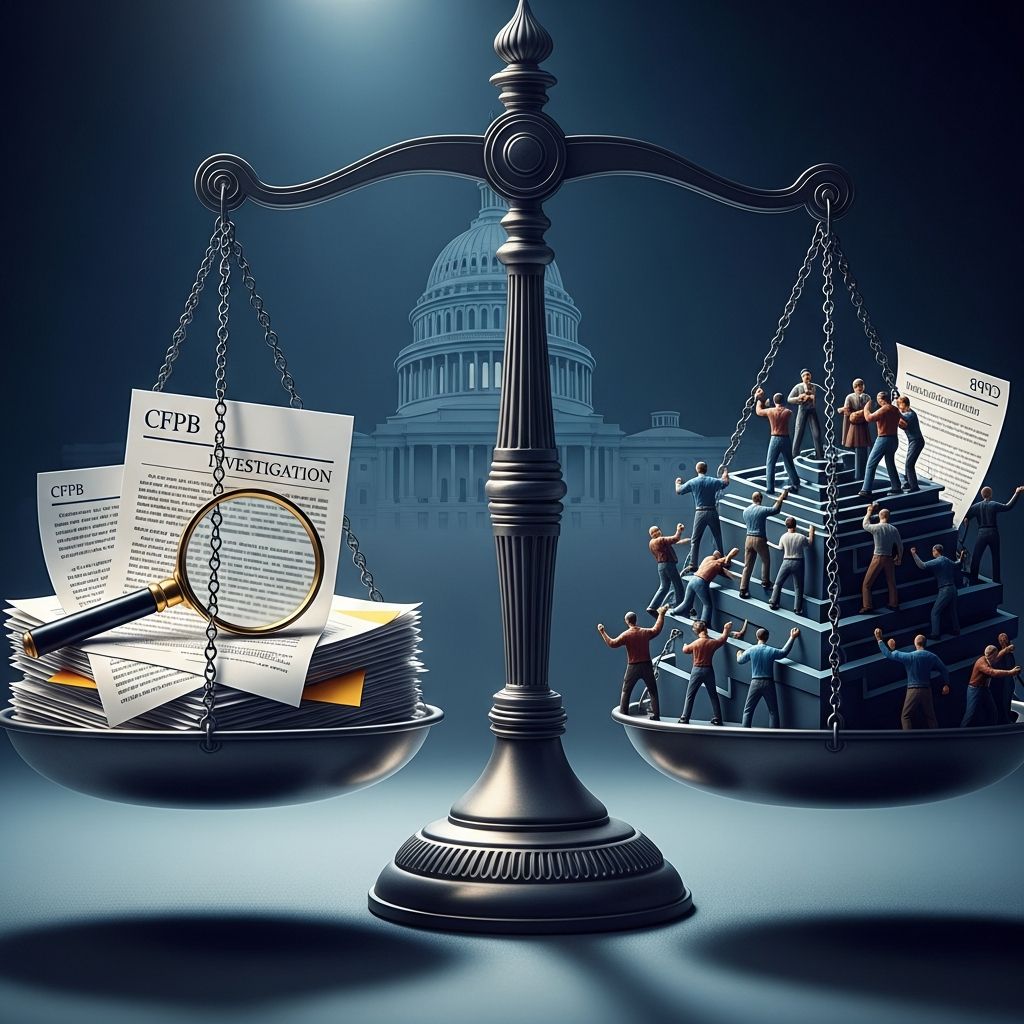
How Federal Regulators Investigate Debt Collection Practices
Consumer financial protection in the United States relies heavily on the ability of federal agencies to investigate and enforce the law. Among the most powerful tools available to the Consumer Financial Protection Bureau (CFPB) is the civil investigative demand (CID). This legal instrument allows the Bureau to compel companies to produce documents, answer written questions, and provide testimony when it suspects violations of consumer financial laws. Understanding how these demands work, and how companies respond, sheds light on the broader enforcement landscape for debt collectors and other financial firms.
The Role of Civil Investigative Demands in Consumer Enforcement
A civil investigative demand is not a lawsuit, but rather a pre-enforcement investigative tool. Under the Consumer Financial Protection Act of 2010, the CFPB can issue a CID when it has reason to believe that a person or company may have engaged in conduct that violates federal consumer financial laws. These laws include the Fair Debt Collection Practices Act (FDCPA), the Fair Credit Reporting Act (FCRA), and the prohibition on unfair, deceptive, or abusive acts or practices (UDAAP).
When the CFPB issues a CID, it typically requires the recipient to:
- Produce specific documents and records related to its business practices
- Answer detailed written interrogatories (questions)
- Provide oral testimony under oath, if requested
The scope of a CID can be broad, often covering several years of operations. For a debt collection agency, this might include records of collection letters, call logs, agreements with creditors, communications with credit bureaus, and internal policies on handling disputed debts or cease-and-desist requests.
Why Debt Collectors Challenge Civil Investigative Demands
While CIDs are a standard part of regulatory enforcement, companies do not always accept them without challenge. Some firms file petitions asking the CFPB to modify or set aside the demand, arguing that it is overbroad, improperly issued, or seeks information protected by legal privileges.
Common grounds for challenging a CID include:
- Constitutional or procedural objections: A company may argue that the CID was issued in a manner that violates due process or exceeds the Bureau’s statutory authority, especially if there are questions about the agency’s own legal standing or structure.
- Overbreadth: If the demand seeks information going back many years or covering unrelated business lines, a company may claim it is unduly burdensome and not reasonably related to the investigation.
- Statute of limitations concerns: For claims based on UDAAP or other federal consumer laws, the applicable statute of limitations is often three years. A CID that seeks records from more than three years prior may be challenged as seeking information that could not support any future enforcement action.
- Privileged information: A company may object if the CID appears to seek communications protected by the attorney-client privilege or work product doctrine, particularly in matters involving legal advice on compliance or litigation strategy.
How the CFPB Responds to Petitions to Modify or Set Aside
When a company files a petition to modify or set aside a CID, the CFPB evaluates the arguments and may choose to:
- Deny the petition and require full compliance with the original demand
- Modify the CID to narrow its scope, exclude certain requests, or adjust deadlines
- Engage in discussions with the company to resolve objections informally
The Bureau’s rules provide a process for handling objections, including procedures for asserting privilege and for seeking protective orders. However, companies often argue that these internal procedures do not fully protect their rights, particularly when sensitive legal communications are at issue.
In practice, the CFPB tends to defend the validity of its CIDs, emphasizing that the investigative authority is broad and that the Bureau must be able to look back in time to understand patterns of conduct. At the same time, the Bureau may agree to limit certain requests if they are clearly outside the scope of the investigation or if they impose an unreasonable burden.
What a CID Investigation Typically Looks For in Debt Collection
When the CFPB investigates a debt collector, the CID often focuses on several key areas of potential misconduct:
| Area of Investigation | Examples of CID Requests |
|---|---|
| Debt validation and disputes | Records of how the company handles disputes, identity theft claims, and requests for debt verification |
| Communication practices | Call logs, voicemail scripts, letters sent to consumers, and policies on third-party communications |
| Credit reporting | Procedures for furnishing information to credit bureaus, handling disputes, and updating or correcting data |
| Collection fees and charges | Agreements with creditors, fee schedules, and how fees are calculated and disclosed to consumers |
| Compliance with cease-and-desist requests | Internal policies and records showing whether the company stops communicating after receiving a written cease-and-desist notice |
The goal of the investigation is to determine whether the company has engaged in practices that are unfair, deceptive, or abusive, or that violate specific provisions of the FDCPA or FCRA. If the Bureau finds sufficient evidence, it may pursue enforcement action, which can include fines, restitution to consumers, and requirements to change business practices.
Broader Implications for the Debt Collection Industry
The use of CIDs and the legal challenges that follow have important implications for the entire debt collection sector:
- Increased scrutiny: The fact that the CFPB is willing to issue broad investigative demands signals that debt collectors are under close regulatory oversight, particularly regarding how they communicate with consumers and report to credit bureaus.
- Compliance costs: Responding to a CID can be time-consuming and expensive, requiring significant internal resources and outside legal counsel. This creates a strong incentive for companies to maintain robust compliance programs.
- Precedent setting: How the CFPB handles petitions to modify or set aside CIDs can influence how future investigations are conducted and how courts view the Bureau’s authority in enforcement matters.
- Consumer impact: Effective investigations can lead to enforcement actions that stop harmful practices, return money to consumers, and deter similar behavior by other firms.
What Consumers Should Know About Debt Collector Investigations
While CIDs are directed at companies, they are ultimately about protecting consumers. If a debt collector is under investigation, it may be because of patterns of behavior that harm consumers, such as:
- Harassing or threatening communication
- Reporting inaccurate information to credit bureaus
- Charging unauthorized fees or attempting to collect debts that are time-barred
- Failing to honor cease-and-desist requests
Consumers who believe a collector is violating the law should:
- Keep detailed records of all communications (letters, calls, texts)
- Send cease-and-desist requests in writing and keep copies
- Dispute debts in writing with both the collector and the credit bureaus
- File complaints with the CFPB and state regulators
- Consult with a consumer rights attorney if they are being sued or believe they have a claim for damages
Common Misconceptions About CIDs and Enforcement
Several myths circulate about how the CFPB’s investigatory authority works:
- Myth: A CID means the company is guilty.
Reality: A CID is an investigative tool, not a finding of wrongdoing. The Bureau must gather evidence before deciding whether to take enforcement action.
- Myth: Companies can ignore a CID if they disagree with it.
Reality: Failing to comply with a CID can lead to enforcement in federal court, including fines and orders to compel compliance. The proper way to challenge a CID is through a formal petition, not non-compliance.
- Myth: The CFPB can only look at the last three years because of the statute of limitations.
Reality: While the statute of limitations may limit how far back the Bureau can go in court, it does not necessarily restrict the lookback period in an investigation. The Bureau may need older records to understand patterns and practices, even if it cannot sue on claims older than three years.
- Myth: Only large companies are investigated.
Reality: The CFPB investigates firms of all sizes, including smaller debt collectors, particularly when there are widespread consumer complaints or evidence of systemic issues.
How Companies Can Prepare for Regulatory Scrutiny
For debt collectors and other financial firms, the best defense against a CID is a strong compliance program. Key steps include:
- Maintaining clear, written policies on debt validation, disputes, and cease-and-desist requests
- Training staff regularly on the FDCPA, FCRA, and UDAAP standards
- Keeping accurate, organized records of all consumer interactions and credit reporting activities
- Engaging legal counsel to review collection letters, scripts, and policies for compliance
- Responding promptly and thoroughly to consumer disputes and regulatory inquiries
When a CID is received, companies should:
- Preserve all relevant documents and communications
- Assess the scope of the demand and identify any potential objections (e.g., privilege, overbreadth)
- Work with counsel to prepare a complete, accurate response or, if appropriate, file a petition to modify or set aside the demand
- Ensure that internal communications about the CID are handled carefully to avoid waiving any legal protections
FAQs About CFPB Investigatory Authority and Debt Collectors
What is a civil investigative demand (CID)?
A CID is a formal request from the CFPB for documents, answers to written questions, or testimony when the Bureau is investigating potential violations of consumer financial laws. It is not a lawsuit, but failure to comply can lead to court enforcement.
Can a company refuse to comply with a CID?
A company cannot simply ignore a CID. If it believes the demand is improper, it must file a petition asking the CFPB to modify or set aside the demand. Refusing to comply without a formal challenge can result in legal penalties.
Why would the CFPB investigate a debt collector?
The Bureau may investigate if there are allegations or evidence that a collector has engaged in unfair, deceptive, or abusive practices, violated the FDCPA (e.g., harassment, false statements), or failed to comply with the FCRA (e.g., inaccurate credit reporting).
How far back can the CFPB look in an investigation?
The CFPB’s investigatory authority is broad, and it may request records from several years prior. While the statute of limitations for enforcement is often three years, the Bureau may still need older records to understand patterns of conduct.
What happens if the CFPB finds violations?
If the investigation uncovers violations, the Bureau may pursue enforcement action, which can include monetary penalties, consumer redress, and requirements to change business practices. In some cases, it may also refer matters to other agencies or prosecutors.
Can consumers benefit from a CID investigation?
Yes. CID investigations can lead to enforcement actions that stop harmful practices, require companies to correct credit reporting errors, and sometimes provide compensation to affected consumers. Individual consumers may also have separate legal claims they can pursue.
What should I do if a debt collector is bothering me?
You should keep records of all contact, send a written cease-and-desist letter if you want the collector to stop communicating, dispute any inaccurate debts with the collector and credit bureaus, and file complaints with the CFPB and your state attorney general. If you are being sued or believe your rights have been violated, consider consulting a consumer rights attorney.
References
- Consumer Financial Protection Bureau: Civil Investigative Demands — Consumer Financial Protection Bureau. Accessed 2025. https://www.consumerfinance.gov/enforcement/investigatory-authority/
- 12 U.S.C. § 5562 – Civil investigative demands — United States Code, Title 12, Chapter 55, Subchapter III. https://www.law.cornell.edu/uscode/text/12/5562
- Fair Debt Collection Practices Act (FDCPA) — Federal Trade Commission. https://www.ftc.gov/legal-library/browse/statutes/fair-debt-collection-practices-act
- Fair Credit Reporting Act (FCRA) — Federal Trade Commission. https://www.ftc.gov/legal-library/browse/statutes/fair-credit-reporting-act
Similar Articles








Read full bio of Sneha Tete




