
Buying a Home After Foreclosure: Credit Impact and Recovery
Understand how foreclosure affects your credit, how long it lasts, and the practical steps you can take to qualify for a mortgage again.
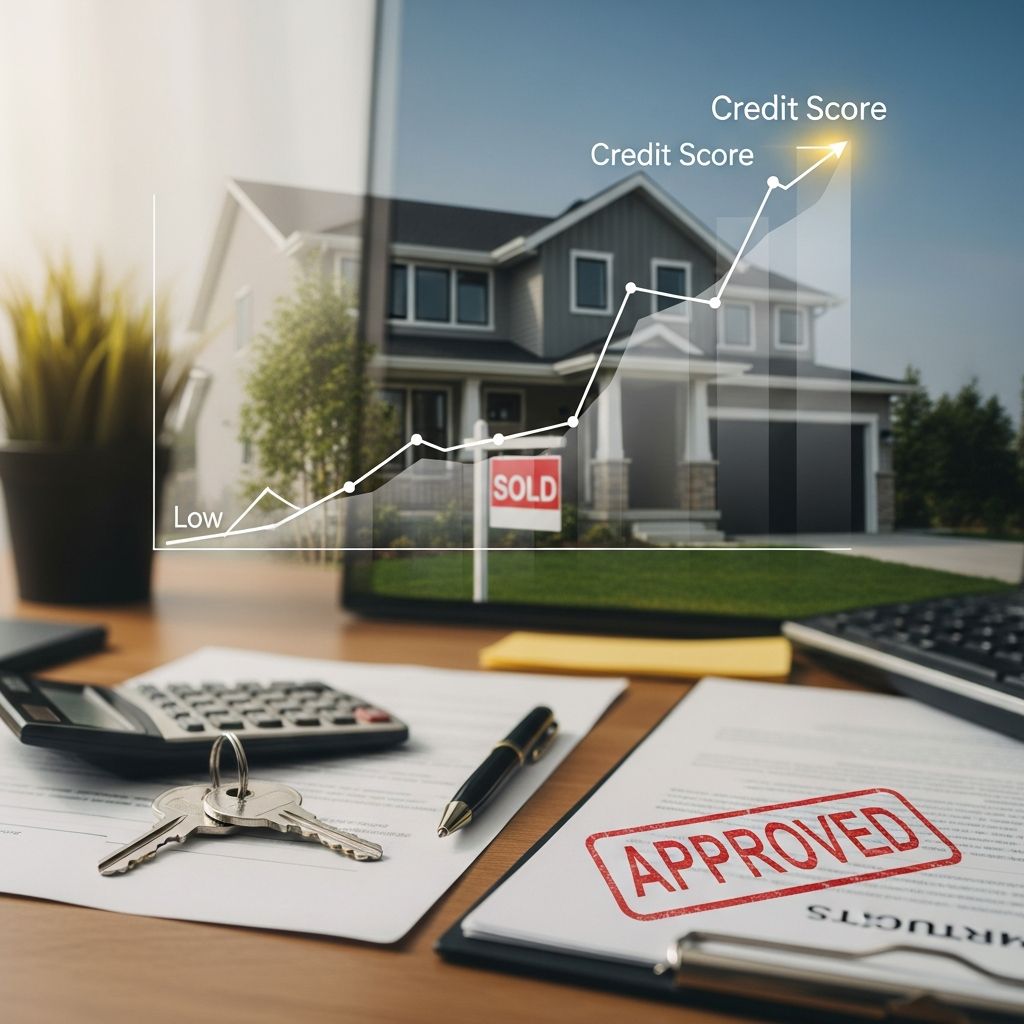
Losing a home to foreclosure is emotionally and financially painful, but it does not permanently end your ability to own a home again. While a foreclosure can significantly hurt your credit and remain on your credit report for years, you can rebuild and eventually qualify for another mortgage with time, planning, and consistent positive habits.
What Is Foreclosure and How Is It Reported?
Foreclosure is the legal process a lender uses to take and sell a property when the borrower stops making required mortgage payments. When this happens, both the missed payments and the foreclosure itself are recorded on your credit reports by the major credit reporting agencies.
Key points about how foreclosure is reported:
- Missed payments appear first as 30-day, 60-day, 90-day and 90+-day delinquencies before the foreclosure is completed.
- The foreclosure event is then added as a serious negative mark on the mortgage account.
- Both the delinquencies and the foreclosure contribute to lowering your credit scores.
How Foreclosure Affects Your Credit Score
Credit scores are numerical summaries of the information in your credit reports. A foreclosure is considered a major derogatory event and can cause a substantial score drop. The exact impact depends on your starting score and overall credit profile.
| Situation before foreclosure | Typical score impact (approximate) | Why the impact differs |
|---|---|---|
| Good credit (around 680) | About 85–105 point drop | You already had some risk, so there is room for further decline. |
| Very strong credit (around 780) | About 140–160 point drop | High scores fall more because the foreclosure represents a sharp change in risk. |
| Already damaged credit | Drop may be smaller, but score is still low | Multiple negative items limit how much further the score can fall. |
Most lenders and credit experts agree that foreclosure can lower your credit score by 100 points or more. The combination of repeated late payments plus the foreclosure itself is what makes the event so damaging.
How Long Foreclosure Stays on Your Credit Report
Foreclosure is long-lasting, but not permanent.
- A foreclosure generally remains on your credit report for up to seven years from the date of the first missed payment that led to the foreclosure, not from the date of the foreclosure sale itself.
- During that seven-year period, the foreclosure is visible to lenders reviewing your application.
- The negative impact is strongest in the first few years and then gradually fades as time passes and you build new positive credit history.
After seven years, the foreclosure should automatically be removed from your credit reports. At that point, lenders will no longer see that specific item, although they may still review more recent behavior and any other negative marks.
Can You Buy a Home Again After Foreclosure?
Yes. Many people successfully become homeowners again after a foreclosure. The main constraints are:
- The waiting period imposed by mortgage programs.
- Your credit score and overall credit history after the foreclosure.
- Your debt-to-income ratio, income stability, and savings.
While exact waiting periods depend on the loan type and your specific circumstances, lenders typically require a number of years to pass after a foreclosure before approving a new mortgage, and they expect to see documented improvement in your finances and credit behavior over that time.
Factors Lenders Evaluate After a Foreclosure
When you apply for a new mortgage after a foreclosure, lenders look beyond the foreclosure itself. They evaluate whether your current situation suggests you are likely to repay on time.
Common factors include:
- Time since foreclosure: The more years that have passed, the better, particularly if your credit record has been clean since.
- Current credit scores: Lenders want to see that your score has recovered into a range consistent with their underwriting standards.
- Payment history after foreclosure: On-time payments on all accounts are critical evidence of changed behavior.
- Amount of other debt: High credit card balances, auto loans, or personal loans can make approval harder.
- Income and employment stability: Steady income and a reliable work history help offset prior risk.
- Down payment funds: A larger down payment reduces the lender’s risk and can help after a serious past delinquency.
How the Impact of Foreclosure Changes Over Time
Although foreclosure remains on your credit reports for seven years, its impact is not constant throughout that period.
- First 12–24 months: This is typically the most difficult phase. Your score is at its lowest point due to multiple late payments and the new foreclosure entry.
- Years 3–5: If you consistently pay all accounts on time and keep balances low, your score can rise significantly, even though the foreclosure remains on your reports.
- Years 6–7: The foreclosure has less influence on your score compared with more recent behavior. At the seven-year mark, it should be removed entirely.
This gradual improvement means that what you do after a foreclosure can matter more than the foreclosure itself as time goes on.
Practical Steps to Rebuild Credit After Foreclosure
Rebuilding credit is a process, but small, consistent actions can have a large impact over several years.
1. Review Your Credit Reports for Accuracy
Start by obtaining your credit reports from each nationwide credit reporting agency. Confirm that:
- The foreclosure is correctly labeled and associated with the appropriate account.
- The date of first missed payment that led to the foreclosure is accurate, because this controls the seven-year reporting window.
- Any debts included in the foreclosure are not being reported as still active if they were satisfied by the foreclosure sale.
Dispute any errors you find by following the dispute procedures provided by the credit reporting agencies and your former lender.
2. Establish a Record of On-Time Payments
Payment history is typically the largest component of most credit scoring models. New, positive history can outweigh old negative entries over time.
To strengthen this area:
- Pay all bills—credit cards, auto loans, student loans, utilities—by the due date.
- Consider setting up automatic payments or reminders to avoid accidental late payments.
- If you have trouble meeting due dates, contact creditors early to explore hardship options.
3. Manage Credit Utilization and Balances
After payment history, the next major driver of credit scores is how much of your available credit you are using.
- Try to keep credit card balances below about 30% of your credit limits, and lower if possible.
- Avoid opening many new accounts at once simply to increase available credit.
- Make more than the minimum payment when you can to reduce balances faster.
4. Rebuild Using Appropriate Credit Products
If you have few or no open accounts after foreclosure, carefully adding small, manageable accounts can help you rebuild credit.
- Secured credit cards: These require a deposit and are often easier to obtain with damaged credit.
- Credit-builder loans: Some institutions offer small loans designed specifically to help build credit when payments are made on time.
- Be selective: Only take on new credit you can comfortably repay, and avoid high-fee, high-interest products whenever possible.
5. Strengthen Your Overall Financial Picture
Lenders do not rely only on credit scores. Your wider financial health matters, especially after a major event like foreclosure.
- Build an emergency fund, even slowly, to reduce the risk of future missed payments.
- Reduce high-interest debt that eats into your monthly cash flow.
- Stabilize income through consistent employment or diversified sources of earnings.
Preparing to Apply for a Mortgage Again
When you are closer to applying for a mortgage, treat the process like a multi-year project.
Check Your Readiness
Ask yourself:
- Has the typical waiting period for my desired loan type likely passed?
- Is my credit score within the range usually required by lenders?
- Have I been free of late payments for several years?
- Do I have a stable, documented income and a manageable level of other debt?
- Have I saved an adequate down payment and funds for closing costs and reserves?
Document the Circumstances of Your Foreclosure
Lenders may ask what caused the foreclosure and what has changed since then. It can help to prepare a clear explanation if your foreclosure resulted from a one-time hardship such as:
- Job loss or significant reduction in income
- Major medical expenses
- Divorce or family crisis
- Other documented, unavoidable events
Showing that the cause was temporary and that you have taken steps to reduce the chance of a repeat can strengthen your application.
Shop Carefully for Lenders
Not all lenders treat prior foreclosures the same way. Consider:
- Speaking with multiple lenders or a mortgage broker familiar with post-foreclosure borrowers.
- Comparing interest rates, fees, and down payment requirements.
- Asking directly about their guidelines related to previous foreclosures and waiting periods.
Common Myths About Foreclosure and Future Homeownership
Several misconceptions can make foreclosure feel like an insurmountable barrier. Understanding what is true can help you plan more effectively.
- Myth: “I will never be able to buy a home again.”
Reality: Foreclosure is serious but temporary in its reporting. Many consumers qualify for a new mortgage after time has passed and their credit has improved. - Myth: “My credit is ruined forever.”
Reality: Credit scores are dynamic. With steady on-time payments and responsible credit use, scores can rise substantially even while a foreclosure is still on your report. - Myth: “Once the foreclosure is done, my score will bounce back quickly.”
Reality: The foreclosure and the late payments remain on your credit report for up to seven years, and improvement typically happens gradually, not overnight. - Myth: “I should avoid all credit after foreclosure.”
Reality: Having no credit activity can slow your recovery. Using a small amount of credit responsibly can help rebuild your score.
Frequently Asked Questions (FAQs)
Q1: How long do I have to wait after foreclosure to apply for a mortgage?
There is no single universal waiting period; it depends on the loan program and lender. Many major mortgage programs require a number of years to pass after a foreclosure, often in the range of several years, and may shorten that period if you can document extenuating circumstances. Lenders will also require evidence of improved credit and stable finances.
Q2: Does the seven-year reporting period mean I cannot get a mortgage for seven years?
Not necessarily. Seven years is the maximum time a foreclosure can appear on your credit report in most cases. Some borrowers qualify for new mortgages before the foreclosure drops off, depending on how quickly they rebuild credit and on individual lender rules.
Q3: Will paying off remaining mortgage debt remove the foreclosure from my credit report?
Paying any remaining debt or deficiency balance may improve your overall financial situation and can be looked on favorably by lenders, but it does not erase the foreclosure entry itself. The foreclosure typically remains for up to seven years from the date of the first missed payment that led to it.
Q4: Can I negotiate to have the foreclosure deleted from my report?
Credit reporting is generally governed by federal and state laws that require accurate reporting. If the foreclosure information is correct, lenders and credit bureaus are usually not required to remove it early. However, if you identify inaccuracies—such as incorrect dates or amounts—you can dispute them and request correction.
Q5: What is the most important thing I can do right now to improve my chances of owning a home again?
The single most important step is to build a consistent record of on-time payments on all your current obligations. Combined with reducing high balances and avoiding new, unnecessary debt, this demonstrates to future lenders that your financial habits have changed and that you are a lower-risk borrower over time.
References
- If I lose my home to foreclosure, can I ever buy a home again? What impact will a foreclosure have on my credit report? — Consumer Financial Protection Bureau. 2023-05-31. https://www.consumerfinance.gov/ask-cfpb/if-i-lose-my-home-to-foreclosure-can-i-ever-buy-a-home-again-what-impact-will-a-foreclosure-have-on-my-credit-report-en-326/
- How Long Does a Foreclosure Stay on Your Credit Report? — Experian (Ask Experian Blog). 2022-08-23. https://www.experian.com/blogs/ask-experian/how-does-a-foreclosure-affect-credit/
- Rebuilding Your Credit After a Foreclosure or Eviction — Equifax. 2023-01-19. https://www.equifax.com/personal/education/credit/score/articles/-/learn/rebuilding-credit-after-foreclosure-eviction/
- How Foreclosure, Short Sale, Bankruptcy, and Loan Modification Affect Your Credit Score — Nolo. 2021-09-15. https://www.nolo.com/legal-encyclopedia/which-is-worse-your-fico-score-bankruptcy-foreclosure-short-sale-loan-modification.html
- Consequences of Foreclosure — CESI. 2022-06-10. https://www.cesisolutions.org/resources/credit-and-debt-resource-center/consequences-of-foreclosure
- How a Foreclosure or Short Sale Affects Your Credit Score — JPMorgan Chase. 2023-03-07. https://www.chase.com/personal/credit-cards/education/build-credit/how-a-short-sale-or-foreclosure-affect-your-credit-score
- How Long Does a Foreclosure Stay On Your Credit Report? — Fesenmyer Cousino Weinzimmer. 2022-05-02. https://www.debtfreeohio.com/bankruptcy-information/foreclosure/how-long-foreclosure-stay-credit-report/
Similar Articles








Read full bio of medha deb




