
Breach Of Contract Essentials: Key Steps, Remedies, And Defenses
Master the fundamentals of contract breaches: types, remedies, prevention strategies, and legal recourse for businesses and individuals.
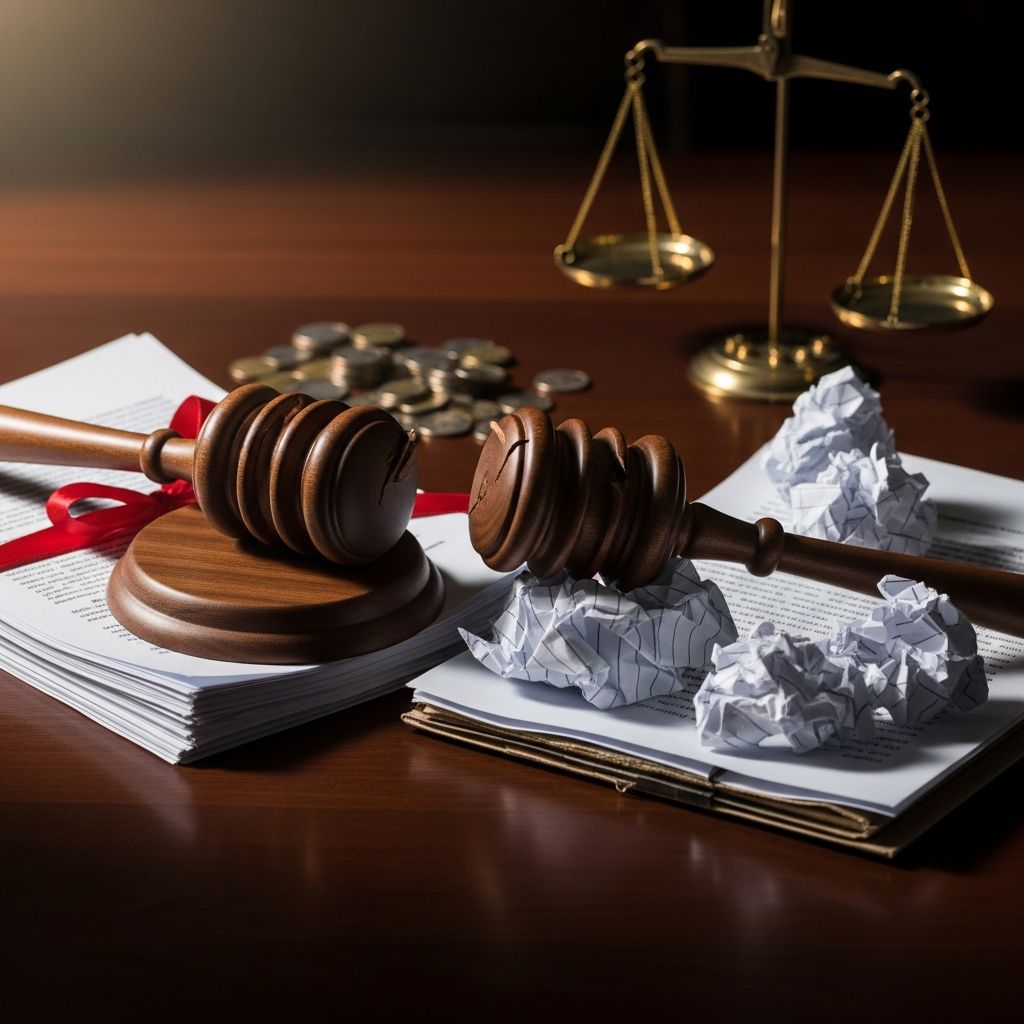
A breach of contract happens when one party to a legally binding agreement fails to perform its promised obligations without a valid legal excuse. This failure can range from complete non-performance to partial or delayed fulfillment, triggering potential legal remedies for the harmed party.
Core Elements of a Valid Contract
Before a breach can occur, the agreement must qualify as an enforceable contract. Key requirements include mutual agreement (offer and acceptance), consideration (something of value exchanged), capacity of parties to contract, and legality of purpose. Without these, no breach claim exists.
Recognizing Different Forms of Breach
Contract breaches vary in nature and severity, influencing available remedies. Understanding these distinctions helps parties respond appropriately.
Material vs. Minor Breaches
A material breach involves substantial failure to meet essential contract terms, depriving the other party of expected benefits and often justifying termination. Minor breaches, or partial non-performance, allow the aggrieved party to seek damages but not end the contract.
| Type | Definition | Impact on Contract | Example |
|---|---|---|---|
| Material Breach | Substantial failure of core obligations | Allows termination + damages | Contractor abandons major construction project midway |
| Minor Breach | Small deviation from terms | Damages only; contract continues | Delivery arrives one day late with no harm |
Actual Breach Explained
An actual breach occurs when a party fails to perform as agreed at the time performance is due. This includes not delivering goods, incomplete services, or substandard work.
Anticipatory and Repudiatory Breaches
In an anticipatory breach, one party indicates before the performance date that they will not fulfill obligations, allowing immediate legal action. A repudiatory breach is so severe it undermines the contract’s foundation, permitting termination.
Proving a Breach in Court
To succeed in a breach claim, plaintiffs must demonstrate four elements:
- Existence of a valid, enforceable contract.
- Plaintiff’s fulfillment of their duties or excuse from performance.
- Defendant’s failure to perform without justification.
- Resulting damages or harm to the plaintiff.
Courts examine contract language, industry standards, and party expectations to assess materiality.
Common Causes Leading to Breaches
Breaches often stem from financial difficulties, miscommunication, unforeseen events, or deliberate non-compliance. Excuses like impossibility or frustration may defend against claims, but only if proven.
Available Remedies for Breach Victims
Non-breaching parties can pursue several remedies, depending on breach severity.
- Compensatory Damages: Cover direct losses and foreseeable consequential harms.
- Specific Performance: Court order forcing fulfillment, rare for unique goods or services.
- Contract Rescission: Unwinding the agreement, restoring parties to pre-contract positions.
- Liquidated Damages: Pre-agreed sums if reasonable and not punitive.
Cumulative minor breaches can aggregate into a material one, expanding remedy options.
Defenses Against Breach Allegations
Accused parties may counter with:
- Waiver: Victim excused breach by continuing performance.
- Cure Opportunities: Reasonable time to fix non-conformities if notified promptly.
- Substantial Performance: Near-compliance where minor issues remain.
- Impossibility/Frustration: Unforeseeable events preventing performance.
Steps to Take After Suspecting a Breach
- Document Everything: Keep records of communications, performances, and losses.
- Notify in Writing: Demand cure or performance with specifics.
- Assess Materiality: Determine if termination is viable.
- Seek Legal Advice: Before litigation or settlement.
- Consider Mediation: Faster, cheaper alternative to court.
Preventing Contract Breaches Proactively
Strong contracts minimize risks:
- Clear, detailed terms with timelines and standards.
- Dispute resolution clauses (arbitration/mediation).
- Force majeure provisions for unforeseen events.
- Regular communication and progress checks.
- Insurance or performance bonds for high-stakes deals.
Special Considerations in Business Contracts
Commercial agreements often include cure periods, allowing time to remedy issues before claims arise. Cumulative effects of small breaches can still justify action. In sales contracts, uniform commercial code rules may apply, defining breaches by timeliness and conformity.
Frequently Asked Questions
Is every contract failure a breach?
No. Legal excuses like impossibility or mutual agreement to modify terms prevent breach classification.
Can minor delays constitute a material breach?
Possibly, if time is explicitly ‘of the essence’ or delays cause substantial harm.
Is breach of contract criminal?
Generally civil, but fraud or illegal purpose can trigger criminal charges.
What if both parties breach?
Courts apportion fault; mutual breaches may cancel obligations.
How long to sue for breach?
Statute of limitations varies (e.g., 4-6 years for written contracts in many states).
Real-World Breach Scenarios
Consider a supplier delaying critical parts delivery amid supply chain issues—this could be excusable if force majeure applies. Conversely, a vendor refusing delivery outright triggers anticipatory breach remedies.
In construction, incomplete work failing safety codes often qualifies as material, allowing project owners to hire replacements and recover costs.
Evolving Legal Standards
Modern courts emphasize contract intent and commercial reasonableness, adapting to digital and global business realities.
References
- breach of contract — Wikipedia. 2026 (accessed). https://en.wikipedia.org/wiki/Breach_of_contract
- Code of Virginia Code – Article 7. Breach of Contract — Virginia Law. N/A. https://law.lis.virginia.gov/vacodefull/title59.1/chapter43/article7/
- Breach of Contract: What to Do When an Agreement is Broken — WSGS. N/A. https://wswgs.com/breach-of-contract/
- Breach of contract: How it occurs — Thomson Reuters Legal Solutions. N/A. https://legal.thomsonreuters.com/blog/how-does-a-breach-of-contract-occur/
- Breach of Contract — ContractSafe. N/A. https://www.contractsafe.com/glossary/breach-of-contract
- What is a Breach of Contract? Types, Causes, and Examples — Icertis. N/A. https://www.icertis.com/contracting-basics/what-is-a-breach-of-contract/
- breach of contract — Legal Information Institute (Cornell LII). N/A. https://www.law.cornell.edu/wex/breach_of_contract
Similar Articles








Read full bio of medha deb




