
Bank of America Penalties Over Junk Fees and Fake Accounts
How federal regulators penalized Bank of America for junk fees, withheld rewards, and unauthorized accounts—and what it means for consumers.
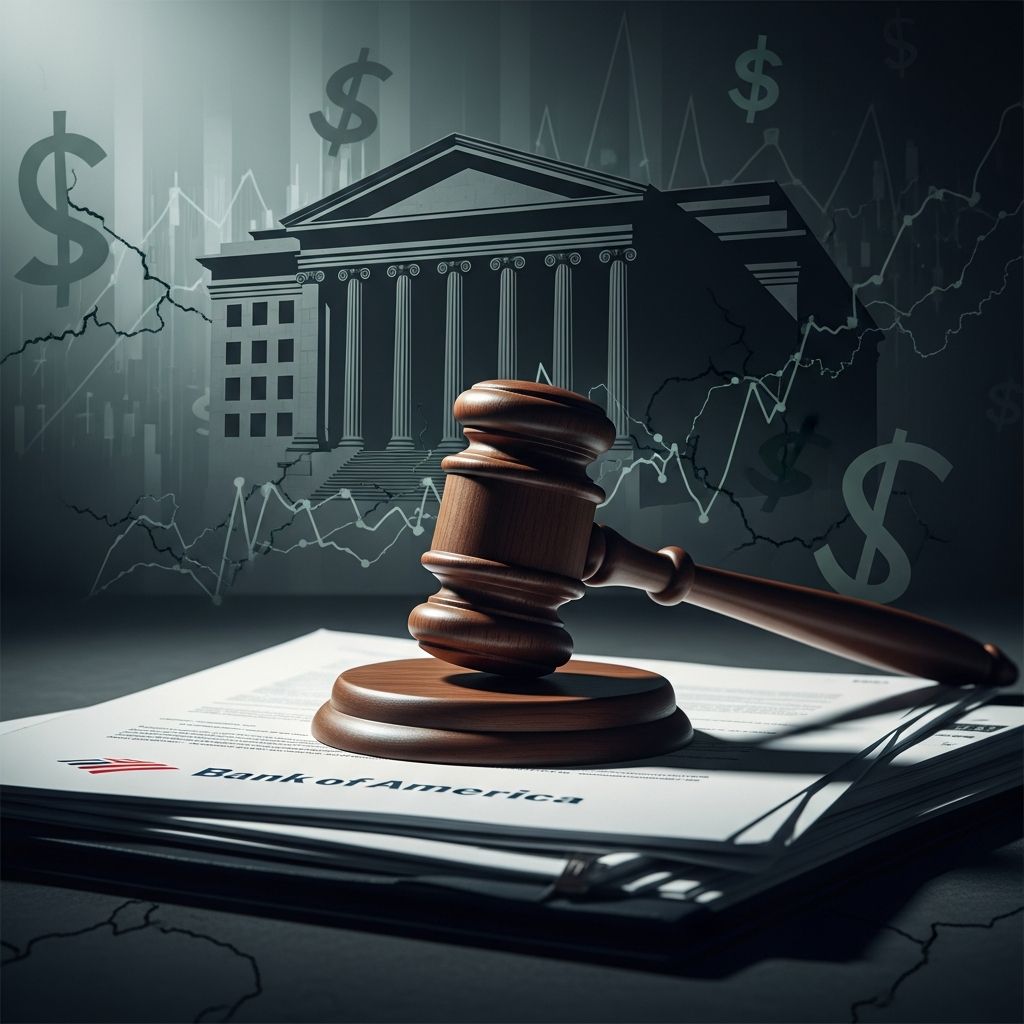
Federal regulators have ordered Bank of America to pay hundreds of millions of dollars after uncovering a pattern of illegal practices that harmed its customers. These violations involved repeat overdraft-related fees often described as junk fees, failure to deliver promised credit card rewards, and the opening of unauthorized accounts using consumers’ personal information.
This article explains what regulators found, the penalties imposed, how affected customers are being repaid, and what lessons consumers can take from the case.
Background: Who Took Action and Why It Matters
The case centers on enforcement actions brought by two U.S. banking regulators:
- Consumer Financial Protection Bureau (CFPB) – the federal agency responsible for enforcing consumer financial protection laws for banks and other financial firms.
- Office of the Comptroller of the Currency (OCC) – the primary regulator for national banks, including Bank of America.
According to the CFPB, Bank of America engaged in several unlawful practices over multiple years, affecting customers across different banking and credit card products. The OCC independently found that one of these practices—charging multiple non-sufficient funds (NSF) fees for the same transaction—violated federal law and banking standards.
Key Misconduct Identified by Regulators
Regulators described three main types of misconduct:
- Repeat non-sufficient funds fees on the same transaction (often called double-dipping).
- Withholding sign-up rewards that had been advertised to new credit card customers.
- Opening unauthorized credit card accounts using consumers’ personal and credit information without their consent.
1. Double-Dipping on Non-Sufficient Funds Fees
Non-sufficient funds fees are charged when a bank declines a transaction because the customer’s account lacks enough money. Bank of America historically charged around $35 per NSF fee.Federal investigators found that the bank repeatedly charged this fee more than once for the same underlying transaction when merchants tried to submit the payment multiple times. Over time, this practice generated hundreds of millions of dollars in additional fee revenue, harming hundreds of thousands of customers.
This conduct was characterized by regulators as an illegal “double-dipping” scheme because customers could face multiple NSF fees triggered by a single original charge.
2. Failure to Provide Promised Credit Card Rewards
To compete in the credit card market, Bank of America promoted cards that offered cash-back bonuses or rewards points for new customers who opened accounts and met certain conditions, such as spending thresholds. Regulators found that:
- Tens of thousands of consumers did not receive sign-up bonuses they were explicitly promised.
- Customers who applied in person or over the phone were especially likely to miss out on rewards, even if they qualified under the advertised terms.
- Breakdowns in the bank’s internal systems and business processes led to the improper denial of these rewards.
The CFPB concluded that the bank’s failure to honor clear rewards promises violated federal consumer protection laws and misled customers about the value of the cards they were signing up for.
3. Unauthorized Credit Card Accounts and Misuse of Personal Data
Regulators also found that, for more than a decade, some Bank of America employees opened credit card accounts without customer knowledge or consent. According to the CFPB:
- Employees used or obtained credit reports and other personal data to submit credit card applications that customers had not authorized.
- This conduct was linked to now-discontinued sales incentives and performance goals that encouraged account openings.
These unauthorized accounts caused multiple harms:
- Consumers were charged unjustified fees on accounts they did not request.
- Some customers experienced negative effects on their credit reports and credit scores because of unwanted credit checks and new lines of credit in their name.
- Impacted consumers had to spend time and effort resolving errors and closing accounts.
The CFPB stressed that using or pulling a consumer’s credit report without authorization violates federal law, including provisions of the Fair Credit Reporting Act as implemented by CFPB regulations.
Financial Penalties and Customer Redress
Combined, the actions by the CFPB and the OCC resulted in penalties and consumer redress totaling approximately $250 million.
| Category | Approximate Amount | Recipient | Purpose |
|---|---|---|---|
| Consumer redress | Over $100 million | Bank of America customers | Refund unlawful NSF fees and harms from rewards violations and fake accounts. |
| Penalty to CFPB (NSF fees) | $60 million | CFPB Civil Penalty Fund | Punish and deter illegal repeat fee practices. |
| Penalty to CFPB (rewards & unauthorized accounts) | $30 million | CFPB Civil Penalty Fund | Address misconduct related to rewards and fake accounts. |
| Penalty to OCC | $60 million | Office of the Comptroller of the Currency | Sanction double-dipping NSF fee practices. |
In addition, the bank had already paid about $23 million prior to these orders to customers who were wrongly denied rewards bonuses, which is separate from the new restitution amounts.
Required Reforms and Conduct Changes
Beyond financial penalties, the orders mandate changes in how Bank of America operates. According to the CFPB and OCC directives, the bank must:
- End repeat NSF fees on the same transaction and ensure similar junk fee practices cannot recur.
- Stop opening unauthorized accounts and strengthen controls over the use of consumer credit reports.
- Clearly disclose all important limitations and conditions on credit card rewards programs.
- Provide rewards as advertised to all eligible customers, including those who apply in person or by phone.
- Compensate customers who suffered financial losses or expenses due to unauthorized accounts, such as fees or credit repair costs.
Separately, Bank of America has stated that it has eliminated all non-sufficient funds fees and significantly reduced overdraft fees, reporting a more than 90% drop in related fee revenue after those changes.
What This Means for Bank Customers
For customers of large banks, this case illustrates several important themes about consumer protection and financial services.
1. Growing Scrutiny of Junk Fees
“Junk fees” is a term regulators use for excessive, hidden, or duplicative charges that may not correspond to real costs or benefits for the consumer. In this instance, repeatedly charging NSF fees for a single transaction was treated as an unfair practice.The CFPB and other federal agencies have made reducing junk fees a policy priority, seeking to promote more transparent and predictable pricing in financial products.
2. Importance of Clear Rewards Terms
Credit card sign-up bonuses and ongoing rewards are important selling points for many consumers. This case shows that:
- Advertised rewards must be accurate and honored if the consumer meets the stated requirements.
- Banks must treat all application channels—online, in branch, and by phone—consistently when offering incentives.
- System or process failures that systematically deny rewards can amount to legal violations, not just customer service problems.
3. Risks from Unauthorized Accounts
Unauthorized accounts can damage consumers in ways that may not be immediately obvious:
- They can trigger unwanted hard inquiries on credit reports, potentially lowering credit scores.
- Unused or unknown accounts may lead to annual fees or penalties that go unpaid and wind up in collections.
- Consumers may not realize they have been affected until they apply for new credit or review their credit reports.
Regulators emphasized that financial institutions must ensure that sales incentives do not encourage employees to open accounts without genuine consumer consent.
How Affected Customers May Receive Refunds
Under the enforcement orders, Bank of America is responsible for identifying impacted customers and providing compensation. Public reporting indicates that:
- Current customers are generally expected to receive refunds as direct deposits to their accounts for the specific fees or losses identified.
- Former customers may receive paper checks mailed to their last known address on file.
- Refund amounts are tailored to the fees or rewards shortfalls affecting each customer—for example, reimbursing the actual NSF fee amount charged.
Consumers do not typically have to take action to receive this redress, but it is wise to monitor statements, mail, and account notifications for updates.
Practical Steps Consumers Can Take
Even if you are not a Bank of America customer, this case highlights several practical steps for protecting yourself in the financial marketplace.
1. Regularly Review Bank and Card Statements
- Check for unexpected fees, including overdraft, NSF, and maintenance fees.
- Verify that promised rewards or sign-up bonuses post as expected after you meet spending or time requirements.
- Contact your bank quickly if you see charges, accounts, or fees you do not recognize.
2. Monitor Your Credit Reports
Federal law entitles consumers to free credit reports from the major credit reporting companies.
- Review your reports periodically to spot unknown accounts, inquiries, or personal information errors.
- Dispute unfamiliar accounts with both the lender and the credit reporting company if you suspect fraud or unauthorized activity.
3. Understand Fee and Rewards Disclosures
- Before opening a new account or card, read the fee schedule and rewards terms carefully.
- Look for conditions like minimum balances, direct deposit requirements, or spending thresholds that could affect your eligibility for bonuses.
- Save copies or screenshots of promotional offers in case there is a later dispute.
Frequently Asked Questions (FAQs)
Q: Why was Bank of America fined by federal regulators?
A: The CFPB and OCC found that Bank of America illegally charged repeat non-sufficient funds fees on the same transaction, failed to provide promised credit card rewards to tens of thousands of customers, and opened some credit card accounts without customer consent using their personal and credit information.
Q: How much is Bank of America required to pay?
A: In total, the bank must provide over $100 million in consumer redress and pay $90 million in penalties to the CFPB and $60 million in penalties to the OCC, for an overall impact of about $250 million when combining refunds and fines.
Q: Do affected customers need to file a claim to receive compensation?
A: Under the enforcement orders, Bank of America is generally responsible for identifying impacted customers and issuing refunds automatically, such as via direct deposit for current customers or mailed checks for former customers. Customers should monitor their accounts and mail for notices or credits.
Q: Are these practices still allowed?
A: No. The CFPB and OCC orders prohibit Bank of America from charging repeat NSF fees on the same transaction, require it to honor promised rewards, and bar it from opening unauthorized accounts. The bank has also reported eliminating NSF fees and reducing overdraft charges.
Q: What should I do if I suspect my bank is charging unlawful fees?
A: Start by contacting your bank and requesting an explanation or correction. If the issue is not resolved, you may submit a complaint to the CFPB or your bank’s primary regulator. Keep copies of statements, promotional materials, and correspondence that support your claim.
References
- CFPB Takes Action Against Bank of America for Illegally Charging Junk Fees, Withholding Credit Card Rewards, and Opening Fake Accounts — Consumer Financial Protection Bureau. 2023-07-11. https://www.consumerfinance.gov/about-us/newsroom/bank-of-america-for-illegally-charging-junk-fees-withholding-credit-card-rewards-opening-fake-accounts/
- Bank of America Fined $250M Over Junk Fees, Fake Accounts — Kiplinger. 2023-07-12. https://www.kiplinger.com/personal-finance/banking/bank-of-america-fined-over-junk-fees-fake-accounts
- CFPB Orders Bank of America to Pay Millions for Junk Fees, Credit Card Rewards Violations, and Unauthorized Accounts — Robert Peirce & Associates (summarizing CFPB action). 2023-07-17. https://www.peircelaw.com/blog/2023/july/cfpb-orders-bank-of-america-to-pay-millions-for-/
- Bank of America ordered to pay over $100M for ‘double-dipping on fees,’ withholding credit card rewards and opening fake accounts — Fox Business/Reuters. 2023-07-11. https://www.foxbusiness.com/lifestyle/bank-of-america-ordered-to-pay-100m-for-double-dipping-on-fees-withholding-credit-card-rewards
- Bank of America hit with $250 million in fines and customer refunds for ‘double-dipping’ on fees, opening accounts without consent — WHYY / Associated Press. 2023-07-11. https://whyy.org/articles/bank-of-america-100-million-penalties-for-doubling-fees-opening-accounts-without-customer-consent/
Similar Articles








Read full bio of Sneha Tete




