
Bank of America Fee Penalties: What Consumers Need to Know
Understand the enforcement action against Bank of America over illegal fees and learn how to protect yourself from similar practices.
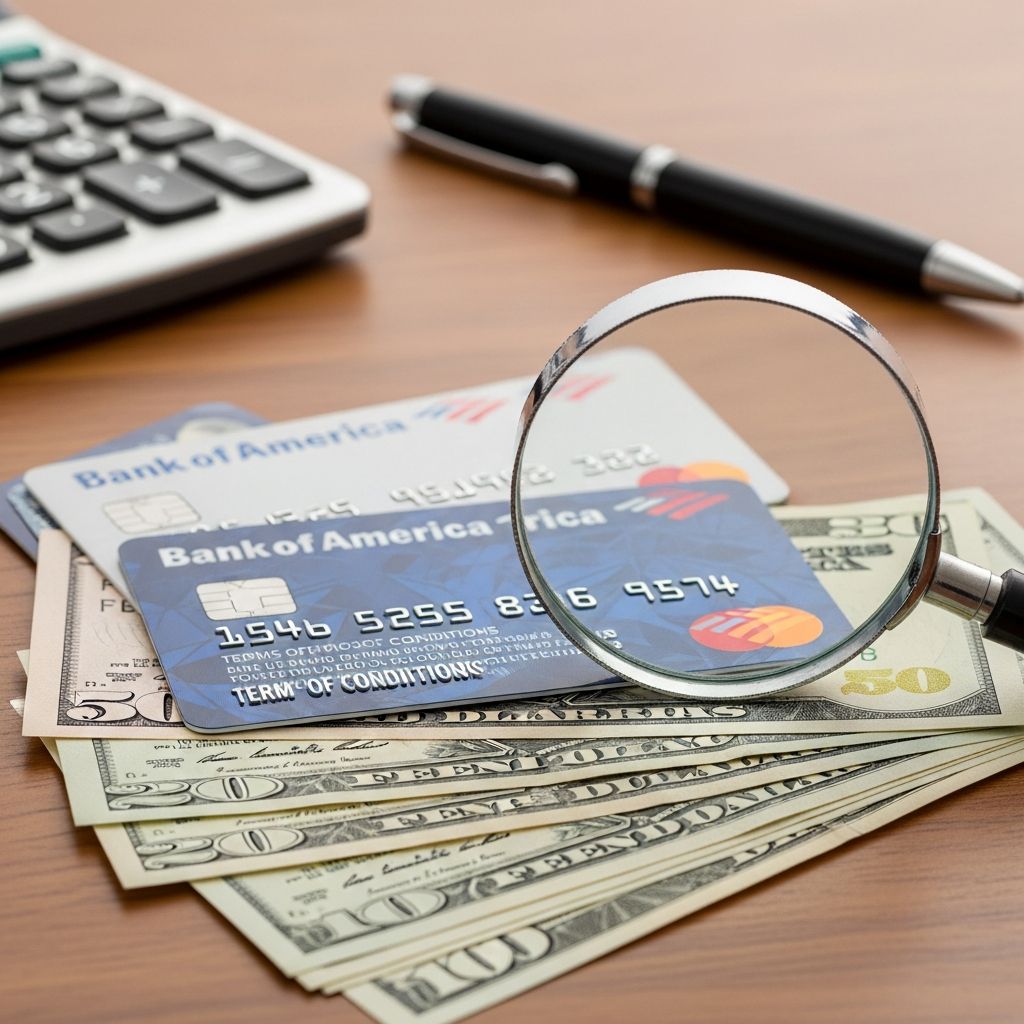
Federal regulators ordered Bank of America to pay significant refunds and penalties after finding that the bank charged customers unlawful fees and engaged in unfair and deceptive practices. This article explains what happened, why it matters, and how you can better protect yourself from similar fee abuses in the future.
Background: Why Regulators Targeted Bank of America
The Consumer Financial Protection Bureau (CFPB) is the federal agency responsible for enforcing consumer financial laws for banks and other financial companies. When the CFPB finds that a bank has violated these laws, it can require refunds, penalties, and changes to business practices. Bank of America has been the subject of multiple enforcement actions for fee-related conduct, including improper overdraft fees, surprise charges, and misuse of customer data.
In the enforcement action that inspires this article, federal regulators determined that some of Bank of America’s practices:
- Violated prohibitions on unfair, deceptive, or abusive acts or practices (UDAAP) under federal law.
- Resulted in improper fees being charged to consumers on deposit and credit card accounts.
- Required monetary redress to affected customers and civil money penalties to the government.
Key Types of Problematic Fees and Practices
While each enforcement case is specific, regulators and public reporting have highlighted a common set of fee-related practices at Bank of America and other large banks that can harm consumers.
1. Overdraft and Nonsufficient Funds (NSF) Fee Issues
Overdraft and NSF fees have been a long-standing focus of regulators because of their size and frequency.
- Overdraft fees are charged when a bank pays a transaction that exceeds the available balance.
- NSF fees are charged when a bank declines a transaction due to insufficient funds, such as a bounced check or ACH payment.
Regulators have scrutinized practices such as:
- Multiple NSF fees on the same transaction when it is re-presented.
- Opaque disclosures that do not clearly explain when overdraft fees may apply.
- High fee amounts that disproportionately affect customers with lower balances.
Many large banks, including Bank of America, have since reduced or eliminated certain NSF fees in response to regulatory pressure and market changes.
2. “Junk Fees” and Surprise Charges
The CFPB and other regulators use the term “junk fees” to describe fees that are excessive, hidden, or unrelated to any real service provided to the customer.
Examples of junk-fee concerns in banking can include:
- Fees that are not clearly disclosed before the consumer takes an action.
- Charges that are disproportionate to the bank’s actual cost of providing the service.
- Fees that are layered on top of each other for the same transaction or issue.
Federal regulators have emphasized that companies cannot rely on fine print to justify unfair or deceptive fee practices.
3. Misuse of Customer Information and Account Enrollments
In some enforcement actions involving Bank of America and other large banks, regulators have found that employees:
- Opened or enrolled consumers in accounts or services without clear consent.
- Used customer information for unauthorized purposes.
- Generated fees on unwanted products, such as add-on services or credit products.
Even when the dollar amounts per account are small, these practices can impact millions of customers and are treated as serious violations of federal consumer law.
What the Enforcement Action Required Bank of America to Do
Enforcement orders against large banks generally include three principal components: consumer refunds, civil penalties, and behavioral changes to prevent future violations. In actions involving Bank of America, regulators have used all three.
1. Monetary Relief for Consumers
When regulators determine that customers paid unlawful fees, they typically require the bank to provide monetary relief, which can include:
- Refunds or credits of specific fees or charges that were improperly assessed.
- Interest or additional compensation in certain cases, depending on the harm.
- Automatic relief, meaning consumers do not need to file a claim to be reimbursed.
CFPB enforcement orders are public documents and specify how the bank must identify affected customers and calculate relief.
2. Civil Money Penalties
In addition to consumer refunds, the bank is typically required to pay civil money penalties to the U.S. Treasury or to the CFPB’s Civil Penalty Fund.
These penalties serve two purposes:
- They punish unlawful conduct and deter future violations by the same institution and others.
- They can be used, through the Civil Penalty Fund, to provide relief to other harmed consumers when direct restitution is not feasible.
3. Changes to Business Practices
Consent orders and related agreements often require banks to implement structural and procedural reforms such as:
- Ending the specific fee practice that regulators found unlawful.
- Improving disclosures and communications so customers understand when fees may be charged.
- Strengthening compliance management systems, including training, monitoring, and internal audits.
- Submitting periodic reports to regulators documenting progress and adherence to the order.
How Bank Fee Structures Work: Context for the Case
To understand why fee-related enforcement actions matter, it helps to know how bank fee structures typically work. Bank of America, like most large banks, publicly discloses its schedule of fees for checking and savings accounts.
| Common Fee Type | Typical Trigger | What Consumers Should Check |
|---|---|---|
| Monthly maintenance fee | Account is open but balance or activity requirements are not met. | Minimum balance, direct deposit rules, or relationship benefits that can waive the fee. |
| Overdraft fee | Bank pays a transaction that exceeds available funds. | Whether overdraft coverage is optional, how fees are calculated, and daily limits on charges. |
| NSF (returned item) fee | Bank declines or returns a payment for insufficient funds. | Whether the bank charges these fees at all and how many times for the same item. |
| ATM and international transaction fees | Using out-of-network or foreign ATMs, or card transactions in foreign currencies. | Network partners, foreign transaction percentages, and any fee waivers with certain accounts. |
Legitimate fees must be clearly disclosed, reasonably related to services provided, and consistent with consumer protection laws. When banks deviate from these requirements, regulators may step in.
Your Rights Under Federal Consumer Financial Law
Several federal statutes and regulations protect you from unfair or deceptive fee practices, including:
- Dodd-Frank Act provisions on unfair, deceptive, or abusive acts or practices (UDAAP).
- Truth in Savings Act (TISA), which requires clear disclosure of fees on deposit accounts.
- Electronic Fund Transfer Act (EFTA) and its implementing regulation, which govern certain electronic transfers and error resolution procedures.
The CFPB, Office of the Comptroller of the Currency (OCC), and other regulators enforce these laws for large national banks like Bank of America.
Practical Steps to Protect Yourself from Harmful Bank Fees
Regardless of where you bank, you can take proactive steps to reduce the risk of being harmed by improper or unexpected fees.
1. Carefully Review Fee Schedules and Disclosures
- Obtain the bank’s most up-to-date fee schedule from its website or branch.
- Focus on sections covering monthly maintenance, overdrafts, NSF fees, and ATM use.
- Ask questions if terms such as “courtesy overdraft” or “continuous overdraft fee” are unclear.
2. Use Tools to Avoid Overdrafts and NSF Fees
- Sign up for balance alerts and low-funds notifications by text or email.
- Consider opting out of certain overdraft programs so that transactions are declined rather than triggering a fee, if that suits your needs.
- Link a backup account, such as savings, if the transfer fee is lower than an overdraft fee.
3. Regularly Monitor Statements and Transactions
- Check monthly statements and online activity for unfamiliar fees or services.
- Contact the bank promptly if you see a charge you do not recognize or did not authorize.
- Keep written or electronic records of any dispute correspondence.
4. Escalate Complaints When Necessary
If you believe your bank has charged improper fees and you cannot resolve the issue directly, you can:
- File a written complaint through the bank’s internal complaint process.
- Submit a complaint to the CFPB’s public complaint portal, which forwards the issue to the company and provides tracking.
- Contact your bank’s primary federal regulator (for Bank of America, typically the OCC or CFPB, depending on the issue).
What This Case Signals for the Broader Banking Market
The enforcement actions against Bank of America are part of a wider regulatory push to rein in problematic fees across the banking industry.
Key takeaways for consumers and observers include:
- Regulators are increasingly focused on systemic practices, not just isolated errors.
- Large banks are revising fee policies, including reducing overdraft fees and eliminating some NSF fees, in response to supervisory and competitive pressures.
- Public enforcement actions provide a roadmap for what types of conduct are likely to draw scrutiny in the future.
Frequently Asked Questions (FAQs)
Did Bank of America admit wrongdoing in the enforcement action?
CFPB enforcement actions against large banks are often resolved through consent orders. These orders typically require the bank to provide restitution and change practices, but whether the bank admits or denies specific legal violations depends on the negotiated terms spelled out in the order itself.
How do I know if I am entitled to a refund?
When banks are required to provide restitution, they usually identify affected consumers from their own records and issue automatic refunds by check or account credit. If you suspect you were affected but have not received notice, you can contact the bank directly and review the public enforcement order for eligibility criteria.
Will these actions change how much banks charge in fees overall?
Regulatory pressure has already led many major banks to lower overdraft fees, eliminate certain junk fees, and revise fee disclosures. While fees will not disappear entirely, competition and enforcement are pushing the market toward clearer and often less punitive fee structures.
Can a bank close my account during or after an investigation?
Banks generally retain the right, under their account agreements, to close accounts with notice to the customer, subject to applicable law. However, they cannot close accounts or retaliate against consumers because they exercise their legal rights, such as filing a complaint with a regulator.
Where can I read official documents about the case?
Public enforcement orders against Bank of America and other large banks are posted on the CFPB’s enforcement page and on the websites of other relevant regulators, such as the OCC or Federal Reserve. These documents provide detailed factual findings and legal analysis.
References
- Enforcement Actions — Consumer Financial Protection Bureau. 2024-05-01. https://www.consumerfinance.gov/enforcement/actions/
- Supervisory Highlights: Junk Fees in Depository Accounts — Consumer Financial Protection Bureau. 2023-10-11. https://www.consumerfinance.gov/data-research/research-reports/supervisory-highlights-junk-fees-in-depository-accounts/
- Bank Account Rates & Fees FAQs — Bank of America. 2024-02-15. https://www.bankofamerica.com/deposits/account-rates-fees-faqs/
- Personal Schedule of Fees — Bank of America. 2024-03-01. https://www.bankofamerica.com/deposits/account-fees/
- 8 Common Bank Fees and Tips for How to Avoid Charges — Bank of America Better Money Habits. 2023-06-20. https://bettermoneyhabits.bankofamerica.com/en/personal-banking/avoid-bank-fees
- Consumer Compliance Supervision Bulletin — Office of the Comptroller of the Currency. 2023-06-29. https://www.occ.gov/news-issuances/bulletins/2023/bulletin-2023-18.html
- CFPB Consumer Laws and Regulations: Truth in Savings Act (TISA) — Consumer Financial Protection Bureau. 2022-12-01. https://files.consumerfinance.gov/f/201503_cfpb_truth-in-savings-act.pdf
Similar Articles








Read full bio of medha deb




