
Avoid Black Friday Scams 2026: Expert Safety Tips
Stay safe from rising Black Friday threats like fake sites, phishing emails, and AI scams with proven protection strategies.
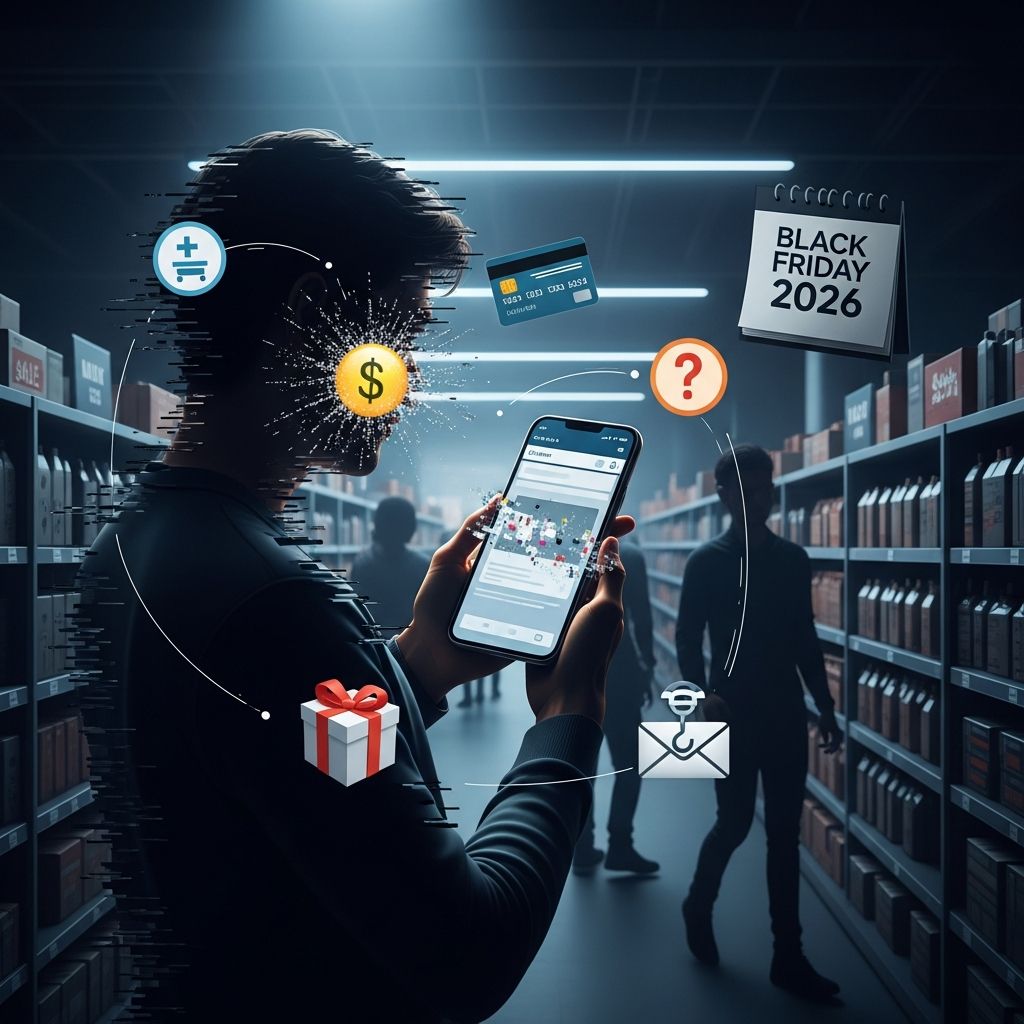
Black Friday and Cyber Monday draw millions of shoppers seeking unbeatable deals, but cybercriminals exploit this frenzy with sophisticated tactics. In 2026, expect a surge in fake websites, phishing messages, and AI-enhanced deceptions that could cost victims thousands. This guide equips you with knowledge to identify threats, verify legitimacy, and safeguard your finances during the holiday rush.
Understanding the Black Friday Scam Landscape
The holiday shopping period sees a dramatic rise in fraud attempts. Cybersecurity reports indicate fake shopping sites increased by 250% pre-Black Friday, with Amazon impersonations up 232% and eBay fakes spiking 525%. Scammers thrive on urgency, offering unreal discounts to lure rushed buyers into traps like credential theft or malware infection. Beyond online tricks, in-store and social media scams add layers of risk. Awareness is your first defense—recognize patterns to avoid falling victim.
Top Online Shopping Threats and Detection Methods
Fraudsters create near-identical replicas of trusted retailer sites to capture login details or payment info. These spoofed pages often feature subtle flaws shoppers overlook in their deal-hunting excitement.
- URL anomalies: Check for misspellings, extra characters, or missing ‘https://’ and padlock icon.
- Irrealistic pricing: Discounts over 70-90% on high-demand items signal bait-and-switch schemes.
- Poor design cues: Low-resolution images, copied reviews, or vague contact details.
- Payment red flags: Demands for crypto, gift cards, wire transfers, or unusual links instead of standard credit card options.
Always navigate directly to official sites rather than clicking ads or emails. Tools like Google Transparency Report or Norton Safe Web can verify site safety before entering data.
Phishing Through Fake Notifications and Orders
Post-purchase, scammers send bogus emails or texts mimicking retailers or carriers, claiming delivery issues or billing errors for orders you never placed. These prompts urge quick clicks to ‘resolve’ problems, leading to phishing sites or malware downloads.
| Scam Type | Common Message | Action to Take |
|---|---|---|
| Fake Delivery Alert | “Your package is delayed—click to reschedule.” | Ignore link; check official app or site directly. |
| Fake Order Confirmation | “Order #123 confirmed for $500—verify now.” | Compare against your records; report as spam. |
| Non-Delivery Fraud | No confirmation after payment; seller vanishes. | Contact bank immediately for chargeback. |
Red flags include urgent language, unsolicited attachments, or requests for sensitive info. Verify via official channels only—never reply to unknowns.
AI-Enhanced Deceptions on the Rise
Advancements in AI allow scammers to generate convincing fake reviews, clone voices for calls, or mimic brand voices in emails/social posts. These tools make fraud harder to spot, but watch for unnatural phrasing, generic perfection in testimonials, or voice mismatches during ‘support’ calls.
To counter:
- Enable two-factor authentication (2FA) everywhere.
- Use antivirus with AI detection features.
- Skeptically assess hyper-realistic ads or messages.
Social Media and Marketplace Pitfalls
Platforms like Facebook, Instagram, and TikTok flood with fraudulent ads promising steep discounts. Listings may demand upfront fees, link to malware, or deliver counterfeits—or nothing at all. A notorious variant involves scammers requesting Google Voice codes to hijack accounts.
Safe practices:
- Research sellers via independent reviews.
- Avoid off-platform payments.
- Report suspicious posts promptly.
Gift Card and Payment Diversion Schemes
Emails or posts claim you’ve won free gift cards from brands, directing to fake sites for ‘claim’ details. Alternatively, scammers pose as buyers insisting on gift card payments for purchases.
Protect yourself by:
- Never sharing codes or buying gift cards for strangers.
- Purchasing cards only from official retailers.
- Inspecting cards for tampering in stores.
In-Store and Hybrid Scam Risks
Not all threats are digital. Crowded stores see distraction thefts, fake parking lot ‘helpers’ stealing cards, or phony charity drives. Hybrid scams blend online lures with physical meets, like marketplace deals turning risky.
- Guard wallets and phones closely.
- Decline unsolicited aid.
- Verify pop-up events with official sources.
Proactive Protection Strategies for Secure Shopping
Layer defenses for peace of mind:
- Tech safeguards: VPNs mask activity; password managers generate uniques; monitor accounts via credit freezes.
- Shopping habits: Use virtual credit cards, shop mid-week to dodge peaks, stick to apps over browsers.
- Verification routines: Hover links before clicking; search site names + ‘scam’ on trusted engines.
- Software updates: Keep devices patched against exploits.
Employ browser extensions like uBlock Origin for ad blocking and HTTPS Everywhere for secure connections.
Immediate Response to Potential Victims
If exposed:
- Change passwords across accounts.
- Contact banks/issuers to dispute charges, request new cards.
- Run full antivirus scans.
- Report to FTC at ReportFraud.ftc.gov, IC3.gov, and affected retailers.
Quick action minimizes damage—many charges reverse if addressed promptly.
Frequently Asked Questions (FAQs)
What if a deal seems too good to be true?
Verify independently on the retailer’s official site. Extreme discounts often indicate scams.
How do I spot a fake website quickly?
Examine URL, security indicators, and payment methods. Use safety checkers for confirmation.
Is it safe to shop via social media ads?
Rarely—navigate to official stores instead to avoid malicious redirects.
What should I do after clicking a suspicious link?
Change credentials, scan devices, monitor finances, and report the incident.
Can AI really fool me into sharing info?
Yes, but skepticism and 2FA help. Question unsolicited contacts mimicking authorities.
Final Tips for a Scam-Free Holiday Season
Plan purchases ahead, set budgets, and prioritize security over speed. By staying vigilant, you can enjoy genuine savings without regret. Share these insights with family to amplify protection.
References
- 10 Black Friday scams to watch out for in 2026 — NordVPN. 2026. https://nordvpn.com/blog/black-friday-scam/
- 10 Worst Black Friday Scams In 2026 and How To Avoid Them — AllAboutCookies.org. 2026. https://allaboutcookies.org/black-friday-scams
- Fake sites on the rise for Black Friday, Cyber Monday — CBS News. 2024-11-29. https://www.cbsnews.com/philadelphia/news/fake-websites-black-friday-cyber-monday/
- 4 Black Friday Scams to Watch Out For — Kiplinger. 2024. https://www.kiplinger.com/personal-finance/online-shopping/black-friday-scams-to-watch-out-for
Similar Articles








Read full bio of medha deb




