
Bill-Payment Imposter Scams: How To Protect Yourself In 2025
Learn how to recognize, avoid, and report scammers who pretend to be your utility, phone, or government agency demanding urgent bill payments.
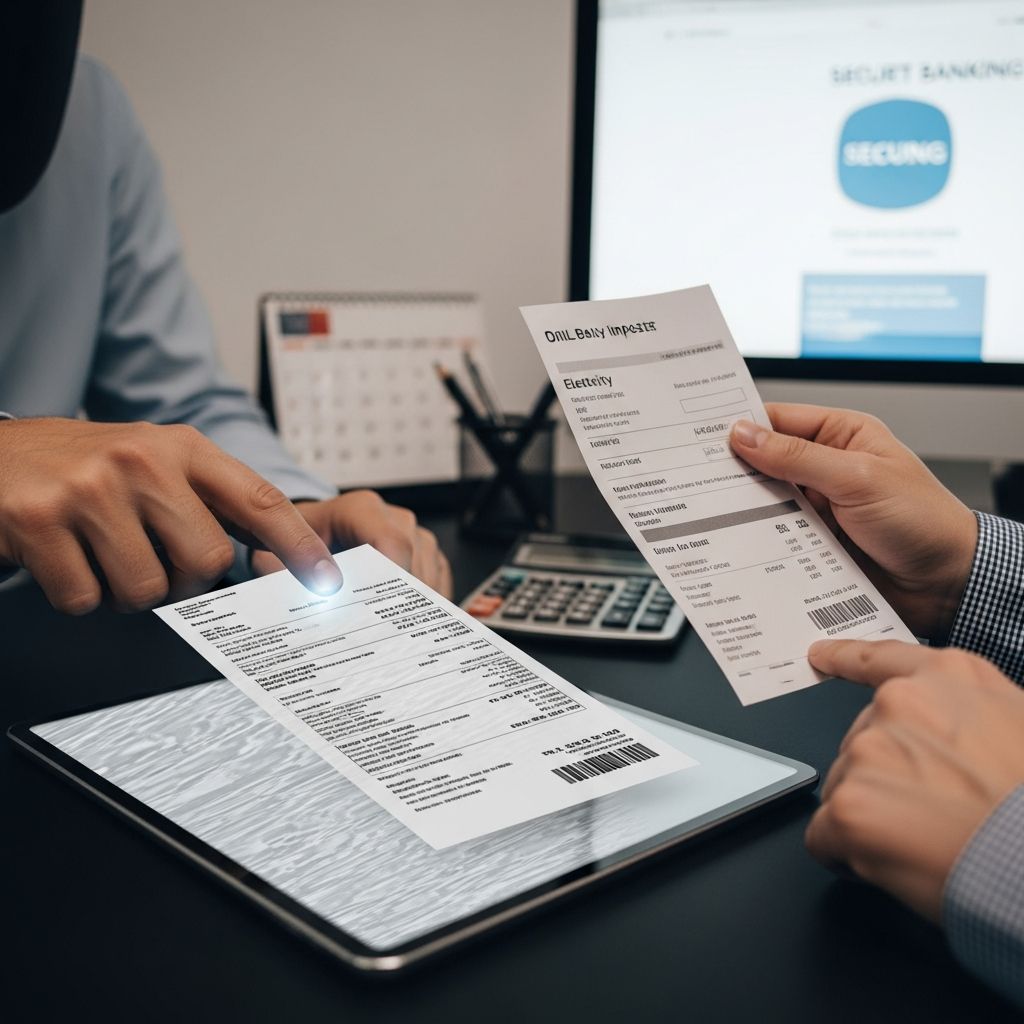
Scammers know that people are afraid of losing essential services like electricity, water, or phone service, and they exploit that fear by pretending to be your service provider or a government agency demanding payment. Imposter scams are consistently among the most reported fraud categories to the Federal Trade Commission (FTC), and they lead to billions of dollars in losses each year. To stay safe, it is critical to understand how these scams work, what real companies do (and do not) do, and how to pay your bills securely.
Why Bill-Payment Imposter Scams Are So Effective
Bill-payment imposter scams work because they mix urgency, fear, and familiarity. The caller or texter sounds like a legitimate representative, uses details that seem convincing, and pressures you to act before you have time to think. According to recent FTC data, imposter scams remain the top fraud category reported by consumers, with people losing more than $3 billion to scams that start online in a single year. These scams often involve:
- Utility shutoff threats (electricity, gas, water, internet, or phone)
- Government penalty threats (taxes, fines, or benefits being cut off)
- Service disruption warnings (subscription, insurance, or account closures)
Because bills are routine, and missing one can have real consequences, scammers count on you to react quickly instead of verifying the demand.
How Bill-Payment Imposter Scams Usually Start
Scammers use many contact methods. Common starting points include:
- Phone calls from someone claiming to be from your power company, water provider, phone carrier, or a government office.
- Text messages saying your account is past due, your service will be cut off, or a recent payment failed, with a link to “fix” the problem.
- Emails that look like billing statements or disconnection notices, often with official-looking logos and fake account numbers.
- Social media messages from accounts impersonating businesses or agencies.
Scammers often use technology to make the call or message look more real. They may spoof caller ID so it appears to come from the name of your utility or bank, or send emails that closely copy legitimate bill notices.
Common Stories Scammers Use
While the details change, most bill-payment imposter scams follow a familiar script. The scammer:
- Claims you owe an urgent payment or your account is “seriously past due”.
- Says that if you do not pay immediately, your power, water, phone, or another essential service will be cut off.
- Insists you must pay using a specific method, such as gift cards, wire transfer, payment apps, cryptocurrency, or a special online link.
- Warns that you could face fines, legal action, or arrest if you refuse.
Often, they tell you to keep them on the phone while you go to the store or log in to your account, so they can control what you do and prevent you from checking with anyone else.
Red Flags That Point to an Imposter
Real companies and government agencies do not behave like scammers. Recognizing the differences can help you spot fraud before you lose money.
| Red Flag | What Scammers Do | What Legitimate Organizations Do |
|---|---|---|
| Payment method demands | Insist you pay by gift card, wire transfer, cryptocurrency, or peer-to-peer payment app only. | Offer multiple normal options (online portal, mailed check, bank transfer) and never require gift cards or crypto. |
| Extreme urgency | Say your service will be cut off in minutes or hours unless you pay immediately. | Send multiple notices before shutoff, including written bills and mailed disconnection notices. |
| Threats and intimidation | Threaten arrest, immigration action, or lawsuits if you do not pay on the spot. | Describe consequences in writing and give you clear appeal or dispute options. |
| Unsolicited links and attachments | Send links in texts or emails and pressure you to click right away. | Tell you to sign in using the official website or app you already know, not a new link. |
| Requests for sensitive information | Ask for full Social Security numbers, bank account logins, or one-time codes to “verify” you. | Typically request limited information, and many never ask for full SSN or passwords over the phone. |
Safe Ways to Check Whether a Bill Is Real
If you receive a surprise bill or disconnection warning, pause and verify it using contact information you trust. Do not rely on the phone number, email address, or link that contacted you.
- Log in directly to your online account by typing the official website into your browser or using the company’s official app.
- Check your last statement for the customer service phone number and call it yourself.
- Look up the company or agency on your own (for example, using a recent bill, the back of your card, or a government directory) and call that number.
- Review recent communications you received by mail or email from the company to see if any mention past-due balances.
If your online account shows you are current, or the official representative confirms there is no problem, you know the person who contacted you was an imposter.
Payment Methods That Scammers Prefer
Scammers push payment methods that are fast, difficult to reverse, and hard to trace. Research based on FTC data shows that people reported losing the most money to scammers through bank transfers and cryptocurrency, followed closely by other immediate payment methods.[10] Be especially cautious if someone insists on:
- Gift cards: No real business or government agency will ever require you to buy gift cards and read the numbers off the back to pay a bill.
- Wire transfers: Once money is wired, it is almost impossible to recover.
- Cryptocurrency: Paying with crypto is like sending cash with almost no protections.
- Peer-to-peer payment apps: These apps are generally designed to send money to people you know, not to strangers asking for urgent bill payments.
If someone says, “You must pay this way or we will disconnect you,” treat that as a strong sign of a scam.
Better Habits for Paying Real Bills
Creating a consistent, secure routine for paying bills reduces your chances of being tricked by an imposter. Consider the following safer practices:
- Use only official channels such as your bank’s bill-pay system, your utility or service provider’s website, or their official mobile app.
- Set up automatic payments for recurring bills you trust, so you are less vulnerable to sudden “urgent” notices.
- Store customer service numbers for your key providers (utilities, phone, internet, insurance) so you do not have to rely on numbers in unexpected messages.
- Keep a bill calendar noting when each bill is normally due, helping you spot suspicious out-of-cycle requests.
These habits make it easier to recognize when a message does not fit your usual payment pattern.
What To Do If You Think It’s a Scam
If the situation feels even slightly off, protect yourself by taking the following steps:
- Hang up or ignore the message. You are allowed to end the call or delete a suspicious text or email.
- Do not click links or open attachments in unexpected messages about billing or payments.
- Contact the company or agency directly using a verified phone number or website.
- Talk to someone you trust before sending money, especially if you feel pressured or afraid.
Scammers rely on emotions. Slowing down and double-checking with reliable sources is one of the most powerful protections you have.
Steps to Take If You Already Paid or Shared Information
Even careful people can be tricked. Acting quickly can help limit the damage.
If you paid with a gift card
- Contact the gift card company immediately using the number on the back of the card or the company’s website and report the fraud.
- Ask the company if they can freeze or refund any remaining balance. Some companies are working with the FTC and law enforcement to reduce losses from scams.
If you paid by bank transfer, card, or app
- Contact your bank or card issuer right away and explain that you were scammed. Ask if they can reverse or dispute the transaction.
- If you used a payment app, check the app’s help center for instructions on canceling payments or reporting fraud.
If you shared personal information
- If you gave out your Social Security number, consider placing a fraud alert or security freeze on your credit files and monitor your credit reports closely.
- If you provided account usernames, passwords, or one-time codes, change your passwords immediately and enable multi-factor authentication where possible.
How and Where to Report Bill-Payment Scams
Reporting scams not only helps you; it also helps law enforcement spot patterns and stop others from being harmed. The FTC encourages people to report imposter and other scams at its official reporting website, which feeds into a national database used by investigators.
- Report fraud and imposter scams to the FTC at its official reporting portal.
- Forward suspicious text messages to 7726 (SPAM) to help your wireless provider block similar messages.
- Use the built-in reporting tools on messaging apps like Apple’s iMessage and Google Messages to flag junk and scam texts.
- Consider local reporting to your state consumer protection office or attorney general’s office if directed on their official websites.
When you report, include as many details as you can: phone numbers, email addresses, amounts you were asked to pay, payment methods, and any screenshots of messages.
Digital Safety Tips to Reduce Scam Contacts
You cannot prevent all scam attempts, but you can reduce how many reach you and make it harder for scammers to succeed.
- Turn on call filtering or spam blocking features from your phone provider to reduce robocalls.
- Use spam filters in your email account and mark scam messages as junk so the system learns.
- Limit public exposure of your phone number and email address online when possible.
- Keep your devices and apps updated to reduce security vulnerabilities that scammers may exploit.
Frequently Asked Questions (FAQs)
Q: How can I tell if a disconnection threat is real?
A: Do not rely on the call, text, or email itself. Log into your account directly through the company’s official website or app, or call the customer service number printed on your bill. If your account is current or the representative has no record of a problem, the threat is not real.
Q: My caller ID showed the name of my utility company. Doesn’t that prove it was legitimate?
A: No. Scammers can use caller ID spoofing to display fake names or numbers that look official. Because caller ID can be manipulated, always verify through contact information you find independently, not what appears on the screen.
Q: Is it ever okay to pay a bill with a gift card?
A: No legitimate business or government agency will require you to pay a bill or fee with a gift card. Gift cards are for gifts, not for paying fines, taxes, or utilities. Anyone demanding gift cards as payment is trying to scam you.
Q: What should I do with a suspicious text about an unpaid bill?
A: Do not click any links or reply. Forward the message to 7726 (SPAM) if your carrier supports it, then delete it. Next, check your account using the company’s official website or app to confirm your status.
Q: If I did not lose money, is it still worth reporting the scam?
A: Yes. Reports about attempted scams are valuable for law enforcement and regulators. The FTC uses these reports to identify emerging schemes and to bring enforcement actions, and your information can help protect others.
References
- Top scams of 2024 — Federal Trade Commission. 2025-03-07. https://consumer.ftc.gov/consumer-alerts/2025/03/top-scams-2024
- New FTC Data Show Top Text Message Scams of 2024; Overall Losses to Text Scams Hit $470 Million — Federal Trade Commission. 2025-04-25. https://www.ftc.gov/news-events/news/press-releases/2025/04/new-ftc-data-show-top-text-message-scams-2024-overall-losses-text-scams-hit-470-million
- Only scammers tell you to buy a gift card to pay them — Federal Trade Commission. 2024-10-10. https://consumer.ftc.gov/consumer-alerts/2024/10/only-scammers-tell-you-buy-gift-card-pay-them
- Scams — Consumer Advice — Federal Trade Commission. 2024-06-28 (accessed). https://consumer.ftc.gov/scams
- Consumer Sentinel Network Data Book 2024 (summary via Consumer Alerts) — Federal Trade Commission. 2025-03-07. https://consumer.ftc.gov/consumer-alerts/2025/03/top-scams-2024
- Consumer Alerts From the Federal Trade Commission — International Association of Financial Crimes Investigators (IAFCI). 2024-02-01 (page updated). https://www.iafci.org/MembersOnly/Federal_Agencies/FTC/Consumer_Alerts_From_the_Federal_Trade_Commission.aspx
- Get FTC Scam Alerts — Federal Trade Commission. 2023-11-15 (accessed). https://www.ftc.gov/media/70958
Similar Articles








Read full bio of medha deb




