
Are Will Templates Safe for Estate Planning?
Discover the risks and benefits of using last will templates, plus expert tips for creating a legally binding estate plan.
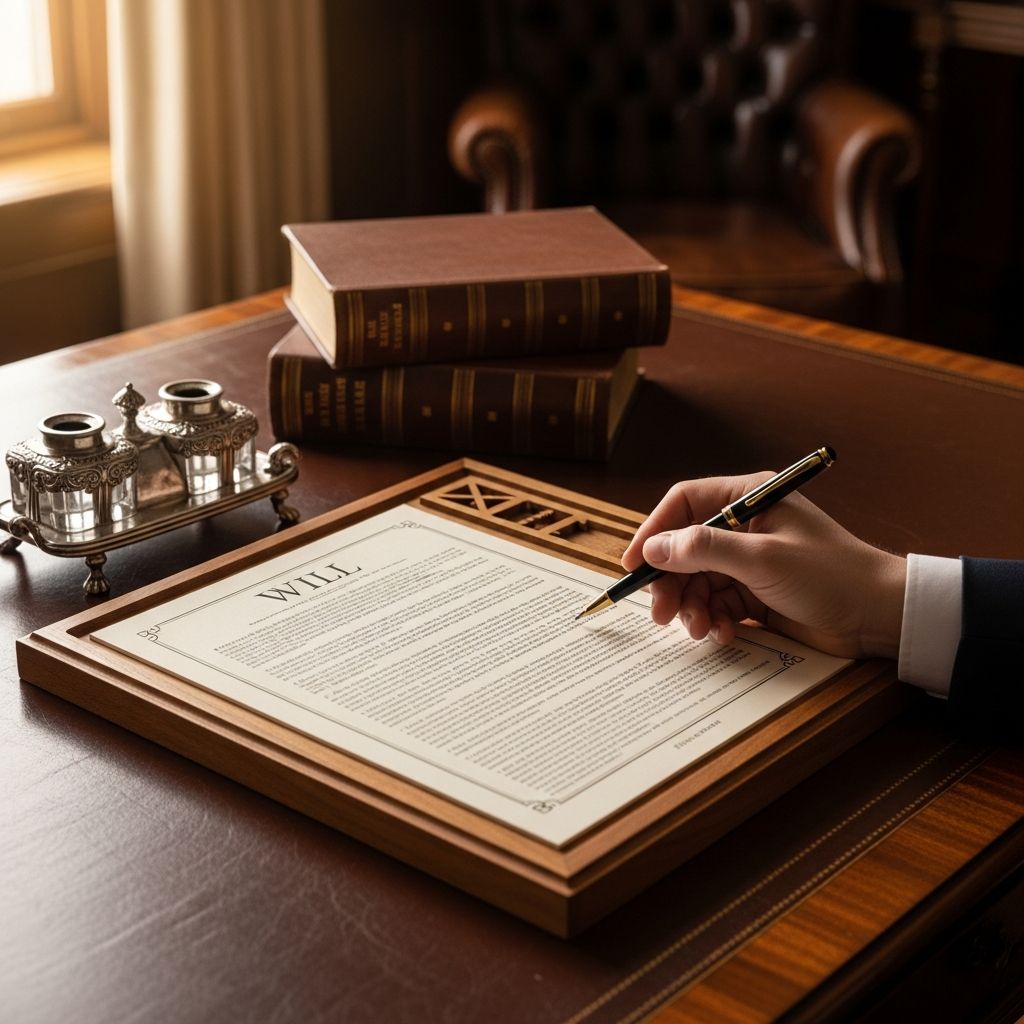
Creating a last will and testament is a crucial step in estate planning, allowing individuals to dictate how their assets will be distributed after death. Many turn to online templates for their convenience and low cost, but questions arise about their reliability and legal enforceability. This article examines the viability of will templates, highlighting key legal requirements, potential risks, and strategies for success.
Understanding the Basics of a Last Will and Testament
A last will and testament, often simply called a will, is a legal document that outlines your wishes for asset distribution, guardianship of minors, and executor appointment. It ensures your estate avoids intestacy laws, where state rules dictate inheritance. In the U.S., every state sets specific criteria for validity, typically requiring the testator to be at least 18 years old and of sound mind—meaning capable of understanding the document’s nature and effects.
For instance, the document must generally be in writing, signed by the testator, and witnessed by at least two disinterested parties who also sign in the testator’s presence. These elements prevent fraud and confirm intent. Templates aim to simplify this by providing pre-formatted structures, but they must align perfectly with local laws to be effective.
Pros and Cons of Using Will Templates
Will templates offer accessibility, especially for those with straightforward estates. Here’s a balanced view:
- Affordability: Free or low-cost options beat attorney fees, which can exceed $1,000.
- Speed: Download, fill, and sign in hours, not weeks.
- Simplicity: Ideal for basic needs like naming beneficiaries for bank accounts or personal items.
- Customization: Editable fields allow personalization.
However, drawbacks loom large:
- State Variations: Templates may not comply with unique rules, risking invalidation.
- Complexity Oversight: Misses nuances like blended families or business interests.
- Legal Errors: Improper wording can lead to disputes or probate challenges.
- No Guidance: Lacks advice on tax implications or updates after life changes.
State-Specific Legal Requirements for Valid Wills
Will validity hinges on state law, where you reside or hold property. Most require writing, signature, and two witnesses, but exceptions exist. Below is a table summarizing requirements for select states based on statutory guidelines:
| State | Age Requirement | Witnesses Needed | Notarization | Special Notes |
|---|---|---|---|---|
| Washington | 18+ | 2 | Optional (self-proving) | Sound mind; witnesses sign in presence. |
| California | 18+ | 2 | Optional | Testamentary capacity required. |
| Texas | 18+ | 2 (14+ years old) | Optional | Holographic wills possible if fully handwritten. |
| New York | 18+ | 2 | Required for self-proving | Strict attestation clause. |
| Florida | 18+ | 2 | Required for self-proving | Witnesses cannot be beneficiaries. |
Washington exemplifies standard rules: The will must be written, signed by the testator (or proxy in their presence), and witnessed by two competent individuals who sign or provide a notarized affidavit. Self-proving affidavits, sworn before a notary, streamline probate by eliminating live witness testimony.
Risks of Invalid Wills from Faulty Templates
An invalid will triggers intestate succession, distributing assets to heirs by state formula—often excluding stepchildren or friends. Common template pitfalls include:
- Inadequate Witnessing: Witnesses must be present simultaneously and disinterested (not beneficiaries).
- Missing Capacity Declaration: Failure to affirm sound mind invites challenges.
- Generic Language: Doesn’t address state-specific clauses, like Washington’s foreign will acceptance.
- Electronic Issues: Most states reject e-signatures for wills; physical ink is mandatory.
Court battles over invalid wills drain estates via legal fees, delaying distribution. Statistics from probate courts show 20-30% of contested wills fail due to execution flaws, emphasizing precision.
When Templates Work Best: Simple Estates
Templates suit uncomplicated situations:
- Single individuals with modest assets (under $100,000).
- Couples without children naming each other as primary heirs.
- No real estate, businesses, or trusts needed.
Steps for safe use:
- Verify state-specific template from reputable sources.
- List all assets and beneficiaries clearly.
- Sign with two non-beneficiary witnesses over 18.
- Notarize for self-proving status.
- Store securely and inform executor.
Update after major events like births, deaths, or divorces.
Alternatives to DIY Templates
For complex needs, consider:
- Attorney-Drafted Wills: Customized, error-free; costs $300-$2,000.
- Online Legal Services: State-specific forms with attorney review (e.g., $100-$600).
- Living Trusts: Avoid probate entirely, though more expensive upfront.
- Holographic Wills: Handwritten and signed, valid in some states like Texas without witnesses—but risky.
Professionals navigate tax minimization, special needs trusts, and pet provisions templates often ignore.
Steps to Create a Legally Binding Will
Follow this process regardless of method:
- Assess Capacity: Ensure you’re of sound mind, free from duress.
- Inventory Assets: Include property, accounts, digital assets.
- Name Key Roles: Executor, guardians, alternates.
- Detail Distributions: Specific bequests and residuary clauses.
- Execute Properly: Sign with witnesses; notarize if possible.
- Review Periodically: Every 3-5 years or after life changes.
Common Myths About Will Templates
Myth 1: All online templates are legally equal. Reality: Only state-compliant ones work.
Myth 2: Notarization makes any will valid. Reality: It’s supplementary; core requirements rule.
Myth 3: Joint wills suffice for couples. Reality: Separate wills prevent conflicts.
Frequently Asked Questions
What makes a will legally valid in most states?
It must be written, signed by a sound-minded adult (18+), and witnessed by two disinterested parties.
Can I use a will template from another state?
Possibly, if it meets your state’s rules or qualifies as a foreign will, but risks abound—opt for local versions.
Do I need to notarize my will?
Not required for validity in most states, but it enables self-proving status, easing probate.
What if my will is declared invalid?
Intestate laws apply, distributing assets to closest relatives per state statute.
How often should I update my will?
After marriage, divorce, births, deaths, or asset changes to reflect current wishes.
Protecting Your Legacy: Final Recommendations
While templates democratize estate planning, their one-size-fits-all nature falters against legal intricacies. Pair them with research or professional input for peace of mind. A valid will empowers your choices, sparing loved ones stress. Start today—your future self and family will thank you.
References
- Minimum Requirements for a Valid Will — Washington Wills. Accessed 2026. https://wa-wills.com/legal-library/minimum-requirements-for-a-valid-will/
- How to Make Your Last Will and Testament Legally Binding in Each State — Fabric. Accessed 2026. https://meetfabric.com/blog/how-to-make-your-last-will-and-testament-legally-binding-in-each-state
- Basic Requirements for a Last Will and Testament in Washington — LawInfo. Accessed 2026. https://www.lawinfo.com/resources/wills/washington/
- Last Will and Testament Overview — LegalZoom. Accessed 2026. https://www.legalzoom.com/personal/estate-planning/last-will-and-testament-overview.html
- Requirements of a Will in Washington State — Beresford Booth. Accessed 2026. https://beresfordlaw.com/requirements-of-a-will-in-washington-state/
- Making a Will in Washington — Nolo. Accessed 2026. https://www.nolo.com/legal-encyclopedia/washington-make-will-31675.html
Similar Articles








Read full bio of medha deb




