
Texas Foster Care Crisis: Systemic Failures & Accountability
Exploring the systemic failures, federal litigation, and urgent need for reform in the Texas foster care system.
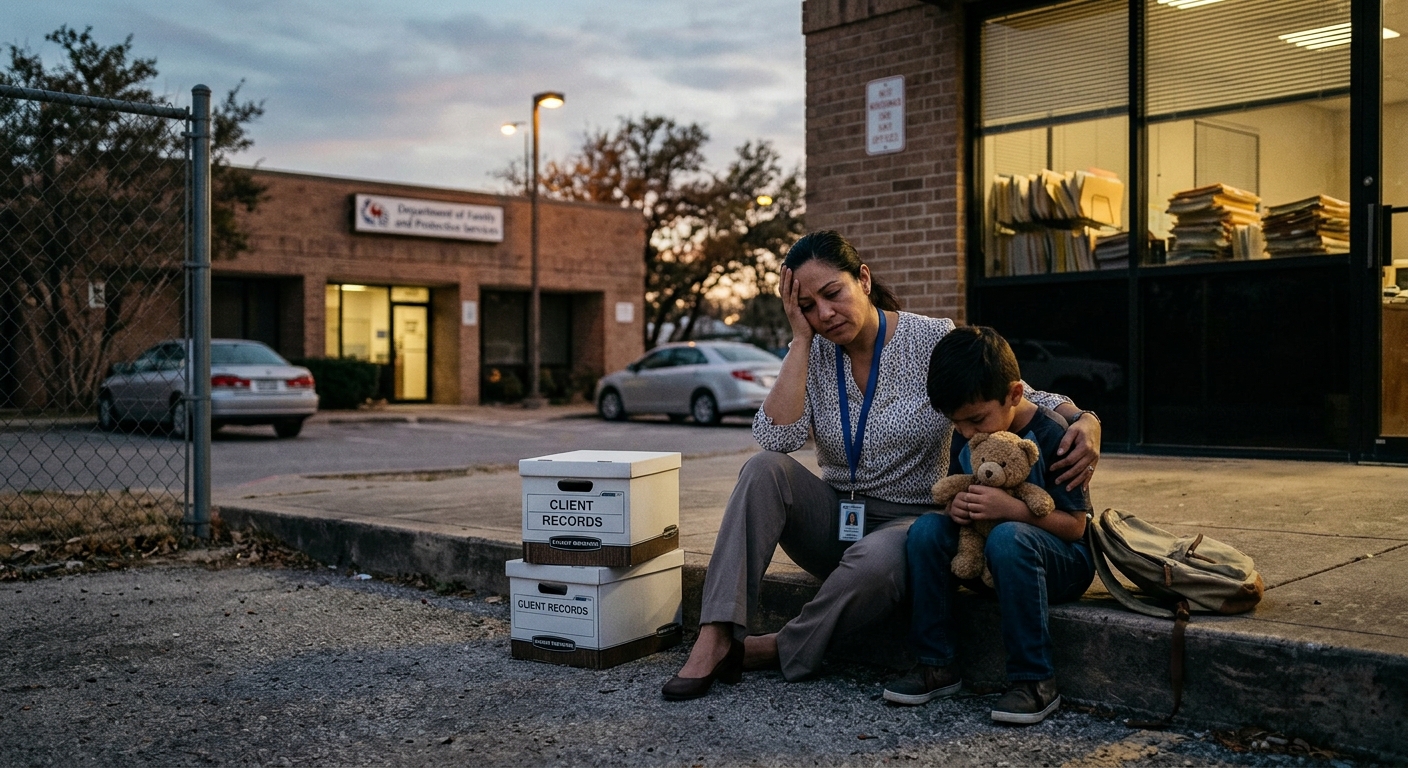
When a state government removes a child from an abusive or neglectful home, it assumes a profound legal and moral obligation to protect that child from further harm. It is a fundamental duty to provide a secure, nurturing environment where traumatized youth can begin to heal. In Texas, however, this implicit promise has been repeatedly broken. For well over a decade, the Texas child welfare apparatus has been under intense federal scrutiny, revealing a staggering, deeply entrenched pattern of institutional failure, unchecked abuse, and chronic state negligence.
At the center of this ongoing catastrophe are the thousands of children living under the Permanent Managing Conservatorship (PMC) of the state. These are youth who have been permanently removed from their birth families and face long-term, indefinite stays in state custody. Rather than finding stability and specialized therapeutic care, many of these children are shuttled into large-scale institutional settings where federal court monitors have consistently uncovered horrific instances of physical abuse, sexual assault, and profound neglect. The systemic breakdown across state agencies highlights a tragic reality: the very system designed to rescue children is frequently subjecting them to an environment even more dangerous than the homes they left behind.
A Decade of Federal Scrutiny: Understanding M.D. v. Abbott
The modern era of Texas foster care reform is entirely defined by the landmark civil rights class-action lawsuit, M.D. v. Abbott. Initiated in 2011 by children’s advocacy groups on behalf of youth in long-term state custody, the litigation sought to hold state officials accountable for blatant constitutional violations. The plaintiffs’ core legal argument was that the state’s severe mismanagement actively deprived children of their substantive due process rights to be free from an unreasonable risk of harm while in government care.
In a blistering and unprecedented 2015 verdict, U.S. District Judge Janis Graham Jack ruled overwhelmingly in favor of the plaintiffs. She declared that the Texas foster care system was essentially broken for all stakeholders involved, from the overworked caseworkers to the traumatized children. She famously noted in her judicial opinion that children who enter the state’s care almost uniformly leave it more damaged than when they first arrived. Her ruling mandated sweeping, systemic reforms, including strict reductions in caseloads for social workers, the elimination of notoriously unsafe group homes, and the immediate implementation of 24-hour awake-night supervision to prevent child-on-child abuse.
Despite these clear judicial directives—and the Fifth Circuit Court of Appeals affirming key portions of the federal order in subsequent years—the state’s compliance has been begrudging and agonizingly slow. State officials have spent millions of taxpayer dollars attempting to appeal and delay the lawsuit, resulting in multiple contempt of court hearings and significant monetary fines. Meanwhile, independent federal monitors appointed by the court continue to publish highly critical reports detailing exactly how far the state remains from achieving basic constitutional compliance.
The Danger Within: Abuse in Residential Treatment Centers
One of the most alarming facets of the Texas foster care crisis is the widespread and deeply flawed reliance on Residential Treatment Centers (RTCs). These large facilities are ostensibly designed to provide intensive behavioral, psychiatric, and mental health services to youth who have severe trauma histories. In practice, however, they have frequently functioned as isolated warehouses where children are hidden from public view and subjected to harrowing, unchecked conditions.
Successive reports from federal monitors have detailed nightmarish scenarios within several RTCs across the state. Common and recurring findings include:
- Rampant Sexual and Physical Abuse: Due to severe understaffing and a historic lack of vigilant awake-night supervision, child-on-child sexual abuse and predatory assaults by older youth against younger, more vulnerable peers have occurred at terrifying rates. Assaults by poorly vetted staff members have also been repeatedly documented.
- Medical Neglect: Monitors have highlighted cases where children with chronic health conditions—such as diabetes or seizure disorders—were denied basic medical care. In some devastating instances, ignored medical complaints have resulted in preventable fatalities.
- Overmedication as Restraint: Instead of providing individualized therapeutic interventions, some facilities rely heavily on psychotropic medications to chemically restrain and artificially manage children’s behavior, turning vibrant youth into compliant zombies.
- Inadequate Staff Training: Caregivers in these facilities are almost uniformly underpaid and lack the specialized training required to safely de-escalate behavioral crises. This ignorance routinely leads to improper, illegal, and dangerous physical restraints being placed on children.
These dangerous conditions persist primarily because the institutional business model prioritizes filling beds over individualized patient care. The sheer isolation of RTCs makes outcries difficult for children, creating an environment where trauma is continuously compounded rather than appropriately treated.
Regulatory Failures: How State Agencies Turn a Blind Eye
The persistent danger within these state-licensed facilities begs a critical question: Where are the regulators? The responsibility for overseeing foster care placements in Texas falls primarily on two massive agencies: the Department of Family and Protective Services (DFPS) and the Health and Human Services Commission (HHSC). Unfortunately, deep investigations into systemic oversight reveal a bureaucratic apparatus that is sluggish, drastically under-resourced, and often overly deferential to private corporate contractors.
The HHSC’s Provider Investigations unit, which is explicitly tasked with looking into allegations of abuse within state-licensed childcare facilities, has been repeatedly criticized for its catastrophic inefficiencies. During federal court proceedings in late 2023, it was revealed that state regulators had virtually ignored egregious, repeated outcries from severely disabled foster youth. In one highly publicized and disturbing instance highlighted by court monitors, a teenage girl residing in a group home made over a dozen separate reports of maltreatment to the state hotline over the course of a single year. Investigations languished for months, and she eventually suffered a jaw broken in two places before the state intervened in a meaningful way.
This lethargic regulatory response creates a pervasive culture of impunity. When facility administrators know that state inspections are rare and that investigations into abuse allegations will drag on for months—or years—without immediate financial or legal consequences, the incentive to maintain safe conditions evaporates. Furthermore, a glaring conflict of interest exists: the state is often deeply hesitant to revoke the operating licenses of bad actors simply because the foster system is so severely overtaxed that they literally have nowhere else to place the children.
The Capacity Crisis: Children Without Placement (CWOP)
The state’s reluctance to immediately shut down dangerous residential facilities is directly tied to Texas’s massive, ongoing placement capacity crisis. When RTCs are forced to close due to a public scandal, or when private foster agencies refuse to accept children with complex behavioral or mental health needs, the state is left with a surplus of vulnerable youth and exactly zero therapeutic beds to put them in. This failure has led to the shameful, persistent phenomenon officially designated as “Children Without Placement” (CWOP).
On any given night, dozens of foster children in Texas are forced to sleep on cots in sterile, unlicensed DFPS office buildings or in budget motels. These makeshift, chaotic arrangements are entirely devoid of the therapeutic, educational, and medical supports these children desperately require. The staff assigned to watch them are very often exhausted caseworkers who are forced to pull overnight supervision shifts on top of their already unmanageable, high-stress daytime caseloads.
The CWOP crisis creates a devastatingly vicious cycle. Children who are subjected to the instability of sleeping in state offices inevitably experience exacerbated trauma, which frequently manifests in severe behavioral outbursts. These very outbursts make them even less appealing to traditional foster families or therapeutic homes, practically guaranteeing they will remain locked in the institutional or CWOP pipeline indefinitely.
Charting a Path Toward Meaningful Reform
Fixing a child welfare system that has been deeply entrenched in systemic dysfunction for decades requires far more than mere compliance with court orders; it demands a fundamental, foundational shift in governmental philosophy, accountability, and resource allocation. Meaningful reform must aggressively encompass several key pillars:
1. Prioritizing Family Preservation
The single most effective way to solve the capacity crisis is to reduce the number of children entering the system in the first place. Texas must heavily and proactively invest in preventative community services—such as parental mental health support, accessible substance abuse treatment, and targeted economic assistance—that help struggling families stay safely together without the need for state removal.
2. Ending the Institutional Warehousing of Children
The state must aggressively pivot away from relying on large-scale institutional settings and RTCs. Massive financial resources should be immediately redirected toward recruiting, deeply training, and adequately compensating therapeutic foster families who can provide specialized, one-on-one care in a safe, traditional home environment.
3. Strict Enforcement and Independent Oversight
State agencies must adopt a strict zero-tolerance policy for abuse and neglect in state-licensed facilities. Investigations into outcries must be incredibly swift, and facilities that repeatedly fail to protect children must have their licenses immediately and permanently revoked, regardless of capacity pressures. The creation of robust, entirely independent oversight bodies that do not answer to the bureaucratic agencies they are investigating is crucial to long-term safety.
4. Fully Supporting Caseworkers
DFPS caseworkers are the absolute backbone of the child welfare system, yet they have been historically overworked, underpaid, and emotionally burnt out. Reducing strict caseload limits to match nationally recognized child welfare standards will allow caseworkers the breathing room to conduct thorough investigations, make frequent home visits, and truly advocate for the individual children on their dockets.
5. Enhancing Transition Services for Aging-Out Youth
Children who spend years languishing in PMC eventually age out of the system at 18. Without adequate life skills, education, or familial support, they face wildly disproportionate rates of homelessness, incarceration, and early pregnancy. Reforming the system must include robust, well-funded safety nets and extended care programs for these young adults transitioning into society.
Conclusion
The ongoing foster care crisis in Texas is not merely a failure of a single political administration or a solitary bureaucratic agency; it is a systemic, multi-generational catastrophe that has systematically stolen the childhoods of countless vulnerable youth. While intense federal oversight through M.D. v. Abbott has forcefully exposed the dark underbelly of the system and forced painful, incremental changes, true justice and safety remain elusive. Protecting children in state custody requires unwavering political will, massive financial investment, and a complete reimagining of what genuine child welfare should look like. Until the state stops treating these traumatized children as burdensome bureaucratic liabilities and starts treating them with the profound dignity, love, and care they deserve, the profound tragedy of the Texas foster care system will endure.
Frequently Asked Questions (FAQs)
What is the M.D. v. Abbott lawsuit?
M.D. v. Abbott is a landmark civil rights class-action lawsuit initially filed in 2011 against the state of Texas on behalf of thousands of children in the Permanent Managing Conservatorship (long-term foster care). The lawsuit alleged that the state’s child welfare system was unconstitutionally dangerous. A federal judge agreed in 2015, ordering sweeping systemic reforms that the state has struggled for years to fully implement.
Why are federal monitors involved in the Texas foster care system?
As a direct result of the M.D. v. Abbott federal ruling, the court appointed highly specialized independent monitors to ensure Texas actually complies with the judge’s remedial orders. These monitors conduct deep investigations, perform unannounced site visits, and publish detailed, public reports on the safety and well-being of children living in state custody.
What is a Residential Treatment Center (RTC)?
A Residential Treatment Center (RTC) is a live-in, institutional facility designed to provide intensive therapeutic care and psychiatric supervision for children with severe emotional, psychological, or behavioral issues. In Texas, these large facilities have faced intense legal scrutiny due to repeated, documented reports of systemic abuse, horrific neglect, and a massive lack of capable supervision.
What does CWOP stand for in the child welfare system?
CWOP stands for “Children Without Placement.” This bureaucratic term refers to vulnerable foster children who do not have an appropriate therapeutic or foster home placement available to them. Because the state lacks proper beds, these children are instead forced to sleep in state offices, budget hotels, or other temporary, unlicensed environments under the supervision of state staff.
Who is legally responsible for overseeing foster care facilities in Texas?
The Texas Department of Family and Protective Services (DFPS) fundamentally manages the state’s broad child welfare system and individual cases, while the Health and Human Services Commission (HHSC) is primarily responsible for regulating, licensing, and strictly investigating allegations of abuse in residential childcare operations and treatment centers.
References
- Federal Monitors Report Children in Texas Foster Care Remain at Serious Risk — Children’s Rights. 2020-06-16. https://www.childrensrights.org/news-voices/federal-monitors-report-children-in-texas-foster-care-remain-at-serious-risk/
- Sixth Report of the Monitors: Remedial Orders — Courthouse News / U.S. District Court. 2022-06-26. https://www.courthousenews.com/wp-content/uploads/2023/06/sixth-report-monitors-texas-foster-care.pdf
- Texas Chided for Conditions for Mentally Disabled Foster Youth — Governing Magazine. 2023-12-05. https://www.governing.com/management-and-administration/texas-chided-for-conditions-for-mentally-disabled-foster-youth
- CONSTITUTIONAL CATCH-22: THE UNVINDICATED RIGHTS OF FOSTER CHILDREN — Stanford Law School. 2025-05-03. https://law.stanford.edu/publications/constitutional-catch-22-the-unvindicated-rights-of-foster-children/
- Case: M.D. v. Abbott — Civil Rights Litigation Clearinghouse, University of Michigan Law School. 2026-04-09. https://clearinghouse.net/case/11718/
Similar Articles








Read full bio of medha deb


