
Systemic Negligence in Youth Residential Care
Examining lax supervision and institutional failures in youth care.
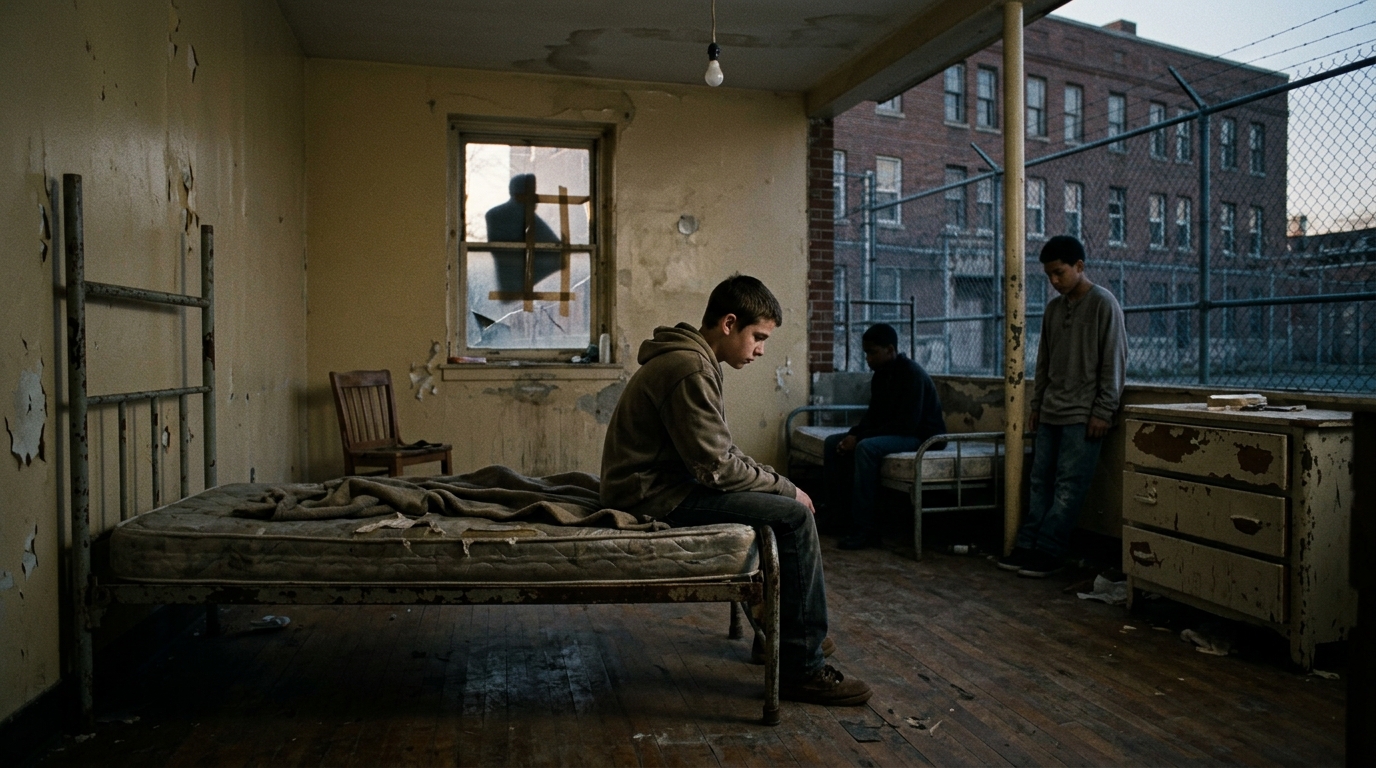
The Hidden Crisis in Youth Residential Care
For thousands of children across the United States, the child welfare system represents the ultimate safety net. When families fracture due to poverty, illness, addiction, or tragic circumstances, state agencies step in to provide sanctuary. However, a deeply troubling reality lurks beneath the surface of this protective promise. Youth residential facilities, often operating as group homes, therapeutic camps, or institutional shelters, frequently suffer from catastrophic systemic failures. Instead of finding a haven, many vulnerable minors are subjected to environments plagued by lax supervision, understaffing, and a pervasive failure to act when dangers arise. The consequences of these institutional blind spots are devastating, leading to physical harm, psychological trauma, and severe abuse that forever alters the trajectory of a young person’s life.
To understand the gravity of this crisis, one must examine the fundamental purpose of youth residential centers. These institutions are meant to offer specialized care, psychological support, and a stable living environment for minors who cannot be placed in traditional family foster homes. Yet, persistent investigations and harrowing lawsuits have repeatedly exposed a contrasting narrative. Facilities are frequently operated with profit motives or severe budget constraints that compromise the quality of care. When institutions prioritize filling beds over maintaining rigorous safety protocols, the environment quickly becomes a breeding ground for peer-on-peer violence and staff misconduct.
The Architecture of Institutional Failure
The architecture of institutional negligence is rarely built overnight. It is typically the result of a steady erosion of standards. "Lax supervision" is a clinical term that masks a horrifying reality for the children living through it. In practice, it means that young, highly vulnerable children—sometimes as young as ten or eleven—are left unmonitored in communal spaces with older youth who may have profound behavioral issues or histories of aggression. It means night shifts staffed by underpaid, untrained, and overwhelmed workers who are unable to maintain order or ensure the safety of the residents. Without constant, trauma-informed oversight, the power dynamics within these facilities quickly become predatory.
A critical element of this systemic breakdown is the "failure to act." This legal and ethical breach occurs when administrators and state oversight agencies ignore clear warning signs. Often, prior to a severe incident of assault or abuse, there is a documented history of inappropriate behavior, disciplinary infractions, or outcries from other residents. When facility leaders turn a blind eye to these red flags, they inadvertently sanction a culture of impunity. The failure to act also extends to the aftermath of a traumatic event. In some of the most egregious cases brought to light by child advocacy groups, young victims of sexual or physical assault within these homes were denied immediate psychological evaluation or emergency medical care, further exacerbating their trauma and compounding the facility’s liability.
Key Indicators of Institutional Negligence
When investigating abuses in residential youth care, experts and legal advocates typically look for specific structural failures. These red flags often create the conditions necessary for abuse to occur unchecked:
- Inadequate Staffing Ratios: Facilities that fail to hire enough workers leave massive gaps in supervision, allowing violence to occur in hidden corners or during overnight hours.
- Lack of Trauma-Informed Training: Staff members who do not understand the psychological profiles of youth in state care often resort to punitive or physical measures rather than de-escalation tactics.
- Ignoring Prior Complaints: A hallmark of institutional negligence is the deliberate suppression or dismissal of grievances filed by children, parents, or whistleblowing employees regarding safety concerns.
- Improper Commingling of Residents: Placing young, physically vulnerable children in the same living quarters as older adolescents with known aggressive or predatory histories creates an indefensible risk.
The Devastating Ripple Effects of Negligence
The demographic most affected by these systemic failures is often the most voiceless. Children placed in out-of-home care frequently carry the heavy baggage of prior trauma. Many enter the system not because of juvenile delinquency, but because of a lack of suitable family members to care for them. Placing young, non-delinquent children in restrictive, low-supervision institutional settings is a recipe for disaster. Advocacy organizations and legal experts have continually pointed out that warehousing youth in group facilities contradicts best practices in modern child welfare, which strongly advocate for family-style, community-based placements whenever possible.
The devastating ripple effects of such institutional negligence are profound. Beyond the immediate physical injuries that may occur during an assault, the long-term psychological damage is immeasurable. Survivors of residential facility abuse frequently battle severe depression, anxiety, post-traumatic stress disorder (PTSD), and suicidal ideation. The psychological toll is magnified by the profound betrayal of trust; the abuse occurred under the watchful eye of the state, the very entity legally bound to protect them. This deep institutional betrayal often makes it exceptionally difficult for survivors to seek help, trust authority figures, or successfully integrate into healthy family environments in the future.
Unmasking the Oversight Void
Unmasking the oversight void is essential to understanding why these abuses persist. Federal investigations have repeatedly highlighted the glaring gaps in how states monitor residential care. A 2024 report by the U.S. Government Accountability Office (GAO) emphasized that state and local agencies face significant challenges in preventing abuse in youth residential facilities, citing issues with inappropriate use of psychotropic medications, unauthorized use of restraints, and a general lack of enforcement mechanisms . Similarly, the Department of Health and Human Services (HHS) Office of Inspector General found that many states lack the necessary data to monitor patterns of maltreatment, particularly when vulnerable children are placed in out-of-state facilities .
Furthermore, recent Senate investigations and media reports have shed light on the alarming conditions within facilities run by large behavioral health companies. These investigations reveal that despite receiving taxpayer funding through Medicaid and state contracts, some institutions fail to implement basic safety measures . Children are sometimes sent out of state because local foster care systems are overwhelmed, distancing them from familial support and making it difficult for social workers to conduct meaningful welfare checks. This geographic isolation strengthens the unchecked power dynamics within the facilities.
The Legal Battleground: Pursuing Justice for Survivors
In the face of widespread regulatory failure, the legal system has become one of the few effective battlegrounds for accountability. Civil rights attorneys and national advocacy organizations have increasingly utilized complex litigation to force negligent facilities and complacent state departments to answer for their actions. Lawsuits filed under civil rights statutes and state tort laws for gross negligence are crucial tools. These legal actions not only seek compensatory damages for the survivors—funds that are desperately needed for lifelong psychiatric and medical care—but they also demand sweeping, court-ordered injunctive relief to fix the broken systems from the top down.
When a lawsuit successfully exposes the inner workings of a negligent youth facility, the results can be transformative. Court-mandated settlements often require state departments to overhaul placement protocols, reduce reliance on group homes, and implement independent monitoring systems. In some instances, the public exposure, loss of licensing, and financial penalties force dangerous facilities to dissolve entirely. This legal accountability prevents future generations from being victimized and acts as a deterrent for other care providers.
Comparing Care Models: Community vs. Congregate
Understanding the push for systemic reform requires analyzing the stark differences between traditional family-based care and institutional congregate settings.
| Feature | Community-Based Foster Care | Congregate / Residential Care |
|---|---|---|
| Environment | Nurturing, family-style household setting | Institutional, restrictive, dorm-like setting |
| Supervision | Direct, parent-like, individualized monitoring | Shift-based, rotating staff supervision |
| Trauma Impact | Often mitigates trauma through routine and stability | High risk of re-traumatization if poorly managed |
| Peer Dynamics | Interactions limited to family members and school peers | Large groups, increasing risk of severe peer conflict |
Transforming the Child Welfare System
However, litigation is inherently reactive; it addresses the harm after a child’s life has already been shattered. To truly protect vulnerable minors, the child welfare system must undergo fundamental, proactive transformation. The primary goal must be the aggressive reduction of congregate care. Federal legislation, such as the Family First Prevention Services Act, has attempted to incentivize states to prioritize family-based foster care and limit funding for residential institutions unless they meet strict clinical standards. While this is a critical step forward, enforcement remains uneven across different jurisdictions, allowing substandard facilities to continue operating under regulatory loopholes.
Transforming the system requires an unwavering commitment to trauma-informed care and structural accountability. Facility administrators must adopt stringent hiring practices, comprehensive background checks, and continuous psychological training for all staff members. Ratios of staff to youth must be drastically improved to ensure constant, active supervision, particularly during vulnerable overnight hours and in unstructured recreational environments. Moreover, states must establish independent, well-funded ombudsman offices dedicated solely to investigating complaints from youth in state custody. Children need a safe, confidential, and highly accessible mechanism to report abuse without fear of dangerous retaliation from the staff members who control their daily lives.
Finally, there must be a cultural shift in how society views youth in state care. They are not administrative burdens to be housed in the cheapest available beds; they are resilient children who have already endured significant adversity. Ensuring their safety requires vigilant oversight and a zero-tolerance policy for institutional neglect. The tragic stories of abuse resulting from lax supervision and the failure to act must serve as a call to action. Until the child welfare system prioritizes the individual child’s well-being over bureaucratic convenience, the fight for reform must continue.
The path forward is complex, demanding coordinated efforts from lawmakers, social workers, legal advocates, and the community. Yet, the moral imperative is clear. Every child, regardless of the circumstances that led them into the system, possesses an inherent right to safety, dignity, and care. By dismantling the structures that allow institutional negligence to thrive and replacing them with robust, family-centered support systems, society can begin to heal the wounds inflicted on its most vulnerable members.
Frequently Asked Questions (FAQ)
What defines "lax supervision" in a youth residential facility?
Lax supervision refers to a systemic failure by facility staff to adequately monitor the children in their care. This includes maintaining poor staff-to-child ratios, leaving vulnerable children unattended in communal areas, failing to conduct required nighttime bed checks, or ignoring established safety protocols. This lack of oversight creates a dangerous environment where peer-on-peer violence, severe bullying, and physical or sexual abuse can occur undetected.
How can a facility be held legally responsible for a "failure to act"?
A facility can be held liable for a failure to act if administrators or staff members knew, or reasonably should have known, about a specific danger and did nothing to prevent it. This includes ignoring prior complaints of abuse, failing to separate a known aggressor from vulnerable youth, or failing to provide necessary medical and psychological treatment to a child immediately following an assault.
Why are children placed in residential facilities instead of family foster homes?
Children are often placed in group facilities due to a chronic shortage of licensed family foster homes. While some youth with severe needs require specialized clinical environments, many children are placed in these institutions simply because the state lacks alternative housing options.
What role do civil rights lawsuits play in reforming child welfare?
Civil rights lawsuits are critical tools in exposing institutional failures and holding both private facilities and state agencies accountable. Beyond securing vital financial compensation for victims to afford ongoing therapy and care, these lawsuits often result in court-ordered systemic reforms. These can include improved state oversight, mandatory staff training protocols, and the permanent closure of dangerously mismanaged facilities.
References
- CHILD WELFARE: Abuse of Youth Placed in Residential Facilities — U.S. Government Accountability Office (GAO). 2024-06-12. https://www.gao.gov/products/gao-24-107625
- Many States Lack Information To Monitor Maltreatment in Residential Facilities for Children in Foster Care — U.S. Department of Health and Human Services, Office of Inspector General. 2024-06-26. https://oig.hhs.gov/oei/reports/OEI-07-21-00250.asp
- Why children and teens in residential treatment centers are vulnerable to abuse — PBS NewsHour. 2024-07-13. https://www.pbs.org/newshour/show/why-children-and-teens-in-residential-treatment-centers-are-vulnerable-to-abuse
Similar Articles








Read full bio of medha deb


