
Help Foster Children In Maury County: 9 Ways To Support Youth
Discover actionable and meaningful ways to support Maury County's foster youth and transform lives.
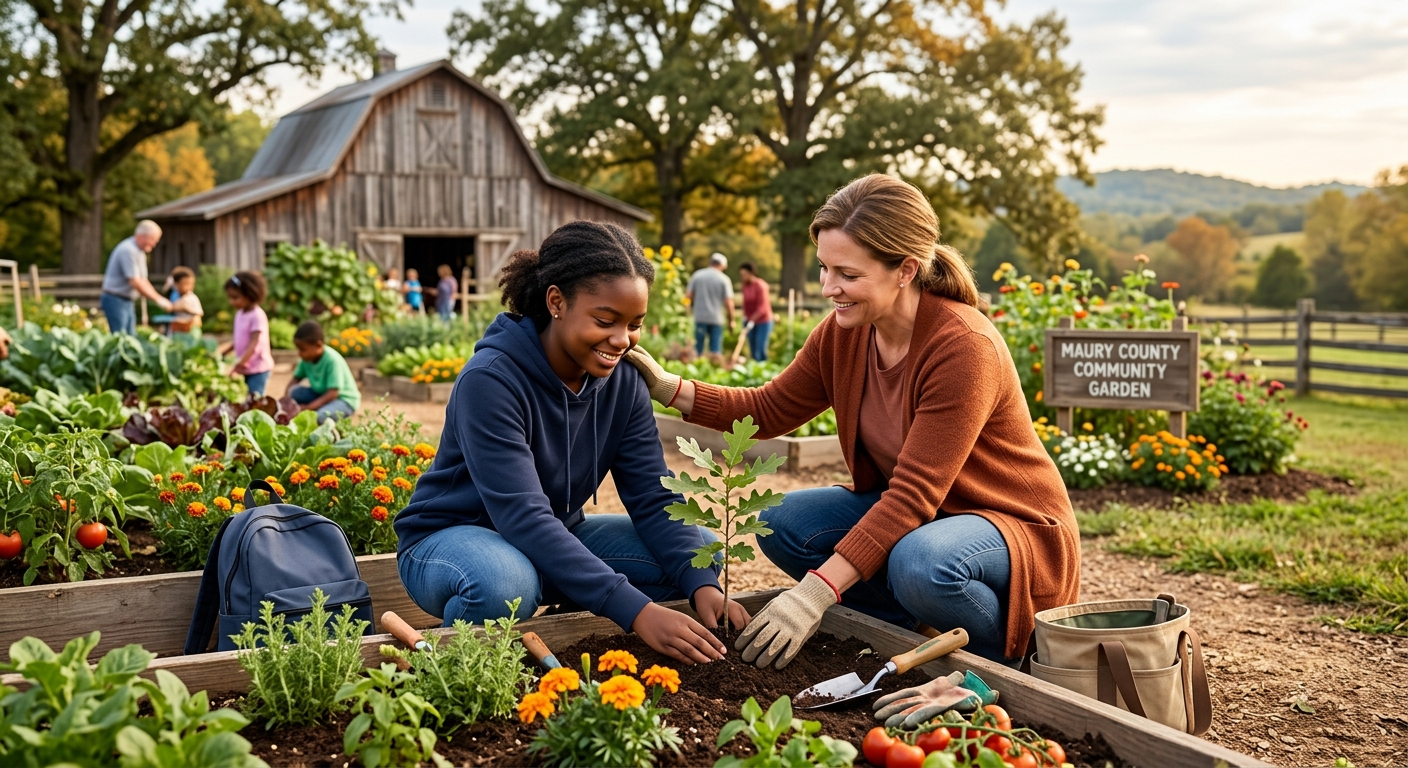
Child welfare is not a burden meant to be carried exclusively by state agencies and dedicated social workers. It is a community-wide responsibility that requires the dedication, resources, and compassion of local citizens. In Maury County, Tennessee, the need for robust support systems for vulnerable youth is an ever-present reality. When children enter the child welfare system, they are thrust into a period of profound uncertainty, navigating new homes, new schools, and the trauma of separation. They rely entirely on the adults around them to provide stability, advocacy, and a safe harbor.
While the child welfare system is complex, there are numerous, highly impactful ways that everyday individuals can step in to alter the trajectory of a child’s life. From opening your home as a licensed caregiver to donating resources or offering professional mentorship, your involvement can serve as the critical anchor a foster youth desperately needs. This guide explores comprehensive, actionable pathways to support foster children in Maury County and the surrounding Middle Tennessee region.
Understanding the Foster Care Landscape in Tennessee
To effectively help, one must first understand the scale and nature of the foster care landscape. Every day, thousands of children across the United States are removed from their homes due to abuse, profound neglect, or unsafe living conditions. According to the U.S. Department of Health and Human Services Administration for Children and Families, there are consistently hundreds of thousands of children navigating the foster care system nationwide at any given time . In the vast majority of these cases, the primary and most desirable legal goal is the safe reunification of children with their biological parents after those parents have successfully completed court-mandated milestones.
However, achieving this goal requires intense community support. Systemic pressures, high caseworker turnover, and a chronic shortage of licensed foster homes often create localized crises. In places like Maury County, a lack of available homes means that children are sometimes placed in neighboring counties or even across the state. This geographic displacement removes them from their familiar schools, local friends, and community routines, compounding the trauma of their initial removal. By stepping up locally, Maury County residents can ensure that displaced children remain in their own communities while their families heal.
The Core Challenges Faced by Foster Youth
Transitioning into foster care is an inherently traumatic experience. Regardless of how dysfunctional or unsafe a home environment might have been, being separated from biological family members triggers deep psychological distress. This disruption profoundly impacts a child’s developmental trajectory, emotional regulation, and overall well-being.
Research underscores the specialized needs of this demographic. The American Academy of Pediatrics (AAP) highlights that children and adolescents in the foster care system face a significantly higher prevalence of complex physical, developmental, and mental health issues compared to their peers in the general population . They often suffer from chronic medical conditions that have gone untreated, severe dental decay, and profound mental health challenges rooted in adverse childhood experiences (ACEs).
Furthermore, educational disruption is a pervasive challenge. Foster youth frequently switch schools mid-year, leading to lost academic credits and severe learning gaps. They require patient caregivers, attentive educators, and community advocates who understand that challenging behaviors are often rooted in survival instincts and unresolved trauma, rather than intentional disobedience.
Direct Pathways to Make a Meaningful Impact
Becoming a Licensed Foster Parent
The most direct and transformative way to support the child welfare system is by becoming a licensed foster parent. Maury County is continually in need of safe, loving, and stable homes. The process involves attending informational orientations, completing state-mandated training (which focuses heavily on trauma-informed parenting strategies), undergoing thorough background checks, and participating in a home study process.
Foster parents act as the frontline caregivers, providing a nurturing environment while actively supporting the goal of family reunification. It requires immense patience, a willingness to co-parent alongside biological families and state agencies, and a commitment to loving a child unconditionally, even if their stay is temporary.
Providing Respite Care
For those who cannot commit to full-time fostering, respite care is a vital alternative. Respite care providers are licensed caregivers who take in foster children for short, predetermined periods—typically a weekend or a few days. This service is crucial because it prevents full-time foster parent burnout. It gives primary foster parents time to rest, recharge, or attend to emergencies, while simultaneously giving the foster child a fun, safe experience with another trusted adult.
Fostering Older Youth and Sibling Groups
There is a critical, ongoing shortage of homes willing to accept older youth and sibling groups. Teenagers in the foster care system face a daunting reality; they are the hardest demographic to place and are at the highest risk of aging out of the system without a permanent family structure. Fostering a teen involves guiding them through crucial life transitions, teaching independent living skills, and offering a lifelong emotional safety net. Similarly, keeping sibling groups together mitigates trauma. Siblings are often the only constant in a foster child’s life, and keeping them united in a single Maury County home is paramount for their emotional survival.
Advocacy and Community Involvement (No Fostering Required)
Becoming a CASA Volunteer
If you cannot bring a child into your home, you can still be a powerful voice for them in the courtroom. Court Appointed Special Advocates (CASA) are rigorously trained community volunteers appointed by juvenile court judges to represent the best interests of a child. CASA volunteers in Maury County spend time getting to know the child, interviewing teachers, therapists, foster parents, and biological family members. They synthesize this information into objective, highly influential reports that help judges make informed decisions regarding the child’s future. A CASA volunteer is often the most consistent adult presence in a foster child’s life during their time in care.
Joining the Foster Care Review Board
Citizen oversight is essential for maintaining accountability within the child welfare system. Foster Care Review Boards consist of trained local volunteers who meet regularly to review the cases of children in state custody. They evaluate the progress of the case, ensure that the Department of Children’s Services is providing necessary resources, and verify that parents are adhering to their permanency plans. Serving on this board allows Maury County residents to use their critical thinking skills to prevent children from languishing unnecessarily in the system.
Mentorship and Educational Support
Providing consistent mentorship can profoundly impact a foster youth’s self-esteem and academic trajectory. Local organizations and schools constantly seek volunteers to tutor children who have fallen behind academically due to frequent placements. Additionally, becoming a mentor through established community programs provides a foster child with a reliable, positive role model. Just one hour a week of focused, uninterrupted attention can drastically improve a child’s resilience and outlook on the future.
Financial and Material Contributions that Matter
For individuals and businesses unable to volunteer their time, financial and material contributions remain essential. When children are removed from their homes, the process is often abrupt. They may arrive at a foster home with nothing but the clothes on their back. Donating to local foster care closets, non-profits, and child advocacy centers ensures that immediate material needs are met without placing an undue financial burden on new foster families.
| Material Need | Immediate Impact on Foster Youth | Recommended Donation Frequency |
|---|---|---|
| New Clothing, Shoes, and Undergarments | Restores dignity and provides essential warmth and comfort during emergency, middle-of-the-night placements. | Seasonal (Quarterly) |
| Diapers, Wipes, and Formula | Alleviates the immediate, high financial cost for families taking in infants on short notice. | Monthly or As Needed |
| Backpacks and School Supplies | Ensures children are prepared for their first day at a new school, reducing anxiety and social stigma. | Annually (Late Summer) |
| Gift Cards for Teenagers | Empowers older youth to pick out their own clothes, meals, or hygiene products, fostering independence. | Year-Round |
Building a Trauma-Informed Community
Supporting foster children extends beyond the actions of individuals; it requires a systemic paradigm shift toward a trauma-informed community. According to the Substance Abuse and Mental Health Services Administration (SAMHSA), a trauma-informed approach realizes the widespread impact of trauma, recognizes the signs and symptoms in clients and staff, and responds by fully integrating this knowledge into policies, procedures, and practices, actively resisting re-traumatization .
In Maury County, this means that local schools, pediatric clinics, churches, and youth sports leagues must educate themselves on how trauma manifests. When a child acts out in a classroom or on a soccer field, a trauma-informed adult pauses to ask, “What happened to this child?” rather than, “What is wrong with this child?” By offering grace, creating safe physical spaces, and utilizing de-escalation techniques, community members can create an environment where foster children feel genuinely safe enough to heal.
Frequently Asked Questions (FAQs) About Helping Foster Youth
Do I need to be married or own a home to become a foster parent?
No. You do not need to be married, nor do you need to own your own home to foster a child in Tennessee. Single adults, empty-nesters, and individuals who rent apartments or houses are entirely eligible, provided they have adequate space, financial stability, and can pass the required background checks and home studies.
How much of a time commitment is required to be a CASA volunteer?
Becoming a CASA volunteer typically requires an initial training period of roughly 30 hours. Once assigned to a case, volunteers generally spend between 10 to 15 hours a month visiting the child, reviewing documents, interviewing relevant parties, and attending court hearings. The commitment is significant, but the impact is profound.
Can I support foster families if I work a full-time schedule?
Absolutely. Foster parents themselves often work full-time. If you cannot foster, you can support those who do by providing meals, offering to babysit (if you complete the necessary background checks to become an approved sitter), running errands, or simply being a supportive listening ear for a stressed foster family.
What are the most urgent items needed by local foster care closets?
While needs fluctuate, there is almost always an urgent demand for new socks, new underwear, pajamas of all sizes, diapers (especially larger sizes), and items tailored for teenagers, such as hygiene kits, duffel bags, and age-appropriate clothing.
Are there age limits on who can foster or mentor?
To become a licensed foster parent in Tennessee, you generally must be at least 21 years old. There is no upper age limit, provided you are in reasonably good health and possess the physical and emotional stamina required to care for a child. Mentoring programs typically have similar minimum age requirements, usually starting at 18 or 21 depending on the specific organization’s policies.
References
- AFCARS Report #30 — Administration for Children and Families, U.S. Department of Health and Human Services. 2024-03-13. https://www.acf.hhs.gov/cb/report/afcars-report-30
- Health Care Issues for Children and Adolescents in Foster Care and Kinship Care — American Academy of Pediatrics. 2015-10-01. This foundational AAP technical report remains the primary authoritative clinical standard outlining the unique physical and developmental requirements of foster youth. https://publications.aap.org/pediatrics/article/136/4/e1142/73822/Health-Care-Issues-for-Children-and-Adolescents-in
- Trauma-Informed Approaches and Programs — Substance Abuse and Mental Health Services Administration (SAMHSA). 2026-02-08. https://www.samhsa.gov/trauma-violence/trauma-informed-approaches
Similar Articles








Read full bio of medha deb


