
The Unseen Crisis: The State of Children in America
Millions of US children face crises in poverty, mental health, and foster care.
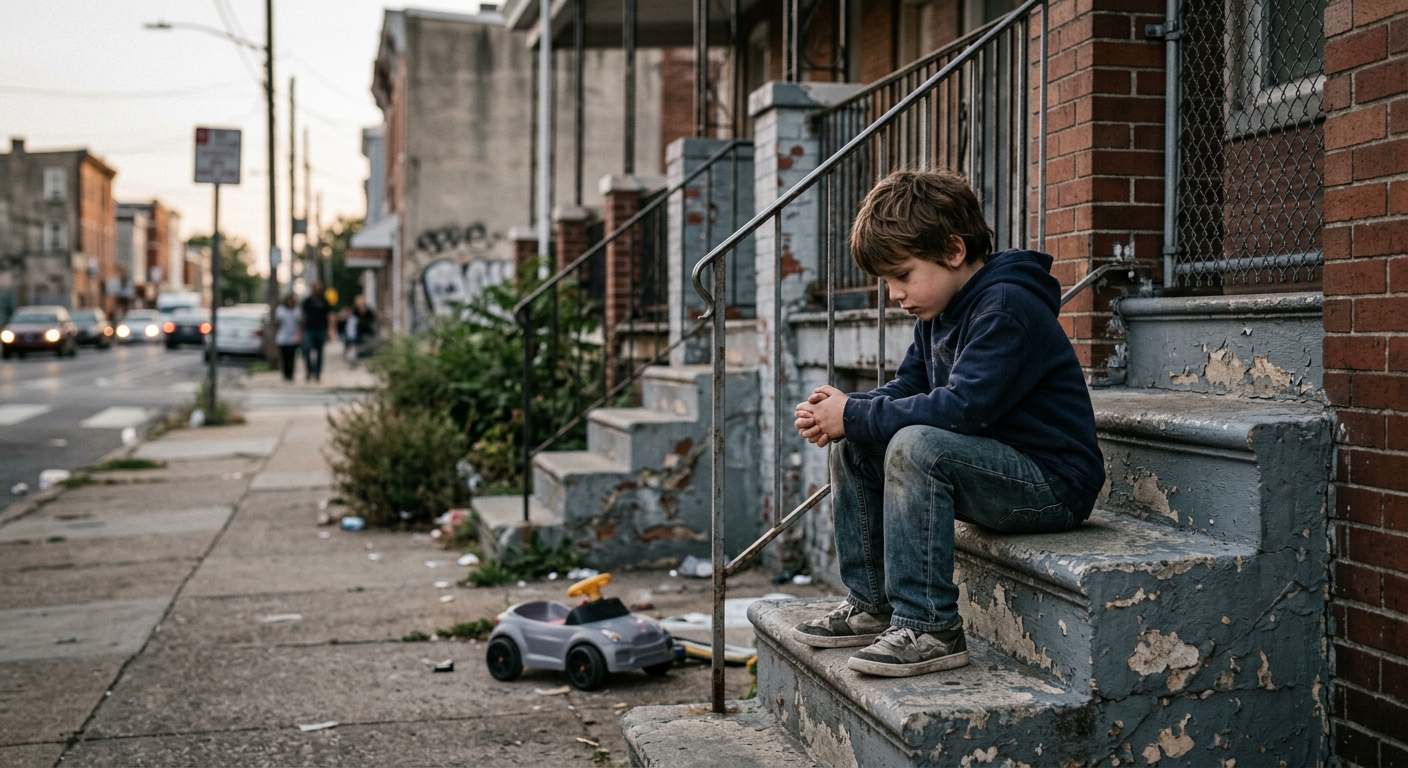
In a nation celebrated for its economic prowess, a stark paradox persists: millions of its most vulnerable citizens are being left behind. When leaders discuss the state of the union, the metrics of success are typically GDP growth and stock market indices, which rarely reflect the lived realities of children. To truly gauge a nation’s health, one must examine how it treats its youth. Unfortunately, a comprehensive analysis of child welfare in the United States reveals a multifaceted crisis characterized by escalating child poverty, an unprecedented youth mental health emergency, and a child welfare system struggling under the weight of systemic inequalities. This article delves into the current state of children in America, bypassing rhetoric to examine the empirical data and experiences defining this critical issue.
The Resurgence of Child Poverty: A Reversible Tragedy
The narrative of American prosperity is profoundly challenged by the persistent reality of child poverty. While official poverty measures often fail to capture the full scope of economic hardship, the Supplemental Poverty Measure (SPM) provides a more accurate reflection by accounting for living expenses, regional cost variations, and the impact of government assistance programs. Recent data paints a troubling picture: after a historic decline, child poverty has seen a dramatic resurgence. In 2021, the implementation of the expanded Child Tax Credit under pandemic-era relief legislation led to a record-low child poverty rate of 5.2%. This policy effectively lifted millions of children out of destitution by providing families with consistent, unrestricted financial support, enabling them to afford basic necessities like groceries, rent, and childcare.
However, the expiration of these temporary expansions precipitated a rapid reversal of these gains. By 2024, the SPM child poverty rate rebounded to approximately 13.3% to 14.3%, meaning over 9 to 10 million children are currently living in households unable to meet their basic needs. This sharp increase underscores a critical lesson: child poverty in America is not an intractable force of nature, but rather a direct result of policy choices. The decision to allow vital safety nets to expire has plunged millions back into precarious living conditions. The consequences of this poverty are far-reaching and devastating. Children growing up in impoverished environments are at a significantly higher risk for food insecurity, housing instability, and inadequate medical care. These chronic stressors have been shown to alter brain development, leading to lifelong cognitive and health disparities. Furthermore, poverty is not distributed equally. Systemic racism and historical disenfranchisement mean that Black, Hispanic, and Native American children experience poverty at rates vastly disproportionate to their white peers, perpetuating a cycle of intergenerational disadvantage that stifles potential and fractures communities.
The Escalating Youth Mental Health Emergency
Parallel to the economic struggles facing American families is a profound and escalating crisis in youth mental health. Long before the global disruptions of the COVID-19 pandemic, public health officials were sounding the alarm on rising rates of anxiety, depression, and suicidal ideation among adolescents. The pandemic acted as an accelerant, exacerbating social isolation, disrupting critical support networks, and exposing youth to unprecedented levels of grief and uncertainty. In 2021, the U.S. Surgeon General issued a rare public advisory declaring youth mental health a national emergency. The statistics are sobering. Recent behavioral health surveys indicate that approximately 15% of adolescents—amounting to nearly 3.8 million young people—have experienced a major depressive episode in the past year. Even more alarmingly, the rates of youth contemplating or attempting suicide have reached tragic highs, particularly among marginalized populations including LGBTQ+ youth and children of color.
The root causes of this mental health emergency are complex. Academic pressures, social media influence, and global anxieties contribute to chronic stress. Furthermore, schools and communities are often ill-equipped to support mental wellness. Despite urgent needs, access to high-quality care remains a barrier. A severe shortage of pediatric psychiatrists and school counselors means millions of children are left on waitlists. For families in poverty or rural areas, geographical distance and out-of-pocket costs render therapeutic interventions inaccessible. Addressing this demands a radical overhaul of our healthcare infrastructure, integrating mental health services directly into primary care and educational systems.
The Strained Foster Care System
When societal safety nets fail, the child welfare system becomes the default repository for the nation’s youth. However, the foster care system is frequently described as a traumatizing mechanism that disrupts families. According to the Adoption and Foster Care Analysis and Reporting System (AFCARS), there are approximately 328,947 children in U.S. foster care. While this reflects a slight decline from previous peaks, it still represents a staggering volume of familial separation. A critical examination reveals profound systemic biases. Black and Indigenous children are vastly overrepresented. They are more likely to be removed from homes, spend longer in care, and are less likely to achieve permanent reunification compared to white counterparts.
It is essential to recognize the deeply entrenched connection between poverty and child welfare involvement. The majority of children enter the foster care system not because of malicious physical or sexual abuse, but due to ‘neglect’—a broad and subjective category that frequently conflates willful maltreatment with the tragic realities of poverty. Lack of affordable housing, food insecurity, and untreated parental substance use disorders (such as the ongoing opioid epidemic) are primary drivers of family separation. When parents are unable to secure safe housing or access reliable childcare, state agencies often intervene by removing the child rather than providing the family with the resources necessary to stabilize their environment. This punitive approach to poverty inflicts profound trauma on children, tearing them away from their communities, siblings, and cultural roots. The outcomes for youth who age out of the foster care system without achieving permanency are notoriously grim, marked by high rates of homelessness, incarceration, and early parenthood. Transforming this system requires a paradigm shift from family policing to family preservation and proactive community support.
At a Glance: The State of America’s Children
The table below highlights key data points and the primary systemic drivers behind these pressing challenges.
| Issue Area | Key Statistic (Recent Data) | Primary Systemic Drivers |
|---|---|---|
| Child Poverty | 13.3% – 14.3% of children living in poverty (2024 SPM data) | Expiration of expanded safety nets, inflation, wage stagnation. |
| Mental Health | 15% of adolescents report experiencing a major depressive episode | Post-pandemic trauma, social media influence, lack of psychiatric access. |
| Foster Care | Approximately 328,947 children currently in state care | Systemic poverty conflated with neglect, parental substance abuse. |
Educational Disparities and Systemic Inequities
Education has long been heralded as the great equalizer in American society, yet for millions of children, the public school system serves to magnify rather than mitigate systemic inequalities. The state of education for America’s youth is deeply fractured, heavily dependent on zip codes and local property tax revenues. This funding model ensures that children living in affluent neighborhoods have access to state-of-the-art facilities, advanced placement coursework, and extensive extracurricular programs, while children in low-income urban and rural districts are relegated to underfunded schools with outdated resources and severe teacher shortages. This structural inequity manifests in a persistent achievement gap that begins before kindergarten and widens as children progress through the educational pipeline.
The ‘school-to-prison pipeline’ remains a harsh reality, where zero-tolerance policies and law enforcement on campuses lead to higher rates of suspensions and juvenile justice referrals for students of color and those with disabilities. Instead of trauma-informed care, schools often penalize children for behavioral issues stemming from undiagnosed learning disabilities or external stressors like poverty. To improve the state of kids, there must be a federal commitment to equitable school funding and a shift toward holistic, supportive educational environments.
A Call for Policy Reform: Prioritizing Our Future
The interconnected crises of poverty, mental health, and systemic inequities in child welfare and education demand an urgent, comprehensive policy response. Policymakers must adopt a holistic approach that treats the root causes of childhood adversity rather than merely punishing its symptoms.
- Permanent Economic Safety Nets: First and foremost, there must be a permanent reinstatement and expansion of the Child Tax Credit. As demonstrated in 2021, direct cash assistance is the most effective tool for rapidly reducing child poverty and empowering families to meet their fundamental needs.
- Universal Mental Health Access: The United States must commit to building a robust, universally accessible mental health infrastructure for youth. This requires massive federal investments to train and deploy pediatric mental health professionals, enforce mental health parity laws among insurers, and embed behavioral health services directly into public schools.
- Reforming Child Welfare: The child welfare system must be radically reimagined. Federal funding streams, which currently incentivize foster care placements, must be redirected toward preventative community services. Providing families with housing subsidies, universal childcare, and accessible substance abuse treatment will keep families intact and significantly reduce the trauma of separation.
The state of children in America is a direct reflection of our national priorities. By shifting our focus from punitive policies to proactive, compassionate investments, we can ensure that every child is afforded the opportunity to thrive, rather than merely survive.
Frequently Asked Questions (FAQs)
Why did the child poverty rate spike after 2021?
The child poverty rate significantly decreased in 2021 due to the temporary expansion of the Child Tax Credit, which provided families with regular, direct cash assistance. When Congress allowed this program to expire, millions of families lost this vital support, causing the child poverty rate to more than double and return to pre-pandemic levels.
What factors are driving the youth mental health crisis?
The youth mental health emergency is driven by a combination of factors including the lasting social isolation and trauma from the COVID-19 pandemic, the pervasive negative impacts of social media on self-esteem, intense academic pressures, and broader anxieties regarding societal and environmental issues. This is compounded by a severe shortage of accessible mental health professionals.
Why are so many children in the foster care system?
While abuse is a factor, the vast majority of children are placed in foster care due to ‘neglect,’ a term that frequently overlaps with the symptoms of severe poverty—such as housing instability and lack of food. Parental substance abuse, particularly driven by the opioid epidemic, also plays a major role in family separations.
References
- Child Poverty Nearly Triples to 13% Over Three Years — The Annie E. Casey Foundation. 2025-10-20. https://www.aecf.org/blog/child-poverty-nearly-triples
- What Could 2024 Child Poverty Rates Have Looked Like Had an Expanded Child Tax Credit Been in Place? — Center on Poverty and Social Policy at Columbia University. 2025-09-09. https://www.povertycenter.columbia.edu/publication/2024-child-poverty-rates
- The Youth Mental Health Crisis in the United States: Epidemiology, Contributors, and Potential Solutions — Pediatrics (AAP Publications). 2025-10-28. https://publications.aap.org/pediatrics/article/
- 5 Key Facts on Adolescent Mental Health and Substance Use Disorders — KFF (Kaiser Family Foundation). 2026-05-11. https://www.kff.org/mental-health/issue-brief/5-key-facts-on-adolescent-mental-health-and-substance-use-disorders/
- Foster Care and Adoption Statistics – AFCARS 2025 Update — Administration for Children and Families (ACF). 2025-09-30. https://www.acf.hhs.gov/cb/report/afcars-report
- How Many Kids Are in Foster Care in the US? Understanding Adoption Statistics by Race — Adoption Network. https://adoptionnetwork.com/adoption-myths-facts/domestic-us-statistics/
Similar Articles








Read full bio of medha deb


