
Self-Represented Divorce: A Complete Guide
Navigate pro se divorce confidently: Learn when it works, steps to follow, pitfalls to avoid, and tips for success without an attorney.
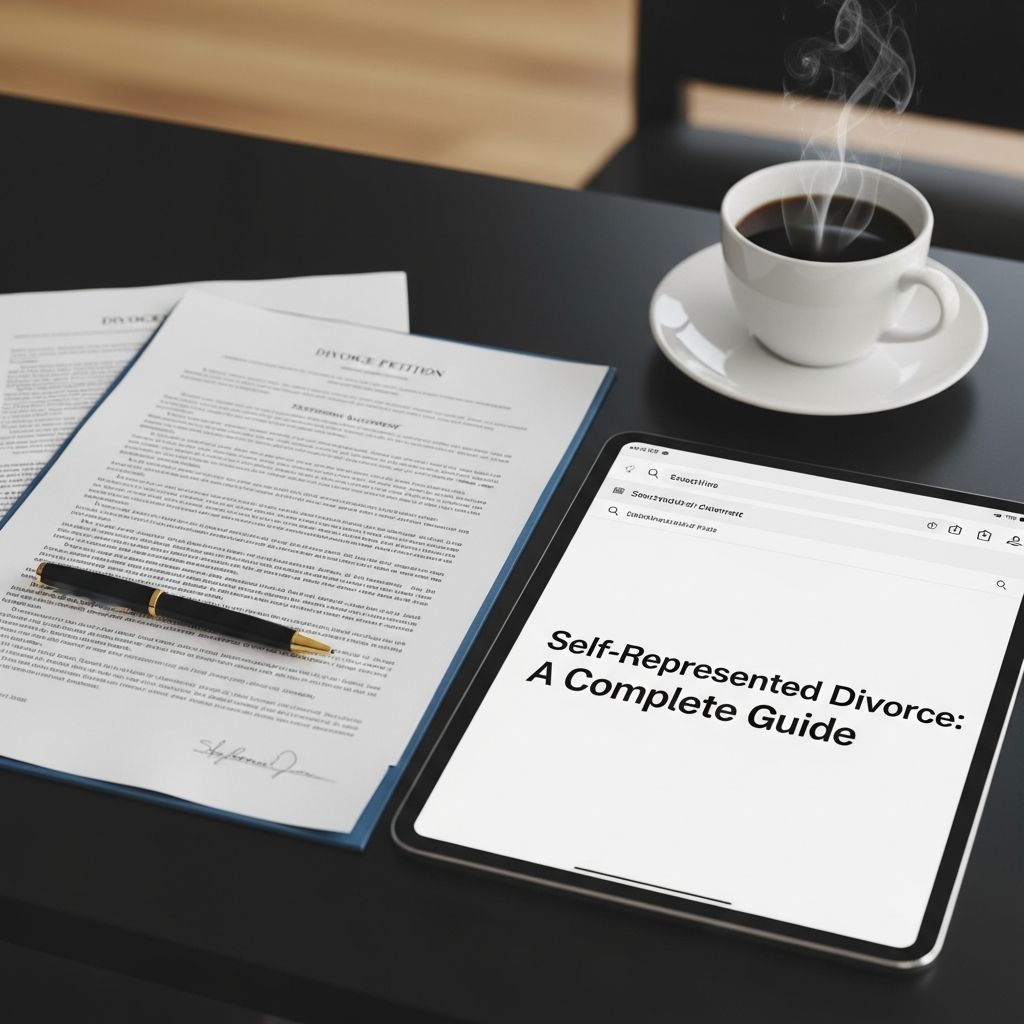
Opting for a self-represented divorce, known as pro se or pro per, allows individuals to handle their marital dissolution without hiring a lawyer. This approach suits simple, amicable separations where spouses agree on key terms, potentially saving significant costs while navigating court requirements independently.
Understanding Self-Representation in Divorce Proceedings
The term “pro se” derives from Latin, meaning “for oneself,” and refers to litigants acting as their own advocates in court. Similarly, “pro per” is used interchangeably, particularly in states like California. In divorce contexts, this means both or one spouse manages all filings, negotiations, and hearings solo.
Courts treat self-represented parties equally to those with attorneys, offering no special procedures or simplified forms exclusively for pro se cases. Self-help centers may provide guidance, but compliance with standard rules remains mandatory. Errors in paperwork or service can lead to delays, dismissals, or additional fees.
Ideal Scenarios for Pursuing a Pro Se Divorce
Self-representation thrives in low-conflict situations. Key indicators include:
- Uncontested divorces: Spouses agree on property division, debts, support, and custody beforehand, submitting a settlement agreement for judicial approval.
- Short-term marriages: No children, minimal assets/debts, and no alimony requests qualify for streamlined processes in many states.
- Simplified divorce options: States like Florida or Nevada offer summary dissolutions for qualifying couples, minimizing court involvement.
Success hinges on mutual cooperation. Tools like mediation can facilitate agreements, resulting in a binding marital settlement incorporated into the final decree if deemed fair.
Challenges and Risks of Going Pro Se
While cost-effective, self-representation demands time, research, and emotional control. Disadvantages include:
- Uneven footing: If one spouse retains counsel, the pro se party faces strategic disadvantages, as opposing attorneys prioritize their client’s interests.
- Complexity escalation: Initially amicable cases can turn contentious over assets, custody, or support, overwhelming unprepared litigants.
- Procedural pitfalls: Incorrect filings or service may halt proceedings; emotional responses in court can harm outcomes.
- Knowledge gaps: Navigating laws on equitable distribution, child best interests, or tax implications requires expertise.
Courts may offer leniency in form interpretation but expect adherence to deadlines and evidence rules.
Step-by-Step Process for a Pro Se Divorce
General steps vary by jurisdiction but follow this framework:
- Verify residency and grounds: Meet state waiting periods (e.g., 6 months in California) and cite no-fault grounds like irreconcilable differences.
- Prepare petition: File a complaint detailing marriage details, children, assets, and requested terms.
- Serve spouse: Deliver papers via sheriff, process server, or certified mail, allowing response time (20-30 days typically).
- Negotiate agreement: Draft a comprehensive settlement covering all issues.
- Submit for review: Lodge agreement and financial disclosures; attend hearings if required.
- Finalize: Obtain decree after waiting period; update records (names, titles).
State courts provide free forms and instructions, such as California’s self-help site or Wisconsin’s packets.
State-Specific Considerations and Variations
| State | Key Features | Waiting Period | Simplified Option |
|---|---|---|---|
| California | Pro per common; no-fault only | 6 months | Summary dissolution for short marriages |
| Wisconsin | Pro se guides available | 120 days | Basic divorce packet |
| Florida | Simplified dissolution | 20 days | Yes, no kids/property disputes |
| Nevada | Quick process | 6 weeks residency | Joint petition option |
Always consult local court websites for current rules, as residency, fees ($200-$500), and children alter processes.
Essential Documents and Court Filings
Core paperwork includes:
- Petition for dissolution
- Summons and family law forms
- Financial affidavits
- Marital settlement agreement
- Child support worksheets (if applicable)
- Proposed judgment
Accuracy prevents rejections. E-filing options exist in many courts.
Financial and Tax Implications to Consider
DIY filers must address asset valuation, debt allocation, and support calculations. Equitable division doesn’t mean equal; courts prioritize fairness. Post-divorce, update beneficiaries, taxes (alimony deductibility ended 2019), and credits.
Custody and Support in Pro Se Cases
Courts prioritize children’s best interests. Agreements must detail parenting plans, visitation, and support per state guidelines. Mediation aids consensus; contested matters demand evidence like parenting journals.
Tips for Pro Se Success
- Research thoroughly using court self-help resources.
- Maintain calm, factual communication.
- Document everything.
- Seek free clinics or limited-scope representation for reviews.
- Know when to hire counsel if disputes arise.
Alternatives to Full Pro Se Representation
Hybrid options include:
- Limited-scope services: Attorney drafts documents or coaches hearings.
- Mediation: Neutral facilitates agreement.
- Collaborative law: Teams negotiate out-of-court.
These balance cost and expertise.
Frequently Asked Questions
Can anyone file a pro se divorce?
Yes, all states permit self-representation, but success depends on case simplicity and preparation.
Is pro se cheaper than hiring a lawyer?
Typically yes, avoiding $10K+ fees, but factor time and potential errors.
What if my spouse hires an attorney?
Not recommended; seek counsel to match expertise.
How long does a pro se divorce take?
1-6 months for uncontested; longer if issues arise.
Are there pro se-specific forms?
No, standard forms apply; self-help aids available.
This guide empowers informed decisions. For complex cases, professional advice is crucial.
References
- What Is Pro Se Divorce? — Nolo (DivorceNet). Accessed 2026. https://www.divorcenet.com/resources/pro-se-divorce.html
- Going It Alone: Pursuing a Pro Se Divorce — LegalZoom. Accessed 2026. https://www.legalzoom.com/articles/going-it-alone-pursuing-a-pro-se-divorce
- What Is Pro Se Divorce? — Twyford Law Office. Accessed 2026. https://www.twyfordlaw.com/blog/what-is-pro-se-divorce/
- What is a Pro Se Divorce? — Blasser Law. Accessed 2026. https://www.blasserlaw.com/what-is-a-pro-se-divorce/
- Pro Se: A Closer Look At DIY Divorce — Goldberg Jones San Diego. Accessed 2026. https://www.goldbergjones-sandiego.com/divorce/pro-se-diy-divorce/
- Basic Guide to Divorce/Legal Separation — Wisconsin Court System. 2023. https://www.wicourts.gov/formdisplay/FA-4100V_instructions.pdf?formNumber=FA-4100V&formType=Instructions&formatId=2&language=en
- Divorce in California — California Courts Self Help Guide. Accessed 2026. https://selfhelp.courts.ca.gov/divorce-california
Similar Articles








Read full bio of Sneha Tete


