
The Silent Crisis: Reproductive Injustice Behind Bars
Reproductive healthcare crisis within the US carceral system.
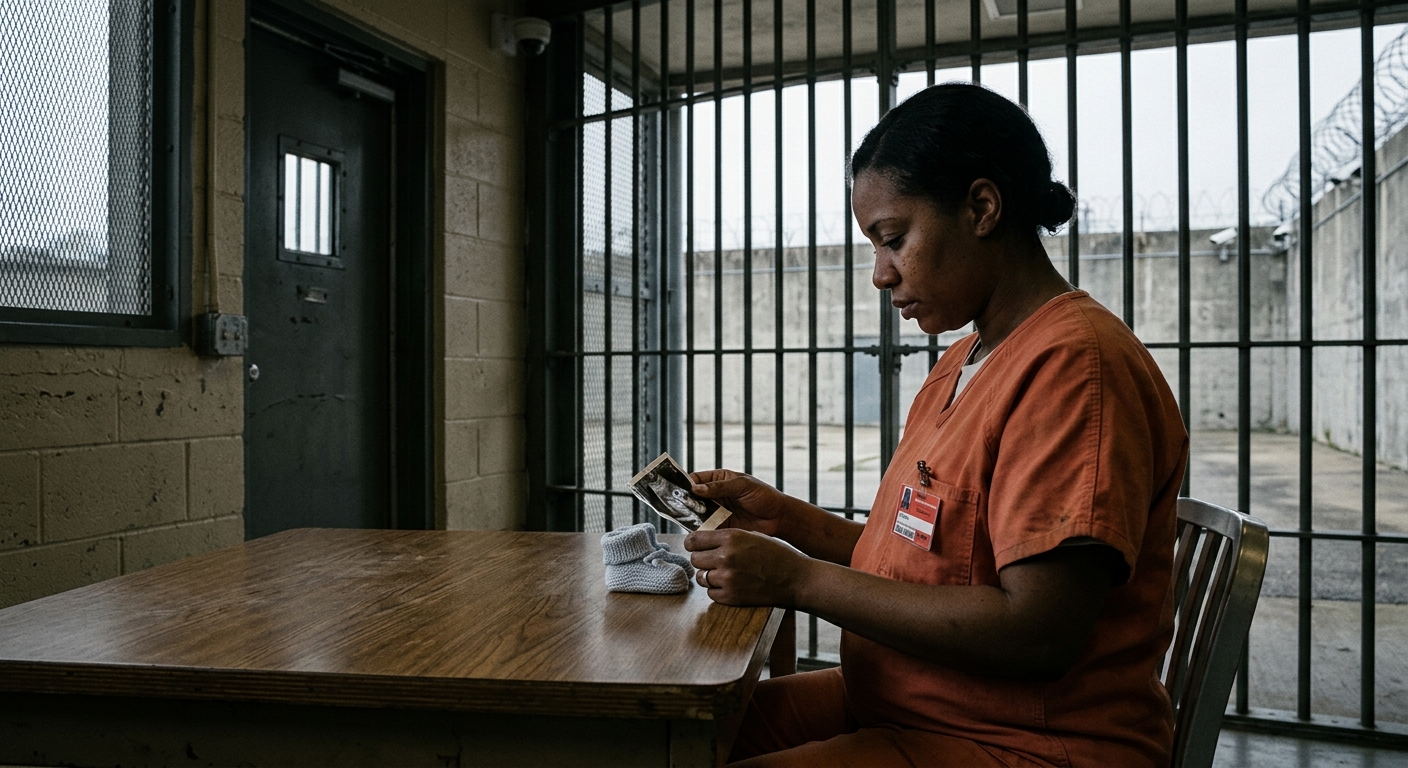
The United States holds a grim record on the global stage, incarcerating more women and individuals of marginalized genders than any other country in the world. The majority of this demographic falls squarely within their prime reproductive years. While public discourse surrounding reproductive rights frequently centers on legislative battles and clinic access in the free world, a silent, pervasive crisis is unfolding behind the walls of American prisons and jails. For incarcerated individuals, the concept of bodily autonomy is systematically dismantled. The carceral system, by its very design, assumes total control over the physical bodies of those it holds, dictating when they eat, sleep, and move. However, this absolute control rarely translates into comprehensive or compassionate medical care.
Reproductive justice—the human right to maintain personal bodily autonomy, have children, not have children, and parent the children we have in safe and sustainable communities—is practically nonexistent within the carceral state. Once an individual is booked into a facility, their reproductive health is frequently reduced to a logistical burden rather than recognized as a fundamental human right. From the denial of basic menstrual products and substandard prenatal care to the inhumane practice of shackling during childbirth and insurmountable barriers to abortion, incarcerated people face a unique and harrowing landscape of medical neglect. This article explores the multifaceted reproductive healthcare crisis within the U.S. prison system, shedding light on the policies, practices, and systemic failures that continue to endanger the lives and dignity of incarcerated individuals.
The Stripping of Bodily Autonomy
When a person enters the criminal justice system, they do not legally forfeit their constitutional right to adequate healthcare. Yet, the reality inside county jails, state prisons, and federal detention centers tells a vastly different story. The transition from an independent citizen to a ward of the state involves a profound loss of agency, particularly concerning intimate medical decisions. Incarcerated individuals are entirely reliant on correctional staff and contracted medical providers for every aspect of their health. This power dynamic creates an environment ripe for medical neglect and abuse.
Furthermore, the demographics of the incarcerated population highlight a glaring intersection of racial and economic injustice. Black, Hispanic, and Indigenous women are disproportionately incarcerated compared to their white counterparts, meaning that the failures of the prison healthcare system disproportionately impact communities of color. The global prison population is expanding, with women representing a growing proportion of individuals under 45, necessitating immediate attention to their reproductive healthcare needs. These individuals often enter the system already burdened by health disparities rooted in systemic poverty and lack of access to community healthcare. Instead of serving as a rehabilitative environment or a safety net, the carceral system frequently exacerbates these pre-existing conditions. Routine gynecological care, preventative screenings for cervical or breast cancer, and adequate management of sexually transmitted infections are routinely delayed or outright denied. The bureaucratic hurdles required just to see a nurse or doctor can take weeks, and even when an appointment is secured, patients often face skepticism and dismissal of their symptoms by correctional medical staff.
Pregnancy and Prenatal Care: A Neglected Standard
An estimated tens of thousands of pregnant individuals pass through the doors of U.S. jails and prisons every year. Despite these numbers, there is no universally enforced federal standard for prenatal and postnatal care within correctional facilities. Consequently, the quality of care a pregnant person receives is entirely dependent on the specific facility in which they are housed, leading to a dangerous patchwork of policies.
In many facilities, pregnant individuals are not provided with necessary dietary accommodations, such as prenatal vitamins, extra caloric intake, or fresh produce, which are critical for fetal development. The physical environment of a prison is inherently hostile to a healthy pregnancy. Pregnant people are frequently assigned to top bunks, forcing them to navigate hazardous climbs that increase the risk of falls and placental abruption. Furthermore, complaints of bleeding, severe cramping, or decreased fetal movement are often ignored by guards who lack medical training but serve as the gatekeepers to the infirmary.
The trauma extends far beyond the duration of the pregnancy. Following childbirth, the vast majority of state policies mandate that the infant be separated from the incarcerated parent within 24 to 48 hours. This abrupt and forced separation interrupts crucial bonding time, halts breastfeeding, and inflicts profound psychological trauma on the parent. Postpartum care is equally abysmal, with many individuals returning to their cells mere days after major abdominal surgery without adequate pain management, sanitary supplies, or mental health support to cope with the sudden loss of their newborn.
The Inhumane Practice of Restraining Pregnant Individuals
Perhaps one of the most visceral and widely condemned violations of reproductive rights behind bars is the practice of shackling pregnant people. Physical restraints utilized by correctional facilities typically include handcuffs, heavy metal leg irons, and belly chains that wrap around an individual’s pregnant abdomen. Despite widespread denunciation from major medical organizations—including the American Medical Association and the American College of Obstetricians and Gynecologists—the practice remains alarmingly prevalent.
The medical dangers associated with restraining a pregnant person are severe. Shackling alters a person’s center of gravity, significantly increasing the risk of catastrophic falls. During labor and delivery, restraints physically impede the patient’s ability to shift positions to manage pain or facilitate the descent of the baby. In the event of an obstetric emergency, such as a hemorrhage or fetal distress, the seconds required for a guard to unlock restraints can mean the difference between life and death. As officially noted in legislative findings, such as those by the Louisiana State Legislature, restraining a pregnant woman poses undue health risks to both the woman and the fetus, making freedom from restraints especially critical during labor, delivery, and postpartum recovery.
While numerous states have passed legislation aimed at banning or restricting the use of restraints on pregnant individuals, implementation and enforcement remain deeply flawed. Despite the extremely reduced risk of assault and escape, pregnant people continue to be shackled, an act definitively identified as medically dangerous and a human rights violation. Many of these anti-shackling laws contain broad security loopholes. These exceptions allow correctional officers to use their own discretion to determine if a patient poses a flight or safety risk. Because the overriding culture of corrections prioritizes security above all else, these loopholes are frequently exploited, and pregnant people continue to give birth while chained to hospital beds.
Systemic Barriers to Abortion Access
For an incarcerated person facing an unintended or unviable pregnancy, the right to access an abortion is frequently an illusion. While individuals historically retained a constitutional right to abortion while incarcerated, the logistical, financial, and bureaucratic barriers placed in their way are often insurmountable. The availability of abortion care is heavily dictated by the geographic location of the facility, creating a system where reproductive destiny is determined by zip code and cell block.
Even in states where abortion remains legal, correctional policies often functionally ban the procedure. Research highlights that many prisons and jails require incarcerated individuals to self-pay for the abortion procedure. Given that incarcerated workers often earn mere pennies an hour, saving hundreds or thousands of dollars for the procedure is impossible. Furthermore, individuals are frequently forced to pay for the cost of their own transportation to a clinic and the hourly wages of the guards assigned to escort them.
When individuals do manage to secure the funds, they face deliberate delays by prison staff. Medical requests can take weeks to process, pushing the pregnancy further along until it exceeds the gestational limits set by state law or clinic policies. Following the overturning of federal abortion protections, the landscape has become even more dire. Incarcerated individuals in states with total abortion bans are completely trapped, unable to travel across state lines to access care, thereby forcing them to carry pregnancies to term against their will in a physically and emotionally hostile environment.
Menstrual Equity and Routine Gynecological Care
The deprivation of bodily autonomy extends to the most fundamental aspects of female biology: menstruation. Menstrual equity is a glaring issue within the carceral system, where basic hygiene products like pads and tampons are frequently treated as luxury items or tools of behavioral control rather than essential medical supplies.
In many facilities, individuals are provided with an insufficient monthly allowance of low-quality pads. When those run out, they are forced to purchase more from the prison commissary at highly inflated prices. Those who cannot afford commissary items are forced to demean themselves by begging guards for additional supplies, which are often withheld as a form of punishment or power assertion. This scarcity forces individuals to resort to unsanitary alternatives, such as using toilet paper, socks, or ripped clothing to manage their periods. These practices significantly increase the risk of severe bacterial infections, including toxic shock syndrome and severe pelvic inflammatory disease.
Beyond menstrual products, routine gynecological care is severely lacking. Preventative care, including Pap smears, mammograms, and routine pelvic exams, are rarely prioritized. This neglect results in delayed diagnoses of cervical and breast cancers, turning highly treatable conditions into fatal ones simply because the patient is incarcerated.
Moving Forward: Advocating for Dignity and Justice
Addressing the reproductive healthcare crisis within the U.S. carceral system requires a radical shift in both policy and perspective. The current framework, which prioritizes punitive control over human health, is fundamentally incompatible with human rights. Meaningful reform must start with the establishment and strict enforcement of federal minimum standards for healthcare in all prisons, jails, and detention centers.
First and foremost, the practice of shackling pregnant and postpartum individuals must be categorically abolished across all levels of government, with all security loopholes closed and strict penalties enforced for staff who violate the ban. Facilities must be mandated to provide comprehensive, free, and timely access to all reproductive healthcare services, including prenatal care, abortion access, and menstrual products.
However, reforming the internal systems is only a partial solution. True reproductive justice requires an intersectional approach that addresses the root causes of mass incarceration. Advocates and public health experts argue that the most effective way to protect the reproductive rights of marginalized individuals is through decarceration. For pregnant people, especially those held on non-violent charges or in pretrial detention simply because they cannot afford bail, community-based alternatives to incarceration must be prioritized. Health and dignity cannot truly flourish inside a cage; therefore, minimizing the number of people subjected to the carceral system is the ultimate step toward achieving reproductive equity.
Frequently Asked Questions (FAQs)
Do incarcerated people have a constitutional right to reproductive healthcare?
Yes. Under the Eighth Amendment, which protects against cruel and unusual punishment, incarcerated individuals are entitled to adequate medical care. However, the interpretation and enforcement of adequate care vary wildly, leading to systemic medical neglect across jurisdictions.
Is shackling during childbirth illegal in the US?
While the federal government and over half of U.S. states have passed laws or adopted policies restricting the use of restraints on pregnant individuals, it is not federally banned across all local jurisdictions. Furthermore, many state laws contain broad security exceptions that allow the practice to continue despite legislative bans.
Can incarcerated individuals access abortion?
Legally, in some states, yes, but practically, it is extremely difficult. Restrictive prison policies, the requirement to self-pay for the procedure and transport, and deliberate bureaucratic delays often make abortion inaccessible, particularly in states with strict geographical bans.
Why is menstrual equity a problem in prisons?
Correctional facilities frequently ration basic hygiene products like pads and tampons, providing insufficient amounts to incarcerated people. This scarcity forces individuals to purchase marked-up products from the commissary or resort to unsafe alternatives, increasing the risk of severe bacterial infections and stripping them of fundamental dignity.
References
- Reproductive health needs of incarcerated women in developed countries: a mixed-method systematic review — PMC / National Institutes of Health. 2024-03-24. https://www.ncbi.nlm.nih.gov/pmc/articles/PMC10960538/
- Louisiana Laws RS 15:744.1 — Louisiana State Legislature. 2023-01-01. https://legis.la.gov/legis/Law.aspx?d=814674
- Abortion Access for Incarcerated People: Incidence of Abortion and Policies at U.S. Prisons and Jails — Guttmacher Institute. 2021-08-05. https://www.guttmacher.org/article/2021/08/abortion-access-incarcerated-people-incidence-abortion-and-policies-us-prisons-and-jails
- Shackling and pregnancy care policies in US prisons and jails — PMC / National Institutes of Health. 2022-11-13. https://www.ncbi.nlm.nih.gov/pmc/articles/PMC9657444/
Similar Articles








Read full bio of medha deb


