
Reimagining Foster Care: The Journey to Family Reunification
Exploring how collaborative foster care models empower family reunification.
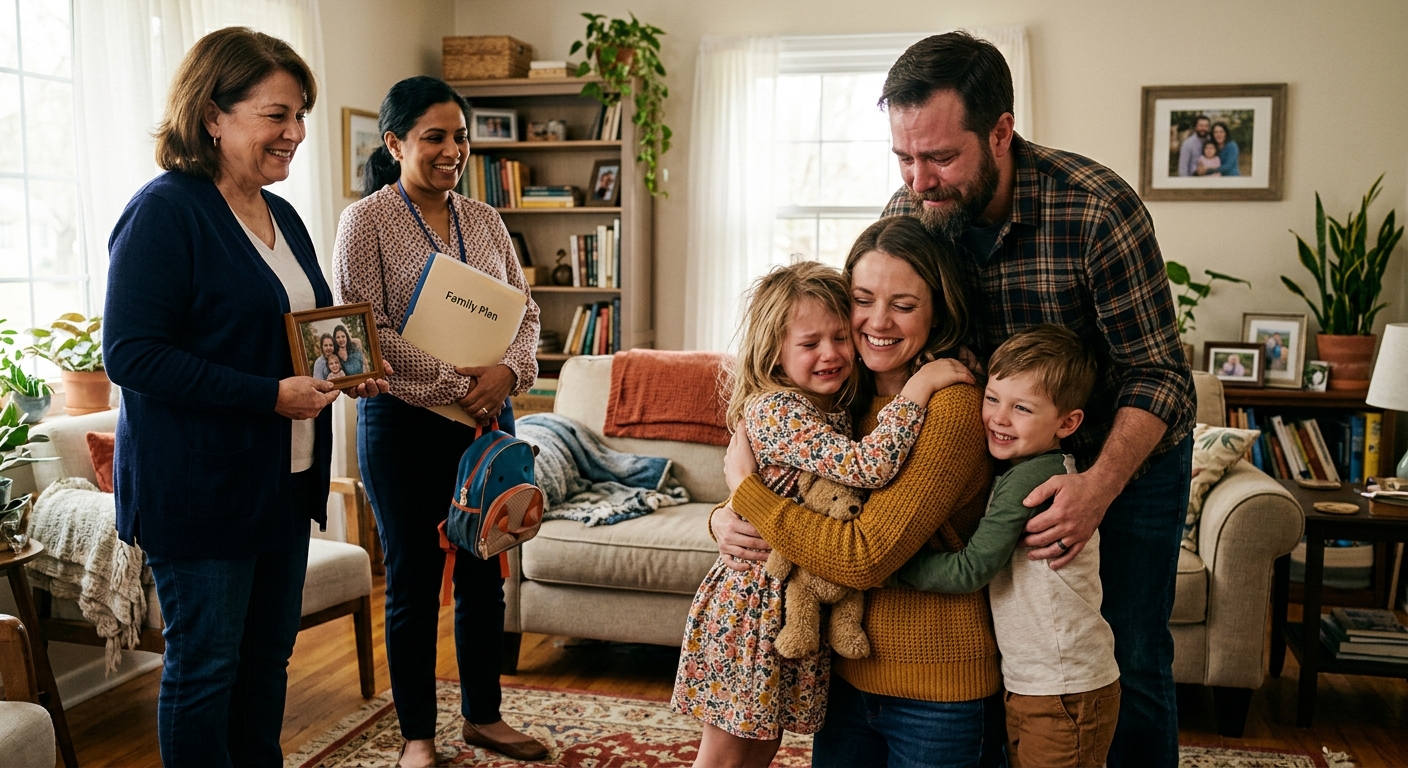
Transforming Foster Care: The Journey to Family Reunification
When discussing the child welfare system, public perception often leans heavily toward adoption or permanent displacement. However, the foundational premise of most temporary care arrangements is fundamentally restorative, not punitive. The primary objective is to stabilize the home environment so that children can safely return to their families of origin. Transforming this period of separation from a traumatic hurdle into an empowering bridge requires a profound shift in how social services, legal systems, and communities view biological parents. It requires moving away from an adversarial mindset and embracing collaborative frameworks where temporary caregivers act as partners rather than replacements. In recent decades, systemic reforms have aimed to redefine the narrative surrounding child welfare, moving away from a punitive approach that alienates biological parents, and moving toward a restorative model that actively involves them in the healing process. This shift acknowledges that the vast majority of parents deeply love their children and, with the right resources, can overcome the hurdles that led to family separation. This comprehensive analysis explores the nuanced journey of reclaiming a child, the systemic barriers families face, and the transformative power of co-parenting models in modern child welfare.
Understanding the Core Goal: Family Reunification
The child welfare system is intrinsically designed with family preservation as its ultimate benchmark of success. Federal and state legislations consistently emphasize that whenever safe and feasible, returning a child to their biological parents is the preferred outcome. The separation of a child from their home is inherently traumatic, regardless of the circumstances that led to the intervention. Consequently, agencies work to make this period as brief as possible, provided the underlying safety concerns are adequately addressed through targeted interventions.
Data highlights the prominence of this goal. According to the Administration for Children and Families at the U.S. Department of Health and Human Services, reunification consistently accounts for over half of all exits from the foster system . Furthermore, of the children who are successfully reunited with their caregivers, approximately 58.4 percent achieve this milestone within 12 months of entry . These statistics underscore a vital reality: temporary care is largely a transitional phase meant to facilitate healing and structural support for the family unit, rather than a permanent severance of biological ties.
However, the path to achieving this outcome is fraught with complexities. It requires biological parents to navigate rigorous case plans, court mandates, and social service evaluations, often while battling systemic disadvantages. Recognizing the sheer scale of reunifications helps reframe the narrative around child welfare, shifting the focus toward resource allocation, parental support, and therapeutic interventions that make going home a sustainable reality.
The Shift Toward Collaborative Co-Parenting in Child Welfare
Historically, the relationship between biological parents and temporary caregivers has been fraught with tension, suspicion, and structurally imposed distance. Traditional models often inadvertently positioned the two parties as adversaries. Birth parents, already grappling with the grief and stigma of child removal, frequently felt judged and isolated by the very system designed to help them. Meanwhile, caregivers were sometimes instructed to maintain strict boundaries, treating their role as an entirely separate, insulated unit of care.
Today, leading child welfare advocates champion a paradigm shift: the collaborative co-parenting model . This approach fundamentally reimagines the dynamic by encouraging open communication, mutual respect, and shared responsibilities between the birth family and the temporary caregivers. Instead of operating in silos, both parties work in tandem, recognizing that they share a common goal: the well-being and eventual safe return of the child.
In a collaborative model, temporary caregivers serve as mentors, allies, and a critical support system for birth parents. They might facilitate regular phone calls, share updates on the child’s daily routines, invite birth parents to medical appointments, or participate together in school events. This transparency not only demystifies the caregiving period for the birth parents but also reassures the child that their family is still actively involved in their life. By dismantling the invisible walls between the two households, the system fosters a sense of continuity that significantly reduces the trauma of displacement.
The Emotional Landscape of Temporary Separation
The removal of a child triggers an intense emotional crisis for everyone involved. For biological parents, the experience is often characterized by a profound sense of loss, guilt, and powerlessness. The stigma associated with child welfare involvement can lead to severe isolation, making it difficult for parents to seek the help they desperately need. They are thrust into a labyrinthine legal and social service system, tasked with completing comprehensive action plans while managing the emotional toll of separation.
Children experience their own unique landscape of grief. Even when a home environment has been unstable, the biological bond is fiercely strong. Displacement can lead to feelings of abandonment, confusion, and anxiety. They are suddenly expected to adapt to new routines, rules, and faces, all while worrying about the parents they left behind.
Bridging this emotional divide requires immense empathy and trauma-informed care. Trust is not built overnight; it is forged through consistent, non-judgmental interactions. When temporary caregivers validate the child’s feelings for their birth family and speak positively about the biological parents, it provides emotional permission for the child to heal without feeling divided loyalties. For the parents, experiencing empathy from the people currently housing their child can be a powerful catalyst for motivation and rehabilitation. It shifts the narrative from internal failure to collaborative success.
Navigating the Steps Toward Successful Reunification
The journey to reclaiming a child is highly structured and heavily monitored. It begins with the development of a comprehensive case plan, collaboratively established by caseworkers, legal representatives, and the birth parents . This plan outlines the specific, measurable steps the parents must take to demonstrate that the home environment is safe and stable for the child’s return.
Typically, these action plans address the root causes of the initial separation. These causes are often complex and intertwined with systemic issues such as deep poverty, lack of affordable housing, untreated mental health conditions, or substance use disorders. Fulfilling the case plan may require several targeted efforts:
- Substance Abuse Treatment and Mental Health Counseling: Engaging in consistent therapy or rehabilitation programs and providing regular drug screenings if mandated by the court.
- Parenting Education: Attending workshops or classes designed to teach healthy disciplinary strategies, child development milestones, and effective communication skills.
- Securing Stable Housing and Employment: Demonstrating the financial and logistical capacity to provide a safe, consistent physical environment for the child.
- Supervised and Unsupervised Visitation: Gradually increasing the frequency and duration of family visits to rebuild bonds and practice new parenting skills in real-time scenarios.
Navigating this checklist is essentially a full-time endeavor, complicated by the fact that many parents lack access to reliable transportation, child care for other dependents, or flexible employment. The success of these action plans heavily depends on the availability and accessibility of community resources. When caseworkers and temporary caregivers actively assist parents in navigating these logistical hurdles, the likelihood of a successful, timely reunification increases exponentially.
Preventing Reentry: The Importance of Post-Reunification Support
While achieving reunification is a monumental victory, the work does not stop the moment the child returns home. The transition period is exceptionally delicate. Families must adjust to living together again, integrating new routines, and managing the lingering trauma of their separation. Without adequate support, the risk of the child reentering the system remains a significant concern.
Research indicates that a notable percentage of reunified children eventually reenter temporary care. Studies analyzing state child welfare data have shown that roughly 16 to 20 percent of children reenter the system within five years of their initial reunification . This troubling statistic highlights a critical gap in the current framework: the premature withdrawal of support services. Often, once a case is legally closed, families are left to navigate the complexities of their reunited household entirely on their own, leaving them vulnerable to old stressors.
To combat this, child welfare experts vigorously advocate for robust post-reunification services. These might include continued in-home family therapy, temporary financial assistance, subsidized child care, and ongoing substance use support groups. Furthermore, the relationships built during the collaborative co-parenting phase can serve as a vital safety net. When biological parents maintain a positive, informal relationship with the former caregivers, they have a trusted confidant to turn to during moments of overwhelming stress, significantly reducing the likelihood of relapse into previous unsafe behaviors.
Comparing Child Welfare Models
To fully grasp the evolution of child welfare practices, it is essential to examine how traditional models contrast with the modern collaborative approach.
| Aspect of Care | Traditional Model | Collaborative / Co-Parenting Model |
|---|---|---|
| Communication | Strictly routed through social workers; minimal direct contact between families. | Direct, frequent, and actively encouraged communication between all parties. |
| Role of Caregiver | Viewed as a temporary replacement or substitute parent. | Viewed as a mentor, ally, and extended family support system. |
| Child’s Perspective | Often experiences divided loyalties and confusion about family roles. | Sees a united front, reducing anxiety and validating their biological bonds. |
| Post-Reunification | Complete severance of ties once the child safely returns home. | Ongoing informal support and relationship maintenance if desired by the family. |
The Long-Term Impact on Child Well-Being
The ultimate measure of any child welfare intervention is its impact on the long-term well-being of the youth it serves. Maintaining family bonds, whenever safe, has profound psychological benefits. It preserves the child’s cultural identity, familial history, and sense of belonging within their community. Children who are successfully and safely reunified with their families typically exhibit fewer long-term behavioral and emotional challenges compared to those who age out of the system without a permanent legal family.
By fostering an environment where biological parents are empowered rather than punished, and where temporary caregivers are celebrated as bridge-builders rather than permanent replacements, the system can begin to heal the deep wounds of generational trauma. It takes a comprehensive village not just to raise a child, but to support the parents who love them, ensuring that families have whatever resources it takes to stay safely together.
Frequently Asked Questions (FAQs)
What does family reunification mean in the context of child welfare?
Family reunification refers to the process of returning a child, who was temporarily placed in out-of-home care, back to the custody and care of their biological parents or original guardians. It is the primary and preferred permanency goal of the child welfare system, contingent upon the successful resolution of the safety issues that initially led to the child’s removal.
How long does the reunification process typically take?
The timeline varies wildly depending on the specific circumstances of the case, the requirements of the court-mandated case plan, and the availability of community resources. However, federal data shows that of the children who are reunified, over half achieve this outcome within 12 months of entering the system . Federal laws typically require agencies to finalize a permanency plan within 12 to 15 months to ensure the child does not languish in temporary care.
How can temporary caregivers support birth parents during this time?
Caregivers can support birth parents by practicing empathetic, non-judgmental communication. They can share positive updates, photos, and milestones, invite parents to participate in medical and educational appointments, and speak positively about the birth family to the child. This collaborative approach builds trust, eases the child’s transition, and helps the birth parents feel motivated rather than isolated by the process.
How can communities better support families undergoing reunification?
Communities play a pivotal role in ensuring the long-term success of reunified families. Grassroots organizations, local religious institutions, and neighborhood support networks can offer tangible assistance such as food pantries, donated clothing, and affordable childcare. Moreover, destigmatizing the foster care experience within the community allows birth parents to ask for help without fear of judgment. Ultimately, when a community wraps its collective arms around a family in transition, the overarching system becomes much more effective, and the risk of foster care reentry plummets significantly.
Why do some children reenter the system after going home?
Reentry usually occurs when the underlying issues that caused the initial removal—such as substance use, severe poverty, or untreated mental health conditions—resurface or were not adequately resolved during the separation period. A lack of robust, long-term post-reunification support services is a significant contributing factor to system reentry , underscoring the need for continued community investment even after a case is legally closed.
References
- Child Welfare Outcomes Report Data: Outcome 4.1: Time to Reunification — Administration for Children & Families, U.S. Department of Health & Human Services. 2024. https://cwoutcomes.acf.hhs.gov/cwodatasite/
- Reunification From Foster Care: A Guide for Parents — Child Welfare Information Gateway, U.S. Department of Health & Human Services. 2024-03-25. https://www.childwelfare.gov/resources/reunification-foster-care-guide-parents/
- When Home is Still Unsafe: From Family Reunification to Foster Care Reentry — Brook, J., & McDonald, T. / National Institutes of Health (PMC). 2017. https://www.ncbi.nlm.nih.gov/pmc/articles/PMC5729906/
Similar Articles








Read full bio of Sneha Tete


