
The Enduring Impact of Political Advocacy on LGBTQ+ Youth
How public support from lawmakers transforms the lives of marginalized youth.
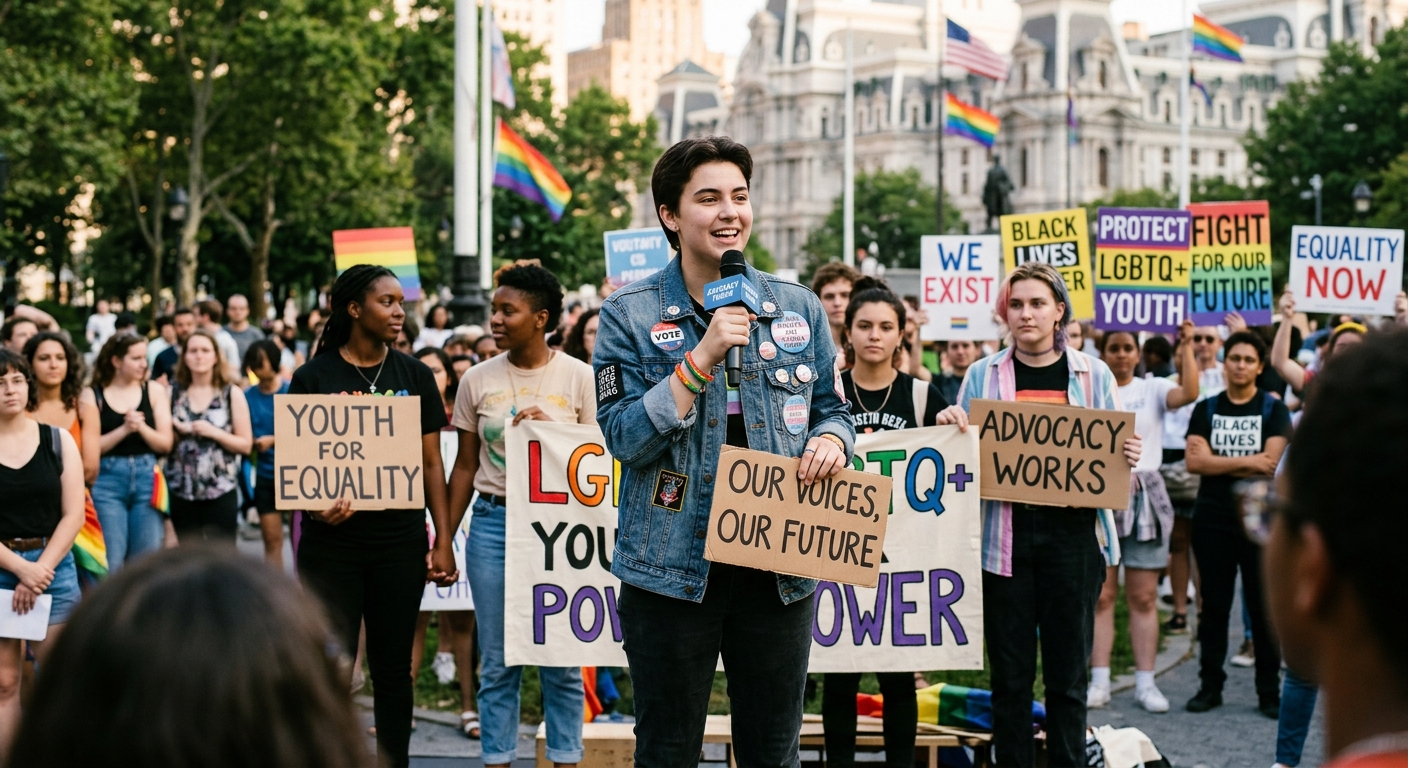
From Capitol Hill to the Classroom: A Promise of Hope
The transition from adolescence to adulthood is fundamentally complex, but for LGBTQ+ youth, this developmental period is often disproportionately difficult due to societal stigma, systemic discrimination, and localized bullying. When high-profile political figures, such as United States Senators and federal policymakers, actively step up to offer their voices in support, it represents a monumental shift in societal attitudes and civil rights advocacy. The intersection of public policy, human rights, and deep empathy was vividly illustrated when federal lawmakers joined the global movement to assure marginalized teenagers that their futures hold promise. This powerful initiative proved that advocacy extends far beyond the sterile environment of the courtroom or the Senate floorit reaches directly into the hearts and minds of those who feel isolated.
By publicly declaring that the future is bright, lawmakers not only offer vital emotional support but also signal a steadfast commitment to shaping a safer, more equitable legal landscape. The profound impact of these resonant messages reverberates through communities, emphasizing that the unique struggles faced by LGBTQ+ youth are recognized, validated, and actively addressed at the highest echelons of government. Advocacy is not just about changing laws; it is fundamentally about changing cultural norms to protect the most vulnerable.
The Power of Representation and Public Advocacy
Visibility has always been a cornerstone of civil rights progress. Historically, political figures often avoided topics related to sexual orientation and gender identity, fearing public backlash or the alienation of specific voter bases. However, the paradigm has shifted dramatically over recent decades. When prominent national leaders dedicate their platforms to directly addressing LGBTQ+ adolescents, they validate the lived experiences of a highly vulnerable demographic. Grassroots campaigns designed to combat youth suicide demonstrated a simple yet revolutionary premise: adults from all walks of life sharing their personal stories of overcoming adolescent hardship to assure teenagers that life improves significantly after the turbulent years of high school.
The participation of federal legislators elevated this concept from a viral social media trend to a recognized national imperative. For a young person facing relentless bullying at school or enduring familial rejection at home, hearing a seated member of Congress offer genuine encouragement can serve as a life-saving intervention. These public declarations help dismantle the pervasive narrative of isolation that prejudice so often creates. Furthermore, this elevated level of representation bridges the profound gap between marginalized citizens and the government that is sworn to serve them. It demonstrates an evolving political landscape where human rights are firmly recognized not merely as partisan talking points, but as fundamental matters of human dignity and public health.
Mental Health and Minoritized Youth: A Persistent Challenge
Despite significant strides in visibility, media representation, and legal protections over the years, LGBTQ+ youth continue to face disproportionate and severe mental health challenges. The root of these health disparities lies not in sexual orientation or gender identity themselves, but in the external adversity, hostility, and systemic barriers these young people frequently encounter. This phenomenon is often explained through “Minority Stress Theory,” which posits that the chronic, daily stress of navigating a society that marginalizes one’s core identity takes a severe psychological toll on overall well-being.
Public health data consistently highlights the urgency of addressing this crisis. According to the Centers for Disease Control and Prevention (CDC), LGBTQ+ students are at a significantly higher risk for experiencing violence, digital cyberbullying, and depressive symptoms compared to their heterosexual and cisgender peers. Schools, which should ideally function as safe havens for intellectual learning and social development, frequently become sites of harassment. Comprehensive surveys by leading crisis intervention organizations further corroborate these findings, noting that a profound lack of affirming spaces directly correlates with elevated rates of suicidal ideation and self-harm among queer and transgender youth.
These stark realities underscore exactly why political messages of hope must be paired with tangible, heavily funded support systems. The psychological burden of discrimination manifests in various detrimental ways, including chronic school absenteeism, diminished academic performance, and severe anxiety disorders. Addressing these health disparities requires immediate institutional intervention.
Translating Empathy into Legislative Action
While words of encouragement are undoubtedly vital for immediate emotional relief, they must be underpinned by robust, enforceable legal protections to enact lasting, systemic change. The Senators and policymakers who lent their voices to public advocacy campaigns also hold the legislative power to dismantle the very systemic barriers that make life so difficult for LGBTQ+ youth in the first place. Civil liberties organizations have long emphasized that public support from lawmakers must rapidly translate into comprehensive policy reform and legal defense.
Legislative efforts aimed at protecting marginalized students are the most crucial components of this equality equation. Historically, initiatives designed to explicitly prohibit discrimination based on sexual orientation and gender identity in public schools have been highly contested but necessary. These legislative frameworks provide students and their families with concrete legal recourse when faced with hostile, unaccommodating educational environments. Furthermore, anti-bullying laws at both the state and federal levels establish clear, undeniable mandates for school districts to implement preventative measures and respond swiftly to incidents of identity-based harassment.
Advocacy groups work tirelessly in both the courts and legislatures to ensure that the constitutional rights of LGBTQ+ youth are consistently upheld. From defending the First Amendment right of students to form peer support alliances to challenging discriminatory dress codes, censored library materials, and restrictive policies under Title IX, the legal battle for educational equality is ongoing. When elected officials champion these specific causes, they align their legislative priorities with their public messages of support, making equality an actionable reality.
Building Resilient Communities: Strategies for Schools and Families
Creating an environment where adolescents can truly thrive requires the active, daily participation of local communities, educational institutions, and individual families. While federal and state laws provide the necessary structural foundation, the day-to-day enforcement of inclusivity happens in local classrooms, community centers, and living rooms. Schools play a particularly critical role in mitigating the unique risks faced by LGBTQ+ youth.
Implementing inclusive, historically accurate curricula that reflect the diverse history and societal contributions of LGBTQ+ individuals is a proven educational strategy for reducing systemic stigma. Additionally, the establishment of student-led clubs empowers students to build highly supportive peer networks. Research consistently indicates that schools with active, administration-supported student alliances report significantly lower rates of homophobic remarks and increased feelings of holistic safety among all students, regardless of their own identity. Families also serve as the absolute primary buffer against societal prejudice and external cruelty, acting as the ultimate emotional sanctuary.
Key Protective Factors for LGBTQ+ Youth
To visualize the impact of supportive environments, consider the following structural protective factors that significantly improve the well-being of young people:
- Affirming Home Environments: Open dialogues and active parental education drastically reduce the risk of youth depression. Acceptance at home serves as a vital emotional shield against external discrimination.
- Comprehensive School Policies: The rigorous implementation of zero-tolerance policies for identity-based bullying increases overall student attendance, boosts academic performance, and ensures equitable access to education.
- Peer Support Networks: School-sponsored safe spaces enhance school connectedness, foster leadership skills, and significantly lower instances of substance abuse and social isolation.
- Inclusive Educational Curricula: Teaching diverse history validates marginalized identities, educates peers to reduce implicit biases, and fosters a significantly more empathetic student body.
Why Visible Advocacy Still Matters Today
The political climate surrounding LGBTQ+ rights remains highly dynamic and, at times, fiercely polarized. In recent years, there has been a notable resurgence of legislative attempts at the state level to restrict the rights of transgender and queer youth, targeting everything from essential healthcare access to equal participation in school extracurriculars. In this highly charged context, the foundational message of civic advocacy and unwavering support is as urgent today as it was over a decade ago.
Visible advocacy from high-ranking elected officials serves as a critical, authoritative counter-narrative to discriminatory rhetoric. It reminds vulnerable youth that they possess powerful, deeply committed allies in the highest echelons of government. Furthermore, it galvanizes voters, parents, and community activists to remain vigilant in the defense of civil liberties and human rights. The fight for societal equality is not linear; it requires sustained effort, continuous public education, and the unwavering commitment of both public figures and private citizens. Ultimately, advocating for the vulnerable is a collective societal responsibilitya clear mandate to actively construct a world where every single young person is afforded the inherent dignity, safety, and limitless opportunity they rightfully deserve.
Frequently Asked Questions (FAQs)
What is the primary goal of public advocacy for LGBTQ+ youth?
The primary goal is to communicate to marginalized youth that despite the intense difficulties, bullying, and isolation they might experience during their adolescent years, they have dedicated allies fighting for their rights. It aims to provide hope, highlighting that independence, community, and equal protection under the law are attainable and actively being pursued.
How do legal frameworks protect students from discrimination?
Robust legal protections, including federal guidelines and various state-level anti-bullying laws, explicitly prohibit discrimination and harassment in federally funded educational institutions. These comprehensive laws require schools to actively address, report, and prevent identity-based bullying, giving families legal recourse if an institution fails to protect its student body.
Why is it critical for political leaders to publicly support marginalized groups?
Public support from political leaders validates the experiences of marginalized youth and strongly signals that their civil rights are a top governmental priority. It actively counters discriminatory rhetoric, influences broader public opinion, and drives the specific legislative action necessary to create systemic protections across communities.
References
- Youth Risk Behavior Survey Data Summary & Trends Report Centers for Disease Control and Prevention (CDC). 2023-04-27. https://www.cdc.gov/healthyyouth/data/yrbs/index.htm
- Title IX and Sex Discrimination U.S. Department of Education, Office for Civil Rights. 2024-04-19. https://www2.ed.gov/about/offices/list/ocr/docs/tix_dis.html
- 2024 U.S. National Survey on the Mental Health of LGBTQ+ Young People The Trevor Project. 2024-05-01. https://www.thetrevorproject.org/survey-2024/
- LGBTQ Rights in Schools American Civil Liberties Union (ACLU). 2025-01-15. https://www.aclu.org/know-your-rights/lgbtq-rights
Similar Articles








Read full bio of medha deb


