
A Turning Point for Foster Youth: The Ninth Circuit’s Landmark Civil Rights Ruling in California
A federal appeals court has cleared the path for older foster youth to hold government agencies accountable for systemic failures.
The Unseen Crisis: Transition-Age Youth in the Child Welfare System
For countless adolescents navigating the child welfare system, the transition to adulthood is fraught with peril. Rather than experiencing the typical milestones of growing up, older teenagers in foster care frequently find themselves without stable housing, resorting to temporary fixes like couch-surfing, or experiencing outright homelessness. While legislative frameworks exist to protect these vulnerable individuals, systemic breakdowns often leave the most marginalized youth without a safety net.
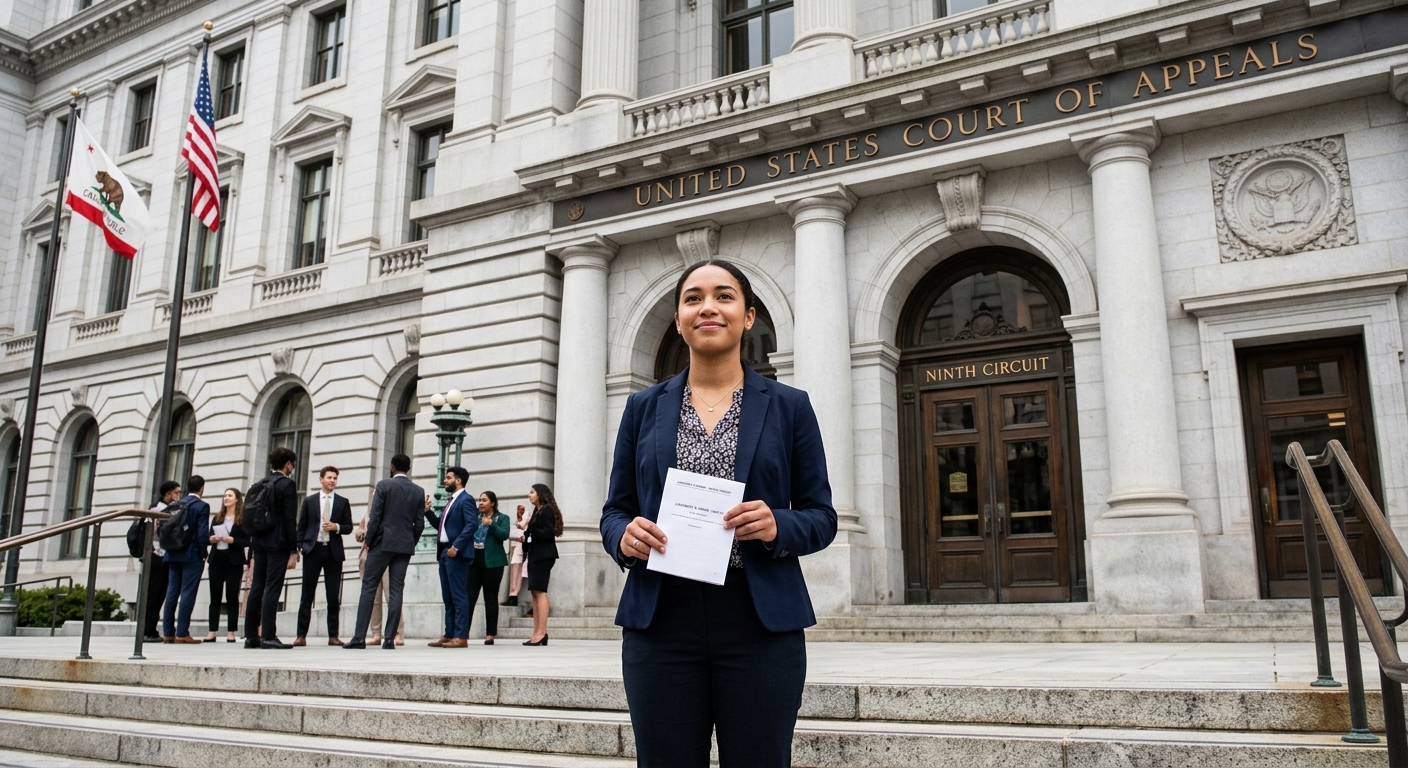
A recent and monumental decision by the U.S. Court of Appeals for the Ninth Circuit has fundamentally shifted the legal landscape for these adolescents. By allowing a sweeping civil rights lawsuit to proceed against Los Angeles County and various California state agencies, the federal court has signaled that government entities cannot evade accountability for their failure to provide adequate care, housing, and mental health services to young adults in their custody. This ruling not only validates the lived experiences of the plaintiffs but also opens the door to desperately needed systemic reforms.
Ocean S. v. Los Angeles County: The Genesis of the Lawsuit
At the center of this legal battle is a case known as Ocean S. v. Los Angeles County. The lawsuit was initiated by a group of seven transition-age foster youth—individuals between the ages of 16 and 21. Unlike standard dependency cases, which focus on individual placement and family reunification, this lawsuit represents a broad, systemic challenge to the mechanisms of the child welfare system itself.
The plaintiffs allege a persistent failure on the part of state and county agencies to meet their fundamental legal and constitutional obligations. Specifically, the youth assert that they were routinely denied access to safe and appropriate housing, deprived of necessary behavioral health interventions, and left without basic transitional support. The consequences of these administrative failures are devastating. According to the complaint, the lack of appropriate services has directly led to severe outcomes for the youth, including prolonged periods of street homelessness, acute psychiatric hospitalizations, and an increased vulnerability to physical and sexual assault.
More significantly, the lawsuit highlights a glaring gap between statutory promises and on-the-ground reality. Years ago, California recognized the vulnerability of teenagers aging out of the system and enacted legislation to extend foster care benefits up to age 21. The rationale was deeply rooted in developmental science and social research: young people do not magically attain total self-sufficiency the moment they turn 18. However, the plaintiffs argue that the existence of extended foster care on paper means little if the actual infrastructure—housing placements, targeted mental health care, and specialized casework—is entirely absent or grossly mismanaged.
The Intersection of Foster Care and Disability Rights
A critical dimension of the Ocean S. litigation is its focus on disability rights. A disproportionate number of youth in the foster care system grapple with mental health conditions, many of which stem from the profound complex trauma of family separation, abuse, or prolonged instability. Under federal civil rights statutes, including the Americans with Disabilities Act (ADA), these young people are entitled to reasonable accommodations and equal access to government services.
The lawsuit alleges that Los Angeles County’s practices are inherently discriminatory. The plaintiffs claim that older youth with documented mental health disabilities are systematically screened out of available housing programs because providers view them as “too difficult” to house. Instead of implementing trauma-informed care or offering reasonable accommodations to help these youth stabilize, agencies allegedly funnel them into a cycle of institutionalization or homelessness.
- Housing Exclusions: Foster youth with behavioral challenges are often blacklisted from transitional housing facilities, leaving them with no viable living arrangements.
- Lack of Accommodations: Agencies frequently fail to provide the individualized therapeutic support required to help disabled youth integrate into community-based settings.
- Systemic Indifference: The institutional failure to track and adequately place disabled youth results in a de facto policy of abandonment.
The Jurisdictional Battle: Federal vs. State Courts
Before the merits of the youth’s claims could even be heard, the lawsuit faced a formidable procedural hurdle. Los Angeles County aggressively sought to have the case dismissed, relying heavily on a legal doctrine known as the Younger abstention. This principle generally dictates that federal courts should refrain from interfering with ongoing state court proceedings.
The County’s legal team argued that because the foster youth already have individual cases open in California’s state juvenile dependency courts, any grievances regarding their care should be handled there. They contended that a federal judge overseeing the county’s child welfare policies would constitute a severe overreach and violate the separation of powers between federal and state jurisdictions .
However, the Ninth Circuit decisively rejected this argument. In its ruling, the appellate panel clarified the distinct roles of state dependency courts and federal civil rights litigation. State juvenile courts are fundamentally designed to oversee the individual placement and immediate well-being of a specific child. They are not equipped, nor are they intended, to adjudicate broad constitutional violations or mandate county-wide systemic reforms.
By affirming the district court’s refusal to dismiss the case, the Ninth Circuit reinforced a vital legal precedent: federal courts remain a crucial venue for protecting the civil rights of vulnerable populations. When an entire public system is allegedly causing widespread harm and violating federal disability laws, the federal judiciary has both the authority and the obligation to intervene.
Examining the Scale of the Issue
To fully grasp the magnitude of this legal decision, one must understand the sheer scale of the child welfare apparatus in question. California oversees the largest foster care population in the United States, with Los Angeles County acting as the epicenter of this sprawling system. Managing the logistics, funding, and oversight for tens of thousands of children is a monumental task, but administrative complexity does not excuse civil rights violations.
| Metric | Context & Impact |
|---|---|
| System Size | Los Angeles County operates one of the largest child welfare agencies globally, managing cases for over 25,000 children and youth annually . |
| Transition-Age Youth | Youth aged 16 to 21 represent a highly vulnerable subset, requiring specialized transitional housing and intensive behavioral health support that is frequently in short supply. |
| Homelessness Pipeline | National statistics indicate that a significant percentage of former foster youth experience homelessness within years of exiting the system, driven by sudden losses of support . |
| Mental Health Disparities | Trauma resulting from maltreatment and family separation heavily correlates with psychiatric disabilities, requiring ADA-compliant accommodations that plaintiffs allege are ignored . |
The data paints a stark picture. While state laws extending foster care to age 21 were celebrated as progressive victories, the practical implementation has lagged severely. Advocates have long warned that maintaining an extended timeline without expanding the physical infrastructure—such as safe beds and specialized clinics—merely delays an inevitable collapse for these young adults.
Implications for California and Beyond
The Ninth Circuit’s refusal to dismiss the Ocean S. litigation is more than just a procedural victory for the seven named plaintiffs; it is a watershed moment for child welfare advocacy nationwide. By clearing the path for the case to proceed to the merits, the court has allowed plaintiffs’ counsel to pursue comprehensive, injunctive relief. This means that if the youth successfully prove their allegations, a federal judge could order sweeping changes to how Los Angeles County and California allocate funding, secure housing, and deliver mental health services.
Furthermore, this ruling sets a robust legal precedent regarding the rights of disabled youth in state custody. It sends a clear message to child welfare agencies across the Ninth Circuit’s jurisdiction—and likely beyond—that relying on state dependency courts to shield systemic administrative failures from federal scrutiny is an unviable legal strategy. Agencies must proactively address discriminatory housing practices and ensure that trauma-responsive care is integrated into their standard operational procedures.
Ultimately, this case underscores the power of impact litigation in driving societal change. The young people at the center of this lawsuit, despite enduring immense personal trauma and systemic neglect, have taken a courageous stand. Their demand for dignity, basic safety, and equal access under the law has the potential to transform a broken system, ensuring that future generations of foster youth do not have to fight the same grueling battles for survival.
Conclusion
The journey to reform a massive, entrenched bureaucracy is undeniably arduous. The legal victory at the Ninth Circuit represents just the beginning of a prolonged process of discovery, trial, and potential settlement. However, the significance of simply reaching the merits cannot be overstated. For decades, systemic deficiencies in child welfare have been obscured by bureaucratic red tape and jurisdictional dodging. Now, the veil is being lifted. As this landmark civil rights case moves forward, it shines a harsh but necessary light on the realities of extended foster care, demanding that society makes good on its promises to its most vulnerable young people.
Frequently Asked Questions (FAQs)
What is the core issue in the Ocean S. v. Los Angeles County lawsuit?
The lawsuit alleges that Los Angeles County and California state agencies have systemically failed to provide safe housing and adequate behavioral health services to transition-age foster youth, particularly those with mental health disabilities, violating their civil rights.
Who are “transition-age” foster youth?
Transition-age youth are typically teenagers and young adults between the ages of 16 and 21. This group is in the critical phase of transitioning from state custody to independent adulthood, a period where specialized support is crucial to prevent homelessness and other adverse outcomes.
Why did the Ninth Circuit Court of Appeals get involved?
L.A. County attempted to dismiss the lawsuit by arguing that federal courts should not interfere with state dependency court matters. The Ninth Circuit ruled against the county, determining that federal courts have a duty to hear civil rights claims involving systemic constitutional and disability law violations.
How does disability discrimination play a role in this case?
Many of the plaintiffs have mental health conditions resulting from trauma. The lawsuit claims that agencies discriminate against these youth by failing to provide reasonable accommodations, effectively screening them out of transitional housing and leaving them without shelter.
What happens now that the case can proceed?
With the motion to dismiss denied, the lawsuit moves to the discovery and trial phases. The plaintiffs will have the opportunity to prove their allegations in federal court and seek broad, court-ordered reforms to the child welfare system’s housing and mental health infrastructure.
References
- LA County asks Ninth Circuit to nix lawsuit by foster care youths — Courthouse News Service. 2025-09-19. https://www.courthousenews.com/la-county-asks-ninth-circuit-to-nix-lawsuit-by-foster-care-youths/
- Foster Care and Adoption Statistics – AFCARS 2025 Update — Administration for Children and Families (ACF), U.S. Department of Health & Human Services. 2025-09-30. https://www.acf.hhs.gov/cb
- Fact Sheets and Reports — Los Angeles County Department of Children and Family Services. 2023-04-01. https://dcfs.lacounty.gov/about/data-and-reports/
- Ocean S. v. County of Los Angeles — Juvenile Law Center. 2025-06-26. https://jlc.org/cases/ocean-s-v-county-los-angeles
Similar Articles








Read full bio of medha deb


