
NC Foster Care Crisis: Lawsuit Over Disabled Youth
Federal lawsuit challenges NC's warehousing of disabled youth.
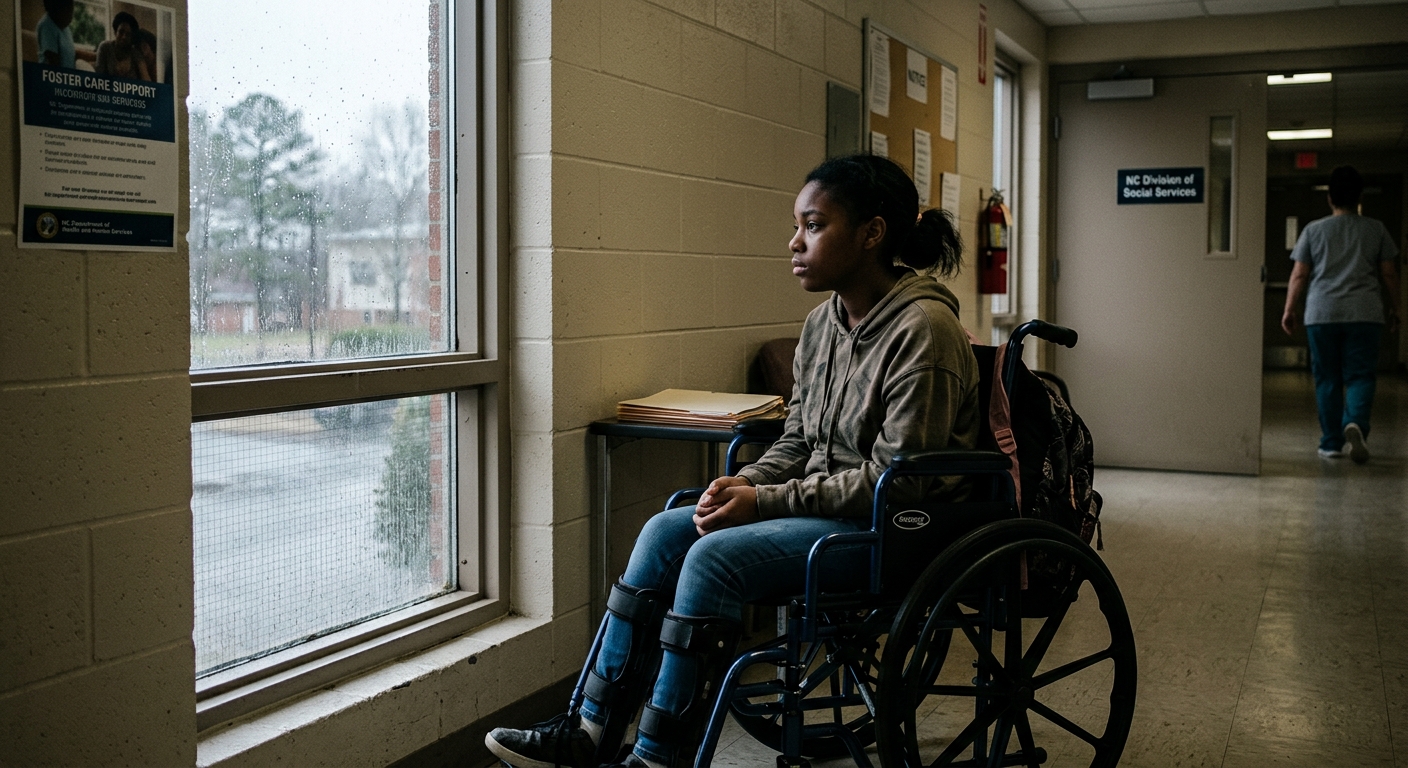
Systemic Failures: Inside the Federal Lawsuit Challenging North Carolina’s Treatment of Disabled Foster Youth
The child welfare system is ostensibly designed to protect society’s most vulnerable youth. However, for hundreds of children with disabilities in North Carolina’s foster care system, the reality is often drastically different. Instead of finding safety, therapeutic support, and community integration, many of these youths find themselves locked away in restrictive, prison-like institutions. This systemic failure is at the heart of a sweeping federal class-action lawsuit, Timothy B. et al. v. Kody Kinsley, which aims to dismantle the state’s ongoing practice of institutionalizing disabled foster children. Filed in December 2022, the litigation has illuminated the dark corners of the state’s child welfare apparatus, revealing a pattern of discrimination, neglect, and systemic trauma that falls disproportionately on children of color.
The Core of the Controversy: Institutionalization Over Integration
The lawsuit was brought forward by a powerful coalition of civil rights advocates, including Disability Rights North Carolina (DRNC), the North Carolina Chapter of the NAACP, the national advocacy group Children’s Rights, and the law firm Moore & Van Allen. The principal defendant is Kody Kinsley, acting in his official capacity as the Secretary of the North Carolina Department of Health and Human Services (NC DHHS). The plaintiffs assert that DHHS routinely violates federal civil rights law by funneling children with behavioral, intellectual, and mental health disabilities into Psychiatric Residential Treatment Facilities (PRTFs).
Every year, more than 500 disabled children in the state’s foster care system are placed in these highly restrictive settings. Advocates argue that these placements are rarely medically necessary; rather, they are the direct result of the state’s failure to develop and fund adequate community-based services. The state effectively uses PRTFs as a default warehousing solution for children it deems too difficult to place in traditional foster homes. This practice deprives these youths of their fundamental right to grow up in a family environment. The lawsuit paints a grim picture of a state department that has known about these deficiencies for years yet has failed to take meaningful corrective action. The complaint notes that North Carolina’s DHHS has been repeatedly warned by child welfare experts, state audits, and independent watchdogs about the detrimental effects of over-relying on institutional care. Yet, the number of children confined to PRTFs has remained stubbornly high, prompting legal intervention to force administrative accountability.
Understanding PRTFs: Warehousing Vulnerable Youth
Psychiatric Residential Treatment Facilities are intended to be short-term, intensive clinical environments for children experiencing acute, life-threatening mental health crises. However, the federal complaint alleges that North Carolina uses them as long-term holding pens for disabled youth. Inside these locked, institutional settings, foster children are isolated from their families, schools, and communities. Because of a severe shortage of appropriate local facilities, many children are shipped to PRTFs out of state, placing them hundreds of miles away from their support networks.
The conditions within these PRTFs are described as harrowing. According to the lawsuit, children confined to these facilities routinely face trauma rather than specialized therapeutic treatment. The legal complaint details instances of children suffering broken bones, sprains, and severe bruising due to the rampant and unlawful use of physical restraints. Furthermore, facilities frequently rely on chemical restraints—administering heavy cocktails of psychotropic medications to subdue, rather than properly treat, the children. Instances of physical, sexual, and emotional abuse by both staff and peers are alarmingly common. Instead of receiving the specialized, community-based care they are legally entitled to, these disabled youths endure a regimented, segregated existence that exacerbates their existing trauma and mental health challenges.
The Legal Battleground: The ADA and the Integration Mandate
The legal foundation of Timothy B. v. Kinsley rests heavily on Title II of the Americans with Disabilities Act (ADA) and Section 504 of the Rehabilitation Act. A cornerstone of the ADA is the “integration mandate,” which was powerfully affirmed by the Supreme Court’s landmark 1999 Olmstead v. L.C. decision. The Olmstead ruling established that the unjustified segregation of persons with disabilities constitutes unlawful discrimination. Public entities are legally obligated to provide services, programs, and activities in the most integrated setting appropriate to the needs of qualified individuals with disabilities.
In the context of North Carolina’s foster care system, plaintiffs argue that the state is blatantly ignoring this mandate by defaulting to long-term institutionalization. The youths housed in PRTFs are overwhelmingly capable of living in community settings—such as specialized therapeutic foster homes or traditional family settings with comprehensive wraparound support services—yet they are denied these options due to a lack of state resources and bureaucratic willpower. The significance of this legal argument was bolstered in April 2023, when the U.S. Department of Justice (DOJ) filed a Statement of Interest in the case. The DOJ’s intervention clarified the federal legal standard for the integration mandate, effectively supporting the plaintiffs’ position that the state cannot dismiss its obligations to disabled foster youth simply because community-based infrastructure is currently inadequate.
The Disproportionate Impact on Children of Color
A critical dimension of this lawsuit is its direct intersection with racial justice. The North Carolina Chapter of the NAACP joined the litigation as a co-plaintiff to represent and protect the rights of disabled foster children of color, who bear the brunt of the state’s systemic failures. Systemic biases within the broader child welfare system mean that Black and Brown children are more likely to be separated from their biological families and placed into state custody. Once in the foster care system, these same youths are disproportionately targeted for institutionalization.
Data cited in the legal complaint reveals that children of color make up over 40% of the Medicaid-eligible children confined to PRTFs in the state. Advocates argue that this is not a coincidence, but rather the result of deeply ingrained racial disparities in how behavioral issues are perceived, documented, and treated. While white children might be offered therapeutic support and community placement interventions, Black and Brown youths are frequently met with punitive measures and institutional confinement. Dismantling this pipeline requires an intentional, anti-racist approach to child welfare policy, ensuring that equity is at the forefront of any systemic reform mandated by the federal courts.
Broader Context: North Carolina’s Child Welfare Structure
To fully grasp how the situation reached this crisis point, one must examine the fundamental structural flaws of North Carolina’s child welfare system. North Carolina is one of the few states in the country that operates a county-administered, state-supervised child welfare model. While the NC DHHS oversees the system at a macro level, the actual day-to-day operations, placements, and funding responsibilities are largely delegated to the state’s 100 individual counties. This decentralized approach creates a highly fragmented system rife with inequality.
Wealthier counties may have the local tax base to offer robust community-based services and attract qualified social workers, while poorer, rural counties struggle with chronic underfunding. Furthermore, the entire state faces a severe shortage of licensed foster homes and critical mental health professionals, including child psychiatrists. Social service workers are chronically overburdened, managing caseloads that far exceed recommended national limits. In this high-stress, under-resourced environment, county workers often find it logistically easier—or feel they have no other viable choice—to send a child to a PRTF. In desperate situations, social workers have reportedly been forced to board children in their office buildings or in local hotels because no appropriate community placement could be secured. The lawsuit argues that the state government cannot use this fractured county system as a legal shield to avoid its overarching federal civil rights obligations.
The Devastating Long-Term Consequences of Institutionalization
While the immediate physical and emotional dangers of PRTFs are a primary focus of the lawsuit, the long-term developmental consequences of warehousing disabled youth are equally alarming. Children who spend their formative years in locked psychiatric facilities are systematically denied the developmental milestones crucial for a healthy transition into adulthood. They are isolated from traditional educational environments, often receiving substandard schooling within the facility that fails to adequately meet the requirements of their Individualized Education Programs (IEPs).
Furthermore, the institutional environment fosters deep dependency. Children in PRTFs are subjected to highly regimented schedules where nearly every aspect of their day is controlled by staff. They do not learn how to navigate the social complexities of a typical community, manage personal finances, or build independent, lasting relationships. When these youths eventually age out of the foster care system or are abruptly discharged, they are frequently released into the community with little to no transitional support. The sudden shift from a heavily controlled institutional setting to complete independence often results in catastrophic outcomes, including disproportionately high rates of homelessness, substance abuse, and future involvement with the criminal justice system.
Timeline of Key Developments in Timothy B. v. Kinsley
- December 2022: The class-action lawsuit is officially filed in the U.S. District Court for the Middle District of North Carolina by civil rights advocates and law firms.
- April 2023: The U.S. Department of Justice formally files a Statement of Interest, providing substantial federal backing to the legal theories surrounding the ADA’s integration mandate.
- Late 2023: NC DHHS files a comprehensive motion to dismiss the lawsuit, arguing procedural and substantive defenses in an attempt to halt the litigation entirely.
- March/April 2024: A federal judge emphatically denies the state’s motion to dismiss the case. This pivotal ruling ensures that the claims of discrimination and unlawful institutionalization will proceed.
- Ongoing: The case remains active, transitioning toward the discovery phase as advocates continue to push for immediate, widespread systemic reforms.
What Advocates Demand: A Community-First Approach
The plaintiffs in Timothy B. v. Kinsley are not seeking financial damages; they are pursuing declarative and prospective injunctive relief. In practical terms, this means they want a federal judge to order the state of North Carolina to completely overhaul its approach to caring for disabled foster youth. Advocates are demanding a massive pivot away from the heavy reliance on PRTFs toward a true “community-first” approach. This requires the state to invest significant logistical and financial resources into building out local mental and behavioral health services.
Proposed solutions include the aggressive expansion of therapeutic foster care, where specialized foster parents receive advanced training and elevated financial support to care for children with complex needs. Advocates also call for mobile crisis intervention teams, intensive in-home behavioral support, and dedicated case management. By providing robust wraparound services, children can receive the critical care they need while remaining in integrated, family-like settings. Advocates continually emphasize that the state is already spending millions of taxpayer dollars to warehouse these children in private PRTFs; redirecting those funds toward community-based infrastructure is not only legally required and morally imperative, but also financially sustainable over the long term.
Frequently Asked Questions (FAQs)
What is the Olmstead decision?
The Olmstead v. L.C. decision is a landmark 1999 United States Supreme Court ruling that determined the unjustified segregation of people with disabilities constitutes discrimination under Title II of the Americans with Disabilities Act (ADA). It mandates that states provide mental health and disability services in the most integrated, community-based settings appropriate to an individual’s needs, strictly prohibiting default institutionalization.
Why are children of color disproportionately affected in the NC foster care system?
Systemic biases and historical economic underinvestment in communities of color lead to higher rates of child welfare involvement. Once in the system, subjective behavioral assessments and a lack of culturally competent preventative care often result in Black and Brown disabled youths being perceived as “unmanageable” and subsequently placed in restrictive psychiatric facilities at vastly higher rates than their white peers.
What exactly is a Psychiatric Residential Treatment Facility (PRTF)?
A PRTF is a locked, highly restrictive institutional facility designed to provide intensive therapeutic care for youth experiencing acute psychological crises. However, the current lawsuit alleges that North Carolina utilizes these restrictive facilities not for temporary acute care, but as long-term housing solutions for foster children with disabilities, repeatedly exposing them to trauma, social isolation, and dangerous physical or chemical restraints.
What outcome are the plaintiffs seeking in the Timothy B. lawsuit?
The plaintiffs are not pursuing monetary damages for past grievances. Instead, they are asking the federal court for prospective injunctive relief. This legal action would legally compel the North Carolina Department of Health and Human Services to permanently cease the unnecessary institutionalization of disabled foster children and to proactively develop robust, community-based mental health and housing support services across the state.
References
- Timothy B. et al. v. Kody Kinsley — U.S. Department of Justice, Civil Rights Division. 2023-04-24. https://www.justice.gov/crt/case/timothy-b-et-al-v-kody-kinsley
- Timothy B. Litigation — Disability Rights North Carolina. 2024-03-01. https://disabilityrightsnc.org/cases/timothy-b-litigation/
- NC Timothy B. v. Kinsley — Children’s Rights. 2024-04-11. https://www.childrensrights.org/our-work/nc-timothy-b-v-kinsley/
- Lawsuits detail troubled NC child welfare system — North Carolina Health News. 2024-09-09. https://www.northcarolinahealthnews.org/2024/09/09/lawsuits-detail-troubled-nc-child-welfare-system/
Similar Articles








Read full bio of medha deb


