
The Modern Crusade for Children’s Rights
Empowering the next generation through relentless systemic advocacy and reform.
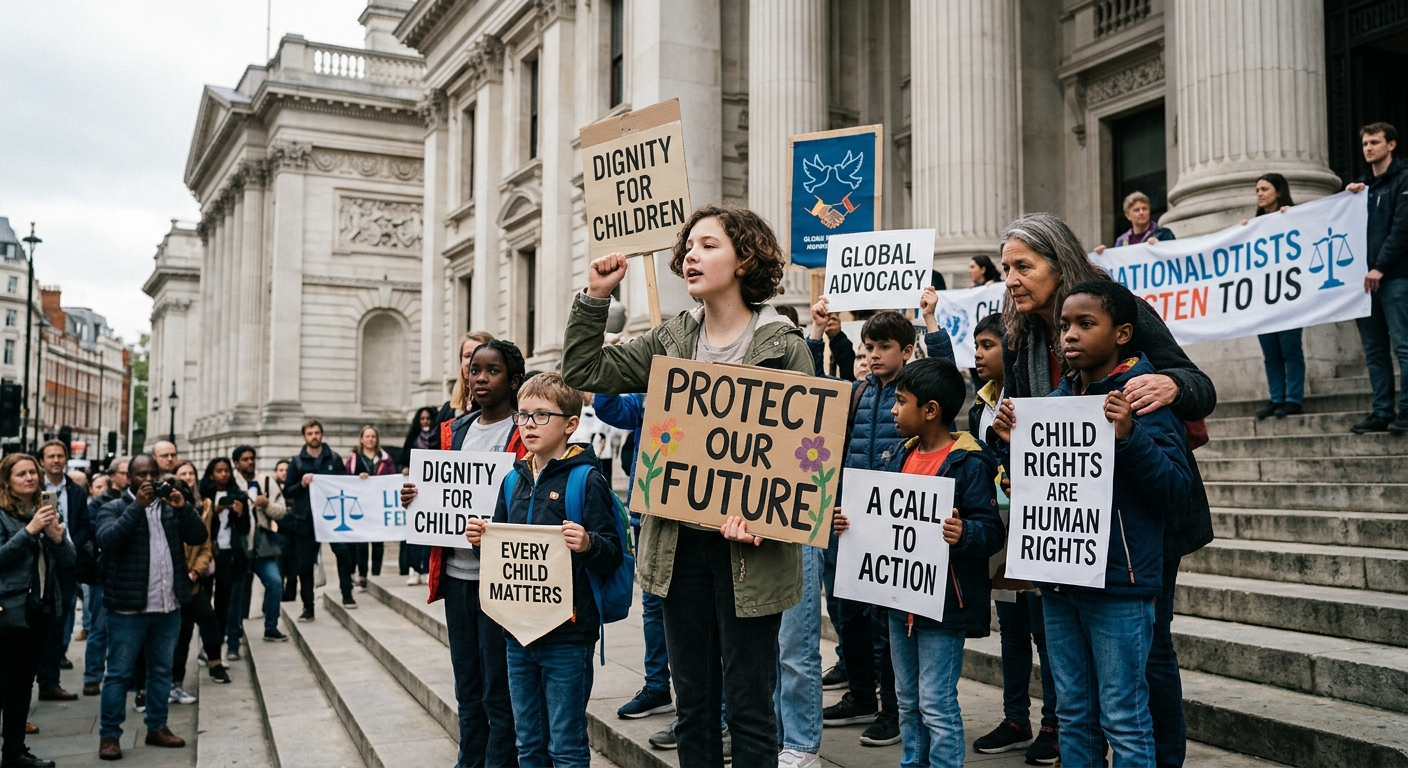
Every generation is ultimately judged by the way it treats its most vulnerable members. Across the globe, millions of children navigate a labyrinth of broken systems—from child welfare and juvenile justice networks to inadequate healthcare and educational infrastructures. As society evolves, the modern movement for youth rights must rise to meet unparalleled challenges. Defending these rights requires more than passive sympathy; it demands relentless advocacy, sweeping policy reform, and an unshakeable commitment to systemic accountability. Historically, minors were often viewed merely as the property of their parents or wards of the state, devoid of independent agency. Today, however, a global paradigm shift recognizes children as distinct individuals entitled to specific, unalienable human rights. This comprehensive overview explores the critical battlegrounds where dedicated advocates, legal scholars, and social workers are fighting daily to dismantle deep-rooted systemic inequities. The goal is to ensure young people genuinely thrive. By examining the structural realities of modern foster care, the legal intricacies of youth detention, the rapidly escalating mental health emergency, and the foundational framework provided by international human rights treaties, we can chart a clear, actionable path forward for protecting children today and tomorrow.
Navigating the Complexities and Failures of Child Welfare Systems
The child welfare system is primarily designed to act as a safety net for minors facing abuse, neglect, or domestic instability. Yet, for far too many vulnerable youths, it inadvertently becomes a pipeline to prolonged instability and chronic trauma. According to the U.S. Department of Health and Human Services (HHS), while there have been modest strides in achieving faster family reunification, systemic bottlenecks continue to leave thousands of minors languishing in temporary, uncertain placements . When children are abruptly uprooted from their homes and thrust into the complex foster care apparatus, they are inevitably exposed to the traumatic rupture of familial bonds, which can leave lasting psychological scars.
Recent data and ongoing litigation point to an urgent, undeniable need to rethink how states approach child safety and family preservation. The heavy reliance on congregate care settings—such as large-scale group homes or institutional facilities—often strips young people of the individualized, family-centric nurturing that is biologically and psychologically essential for healthy development. Modern advocacy firmly emphasizes that removing a child from a turbulent environment is merely the first, reactive step. The true measure of a successful child welfare intervention lies in the system’s proactive ability to secure a permanent, loving home rapidly. This can be achieved either through safe, supported reunification with biological relatives or through subsidized guardianship and adoption. Ensuring that caseworkers have manageable caseloads, culturally competent training, and sufficient resources to support transitional-age youth is absolutely paramount to fixing this profoundly fractured system.
The Intersection of Juvenile Justice and Youth Rights
The juvenile justice system presents another critical arena where the constitutional and human rights of minors are frequently compromised. Historically, the justice model for minors closely mirrored the harsh, punitive approach of adult criminal courts, focusing heavily on retribution, isolation, and deterrence rather than meaningful rehabilitation. However, a growing consensus backed by extensive criminological research and the Office of Juvenile Justice and Delinquency Prevention (OJJDP) emphasizes that youth incarceration should be a measure of absolute last resort . The adolescent brain is remarkably resilient and highly responsive to rehabilitative interventions. Locking young people in austere detention centers often exacerbates underlying behavioral issues, interrupts essential educational progress, and severely diminishes their long-term socio-economic prospects.
Advocates for children’s rights are actively pushing to dismantle the insidious “foster care-to-prison pipeline”—a disturbing, well-documented trajectory where youth who experience trauma, school suspensions, and systemic neglect in child welfare are disproportionately funneled into the criminal justice apparatus. Reforming this sector requires a holistic, community-centric approach. This involves expanding community-based diversion programs, investing heavily in restorative justice frameworks that emphasize accountability over isolation, and explicitly eradicating the racial and economic disparities that disproportionately ensnare minority youth in the justice system. By prioritizing intensive mental health support, educational continuity, and vocational training over punitive incarceration, society can empower justice-involved youth to completely rewrite their futures and become contributing members of their communities.
Confronting the Global Youth Mental Health Emergency
Perhaps the most pervasive threat to children’s rights today is an invisible one: a staggering, global crisis in youth mental wellness. The World Health Organization (WHO) reports that globally, approximately one in seven adolescents (aged 10 to 19) experiences a diagnosed mental health condition, yet the vast majority of these conditions remain unrecognized, underfunded, and entirely untreated . The modern digital landscape, characterized by the pressures of social media, combined with the lingering socio-economic impacts of global disruptions, climate anxiety, and everyday adversities, has created a pressure cooker environment for young, developing minds.
For marginalized youth—particularly those living in deep poverty, navigating the turbulent waters of the foster care system, or identifying as part of the LGBTQ+ community—the systemic barriers to accessing high-quality, trauma-informed mental health care are catastrophically high. True, uncompromising advocacy for children’s rights must recognize health care, and specifically pediatric psychological and psychiatric services, as a fundamental, non-negotiable human right. Governments, insurance providers, and institutional healthcare networks must urgently pivot toward accessible, community-based care models. This includes embedding licensed mental health professionals directly within public schools, community recreation centers, and primary care pediatric settings to guarantee early, stigma-free intervention. Without robust, easily accessible psychological support systems, the promise of equal opportunity and a bright future remains a hollow, unfulfilled slogan for millions of struggling adolescents around the world.
Legal Advocacy and the Unyielding Power of Systemic Reform
To translate lofty ideals into tangible, life-saving realities, robust and aggressive legal advocacy is strictly essential. Grassroots advocacy organizations and dedicated public interest law firms consistently employ strategic class-action litigation to hold sluggish government agencies strictly accountable to the law. These high-stakes legal battles are not merely about winning individual, isolated cases; they are meticulously designed to force massive, systemic overhauls across entire state departments. Whether it involves legally compelling a state to drastically limit the number of days a child spends sleeping in a sterile emergency intake office, or securing binding federal mandates for better psychiatric care within licensed foster homes, litigation acts as a powerful, unavoidable lever for macro-level change.
This domestic legal framework is deeply inspired and informed by global human rights standards, most notably the United Nations Convention on the Rights of the Child (CRC). The CRC establishes four indispensable core principles: the right to non-discrimination, the unwavering devotion to the best interests of the child, the inherent right to survival and robust development, and the profound respect for the views and voices of the child . While political complexities sometimes slow the formal adoption of such treaties in certain jurisdictions, anchoring domestic legal and policy strategies in these internationally recognized tenets allows advocates to create an undeniable, universally understood moral and legal imperative for state actors to radically upgrade their child-serving institutions.
The Critical, Irreplaceable Role of Lived Experience
Authentic systemic reform cannot be successfully drafted in a vacuum by politicians who have never interacted with the systems they govern. A central, non-negotiable cornerstone of modern youth advocacy is the intentional, respectful elevation of “lived experts”—young adults who have personally survived and navigated the foster care, psychiatric, or juvenile justice systems. These courageous individuals possess an unparalleled, nuanced insight into the microscopic, everyday failures of child welfare policies that raw statistical data alone can never fully capture. Inviting youth voices into legislative drafting rooms, agency advisory boards, and public policy forums ensures that reform efforts are deeply grounded in reality. When governmental systems actively prioritize and compensate for the actual experiences of those they intend to protect, the resulting policies are proven to be significantly more humane, economically efficient, and practically responsive to the real needs of young people.
Actionable Pillars for Tomorrow’s Systemic Advocacy
To sustain hard-won momentum, the modern movement for children’s rights must focus intensely on several core pillars of reform:
- Aggressive De-institutionalization: Rapidly phasing out large-scale, impersonal group homes in favor of recruiting, training, and retaining high-quality, community-based family foster homes.
- Preventative Family Support Systems: Shifting funding upstream to invest heavily in community poverty alleviation, accessible parental mental health care, and comprehensive substance addiction treatment. The goal is to keep families safely intact rather than resorting to the trauma of family separation.
- Data-Driven Transparency and Accountability: Implementing state-of-the-art, publicly accessible tracking systems to strictly monitor state performance regarding foster care placement stability, high school graduation rates, and long-term mental health outcomes for state wards.
- Universal Legal Representation: Guaranteeing by law that every single minor involved in dependency, abuse, or delinquency court proceedings has immediate, free access to specialized, independent legal counsel to advocate strictly for their stated interests.
- Seamless Cross-System Collaboration: Actively breaking down the bureaucratic silos that exist between public school districts, healthcare providers, and local social service agencies to create a unified, impenetrable safety net for at-risk youth.
Tracking Meaningful Progress: Essential Child Welfare Metrics
Measuring the genuine efficacy of children’s rights initiatives requires clear, unforgiving benchmarks. The following table highlights conceptual metrics often utilized by child welfare monitoring organizations to gauge the true systemic health of state agencies.
| Crucial Metric Category | The Current Systemic Challenge | Target Outcome for Successful Reform |
|---|---|---|
| Placement Stability | Children frequently experiencing multiple traumatic foster home transfers in a single calendar year, disrupting schooling and therapy. | Minimizing transfers entirely; ensuring a child stays in their initial, well-matched, family-based placement for the duration of care. |
| Time to Legal Permanency | Minors languishing in the limbo of state care for well over 24 months without the promise of a permanent family structure. | Achieving a safe, permanent outcome—either through secure family reunification or finalized adoption—within 12 months of entering the system. |
| Immediate Mental Health Access | Severe, damaging waitlist delays in accessing trauma-informed counseling and psychiatric evaluations for youth in state custody. | Mandatory mental health screenings upon entry, with guaranteed access to licensed therapeutic services within a strict 30-day window. |
| Juvenile Justice Diversion | Unacceptably high rates of youth incarceration for non-violent, status-related offenses (like truancy or running away). | Achieving 100% diversion to community-based, restorative accountability programs for all low-level and non-violent youth infractions. |
Frequently Asked Questions (FAQs) About Youth Advocacy
What is the primary overarching goal of children’s rights advocacy?
The primary goal is to definitively ensure that all children, regardless of race, class, or geography, grow up in safe, supportive, and holistically nurturing environments. This comprehensive mission includes legally protecting them from physical and emotional abuse, holding powerful government systems strictly accountable for their welfare, and ensuring completely equitable access to high-quality healthcare, public education, and restorative justice.
Why is the juvenile justice system considered a key focus for child advocates?
Because neurological science proves the adolescent brain is still developing impulse control and consequence assessment, punitive measures often do exponentially more harm than good. Advocates fiercely focus on the justice system to replace outdated incarceration models with rehabilitative, community-based solutions, recognizing that harsh, isolating punishments for minors directly lead to higher adult recidivism rates and severe lifelong trauma.
How does the escalating mental health crisis tie into fundamental children’s rights?
Robust mental well-being is the absolute foundation of a child’s overall development. Access to timely psychiatric care and consistent emotional support is viewed globally as a basic, undeniable human right. Without these critical interventions, vulnerable children—especially those enduring systemic poverty or family instability—are at a drastically higher risk of falling into chronic homelessness, severe substance abuse, or becoming entangled in the criminal justice system.
How can average, everyday citizens actively support children’s rights?
Citizens wield immense power to support the movement. They can vote for pro-child legislative reforms, volunteer as licensed foster parents or Court Appointed Special Advocates (CASAs) to mentor youth in care, donate financially to non-profit legal advocacy groups, and actively raise awareness about the critical importance of trauma-informed care policies within their local school boards and community centers.
What is the significance of the UN Convention on the Rights of the Child?
It is the most widely ratified human rights treaty in history, providing a comprehensive legal framework that explicitly details the civil, political, economic, social, and cultural rights of children. It serves as the ultimate benchmark for advocacy organizations worldwide striving to reform domestic child welfare laws.
Conclusion
The uncompromising fight for children’s rights is an ongoing struggle that demands the collective energy of legislators, legal professionals, social workers, and citizens. Whether combating the systemic racism embedded in juvenile justice, challenging the bureaucratic apathy of child welfare agencies, or addressing the epidemic of adolescent mental illness, the stakes could not be higher. By centering the voices of lived experts, enforcing legal standards through strategic litigation, and demanding transparency from state institutions, society can build a landscape where every child is afforded the dignity, protection, and opportunity they deserve. Protecting the rights and well-being of children today is the only guaranteed method of securing a prosperous, equitable, and just tomorrow.
References
- Mental health of adolescents — World Health Organization (WHO). 2025-09-01. https://www.who.int/news-room/fact-sheets/detail/adolescent-mental-health
- Child Welfare Outcomes Report Data — U.S. Department of Health & Human Services. 2024. https://cwoutcomes.acf.hhs.gov/cwodatasite/
- Juvenile Court Statistics and Youth Incarceration — Office of Juvenile Justice and Delinquency Prevention (OJJDP). 2024. https://ojjdp.ojp.gov/statistical-briefing-book
- Convention on the Rights of the Child — UNICEF. https://www.unicef.org/child-rights-convention
Similar Articles








Read full bio of Sneha Tete


