
Missouri Foster Care Medication Lawsuit Proceeds
Federal lawsuit challenges the overmedication of Missouri foster youth.
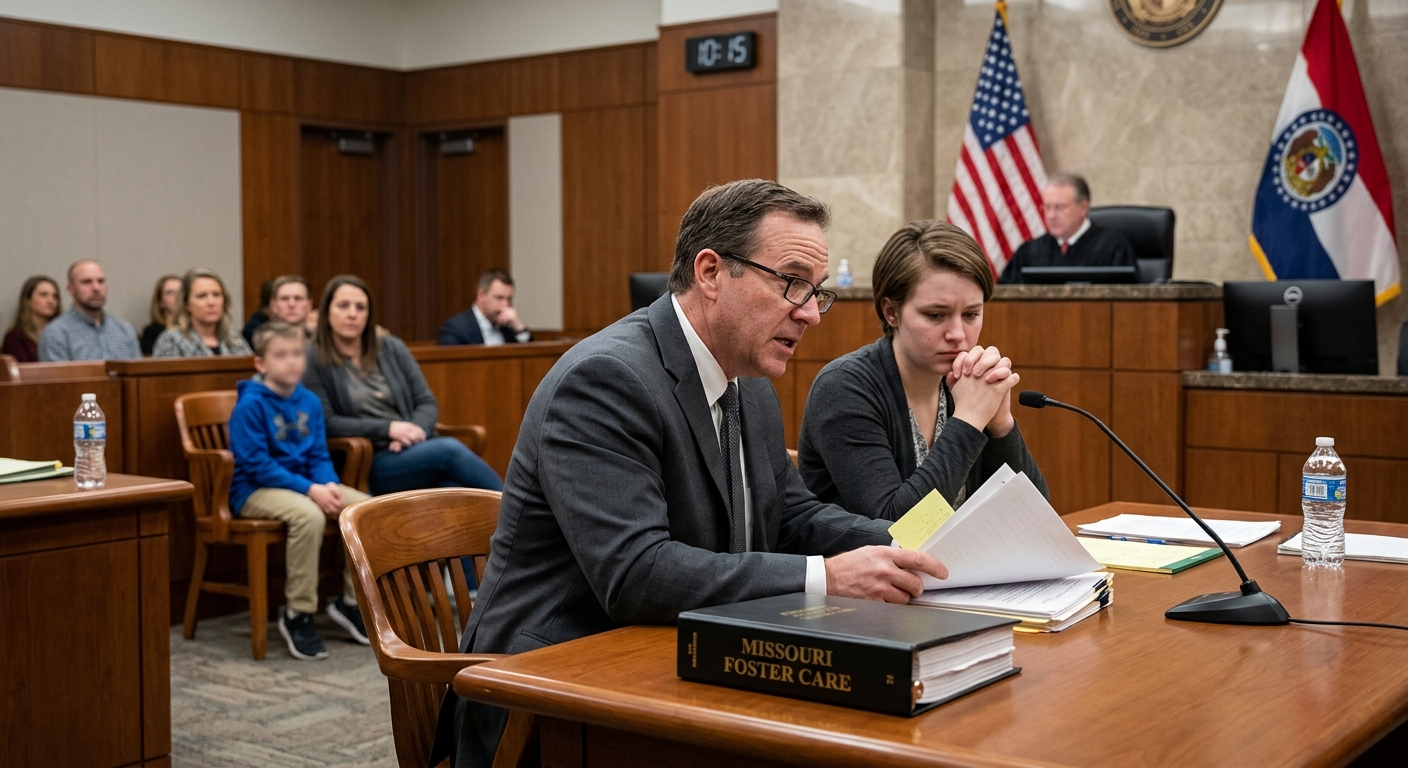
Introduction to the Legal Battle in Child Welfare
Child welfare systems across the United States face a profound, deeply entrenched crisis: the systemic over-reliance on powerful psychiatric medications to manage the trauma and complex behavioral challenges of children in state custody. In a precedent-setting legal battle that has captured the attention of national advocates, a federal lawsuit targeting the state of Missouri’s administration of psychotropic drugs to foster children has been cleared to proceed. This development marks a critical juncture in child advocacy, challenging systemic negligence and establishing a vital pathway for holding state agencies legally accountable for the medical treatment of their most vulnerable wards.
The lawsuit, initially filed as M.B. v. Corsi and later updated to M.B. v. Tidball to reflect changes in state leadership, was brought forth by a robust coalition of watchdog groups. This coalition includes the advocacy organization Children’s Rights, the National Center for Youth Law (NCYL), and the Saint Louis University School of Law Legal Clinics. The federal court’s decision to deny the state’s motion to dismiss and allow the litigation to move forward signals a robust judicial acknowledgment: foster children possess definitive constitutional rights that safeguard them against the reckless, unmonitored administration of mind-altering drugs. This comprehensive analysis explores the intricacies of the landmark lawsuit, the pharmacological risks imposed on foster youth, the systemic administrative failures of the Missouri Department of Social Services, and the nationwide implications for foster care reform.
Understanding the Pharmacological Crisis in Foster Care
To fully grasp the magnitude of the Missouri lawsuit, one must understand the nature of psychotropic medications and their widespread application within the child welfare system. Psychotropics represent a broad pharmacological category encompassing antipsychotics, antidepressants, anti-anxiety medications, and mood stabilizers. While these chemical agents can be highly effective and medically necessary for treating specific, diagnosed psychiatric disorders, their application in the foster care system is frequently fraught with controversy. Advocates and medical professionals have long warned that these potent drugs are often prescribed off-label as a first-line response to behavioral issues that are fundamentally rooted in severe, unresolved trauma.
Children entering state custody have inevitably endured profound psychological distress, ranging from physical neglect and emotional abuse to the innate, destabilizing trauma of being abruptly separated from their biological families. Rather than providing the intensive, individualized cognitive-behavioral therapies required to process this trauma, overwhelmed child welfare systems often turn to medications as a form of “chemical restraint.” This practice ensures compliance and behavioral management in understaffed, overcrowded group homes and foster placements.
The physiological and neurological implications of administering heavy psychotropics to developing pediatric brains are deeply concerning. Many atypical antipsychotics carry strict warnings from the Food and Drug Administration (FDA) regarding severe side effects. Youth subjected to excessive dosages or polypharmacy—the simultaneous use of multiple psychiatric medications—frequently suffer from rapid, severe weight gain, metabolic syndrome, uncontrollable tremors, lethargy, and an elevated, long-term risk of developing type 2 diabetes. Furthermore, the psychological impact of being heavily sedated can severely stifle a child’s emotional processing capabilities, paradoxically hindering their ability to engage in the very therapeutic interventions necessary for genuine healing and emotional regulation.
The Constitutional Foundation of the Missouri Lawsuit
The civil rights litigation against the Missouri Department of Social Services (DSS) and its Children’s Division represents the first federal class-action lawsuit in the United States to focus exclusively on the administration and oversight of psychotropic drugs to foster children. When state officials attempted to have the case summarily dismissed, United States District Judge Nanette K. Laughrey firmly denied the motion, ruling that the plaintiffs had presented compelling, actionable evidence of systemic constitutional violations.
The legal foundation of the lawsuit rests on the 14th Amendment to the United States Constitution, specifically invoking the Substantive Due Process clause. When a state removes a child from their home and assumes legal custody, it also assumes a strict, non-delegable constitutional duty to protect that child from an unreasonable risk of harm. The plaintiffs successfully argued that Missouri breached this fundamental duty by failing to implement basic, necessary oversight mechanisms to ensure that the administration of powerful psychiatric drugs was safe, medically necessary, and properly monitored.
By allowing the lawsuit to proceed past the dismissal phase and granting it class-action status, the federal court validated the argument that a state’s passive record-keeping and lack of rigorous medical supervision can cross the line from mere bureaucratic inefficiency to a severe violation of civil rights. The court’s ruling underscored that the state cannot simply abdicate its responsibility to private prescribing physicians, especially when it is aware that its own systemic failures are actively contributing to the medical mismanagement of its wards.
The Triad of Systemic Negligence
The plaintiffs’ legal complaint meticulously outlined a bureaucratic nightmare characterized by a near-total absence of basic medical oversight. According to the filings, the Missouri Children’s Division systematically failed in three primary, interrelated areas of child welfare administration:
- Failure to Maintain and Distribute Comprehensive Medical Records: The transient nature of the foster care system means children frequently move between different placements, school districts, and healthcare providers. The lawsuit alleged that Missouri failed to maintain centralized, easily transferable medical histories—often referred to as a “medical passport.” Consequently, prescribing physicians were frequently forced to make critical medication decisions in a vacuum, entirely unaware of a child’s prior adverse drug reactions, previous prescriptions, or complete diagnostic history.
- The Absence of Secondary Review Mechanisms: Unlike standard pediatric care, where an engaged parent acts as a consistent medical advocate and gatekeeper, foster children rely entirely on the state. The litigation highlighted the state’s failure to implement a “red flag” alert system. Children were reportedly prescribed dosages well beyond maximum FDA guidelines or subjected to dangerous cocktails of multiple antipsychotics without any mandatory, independent clinical review by a board-certified child psychiatrist to ensure the regimen’s safety and efficacy.
- Failure to Secure Informed Consent: Proper medical ethics and state laws require informed consent before initiating powerful medical treatments. The state allegedly bypassed the legal requirement to obtain rigorous informed consent from a child’s biological parents, legal guardians, or the older youth themselves. Medications were frequently initiated without a thorough, documented discussion of the potential risks, severe side effects, and viable, non-pharmacological alternative treatments.
The Lived Reality: Foster Youth Caught in the Crossfire
Behind the dense legal filings, procedural motions, and constitutional arguments are the harrowing, lived experiences of the children who served as the lead plaintiffs in the litigation. These vulnerable youths, identified in court documents only by their initials to protect their privacy, represent the thousands of children navigating the perilous waters of the state system. Affidavits and court records detail shocking instances where pre-teens were prescribed up to seven different psychotropic medications concurrently.
Foster parents, child advocates, and teachers reported observing children who were previously energetic, curious, and engaged becoming profoundly lethargic, experiencing terrifying auditory and visual hallucinations, or simply sleeping through entire school days. The human cost of this systemic overmedication extends far beyond temporary physical discomfort; it fundamentally alters the developmental trajectory of a child’s life.
When profound emotional trauma is suppressed through heavy chemical means rather than addressed through sustained, trauma-informed counseling, the root causes of the child’s behavioral distress remain entirely unresolved. As these heavily medicated adolescents eventually age out of the foster care system, they frequently lack the basic emotional regulation and coping skills necessary to navigate independent adulthood successfully. Without the state managing their prescriptions, they may abruptly discontinue their complex medication regimens without any medical supervision, triggering severe withdrawal symptoms, sudden psychiatric crises, and an increased likelihood of homelessness or entering the criminal justice system.
National Implications for Child Welfare Reform
The fact that this Missouri lawsuit survived initial legal hurdles and achieved class-action certification sends a powerful, unambiguous message to child welfare agencies nationwide. Missouri is certainly not an anomaly; the overprescription of psychotropics to foster youth is a thoroughly documented, systemic epidemic across the United States. Federal reports from the Government Accountability Office (GAO) and numerous academic medical studies have repeatedly flagged the vastly disproportionate medication rates among children in state care when compared to the general pediatric population.
The legal theories and structural arguments successfully deployed in Missouri provide a concrete blueprint for child advocates and civil rights attorneys in other jurisdictions. By legally framing the lack of medical oversight as a definitive constitutional violation of bodily integrity and substantive due process, advocates can force recalcitrant states to implement robust, life-saving safeguards. The systemic demands outlined in the Missouri case—including the implementation of mandatory centralized electronic medical records, strict informed consent protocols, and the creation of an independent psychiatric review board for outlier prescriptions—are rapidly becoming the accepted gold standard for modern child welfare policy.
As this type of litigation progresses and succeeds, it places a non-negotiable legal mandate on state agencies. They are being forced to shift their operational focus from the mere administrative containment and behavioral suppression of foster children to their holistic health, genuine recovery, and long-term well-being.
Conclusion: Prioritizing Healing Over Chemical Restraints
The progression of the Missouri psychotropic medication lawsuit represents a monumental, hard-fought victory for child welfare advocates and, most importantly, for the youth trapped within a broken system. It forcefully dismantles the unacceptable, dangerous status quo where vulnerable children are subjected to hazardous pharmacological experiments without basic oversight or accountability. However, legal victories in the courtroom must be accompanied by comprehensive, well-funded systemic reform on the ground. States must invest heavily in trauma-informed care networks, ensuring that every foster child has immediate access to evidence-based therapeutic interventions.
As the legal and administrative reforms unfold, the overarching moral objective remains unequivocally clear: society must protect the physical and psychological integrity of children in state custody. The foster care system’s ultimate mandate is to provide a safe harbor for children fleeing abuse and neglect. Allowing them to be victimized anew by systemic medical negligence is an egregious betrayal of that mandate. The landmark litigation in Missouri serves as a clarion call, demanding that we prioritize genuine healing over the dangerous convenience of chemical restraints.
Frequently Asked Questions (FAQs)
What are psychotropic medications?
Psychotropic medications are powerful pharmacological drugs that affect the mind, emotions, and behavior. This broad category includes antipsychotics, antidepressants, mood stabilizers, and anti-anxiety medications. While they can be highly effective for treating specific psychiatric conditions, they carry significant risks of severe side effects, particularly when administered to children with developing brains.
Why are foster children at a higher risk of being overmedicated?
Foster children have frequently experienced severe, compounding trauma, leading to complex behavioral and emotional challenges. Due to systemic lack of funding, frequent and disruptive changes in placement, and a severe national shortage of specialized trauma-informed therapists, powerful medications are sometimes improperly used as a “quick fix” to manage difficult behavior rather than properly addressing the underlying trauma through sustained therapy.
What was the core constitutional argument in the Missouri lawsuit?
The lawsuit successfully argued that the state violated the 14th Amendment Due Process rights of foster children by fundamentally failing to provide adequate medical oversight. Specifically, plaintiffs alleged the state failed to maintain and share medical records, did not secure informed consent before medicating, and lacked a critical secondary review process for identifying dangerous drug combinations and excessive dosages.
What does the term “polypharmacy” mean in the context of this litigation?
Polypharmacy refers to the concurrent use of multiple medications by a single patient. In the context of this child welfare lawsuit, it highlights the highly dangerous, often unmonitored practice of prescribing foster children multiple powerful psychiatric drugs simultaneously, frequently without adequate clinical testing for severe drug interactions or compounding side effects.
How does the progress of this lawsuit impact foster care in other states?
As the very first federal class-action lawsuit specifically targeting the administration of psychotropic drugs in foster care, it establishes a vital legal precedent. It provides a strategic legal framework for advocates to hold other state child welfare agencies accountable for similar patterns of medical negligence, ultimately driving nationwide reform in how state wards are medically treated.
References
- Lawsuit over drugs for Missouri’s foster kids proceeds — AP News. 2018-01-13. https://apnews.com/article/b0e51381c1c14bb6b3d17d0ccf02c050
- Historic Missouri Settlement Targets Dangerous Use of Psychotropic Drugs in Foster Care System — Children’s Rights. 2019-07-15. https://www.childrensrights.org/historic-missouri-settlement-targets-dangerous-use-of-psychotropic-drugs-in-foster-care-system/
- Psychotropic Medication Settlement — Missouri Department of Social Services. 2019-12-05. https://dss.mo.gov/cd/psychotropic-medication-settlement.htm
- M.B. v. Tidball — National Center for Youth Law. 2022-03-29. https://youthlaw.org/cases/mb-v-tidball
Similar Articles








Read full bio of Sneha Tete


