The probate process in Massachusetts serves as the structured mechanism for validating a deceased individual’s will, compiling their assets, settling outstanding obligations, and transferring property to rightful heirs. This court-overseen procedure ensures legal compliance while protecting all interested parties. Typically spanning about one year due to creditor claim periods, it can extend longer amid disputes or complex finances.
Core Purpose and When Probate Applies
Probate becomes necessary for assets solely in the decedent’s name without beneficiary designations or joint ownership with survivorship rights. It confirms the will’s authenticity—or applies state intestacy rules if none exists—and empowers a personal representative to act on the estate’s behalf. In Massachusetts, governed primarily by the Massachusetts Uniform Probate Code (MUPC) under Mass. Gen. Laws ch. 190B, the system balances efficiency with oversight.
Exempt from probate are non-probate transfers like joint accounts, life insurance proceeds payable to named beneficiaries, POD/TOD accounts, and trusts. Real estate or bank holdings titled properly often bypass this process seamlessly.
Types of Probate Proceedings in Massachusetts
Massachusetts offers flexible probate pathways tailored to estate complexity and potential conflicts. Understanding these options helps families choose the most suitable route.
Informal Probate: The Streamlined Choice
Most estates opt for informal probate, handled administratively by a Uniform Probate Code (UPC) magistrate without judicial hearings. This method suits uncontested cases, allowing the personal representative broad autonomy to gather assets, pay bills, and distribute inheritances with minimal court interference.
To initiate, the petitioner files specific forms based on will presence, including death certificate and heir details. Restrictions apply if the will is unclear, contested, or involves minors/incapacitated parties requiring protection. Closure occurs via a sworn statement affirming all duties fulfilled (Mass. Gen. Laws ch. 190B, §§ 3-301 to 3-311).
Formal Probate: For Contested Matters
When disputes arise—such as will challenges or beneficiary disagreements—formal probate engages a judge for oversight. The court approves key actions like asset sales, with mandatory notices to interested parties. This ensures transparency but prolongs timelines (Mass. Gen. Laws ch. 190B, §3-401 et seq.).
Late and Limited Formal Probate
If no probate initiates within three years post-death, late formal probate admits the will or determines heirs, appointing a representative limited to title confirmation without real estate sales.
Summary and Voluntary Administration: Quick Paths for Small Estates
For modest estates, summary administration enables immediate distribution if values fall below exempt property, family allowances, and administrative costs combined (Mass. Gen. Laws ch. 190B, §§ 3-1203, 1204). Voluntary administration, a simplified variant, applies to low-value estates without court filings in some cases.
Step-by-Step Probate Journey
Navigating probate demands methodical action from the personal representative. Here’s the typical sequence:
- Initiate Filing: Petition the county Probate and Family Court where the decedent resided, attaching the will, death certificate, and heir list. No automatic start—proactive filing required.
- Appoint Representative: Court names the executor (personal representative) or administrator if none specified.
- Notify Parties: Inform heirs, beneficiaries, and publish notices for creditors.
- Inventory Assets: Locate, value, and secure property including real estate, investments, and personal items.
- Handle Claims: Review creditor submissions within one year, approve/pay valid ones, potentially selling assets.
- Tax Compliance: File federal/state returns, pay estate taxes if applicable.
- Distribute Remainder: Transfer assets per will or intestacy laws after clearances.
- Close Estate: Submit final accounting for approval.
Role of the Personal Representative
The personal representative holds fiduciary duties, acting prudently to preserve estate value. Responsibilities encompass asset management, debt resolution, litigation defense, and equitable distributions. Massachusetts law mandates court filings, notices, and loyalty to beneficiaries. Professional guidance from probate attorneys proves invaluable, especially for multifaceted estates.
| Duty | Description |
|---|---|
| Asset Collection | Gather and value all probate property |
| Debt Payment | Prioritize and settle approved claims |
| Tax Filings | Prepare and remit estate/gift taxes |
| Distribution | Transfer to heirs post-clearances |
| Reporting | File inventories, accounts with court |
Probate and Family Court System
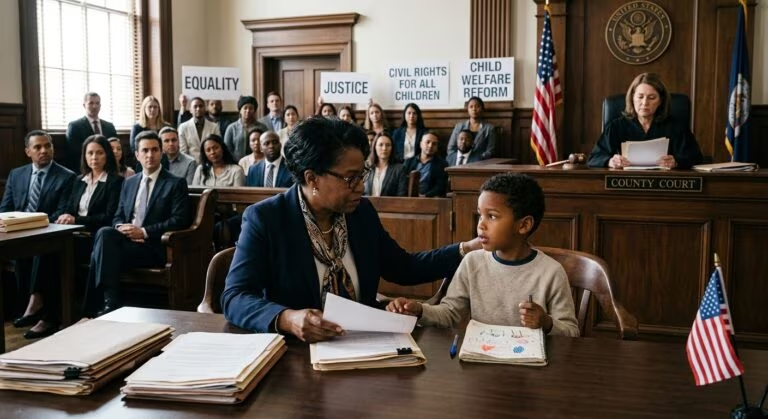
Massachusetts Probate and Family Courts, among the state’s oldest, adjudicate estates alongside family matters like adoptions and guardianships. Located by county, they enforce specialized rules under G.L. c. 215. These venues demand procedural precision; self-representation risks oversights, underscoring attorney involvement.
For property-tied issues, Land Court may intersect, but primary jurisdiction rests here.
Timelines, Costs, and Potential Delays
Standard probate lasts 12-18 months, anchored by the one-year creditor window. Disputes, illiquid assets, or tax complexities extend this. Costs include court fees, attorney fees (often 2-5% of estate), appraisals, and bonding if required.
Avoiding Delays:
- Organize documents pre-death via estate planning.
- Select informal probate where possible.
- Engage counsel early.
- Monitor creditor deadlines.
Intestacy: No-Will Scenarios
Absent a valid will, Massachusetts intestacy statutes dictate shares: surviving spouse receives all if sole heirs or specific portions with children/parents. Order prioritizes spouse, issue, parents, siblings.
Estate Planning to Bypass Probate
Proactive strategies minimize probate: revocable trusts hold assets outside court reach; beneficiary designations on accounts/IRAs; joint tenancy; transfer-on-death deeds. These preserve privacy, speed transfers, and cut costs.
Frequently Asked Questions
What triggers probate in Massachusetts?
Probate applies to solely owned assets without non-probate transfers like joint ownership or named beneficiaries.
How long does Massachusetts probate take?
Usually 1 year due to creditor claims, longer with disputes.
Can I handle probate without a lawyer?
Possible for simple informal cases, but attorneys navigate complexities effectively.
What if there’s no will?
Court appoints an administrator; assets distribute per state intestacy laws.
Which court handles probate?
Probate and Family Court in the decedent’s county of residence.
Seeking Professional Assistance
Given procedural intricacies, consulting experienced Massachusetts probate attorneys streamlines administration, averts pitfalls, and safeguards interests. Firms assist from petition to closure, ensuring compliance.
This overview equips families with foundational knowledge, but individual circumstances vary—tailored legal advice remains essential.
References
- How Does the Probate Process Work in Massachusetts? — The Law Offices of Kimberly Butler Rainen. 2023. https://www.butlerrainen.com/how-does-the-probate-process-work-in-massachusetts/
- Overview of the Massachusetts Court System — Matthew Barison. 2023. https://www.matthewbarison.com/overview-massachusetts-court-system/
- Massachusetts Probate: An Overview — Nolo. 2025. https://www.nolo.com/legal-encyclopedia/massachusetts-probate-an-overview.html
- OVERVIEW OF THE PROBATE AND FAMILY COURT — Massachusetts Legal Services. 2023. https://www.masslegalservices.org/system/files/library/Chapter%202.pdf
- How Do You Start The Probate Process In Massachusetts? — Fisher Law LLC. 2023. https://www.bostonestatelawyer.com/how-do-you-start-the-probate-process-in-massachusetts/
- Probate of Wills and Estates — Mass.gov. 2026. https://www.mass.gov/probate-of-wills-and-estates