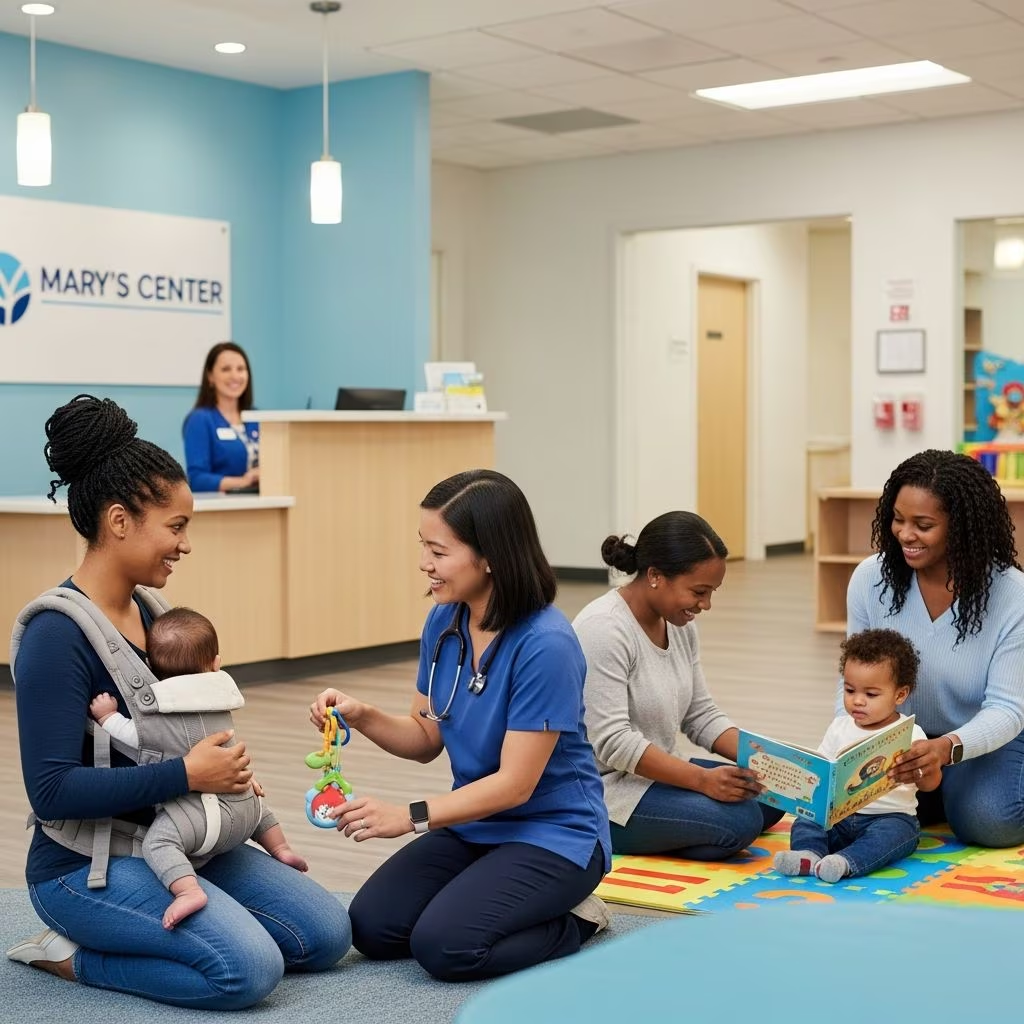
Mary’s Center is a community-based health and social services organization in Washington, DC that offers integrated support for pregnant people, children, and families, with a particular focus on uninsured, underinsured, and immigrant communities. This guide explains what the Center does, who it serves, and how families can use its services alongside broader maternal and child health resources in DC.
1. What Is Mary’s Center and Who Does It Serve?
Mary’s Center operates as a community health center, combining medical care, behavioral health, and social services in one network of locations in the DC region. Community health centers are a key part of the U.S. safety-net system, providing care regardless of a patient’s ability to pay, immigration status, or insurance coverage.[10]
Mary’s Center focuses on:
- Pregnant people needing prenatal, delivery coordination, and postpartum care
- Infants and children who need well-child checkups, immunizations, and developmental monitoring
- Adolescents who require reproductive health, mental health, and preventive services
- Parents and caregivers seeking support with nutrition, housing, benefits, and parenting resources
- Low-income and immigrant families facing barriers to traditional healthcare and social services[10]
Many of the Center’s programs are funded or complemented by larger public health initiatives, such as DC’s Title V Maternal and Child Health Services Program and the Family Health Bureau, both of which emphasize accessible, high-quality care for women, infants, and children.
2. Core Health Services for Mothers, Infants, and Children
Mary’s Center provides a broad spectrum of clinical services aimed at reducing maternal and infant health disparities, a major priority in Washington, DC and nationwide.
2.1 Prenatal and Postpartum Care
Timely, high-quality care during pregnancy and after delivery can substantially reduce risks for both parent and baby, including complications such as preterm birth and severe maternal morbidity. At Mary’s Center, prenatal and postpartum services typically include:
- Initial pregnancy confirmation and education about options
- Regular prenatal visits and physical exams
- Routine lab work, screenings, and ultrasound referrals as indicated
- Monitoring for high blood pressure, diabetes, and other risk factors
- Birth planning and coordination with delivering hospitals or birthing centers
- Postpartum checkups addressing physical recovery, breastfeeding, and family planning
- Screening for postpartum depression and anxiety and linkage to mental health care
These services are aligned with DC’s broader goals of promoting early prenatal care, breastfeeding support, and trauma-informed mental health services for women and birthing people.
2.2 Pediatric and Adolescent Care
Children and adolescents receive ongoing primary care through well-child visits and sick visits. This supports DC’s objectives of universal developmental screening and strong child health outcomes.
| Age Group | Common Services |
|---|---|
| Newborns and infants | Newborn exams, growth monitoring, metabolic and hearing screenings (via hospital or DC programs), immunizations, safe sleep education |
| Toddlers and preschoolers | Developmental screening, speech and behavior concerns, nutrition counseling, injury prevention |
| School-aged children | Annual physicals, vision and hearing checks, vaccines, learning and behavior referrals |
| Adolescents | Confidential sexual and reproductive healthcare, mental health screening, substance use counseling, sports physicals |
Mary’s Center may coordinate with citywide initiatives such as DC’s Newborn Screening Program and safe sleep campaigns, which are intended to catch serious conditions early and reduce infant mortality.
2.3 Women’s and Reproductive Health
Beyond pregnancy-related care, Mary’s Center provides comprehensive women’s health services consistent with DC’s focus on preventive care and reproductive autonomy. These often include:
- Annual wellness exams and Pap tests
- Contraceptive counseling and provision of multiple birth control options
- Screening and treatment of sexually transmitted infections (STIs)
- Preconception counseling to improve health before pregnancy
- Menstrual and menopause-related care
3. Behavioral Health and Emotional Support
Mental health challenges such as depression, anxiety, and trauma are common during pregnancy and the postpartum period, yet they are often underdiagnosed. In response, Mary’s Center and partner programs emphasize integrated behavioral health.
3.1 Perinatal Mental Health Support
DC’s DC Mother–Baby Wellness Program, hosted at Children’s National Hospital, highlights the value of screening pregnant and postpartum women for mental health concerns and providing short-term therapy and care coordination. Mary’s Center aligns with this model by:
- Screening pregnant and postpartum patients for depression and anxiety
- Connecting families to individual or group counseling
- Offering brief, problem-focused therapy or referrals to specialized psychiatric care
- Coordinating services for both parent and child when needed
3.2 Counseling for Children and Adolescents
Children and teens may also access behavioral health services through Mary’s Center or referral partners. This can include:
- Evaluation for behavioral or emotional concerns
- Therapy for anxiety, depression, trauma, or adjustment issues
- Support for family conflict, school stress, or bullying
- Coordination with schools or other community programs
4. Nutrition, WIC, and Family Support Services
Health outcomes for mothers and children depend on more than medical visits alone; access to nutritious food, stable housing, and social support is fundamental. Mary’s Center links families to nutrition support, the Women, Infants, and Children (WIC) program, and other essential resources.
4.1 WIC: Women, Infants, and Children
WIC is a federal nutrition program that provides healthy foods, nutrition education, and breastfeeding support to eligible pregnant and postpartum individuals and children up to age five. Mary’s Center operates WIC sites or referral lines to help families:
- Apply for and maintain WIC benefits
- Receive counseling on infant feeding and child nutrition
- Access breastfeeding resources, including lactation support
- Connect with other food resources when WIC alone is not enough
4.2 Social Services and Case Management
Consistent with DC’s Family Health Bureau approach, which emphasizes home- and community-based supports for families, Mary’s Center offers or coordinates:
- Benefits screening for Medicaid, DC Health programs, and other public assistance
- Referrals for housing, employment assistance, and legal help
- Parenting groups and classes
- Home visiting or community outreach through partner initiatives
Other regional programs, such as MedStar’s Safe Babies Safe Moms initiative, demonstrate how integrated medical and social support—including food, diapers, transportation, and legal aid—can improve maternal and infant outcomes in DC. Mary’s Center participates in this ecosystem of coordinated family supports.
5. How Mary’s Center Fits Into DC’s Maternal and Child Health System
Mary’s Center is one part of a larger network of organizations working to strengthen maternal and child health in the District.
5.1 Connection to Title V and the Family Health Bureau
DC’s Title V Maternal and Child Health Services Program funds a variety of initiatives to ensure that women, infants, and children have access to preventive care, mental health services, developmental screenings, and adolescent health resources. The Family Health Bureau oversees programs such as newborn screening, safe sleep education, and preterm birth reduction.
As a community health center, Mary’s Center advances Title V goals by:
- Expanding access to prenatal and early childhood care in underserved neighborhoods
- Implementing developmental and mental health screening for infants and young children
- Referring families with special healthcare needs to specialty services and medical homes
- Supporting adolescents with reproductive health and prevention-focused care
5.2 Collaboration With Other DC Programs
Mary’s Center may collaborate, formally or informally, with:
- Hospital-based programs such as DC Mother–Baby Wellness at Children’s National, which focuses on perinatal mental health and care coordination for mothers and infants.
- Community-based birth and family centers that provide prenatal care and birthing services for pregnant families.
- Mobile units and outreach services that bring pregnancy testing, wellness exams, and maternal education closer to families in Wards 7 and 8 and neighboring counties.
- Integrated maternal–infant initiatives such as Safe Babies Safe Moms, which combine clinical care, mental health, nutrition, and legal support.
6. Access, Eligibility, and Cost
One of Mary’s Center’s central goals is to make care accessible to patients who might otherwise go without medical services due to cost, language barriers, or immigration status.[10]
6.1 Insurance and Payment
While specific policies can change, community health centers typically:
- Accept Medicaid, Medicare, and many commercial insurance plans
- Offer a sliding fee scale for patients without insurance, based on household income
- Provide some services at low or no cost, particularly those funded by grants or public programs
For programs like DC Mother–Baby Wellness or Safe Babies Safe Moms, philanthropic support has made many services free to participants, demonstrating how private funding can complement public coverage to close care gaps.
6.2 Language and Cultural Accessibility
As an organization originally founded to serve immigrant communities, Mary’s Center emphasizes language access and cultural understanding.[10] Services may include:
- Bilingual staff and interpreters
- Culturally responsive health education
- Materials tailored to diverse literacy levels
7. Steps for Getting Care at Mary’s Center
Families who wish to begin receiving services can take several practical steps to connect with Mary’s Center and related DC programs.
7.1 Preparing for Your First Visit
Before contacting the Center, it is helpful to gather:
- Any available identification (for yourself and your child)
- Insurance cards, if you have coverage
- Proof of address and income for sliding-fee or program eligibility
- Prior medical records, including pregnancy records, vaccination cards, or hospital discharge papers
If you do not have some of these items, you can still inquire about services; staff can often help you navigate missing documents or enrollment in public programs.
7.2 Coordinating With Other DC Resources
To build a comprehensive support system, families may:
- Use Mary’s Center as a primary care home for maternal and child health needs
- Access WIC through Mary’s Center or another local agency for supplemental nutrition support
- Enroll in DC-based home visiting or parenting support programs through referrals from the Center
- Ask about specialized services such as high-risk pregnancy support, developmental evaluation, or legal assistance, which may be available through partner programs
8. Frequently Asked Questions (FAQs)
Q1: Do I have to be a U.S. citizen to receive services at Mary’s Center?
Community health centers like Mary’s Center serve patients regardless of immigration status, focusing instead on health needs and ability to pay through sliding-fee scales and public program enrollment.[10] You should be able to seek care even if you are undocumented, although certain public insurance programs may have eligibility rules.
Q2: Can I receive prenatal care at Mary’s Center and deliver my baby at a hospital?
Yes. Prenatal care is often provided in community settings, while delivery takes place in a hospital or accredited birth center. Staff at Mary’s Center can coordinate with local hospitals or birthing centers, ensure your records are shared, and help with postpartum follow-up.
Q3: Is mental health support available if I feel overwhelmed after having my baby?
Yes. Programs across DC, including Mary’s Center and hospital-based initiatives such as the DC Mother–Baby Wellness Program, screen for perinatal depression and anxiety and provide therapy, support groups, and referrals to psychiatric care when needed.
Q4: What if I cannot afford private health insurance for my child?
Mary’s Center can help you explore eligibility for Medicaid and DC-specific coverage programs, and it can provide care on a sliding-fee basis if you remain uninsured. Many preventive services for children are covered with little or no out-of-pocket cost under public programs.
Q5: How does Mary’s Center work with other family support organizations?
Mary’s Center collaborates with city agencies, hospitals, and nonprofits that offer housing assistance, early childhood programs, legal services, and home visiting. This integrated approach mirrors broader DC strategies like Safe Babies Safe Moms and Title V-funded initiatives, which seek to address both medical and social needs.
References
- Mary’s Center — Mary’s Center. 2024. https://www.maryscenter.org
- Mary’s Center: Rooted in Service and Community Understanding — National Association of Community Health Centers (NACHC). 2022-02-07. https://www.nachc.org/marys-center-rooted-in-service-and-community-understanding/
- Title V Maternal and Child Health Services Program — DC Health. 2023-07-11. https://dchealth.dc.gov/page/title-v-maternal-and-child-health-services-program
- Family Health Bureau — DC Health. 2023-06-15. https://dchealth.dc.gov/service/family-health-bureau
- DC Mother-Baby Wellness Program — Children’s National Hospital. 2023-10-01. https://www.childrensnational.org/plan-your-visit/inpatient-and-hospital-stays/patient-services-and-hospital-amenities/family-support-services/dc-mother-baby-wellness
- Safe Babies Safe Moms — MedStar Health. 2023-09-20. https://www.medstarhealth.org/services/safe-babies-safe-moms
- Mama and Baby Mobile Health Unit — University of Maryland Capital Region Health. 2023-05-10. https://www.umms.org/capital/health-services/womens-health/supporting-our-community/mama-and-baby-mobile-health-unit